
Transform & Preserve
Mantecatura
Beat pasta off-heat with starchy water and fat into a creamy cloak
Mantecatura vigorously tosses or stirs pasta or risotto off the heat with butter or cheese and a splash of starchy cooking water, emulsifying them into a silky sauce that clings. It's the move that makes a cacio e pepe creamy without cream. Energy and the right amount of starchy water are everything.
Mantecatura is the Italian secret to silky pasta and risotto without a drop of cream. Off the heat, you vigorously toss or beat the pasta with butter or cheese and a splash of the starchy cooking water, and the agitation emulsifies fat, water, and starch into a glossy sauce that clings to every strand. The starch from the pasta water is the binder; energy and the right ratio are everything. It's the move that makes cacio e pepe creamy, carbonara luscious, and risotto wonderfully unctuous — la mantecatura is what separates a great plate from a dry one.
- Difficulty
- Intermediate
Types & varieties
Tossing drained pasta with fat, cheese, and pasta water to emulsify a clinging sauce.
Beating cold butter and grated cheese into finished risotto off the heat for creaminess.
Emulsifying pecorino and pepper with starchy water — the purest test of the technique.
How to do it
- 1
Save the starchy water
Before draining, scoop out a generous cup of the cloudy, starchy cooking water — it's the binder.
- 2
Undercook slightly
Drain the pasta or finish the risotto just shy of done; it finishes as you mantecare.
- 3
Combine off the heat
Pull the pan off the heat (or nearly) and add the pasta or rice with the fat and cheese.
- 4
Add starchy water
Splash in some reserved cooking water — it carries the starch that lets everything emulsify.
- 5
Toss vigorously
Toss, stir, or beat energetically so the fat, water, and starch bind into a glossy, clinging sauce.
- 6
Adjust and serve
Loosen with more water or tighten with more cheese until it coats the back of a spoon, then serve at once.
Why starchy water matters
The starch released into pasta and rice cooking water acts as an emulsifier, helping fat and water bind into a stable, creamy suspension rather than separating. Beating that mixture vigorously off the heat shears the fat into fine droplets the starch can hold. Too much heat at this stage breaks the emulsion — and with cheese, can turn it stringy or clumpy — which is why mantecatura happens off the flame.
Common uses
Tips & pitfalls
- Always reserve more pasta water than you think you'll need.
- Take the pan off the heat before adding cheese so it melts smoothly, not into clumps.
- Vigorous, almost violent tossing is what creates the emulsion.
- A cold knob of butter beaten into risotto at the end gives the glossiest finish.
- If a cheese sauce seizes, more warm starchy water and energetic stirring can rescue it.
Good to know
- The binder
- Starchy pasta or rice cooking water
- The fat
- Butter, olive oil, or hard grating cheese
- Off the heat
- Mantecare off or just off the heat to avoid breaking
- Technique
- Vigorous tossing or beating to emulsify
- Water
- Reserve plenty before draining — you adjust with it
Also called
mantecare · creaming pasta
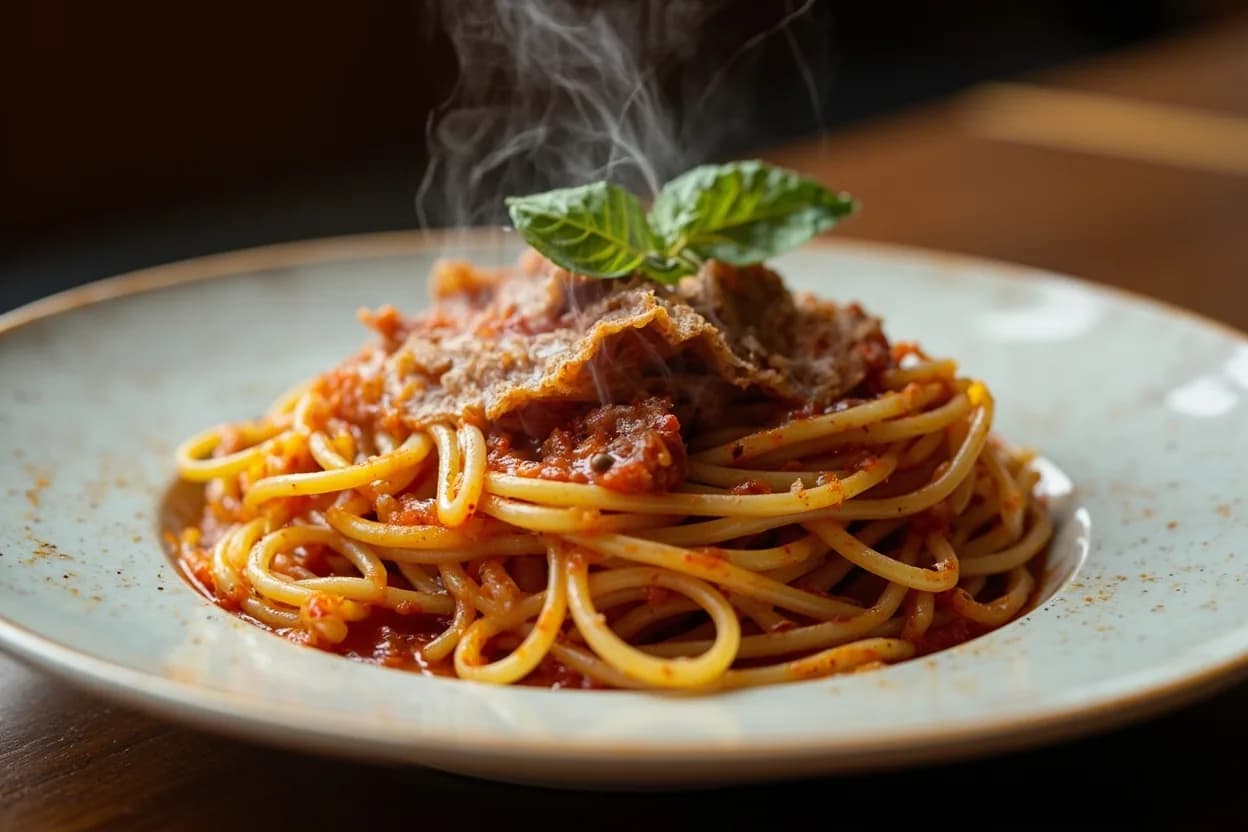
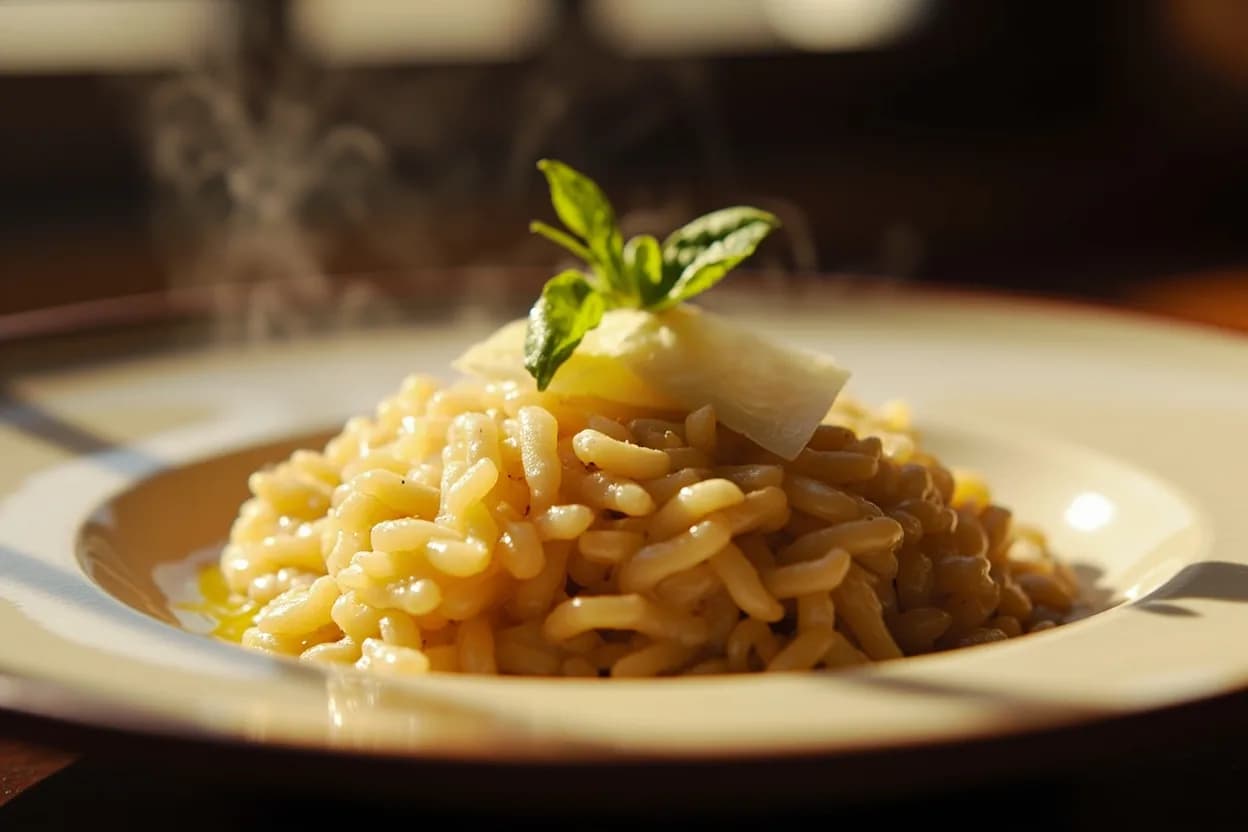
Dishes that rely on it
Related

Confit
Cook slowly submerged in fat for silky tenderness and keeping

Cure
Draw out moisture with salt and time to preserve and concentrate

Pickle
Steep in acidic brine for bright, tangy, crunchy preservation

Ferment
Let friendly microbes transform food into tangy, complex flavor

Marinate
Soak in a seasoned mix to flavor and tenderize before cooking

Brine
Soak in salt water so meat stays juicy and seasoned throughout

Dehydrate
Slowly dry out moisture to concentrate flavor and extend shelf life

Cold-Smoke
Perfume cured food with smoke without cooking it through