Prep & Assembly
Dough Resting
Letting dough relax so the gluten loosens and it rolls or shapes easily.
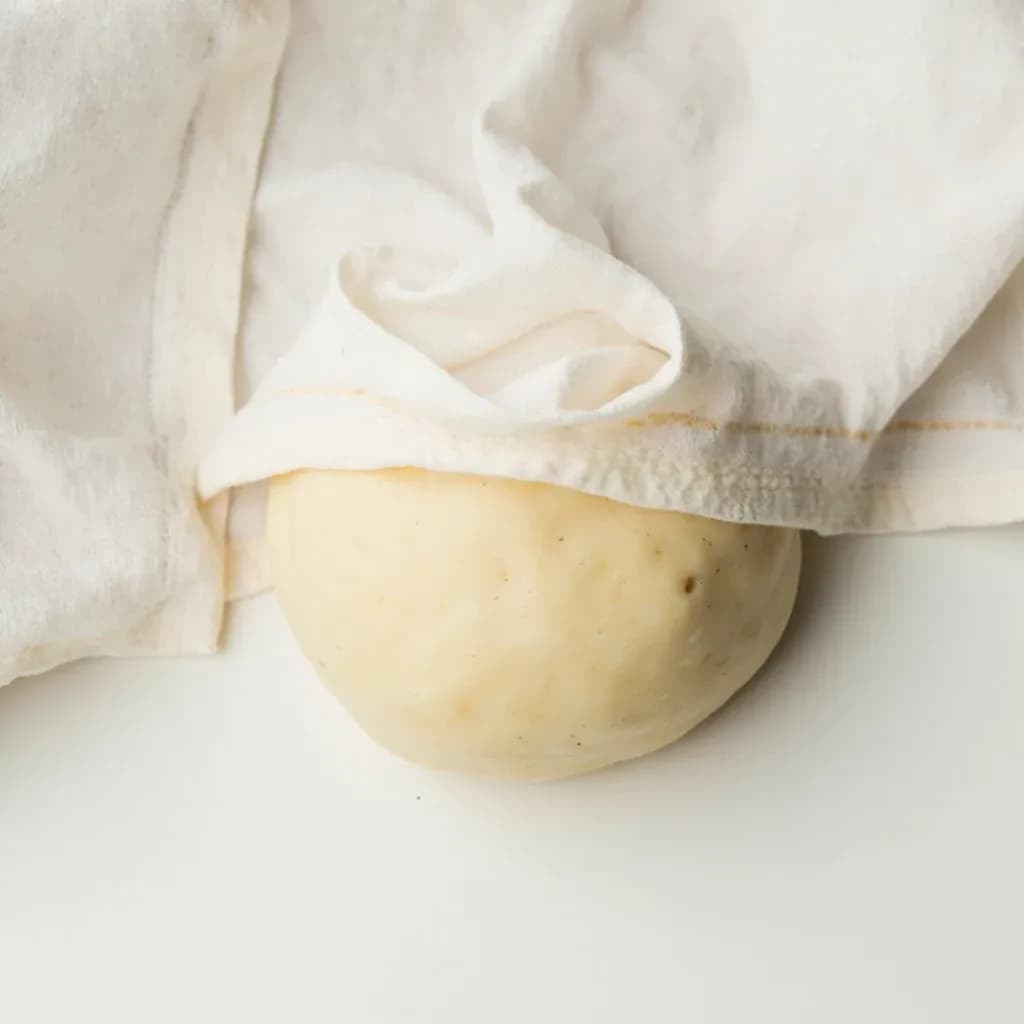
Resting dough lets it sit covered after mixing so the gluten network relaxes and moisture distributes evenly. A rested dough rolls out without springing back and shapes more cleanly, which matters for noodles, flatbreads, and pasta. The pause, sometimes called xingmian, also hydrates the flour fully, giving a smoother, more elastic dough.
Dough resting is the deliberate pause between mixing and shaping during which the gluten network relaxes, the flour fully hydrates, and (in yeasted doughs) fermentation begins. The glutenin and gliadin proteins in flour link into elastic strands the moment water is added and the dough is agitated; left alone, those strands ease from a tight, springy state into a soft, extensible one that accepts a new shape without snapping back. A well-rested dough feels pliable and slightly heavy, rolls thin without resistance, and holds the indent of a finger poke. In yeasted doughs the same rest allows yeast to produce carbon dioxide and flavor compounds, so resting is doing two jobs at once: physical relaxation and biological activity.
The technique takes many forms, from a 15-minute bench rest before rolling pie crust to a multi-day cold ferment that builds the tang of an artisan loaf. Temperature is the dial that controls it: cool room temperature (68–72°F) gives a quick, mostly physical relaxation, while refrigerator temperature (35–40°F) slows yeast, lets bacteria work, and deepens flavor over many hours. Enriched doughs loaded with butter, eggs, and sugar tighten the gluten network and need longer or repeated rests, while lean, high-hydration doughs relax in minutes. Skipping the rest is the most common reason a dough fights back on the pin or tears at the seams.
Across every cuisine that works flour and water, the rest is a quiet, essential step. Italian pasta makers call it riposo, French bakers call the long rise pointage, and pastry cooks simply call it chilling. The mechanism is the same: time, moisture, and a covered surface turn a tense, sticky mass into dough that cooperates.
- Difficulty
- Easy
Types & varieties
Rest of just-mixed flour and water (no salt, no yeast) for 20–60 minutes before incorporating the remaining ingredients. Calvel promoted it for better extensibility, finer crumb, and improved flavor.
Short 10–30 minute room-temperature rest after dividing, pre-shaping, or before rolling. Relaxes gluten so dough can be rolled thin or scored without snapping back.
Longer rest of the full dough mass in a covered container after mixing. Yeast activity produces gas and flavor while the gluten relaxes and the dough gains volume.
Brief rest between final shaping and the final proof, especially for rolls, buns, and baguette-style loaves. Prevents tearing when the dough is handled again.
Slow rest in the refrigerator, typically 12–48 hours. Slows yeast, encourages bacterial activity, and builds more complex, mildly acidic flavor in breads and pizza.
Repeated 20–45 minute rests between folds of butter into dough for croissants, puff pastry, and Danish. Keep butter firm and gluten relaxed for distinct, even layers.
Wrapped rest of fresh egg pasta dough for 30 minutes to 1 hour (or longer in the fridge) so the flour fully hydrates and the dough relaxes before sheeting or rolling.
Rest of pie, tart, or shortbread dough, often 1–24 hours, to firm the fat, hydrate the flour, and keep dough from sticking during rolling.
How to do it
- 1
Mix to the correct stage of development
Stop mixing when ingredients are just combined (for pastry, pasta, or an autolyse) or when the dough is smooth and passes the windowpane test (for yeasted breads). The resting time and outcome both depend on how developed the gluten is at this point.
- 2
Shape the dough for its rest
Form the dough into a smooth ball for bread, a flat disc for pie crust and pasta, or a roughly 1-inch slab for laminated doughs. A consistent thickness helps the dough relax and hydrate evenly.
- 3
Coat or cover to prevent a skin
Lightly oil the surface and place the dough in a covered bowl, or wrap it tightly in plastic wrap. Any exposed surface will dehydrate into a dry crust within minutes, which will crack and prevent proper shaping later.
- 4
Choose temperature and duration
Rest at cool room temperature (about 68–72°F / 20–22°C) for 15–60 minutes for most short rests, or transfer to the refrigerator (35–40°F / 1.5–4.5°C) for an overnight or multi-day cold retard. The cooler the dough, the slower the relaxation.
- 5
Test for readiness
Press a floured finger about half an inch into the dough. If it snaps back quickly, the gluten is still tight and needs more time. If it slowly rises and mostly holds the indent, the dough is relaxed and ready to shape.
- 6
Gently deflate and shape
For yeasted doughs, fold the dough over itself once or twice to release large gas bubbles without re-tightening the gluten. Proceed directly to rolling, dividing, or final shaping — do not knead again, as this re-develops tension in the network.
Why resting works: the glutenin–gliadin network
When flour meets water and is stirred, kneaded, or beaten, two proteins — glutenin and gliadin — link into long, elastic strands. Right after mixing, those strands are under tension and oriented in the direction of the last stroke, which is why freshly mixed dough fights the rolling pin and shrinks back the moment you let go. Time alone eases that tension; the strands slide past one another and settle into a more relaxed arrangement. A covered rest also lets any dry pockets of flour finish absorbing water, which is critical with coarse grains like rye, whole wheat, and semolina, and with butter-enriched doughs where fat initially shields flour from moisture. In yeasted doughs, the rest doubles as fermentation: yeast converts sugars into carbon dioxide (which inflates the gluten net) and into the alcohols and organic acids that give bread its aroma. Cold temperatures slow that fermentation dramatically, which is why a 24-hour refrigerator rest produces tangy, complex bread where a 4-hour counter rest produces milder, softer loaves.
Reading a rested dough
Three quick tests tell you whether dough has rested long enough. None requires special equipment.
- Finger poke: press a floured finger about half an inch into the dough. If it snaps back quickly and completely, the gluten is still tight — give it more time. If it slowly rises and mostly holds the indent, it is ready.
- Stretch test: try to pull a small piece thin. A rested dough extends without tearing; under-rested dough tears or springs back.
- Feel: well-rested dough feels soft, pliable, and slightly heavy in the hand, with no resistance when you fold it over itself.
Common uses
Tips & pitfalls
- Cover dough tightly with plastic wrap, a damp towel, or an inverted bowl; an exposed surface dries into a tough skin that cracks and tears during shaping.
- Poke the dough to test it: if it springs back quickly and fully, give it more time; if it slowly returns and holds a shallow indent, it is relaxed and ready.
- Pull refrigerated dough out 20–40 minutes before rolling so it is pliable, not stiff — cold dough relaxes more slowly than warm dough.
- Do not skip the bench rest with high-hydration or enriched doughs; butter, eggs, and sugar tighten the gluten network, and the dough feels tough until it rests.
- For laminated doughs, rest between every fold to keep the butter firm and the gluten relaxed; rushing produces torn layers and butter that smears into the dough rather than staying in sheets.
- A long cold retard (12–48 hours) builds noticeably more flavor than a short room-temperature rest, but cold dough is stiffer and needs bench time before shaping.
- Avoid over-proofing: a yeasted dough left too long in a warm spot collapses, smells strongly of alcohol, and loses structure — retarding in the fridge is the safer choice for long rests.
- Do not re-knead rested dough aggressively; a few gentle folds are enough, since hard kneading re-tightens the gluten the rest just relaxed.
Good to know
- Also called
- Bench rest, bench proof, intermediate proof, relaxation, riposo (pasta), pointage (French, bulk fermentation), cold retard
- Primary purpose
- Relaxes the gluten network so dough can be rolled, stretched, and shaped without spring-back or tearing
- Typical short rest
- 15–30 minutes at cool room temperature (68–72°F / 20–22°C)
- Typical bulk fermentation
- 1–4 hours at room temperature, depending on yeast activity and dough temperature
- Typical cold retard
- 8–72 hours at 35–40°F (1.5–4.5°C)
- Origin of the autolyse
- Promoted by French bread authority Raymond Calvel in the 1970s as a rest of just flour and water before adding salt and yeast
- Coverage required
- Plastic wrap, damp towel, beeswax wrap, oiled container, or inverted bowl — exposed dough forms a dry skin within minutes
- Doneness cue
- Finger poke: dough should spring back slowly and hold a shallow indent; a quick snap-back means it needs more time
Also called
Dough Resting (醒面) · Bench Rest · Xingmian
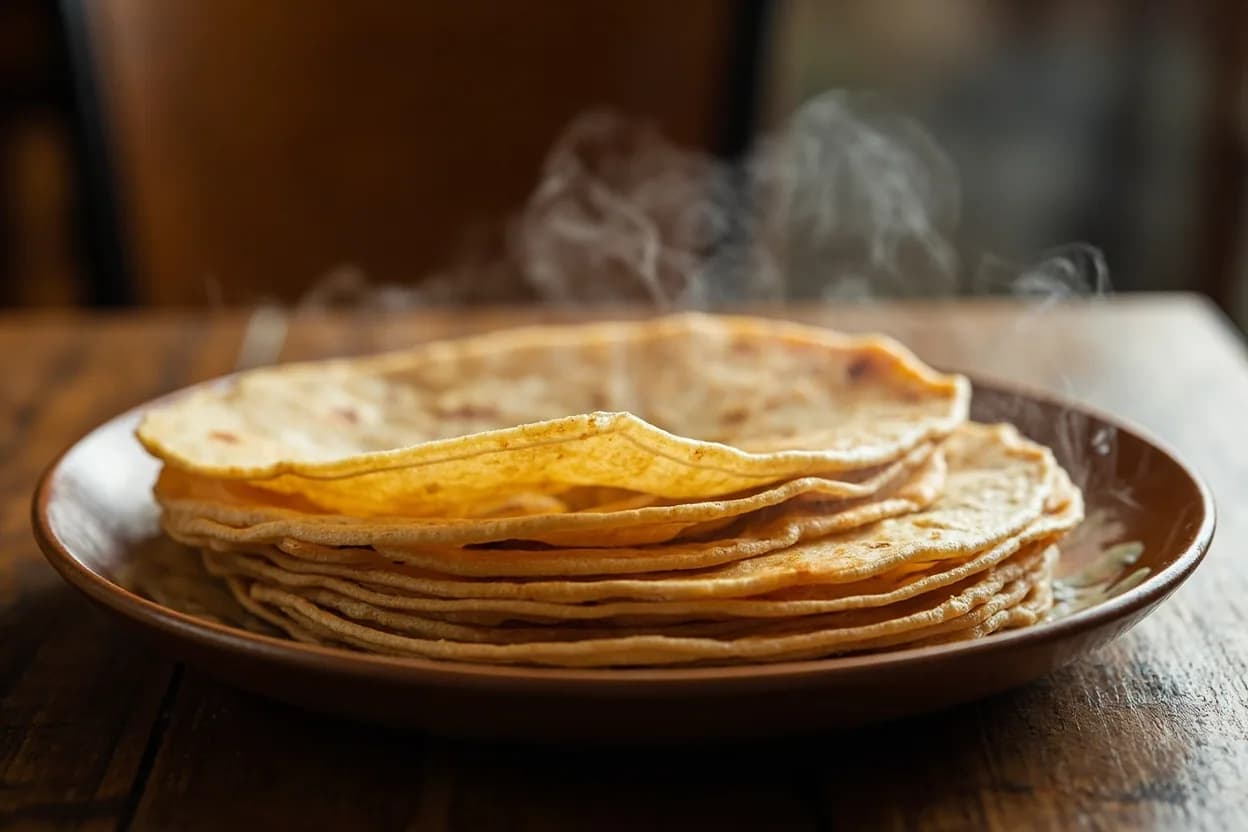
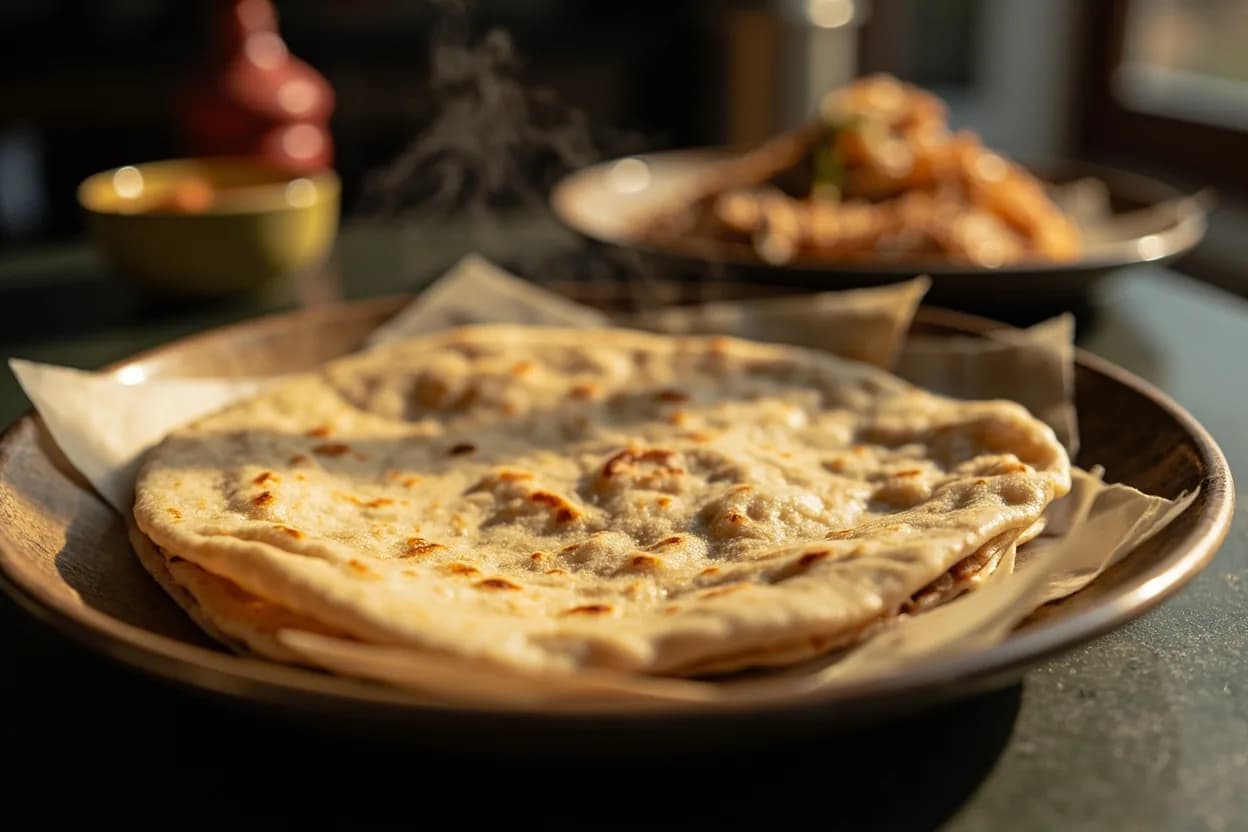
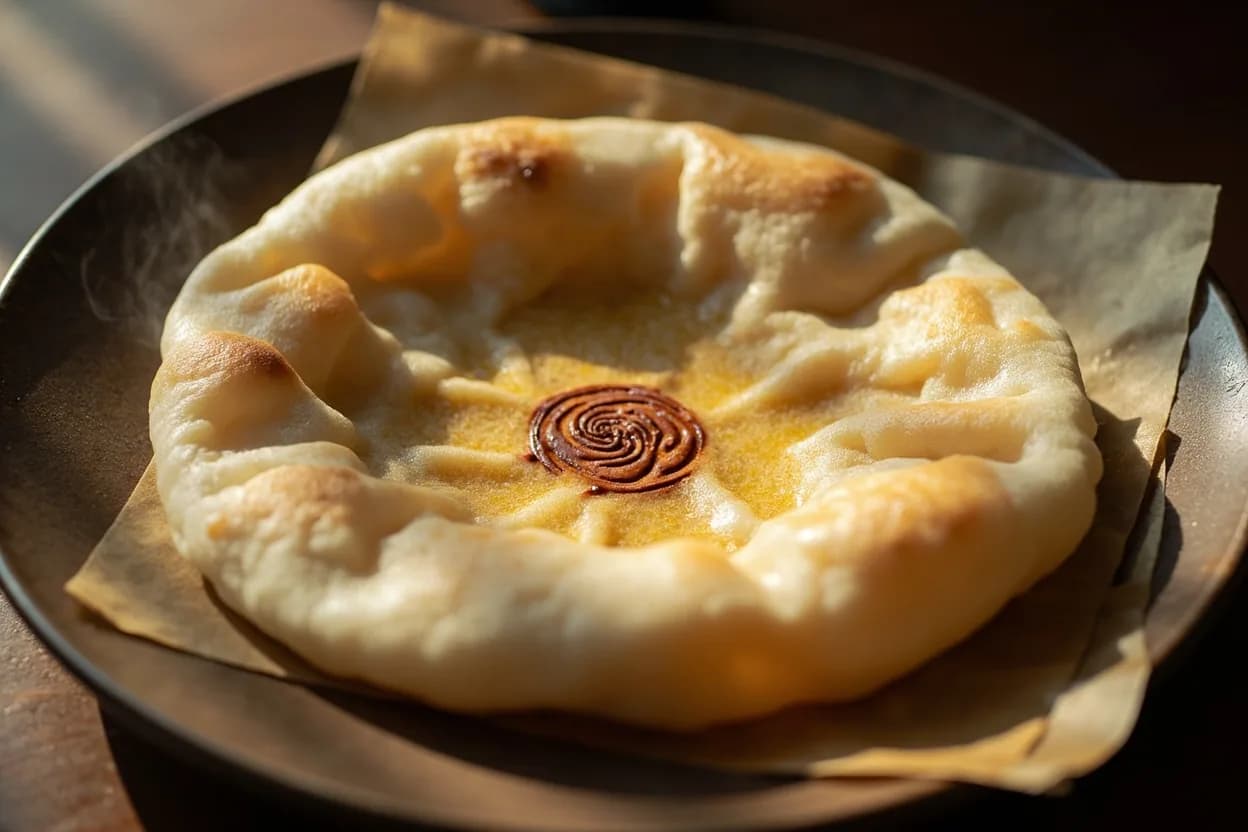
Dishes that rely on it




Related

Whisk
Beat ingredients smooth and aerated with a looping wire motion

Sift
Pass dry ingredients through mesh to aerate and remove lumps

Strain
Pour through mesh to separate solids from liquid for a smooth result

Filter
Pass liquid through fine material to clarify out the smallest particles

Rice
Press cooked potatoes through small holes for fluffy, lump-free texture

Mash
Crush soft cooked food into a rustic, creamy purée

Grind
Crush food into a coarse to fine texture, from spices to meat

Grate
Shred food into fine bits against a sharp-toothed surface