Heat & Fire
Dry Toasting
Heating grains, seeds, or nuts in a dry pan to deepen aroma and nutty flavor.
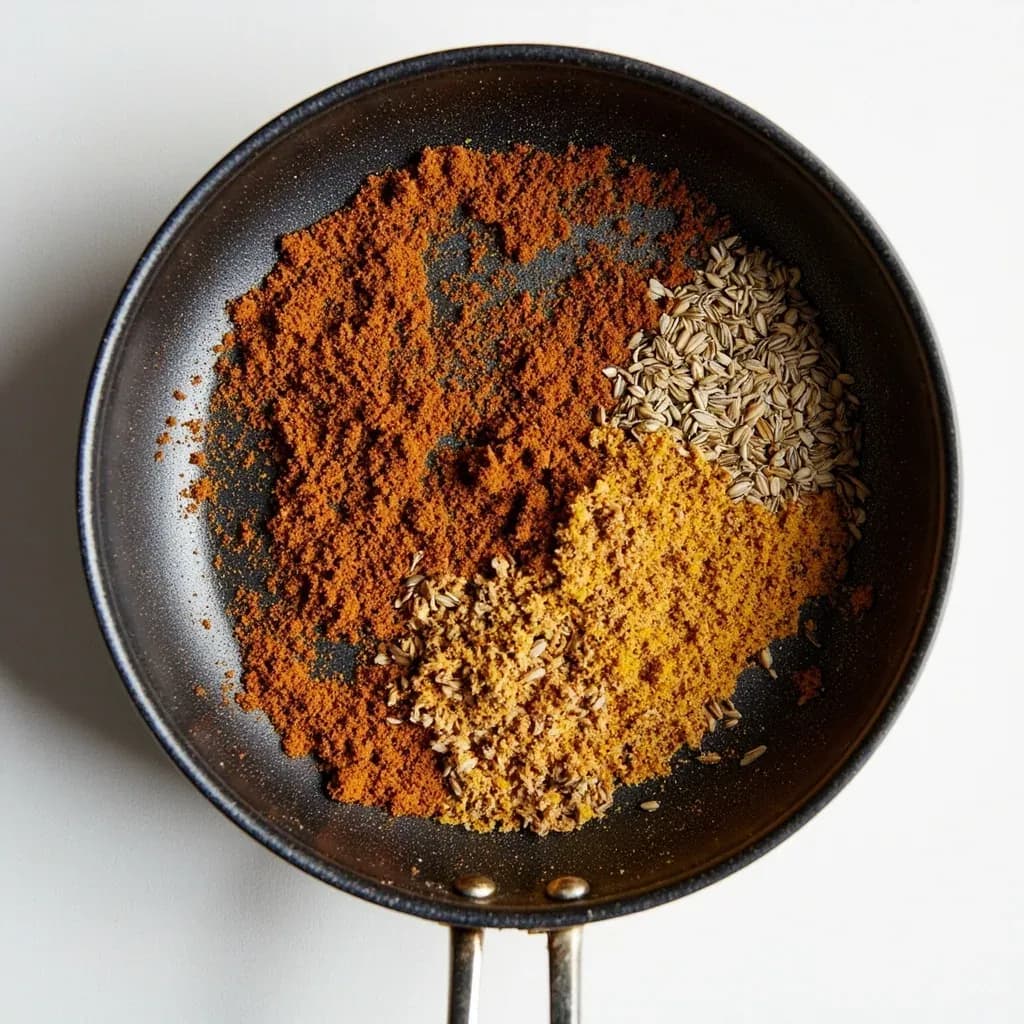
Dry toasting heats ingredients in a fat-free hot pan until they color and release fragrant, nutty aromas. It is used on whole spices, seeds, nuts, bulgur, vermicelli, rice, corn, and cassava products like gari and farofa. Constant agitation keeps everything moving so it browns evenly without scorching.
Dry toasting is the simplest flavor-amplification move in a cook's repertoire: nuts, seeds, whole spices, grains, coconut, or bread cooked in an ungreased pan until their natural sugars and amino acids brown, releasing the volatile oils that carry aroma. Heat alone — typically 140–170 °C / 285–340 °F at the pan surface — drives Maillard browning and a light caramelization, deepening pale, raw notes into something richer, nuttier, and rounder. A teaspoon of toasted cumin in a pot of lentils is the difference between a competent dish and a memorable one.
The technique is unforgiving at the finish. Small, low-moisture items like sesame or pine nuts can cross from golden to bitter in under fifteen seconds, and even dense hazelnuts give you only a thirty-second margin once color begins to shift. The key is carryover heat: a hot cast-iron skillet continues cooking the food on it for nearly a minute after the burner is off, so you always pull the pan a shade lighter than you want the final result. Have a cool landing surface ready, transfer immediately, and let the food finish on metal rather than in the pan.
- Difficulty
- Easy
Types & varieties
Almonds, walnuts, pecans, hazelnuts, pistachios, cashews, pine nuts, peanuts, macadamias. Hazelnuts are rubbed in a clean towel after toasting to slough off their papery skins.
Sesame, pumpkin (pepitas), sunflower, poppy, fennel, mustard, caraway. Small and quick — usually under two minutes.
Cumin, coriander, fennel, mustard, fenugreek, black pepper, cardamom. Off the heat the moment they smell fragrant, often in under a minute.
Basmati and other long-grain rice, farro, barley, quinoa, millet, steel-cut oats — the opening move for pilafs, pilau, and biryani.
Shredded or flaked unsweetened coconut, stirred constantly in a dry pan until the edges turn amber.
Torn or cubed bread, or coarse fresh breadcrumbs, dry-toasted for panzanella, salads, and pasta toppings.
Multiple whole spices toasted together before grinding — the foundation of garam masala, baharat, and similar blends.
How to do it
- 1
Choose the right pan
Select a wide, heavy-bottomed skillet in cast iron, carbon steel, or clad stainless steel. Avoid nonstick: the dark coating hides the color you're chasing, and a slick surface makes tossing harder. A light interior lets you read the browning accurately.
- 2
Preheat the pan
Place the empty skillet over medium-low to medium heat for 1–2 minutes. The pan should be evenly hot before any ingredient goes in. A drop of water should sizzle, skate, and evaporate within a second — not explode or sit motionless.
- 3
Add the ingredient in a single layer
Measure out the nuts, seeds, spices, or grains so they cover the pan in one even layer with no overlap. Work in batches if needed; a crowded pan steams instead of toasts, and you'll get pale patches and dampness.
- 4
Stir or shake frequently
Use a wooden spoon or heat-safe spatula, or simply grasp the handle and toss the pan every 10–15 seconds. The goal is constant re-exposure of new surfaces to the hot metal so color develops evenly.
- 5
Read the cues
Small seeds and whole spices perfume the air within 30–90 seconds; pull at the first wisp of fragrance. Nuts shift from pale cream to honey-gold and release a rounder, toastier smell — usually 3–6 minutes. Grains turn faintly translucent and glassy and start to smell faintly of popcorn.
- 6
Pull early and transfer
Remove the pan from the heat one shade before the color and aroma look right. Immediately scrape or slide the contents onto a cool plate, sheet pan, or shallow bowl so residual heat stops the cooking.
- 7
Cool and use or store
Spread in an even layer and let cool completely — 10–15 minutes for nuts, less for small seeds. Use right away, or store in an airtight container only once fully cool. Refrigerate toasted nuts to slow rancidity; they keep for months cold, weeks at room temperature.
The Carryover Principle
Carryover heat is the single most important concept in dry toasting. A heavy skillet — especially cast iron or clad stainless — holds thermal energy long after the burner is off, and that stored heat continues to cook whatever is in contact with the metal. A nut that looks honey-gold in the pan will arrive at deep amber on the plate, and a seed that smells perfect on the stove will taste bitter thirty seconds later. The fix is structural: pull the pan from the heat a full shade before the color and aroma you want, and have a cool, wide, non-reactive surface — a sheet pan, a glass pie plate, a wooden board — waiting to receive the food the instant you decide it's done. Slide, don't pour: scraping with a spatula keeps every kernel in motion and away from residual hot spots. For very small or scorch-prone items, a metal sheet pan conducts heat away faster than a ceramic plate, buying you a few extra seconds.
Common uses
Tips & pitfalls
- Use medium-low to medium heat; high heat blackens the outside while the inside stays raw and acrid.
- Spread the ingredient in a single, even layer. Crowding causes steaming, and you end up with a pale, damp result.
- Stir, shake, or toss almost continuously once color starts to change — toast time is measured in seconds at the finish.
- Pull the pan off the heat a shade before the color and aroma look right; carryover heat will finish the job.
- Transfer to a cool plate or sheet pan immediately. Leaving toasted food in a hot pan is the single most common cause of burning.
- Use a light-colored or stainless pan so you can actually see the browning; dark cast iron hides it and tempts you to overcook.
- Toast different items separately. A sesame seed and a walnut do not belong in the same pan — different sizes, different moisture, different timing.
- Whole spices are done the moment they smell fragrant, often in under a minute. They scorch faster than nuts or grains.
Good to know
- Also known as
- Dry-roasting, pan-toasting, skillet-toasting
- Heat source
- Stovetop (skillet) or oven; no added fat or oil
- Ideal pan
- Heavy-bottomed skillet in cast iron, carbon steel, or clad stainless steel with a light interior
- Heat level
- Medium-low to medium; high heat blackens the outside before the inside cooks
- Typical time
- 30–90 seconds for small seeds and whole spices; 3–7 minutes for nuts and grains
- Core chemistry
- Maillard browning and light caramelization of natural sugars, beginning around 140 °C / 285 °F
- Yield impact
- Volume largely preserved; weight drops 2–5% from moisture loss
- Difficulty
- Beginner-friendly but unforgiving — the margin between toasted and burned is measured in seconds
Also called
Dry Toasting Grains · Toasting Seeds · Toasting Spices
Dishes that rely on it
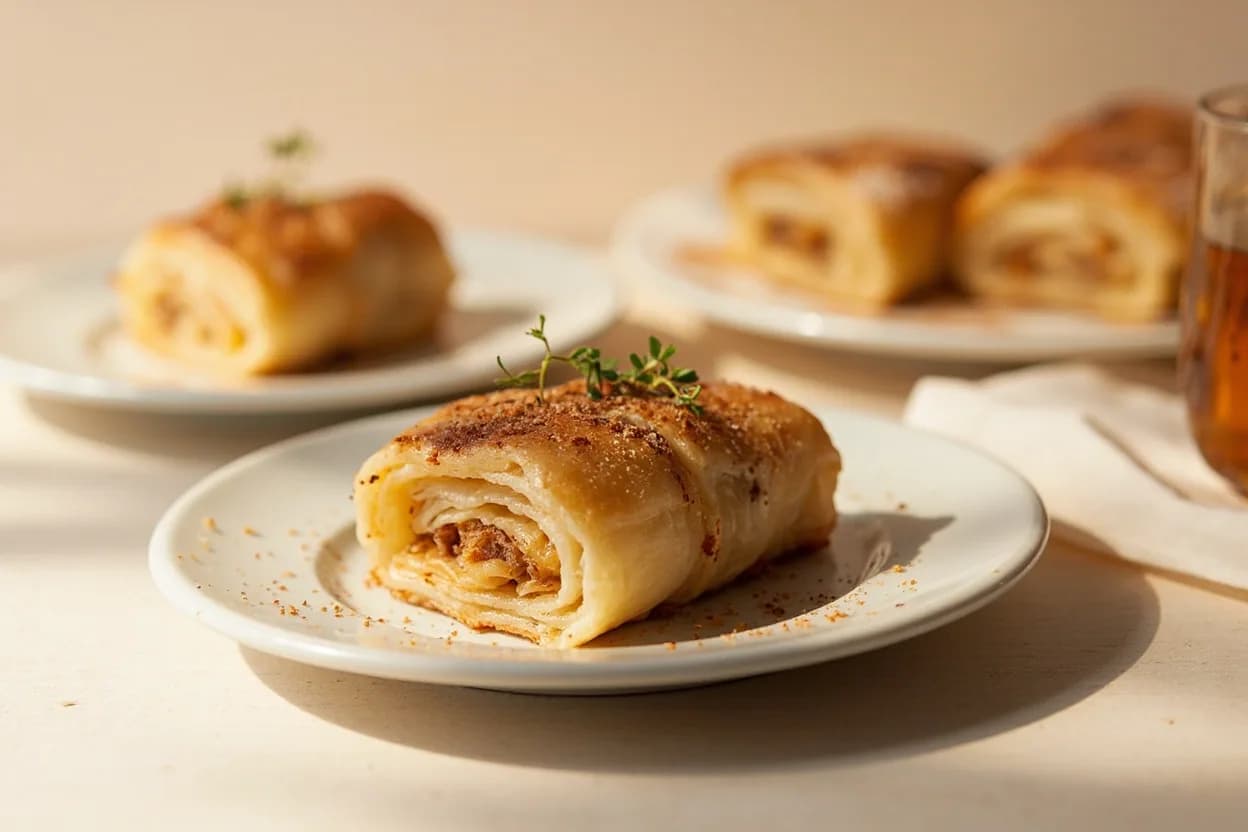
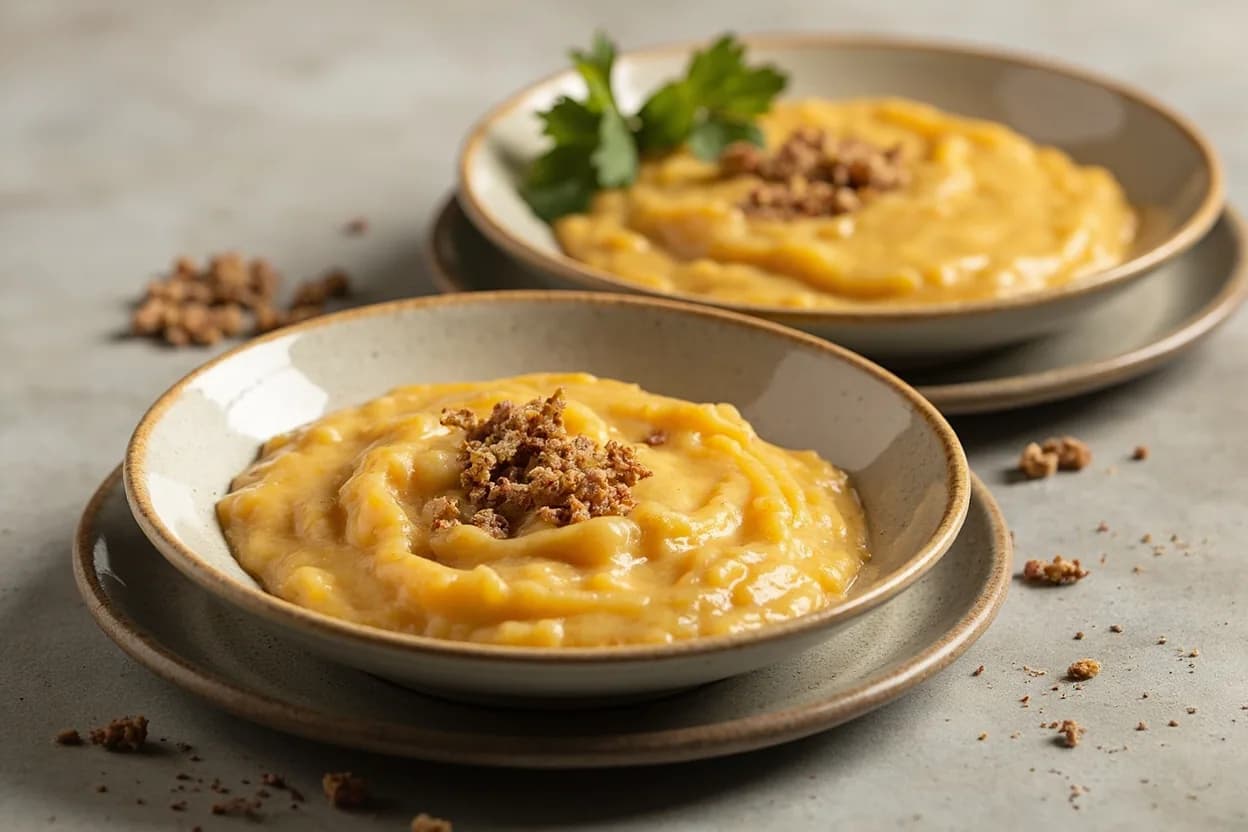
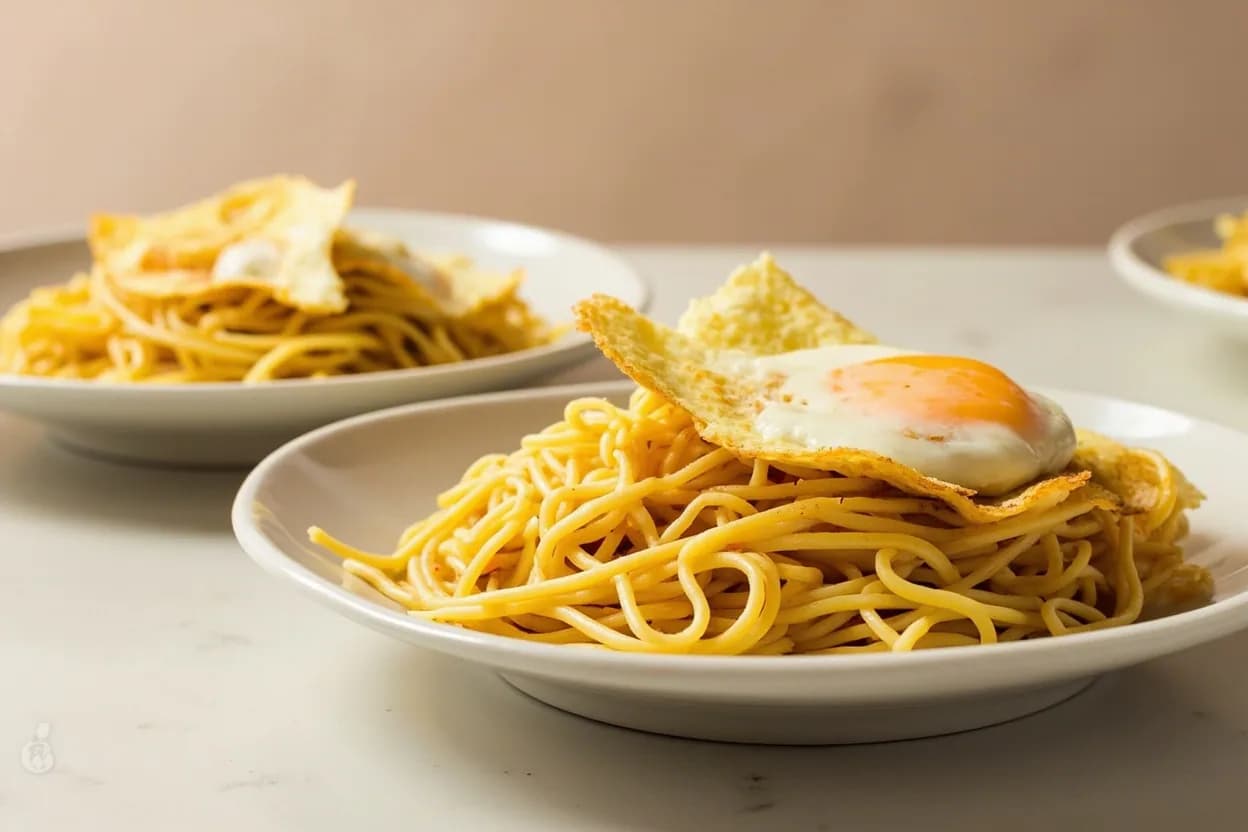
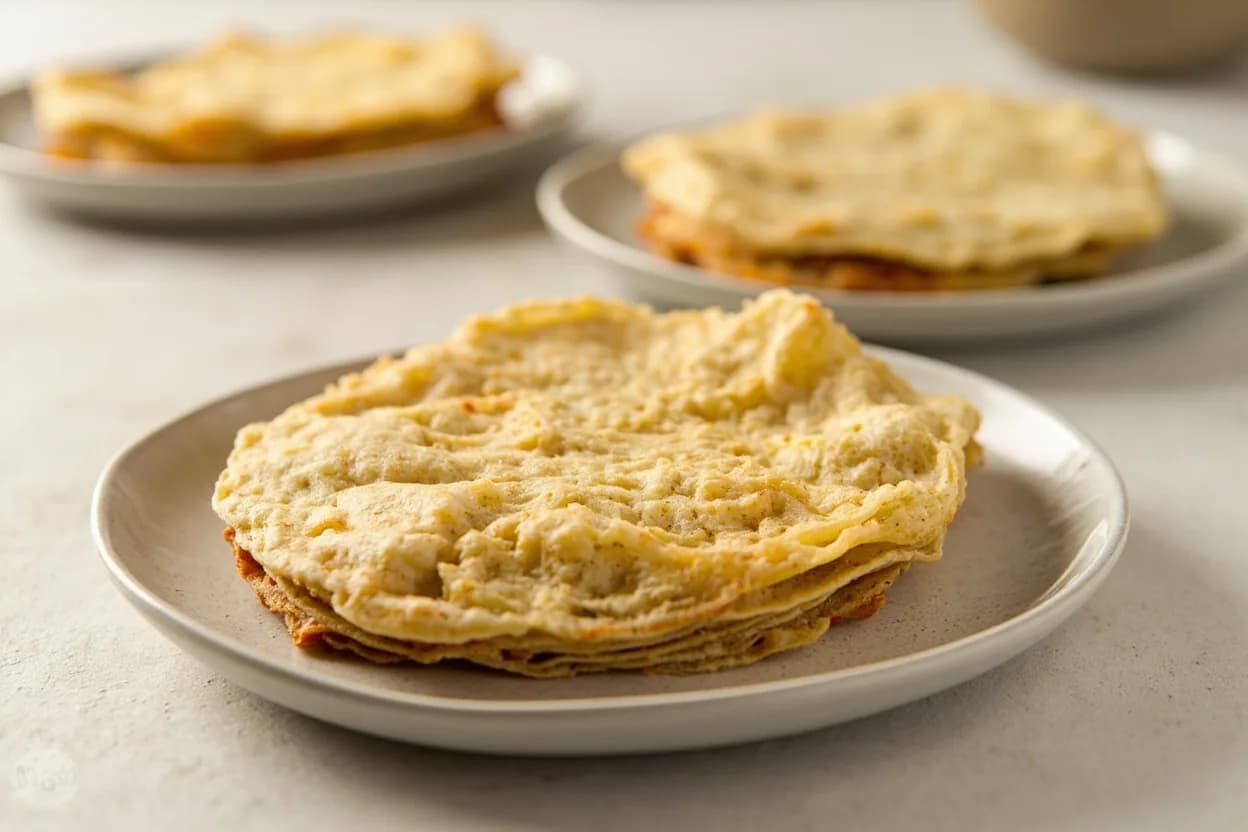
Related

Sear
Blast the surface hot for a deep-browned, savory crust

Sauté
Cook quickly in a little fat over lively heat, tossing as you go

Stir-Fry
Toss bite-sized pieces over roaring heat for fast, smoky cooking

Pan-Fry
Crisp food in a shallow layer of hot fat, turning once or twice

Deep-Fry
Submerge in hot oil for an all-over crackling crust

Roast
Cook uncovered in dry oven heat for browned edges and tender centers

Bake
Cook with steady, surrounding oven heat — the soul of bread and pastry

Broil
Hit food from directly above with fierce overhead heat