Prep & Assembly
Washing Produce
Rinsing and sorting fruits and vegetables to remove dirt, grit, and debris before cooking.
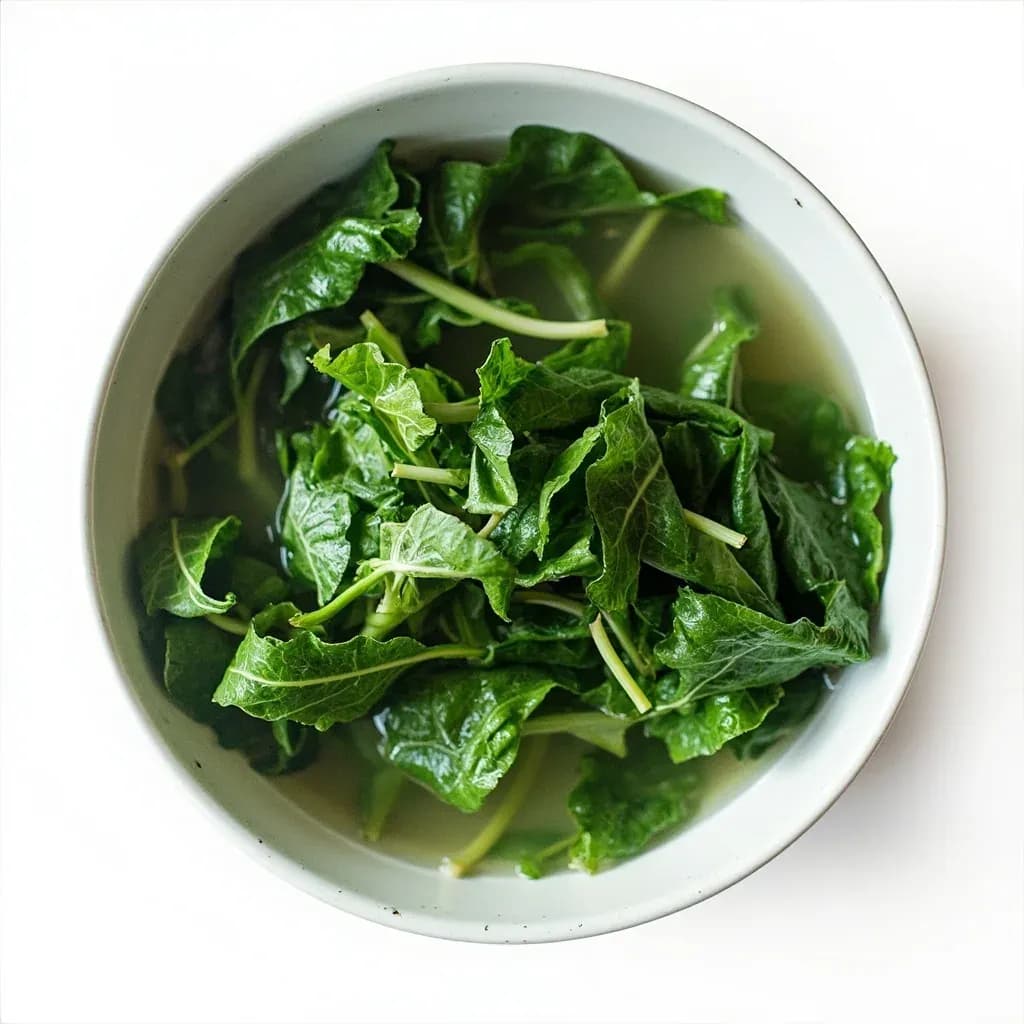
Washing produce cleans away soil, sand, pesticides, and field debris under running water or in a soaking bath. It often pairs with sorting, where damaged items, stones, or bad beans are picked out by hand. Leafy greens and gritty vegetables like leeks may need several changes of water. Drying afterward keeps dressings clinging and prevents dilution.
Washing produce is the foundational act of kitchen hygiene: a deliberate rinse, soak, or scrub that lifts away field soil, surface microbes, pesticide residues, waxy coatings, and the occasional insect before any knife ever touches the food. It is the step most often skipped, abbreviated, or done at the wrong time, and the one that most directly shapes what gets carried into salads, sautés, and ferments. Done well, it is quick, cool-water work; done badly — with hot water, with soap, hours before cooking, or after cutting — it does more harm than good.
The technique is not one method but a small toolkit matched to the produce in hand. A firm apple wants a different treatment than a head of butter lettuce, which wants a different treatment than a pint of raspberries, which wants a different treatment than a cremini mushroom. The common thread is cold water, gentle agitation, and thorough drying, because residual moisture is what feeds the microbes that washing is meant to control. Understanding which method to reach for — and when to skip washing entirely — is what separates a cook who preps efficiently from one who ends up with soggy greens or gritty salad.
It is also worth knowing what washing can and cannot do. A good rinse removes most surface contaminants, including a meaningful share of certain pesticide residues, but it cannot reach pesticides that have moved into the plant tissue itself. Peeling accomplishes more in that regard, at the cost of fiber, vitamins, and flavor in the skin. Washing is a practical, high-value step rather than a guarantee, and it works best as part of a sequence: clean sink, clean hands, clean tools, then clean produce, in that order.
- Difficulty
- Easy
Types & varieties
Default method for most fruits and firm vegetables; rub with hands or a brush under a steady stream.
Submerge leafy greens, broccoli, cauliflower, and herbs, then agitate so grit falls free of the leaves.
1–2 tablespoons table salt per quart of water; floats out insects from crucifers and loosens soil in greens.
1:3 white vinegar to water for 5–10 minutes; cuts surface mold and bacteria on berries and stone fruit.
1 tablespoon per 2 cups water for 10–15 minutes; the He et al. 2017 study showed it removed most surface pesticide residues from apples.
Brands such as Fit or Veggie Wash; no consistent evidence they outperform plain water for most produce.
Stiff vegetable brush for potatoes, carrots, beets, squash, melons, and other firm-skinned items.
Dry brush or damp paper towel for mushrooms and delicate herbs; avoids waterlogging.
How to do it
- 1
Set up the station
Clear and scrub the sink, or use a large bowl. Set out a colander, salad spinner, vegetable brush, and a clean kitchen towel. Have cool running water ready — never hot.
- 2
Sort and trim
Discard bruised, moldy, or badly damaged items. Peel away outer leaves from cabbages, lettuces, and fennel; snap tough stems from herbs and broccoli so grit has nowhere to hide.
- 3
Pre-rinse
Give every item a quick rinse under cool running water to remove loose soil before any deeper cleaning. Shake off the excess.
- 4
Choose and apply the wash method
Firm produce: scrub with a vegetable brush under running water. Leafy greens and crucifers: submerge in a cold salt-water bath (1–2 Tbsp salt per quart) for 5–10 minutes, swishing occasionally so grit falls to the bottom. Berries: a brief dip in a 1:3 vinegar-to-water solution. Apples, cucumbers, peppers: optional 10–15 minute soak in 1 Tbsp baking soda per 2 cups water, then rinse. Mushrooms and delicate herbs: wipe or brush with a damp paper towel — skip the soak entirely.
- 5
Lift, drain, and repeat if needed
For greens, lift the leaves out of the soak water rather than pouring through a strainer; the grit settles and stays behind. Repeat with fresh water until no grit settles out.
- 6
Final rinse
Run everything under clean cool water once more to wash away any residual salt, vinegar, or baking soda, all of which can affect flavor if left on the surface.
- 7
Dry thoroughly
Spin leafy greens in a salad spinner. Pat firm produce dry with a clean towel. Surface moisture is the main driver of post-wash spoilage and the main cause of diluted dressings and hot-oil splatter.
- 8
Use or store promptly
Use washed produce the same day whenever possible. If you must store, line the container with paper towels to wick away residual moisture, and refrigerate washed and unwashed items separately so they don't cross-contaminate.
When to skip the wash
Washing is not always the right move, and recognizing those cases is part of doing the technique well.
- Bagged greens labeled 'ready-to-eat' or 'triple-washed' — further rinsing only adds moisture and shortens shelf life.
- Produce you plan to peel, such as bananas, onions, or garlic; the peel itself is the barrier.
- Mushrooms meant for dry-heat cooking; a brief brush is plenty, since they absorb soak water and steam instead of browning.
- Anything headed into a long, wet cook — boiling, braising, stewing — where dirt will be carried away in the cooking liquid anyway.
What washing actually removes
Set realistic expectations and the technique starts to make more sense.
- Field soil, sand, and grit — the easiest target and the reason a sink bath works.
- Surface bacteria such as E. coli and Listeria, which a vinegar soak or thorough running-water rinse reduces measurably.
- A meaningful share of surface pesticide residues, particularly with a baking soda soak on smooth-skinned fruit.
- Waxy coatings on apples, cucumbers, and peppers, which a brush or warm (not hot) water helps to break down.
- Live insects hidden in crucifers — broccoli, cauliflower, brussels sprouts — which float out in a salt-water bath.
Common mistakes to avoid
A short list of habits that undo the work of washing or shorten the life of the produce.
- Washing hours ahead and refrigerating; moisture in storage is the leading cause of post-purchase spoilage.
- Using hot water; it wilts greens, softens berries, and gives microbes a warmer, wetter surface to colonize.
- Adding soap, dish detergent, or bleach — all explicitly advised against by the FDA and USDA.
- Cutting before washing, which drives surface contamination into the flesh with the knife.
- Soaking mushrooms; they absorb water and refuse to brown in the pan afterward.
- Skipping the dry; wet produce spoils faster, dilutes dressings, and splatters when added to hot fat.
Common uses
Tips & pitfalls
- Always wash just before cutting or eating — never before refrigeration, with the exception of sturdy roots that store well damp.
- Clean the sink and your hands first; a sanitized sink carries fewer bacteria than the produce itself in many home kitchens.
- Add a splash of vinegar to the rinse water for berries to slow mold growth once they're back in the fridge.
- Trim away bruised or damaged spots before washing, so bacteria from those spots don't spread through the soak water.
- For head lettuce, quarter and core first, then soak leaves so grit falls away from the rib rather than staying trapped.
- Use a dedicated vegetable brush and reserve it only for produce to avoid cross-contamination with raw meat.
- Don't soak mushrooms for long — they absorb water and will steam in the pan instead of browning.
- Skip baking soda on soft berries; its mild abrasiveness suits smooth-skinned fruit like apples and stone fruit better.
- Plan on two or three soak-and-lift cycles for leafy greens — the water should run clear before you call it done.
- If you plan to peel an item anyway (potatoes, carrots, apples for a pie), a quick scrub is enough; save the deep soak for the produce that will be eaten skin-on.
Good to know
- Category
- Prep & Assembly — cleaning step
- Primary purpose
- Remove soil, surface microbes, pesticide residues, wax, and insects before cutting or serving
- Water temperature
- Cool to cold (around 40°F / 4°C); hot water wilts greens and softens berries
- Recommended duration
- FDA advises rubbing under running water for roughly 20 seconds per item
- When to wash
- Immediately before use — moisture in storage accelerates spoilage and microbial growth
- Detergent use
- Not recommended; the FDA and USDA warn against soap, bleach, or commercial disinfectants on food
- Vinegar soak ratio
- 1 part white vinegar to 3 parts water, 5–10 minutes
- Baking soda soak ratio
- 1 tablespoon (~15 g) per 2 cups water, 10–15 minutes — best-studied home method for pesticide residues
- Difficulty
- Beginner; total time ranges from 30 seconds for berries to 15+ minutes for leafy greens or cauliflower
Also called
Olive Washing · Bean Sorting · Hand Sorting · Bagging
Dishes that rely on it

Related

Whisk
Beat ingredients smooth and aerated with a looping wire motion

Sift
Pass dry ingredients through mesh to aerate and remove lumps

Strain
Pour through mesh to separate solids from liquid for a smooth result

Filter
Pass liquid through fine material to clarify out the smallest particles

Rice
Press cooked potatoes through small holes for fluffy, lump-free texture

Mash
Crush soft cooked food into a rustic, creamy purée

Grind
Crush food into a coarse to fine texture, from spices to meat

Grate
Shred food into fine bits against a sharp-toothed surface