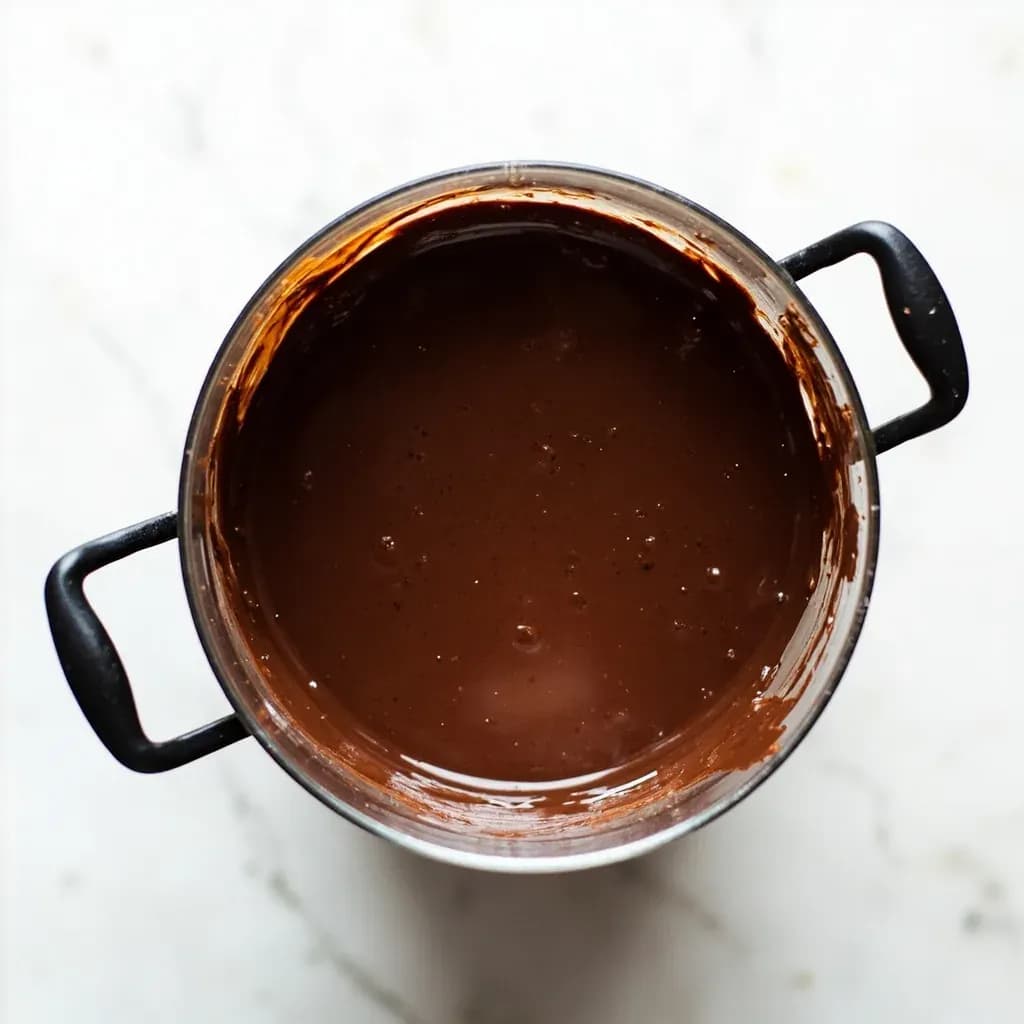
Water & Steam
Double-Boiling
Heating food gently in a bowl set over simmering water for delicate, even warmth.
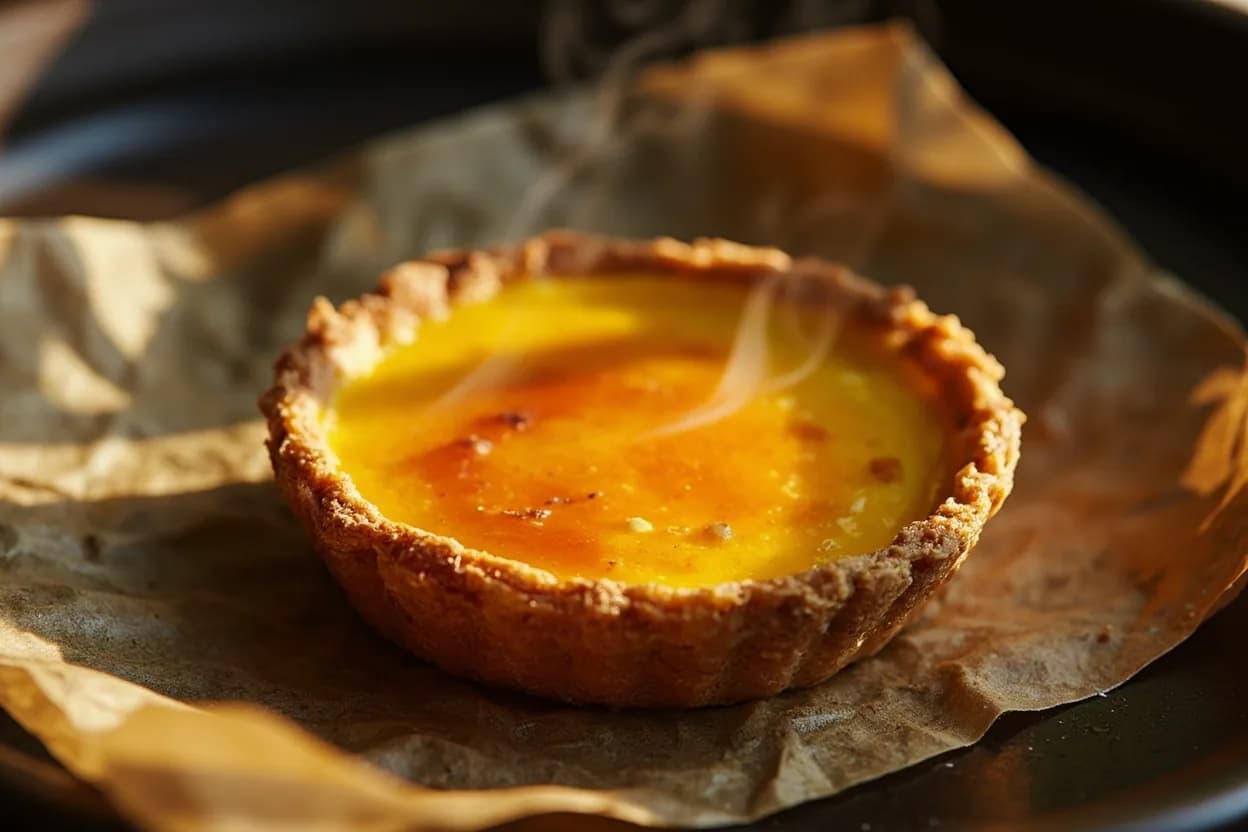
Double-boiling cooks or melts delicate ingredients in a bowl suspended over a pot of simmering water, so they heat by gentle steam rather than direct flame. It is the safe way to melt chocolate, make custards and hollandaise, and temper eggs without scorching or curdling. In Chinese cooking, double-boiling also refers to long, slow steaming of soups in a covered vessel for clear, concentrated broths.
Double-boiling is a gentle, indirect-heat method in which food cooks in an inner vessel suspended over — and surrounded by — barely simmering water. Because the inner pot never touches flame or burner directly, and the water itself never reaches a full rolling boil, temperatures at the food's surface stay in a narrow band of roughly 80–95 °C (175–205 °F). That ceiling is what makes the technique indispensable: it is hot enough to set eggs, melt chocolate, and slowly draw gelatin and flavor from bones and herbs, but too cool to curdle dairy, scramble eggs, scorch sugar, or break a fat-in-water emulsion.
The method goes by many names. Western kitchens call it a bain-marie, after the 3rd-century alchemist Mary the Jewess; Chinese cooks call it shuang guo (双锅) or ge shui dun (隔水炖), and have used nested ceramic pots for centuries to make tonic soups of startling clarity. The physics are identical in both traditions — water conducts heat into the inner vessel from below and the sides, and a lid traps steam so the food cooks in its own moisture. What differs is intent: French cooks use the bain-marie to protect fragile custards and emulsions, while Cantonese cooks use long, sealed double-boils to coax flavor, body, and medicinal compounds from tough ingredients without clouding the broth.
- Difficulty
- Easy
Types & varieties
The classic French method: a bowl over a pan of barely simmering water, used for custards, sabayons, delicate sauces, and chocolate.
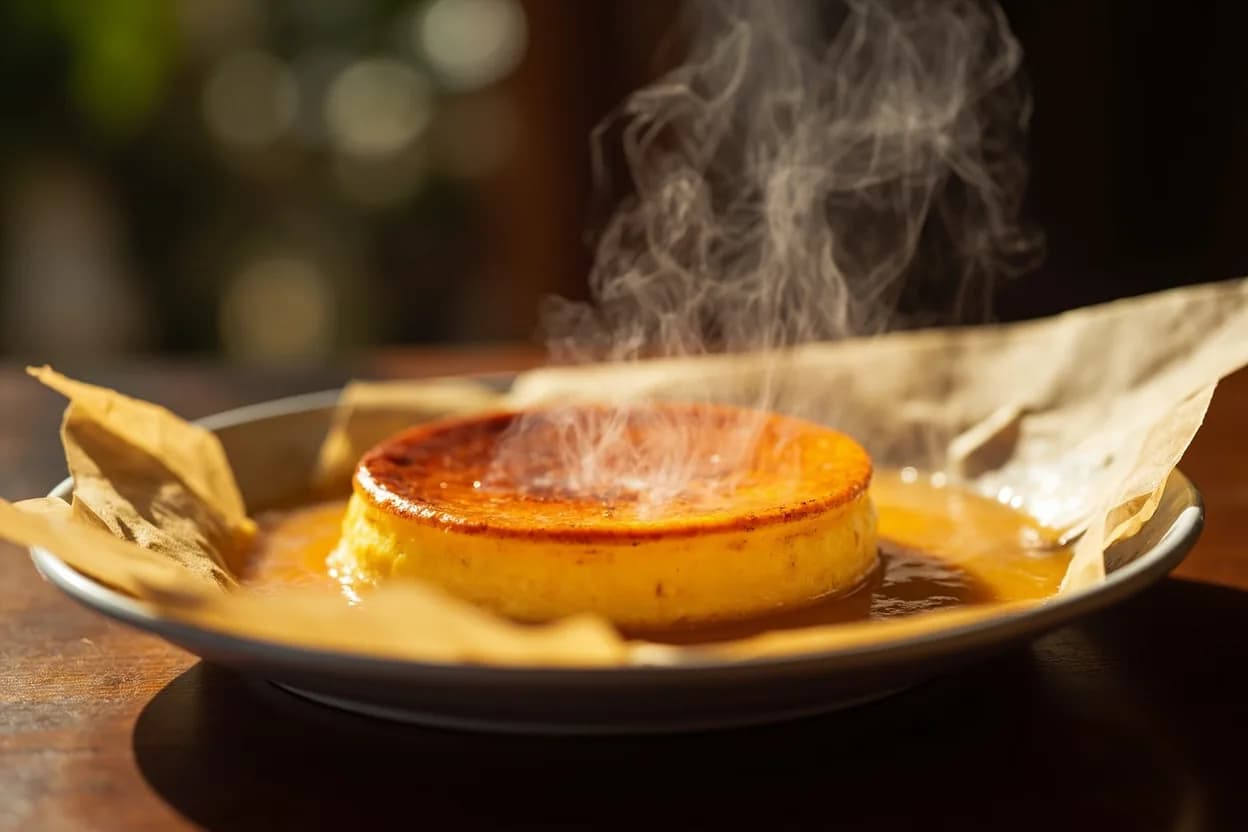
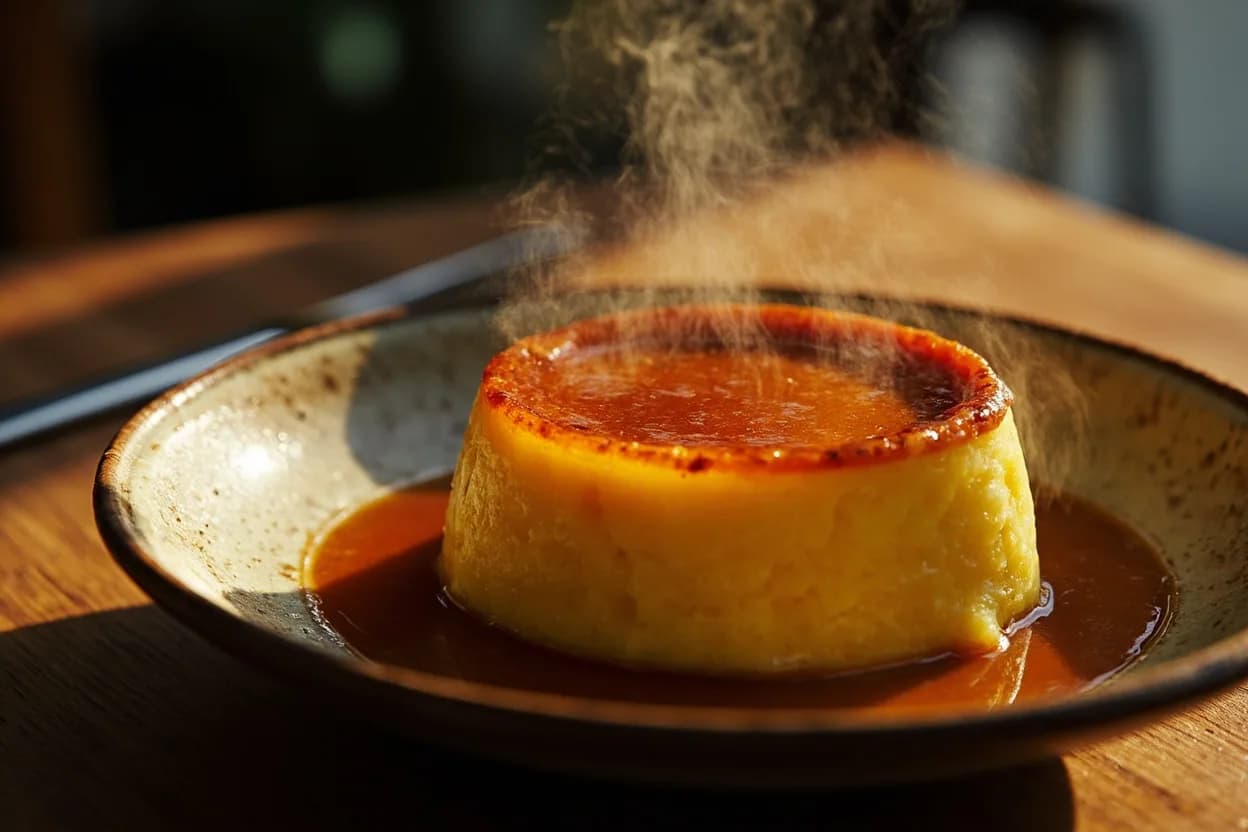
A baking dish set inside a larger pan of hot water and cooked in the oven; the standard for crème caramel, bread puddings, terrines, pâtés en terrine, and cheesecakes.
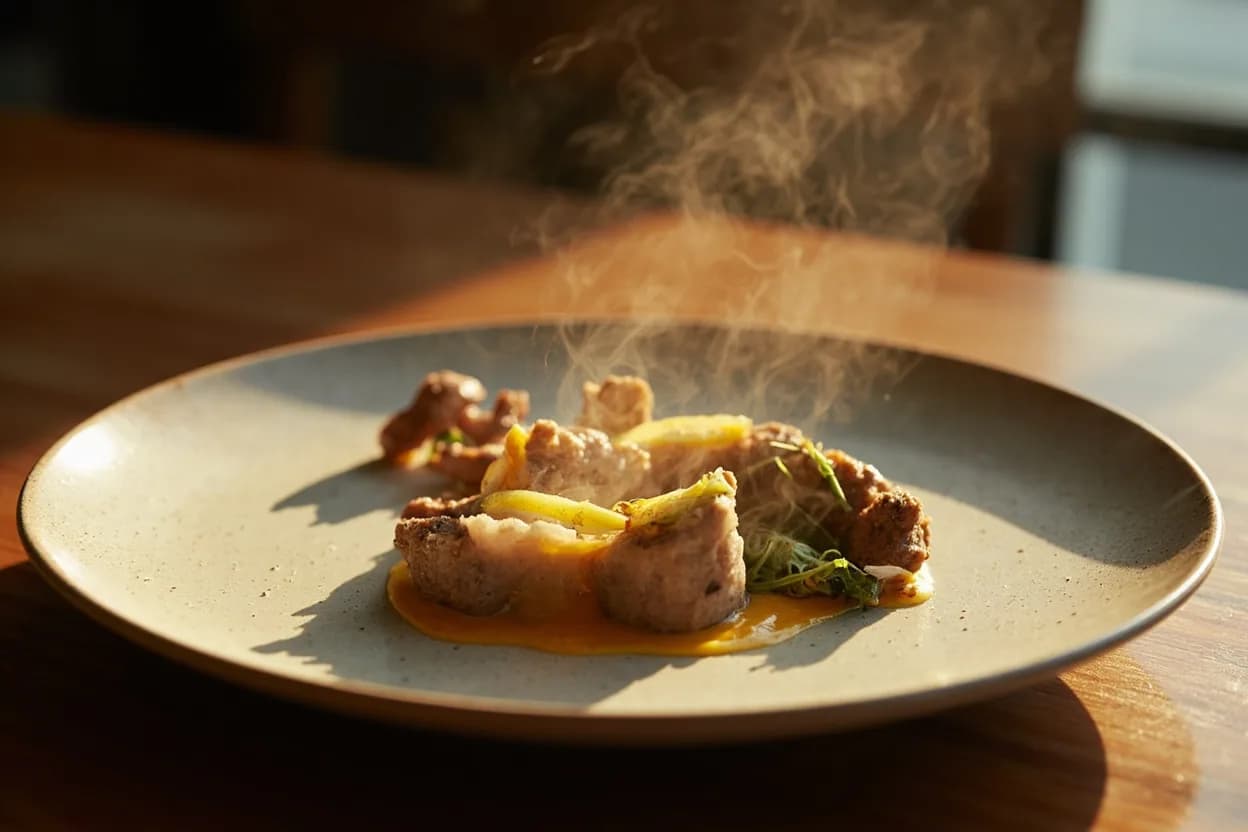
A sealed ceramic or porcelain inner pot nested inside an outer pot of water, often cooked for hours to make clear tonic soups such as si Shen (Four-Spirit) soup, bird's nest, or ginseng chicken.
A warm water bath used at service to keep finished sauces, gravies, or hollandaise at temperature without breaking the emulsion or overcooking.
The Spanish and Latin American form of the bain-marie, used especially for flan and dulce de leche, where the inner dish sits inside a roasting pan of water.
How to do it
- 1
Choose the vessels
Select a heavy-bottomed saucepan or pot and a heatproof bowl that fits snugly over it without touching the water. Stainless steel, ceramic, glass, or porcelain all work; the bowl must not seal against the pot, since steam needs to escape around the rim.
- 2
Fill and heat the outer pot
Pour 2–4 cm (about ¾ to 1½ inches) of water into the outer pot and bring it to a bare simmer over medium-low heat. The surface should steam gently but never roll or bubble vigorously.
- 3
Prepare the food in the inner bowl
Place your ingredients in the inner bowl. For sauces and custards, this means the finished base ready to cook. For Chinese tonic soups, fill the inner ceramic pot no more than two-thirds full — long simmering can push the liquid up, and you want headroom for the lid.
- 4
Nest and cover
Set the inner bowl over the simmering water; the water should reach about halfway up its sides. Cover the inner bowl with foil or a tight lid, especially for long Chinese-style cooks, so that moisture cannot escape and the broth stays clear.
- 5
Cook gently and monitor
Maintain the bare simmer. Whisk or stir sauces often so they heat evenly; leave custards undisturbed so they set in a single smooth mass. Top up the outer pot with hot water from a kettle as it evaporates — never let the level drop below the bottom of the inner bowl, and never add cold water, which will shock the food.
- 6
Finish and remove
Lift the inner bowl off the heat when the food is done. A custard should be just set with a slight jiggle at the center; a sauce should coat the back of a spoon; a tonic soup should be clear, glossy, and deeply flavored. Use a folded towel or tongs to handle the hot bowl, and wipe the outside dry before pouring or serving.
The two traditions: protection versus extraction
Although the bain-marie and the Chinese double-boil share identical physics — an inner pot heated indirectly by simmering water, with a lid to trap steam — they are tuned for very different jobs. French cooks reach for the bain-marie to defend: a hollandaise breaks above roughly 70 °C if it sees direct heat, and a custard base of milk, cream, and egg yolk curdles once it crosses about 82 °C. By capping the food at 90–95 °C, the bain-marie lets these fragile mixtures finish without ever reaching the danger zone.
Cantonese cooks reach for the double-boil to extract. Long, slow simmering in a sealed ceramic pot pulls gelatin from bones, mucilage from herbs like dendrobium (shí hú, 石斛) and Polygonatum (huáng jīng, 黄精), and collagen from skin and tendon — all without the violent agitation of a rolling boil that would emulsify fats and cloud the broth. The result is a soup that is clear, glossy, and almost wobbly when chilled. The same gentle heat that protects a French custard is what gives bird's nest and ginseng chicken their characteristic silken body.
- French bain-marie: short cooks, frequent stirring, lid off or loose to let moisture escape as steam.
- Chinese double-boil: long cooks (2–4 hours or more), inner pot covered tightly with foil or a lid, no stirring.
- Both rely on the same temperature ceiling, but the lid is the variable that swings the technique from sauce work to tonic soup.
Choosing the inner vessel
Material matters more than cooks often realize. The inner bowl is the only place heat is delivered, and different materials respond differently.
- Stainless steel: heats quickly and evenly; ideal when you need to whisk actively, as for beurre blanc, hollandaise, or chocolate ganache.
- Heatproof glass (Pyrex): lets you watch custards and caramel as they darken, but conducts heat slightly less efficiently than metal.
- Ceramic or porcelain: heats slowly and holds temperature steadily, making it the right choice for long, undisturbed Chinese double-boils.
- Copper: the traditional French choice for sugar work and sabayon because of its rapid, even response — but it must be tinned or lined if it will contact eggs or acidic foods.
Common uses
Tips & pitfalls
- Keep the water at a bare simmer — a vigorous boil in the outer pot will push the inner vessel past 95 °C and curdle custards, break emulsions, or scorch chocolate.
- Never let the outer pot boil dry. Refill with hot water from a kettle, not cold from the tap, so you don't drop the cooking temperature or shock delicate foods.
- Don't confuse double-boiling with steaming: in double-boiling the food sits in its own vessel, not in direct contact with the steam. Steaming runs hotter and dries the surface; double-boiling bathes the food in a capped, humid environment.
- Stir frequently when making sauces, but leave custards and Chinese soups completely undisturbed — every stir or jiggle interrupts the gentle setting of proteins or the slow extraction of gelatin.
- For Chinese herbal soups, cover the inner pot tightly with foil before putting the lid on. This seals in steam, keeps aromatics from escaping, and ensures the broth comes out clear rather than greasy.
- Watch for hot spots: a flame licking up one side of the pot, a cold surface beneath the bowl, or a draft from a vent can create uneven heating. Use a heavy-bottomed pot on a diffuser if your burner runs hot.
- A dedicated double boiler is convenient but not necessary. A heatproof mixing bowl nested over a saucepan works just as well — and is easier to lift off the heat quickly when a custard is nearly set.
- Modern electric pressure cookers with a 'double-boil' or 'yogurt' mode can mimic the gentle 90 °C environment, but purists note the broth from a true ceramic-on-water double-boil has a clearer, more rounded body.
Good to know
- Also known as
- Bain-marie (French); shuang guo 双锅 or ge shui dun 隔水炖 (Chinese); baño María (Spanish); water-bath cooking
- Heat range
- Approximately 80–95 °C (175–205 °F) at the food surface; the water in the outer pot should never reach a full rolling boil
- Origin
- Named for Mary the Jewess, a 3rd-century Alexandrian alchemist; the technique was independently developed in Chinese imperial kitchens for medicinal and tonic cookery
- Cuisine traditions
- French pâtisserie and sauce work; Cantonese herbal soups and tonic broths; classical custards and terrines worldwide
- Equipment
- Two nested vessels — a saucepan and a heatproof bowl — or a dedicated double boiler; oven-safe glass, ceramic, or porcelain for baked versions
- Water level
- Simmering water should reach roughly halfway up the sides of the inner bowl, high enough to conduct heat, low enough that splashing cannot reach the food
- Typical cook time
- 20–45 minutes for sauces and custards; 2–4 hours (sometimes longer) for Chinese herbal soups and bone broths
- Difficulty
- Easy to set up, but requires steady attention to water level and heat control — the difference between silky and scrambled often comes down to a single degree
Also called
Bain-Marie · Water Bath
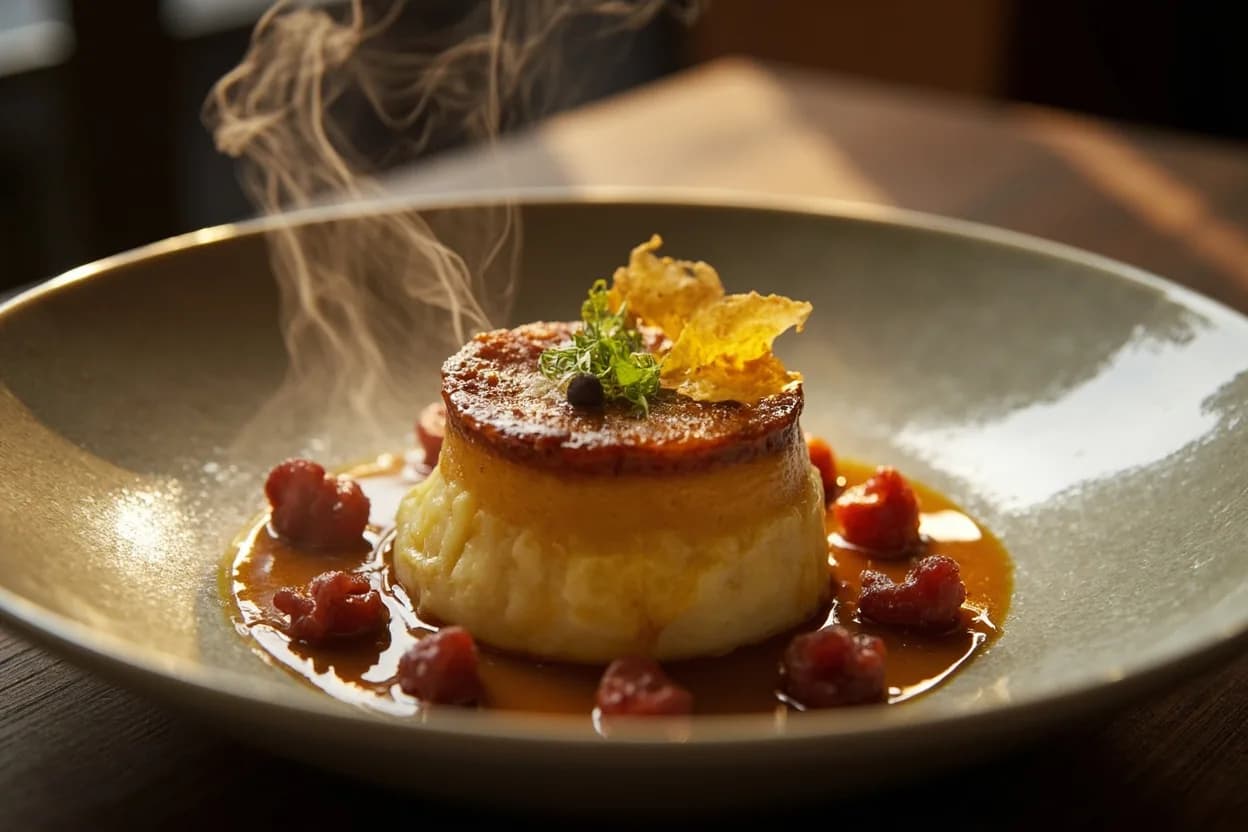
Dishes that rely on it
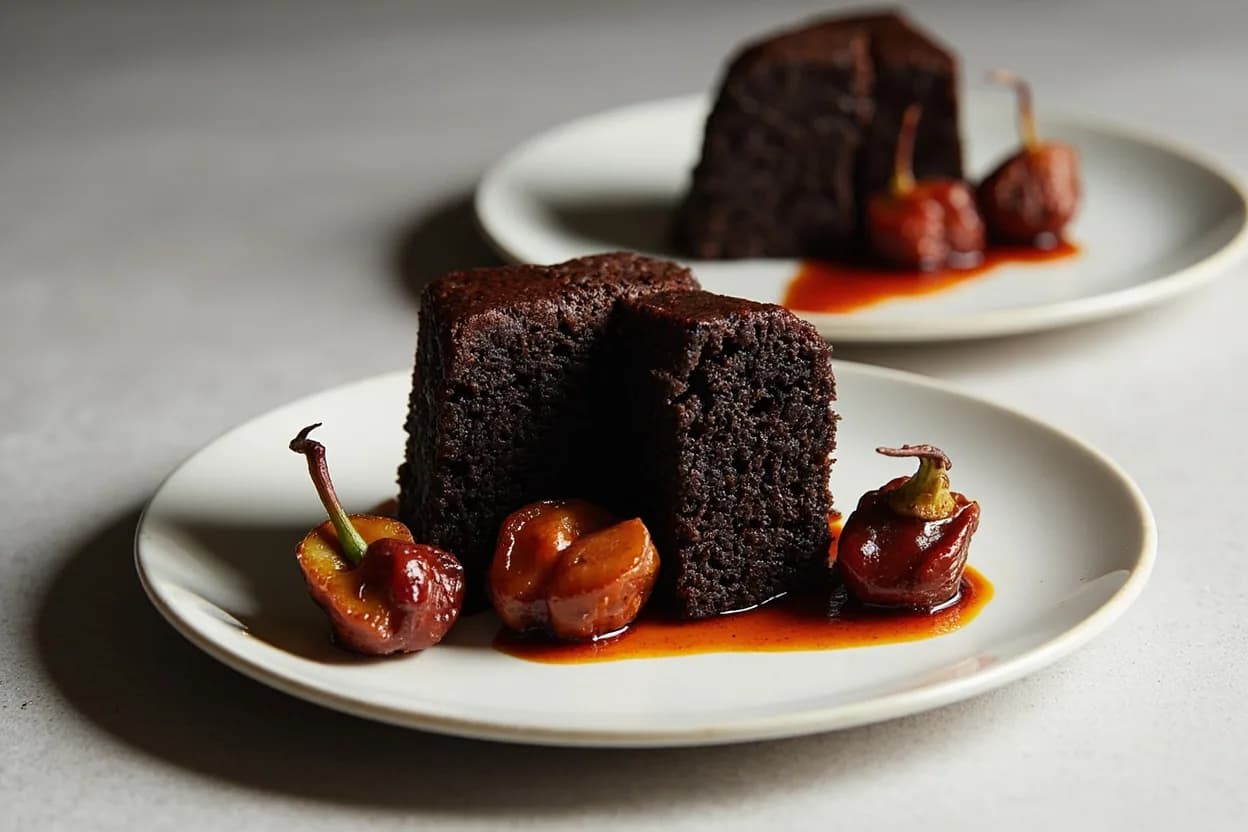
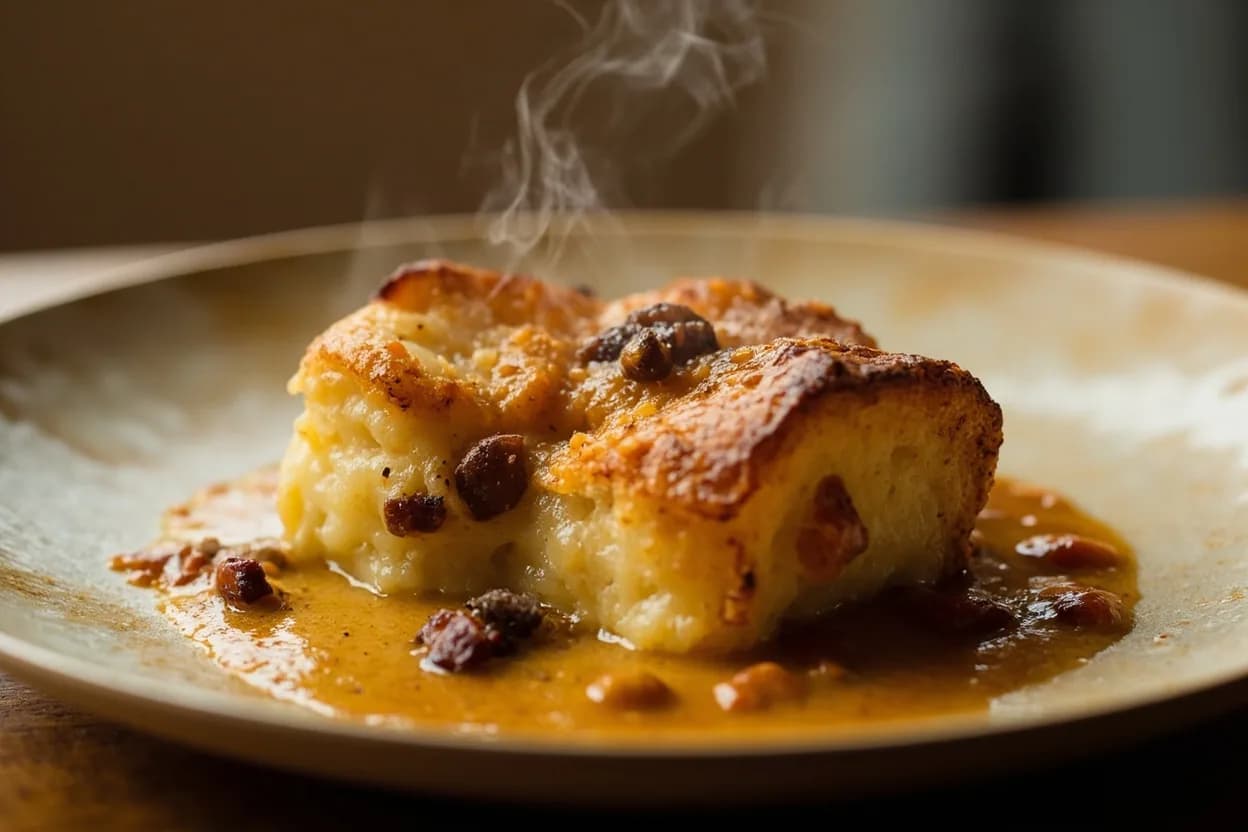
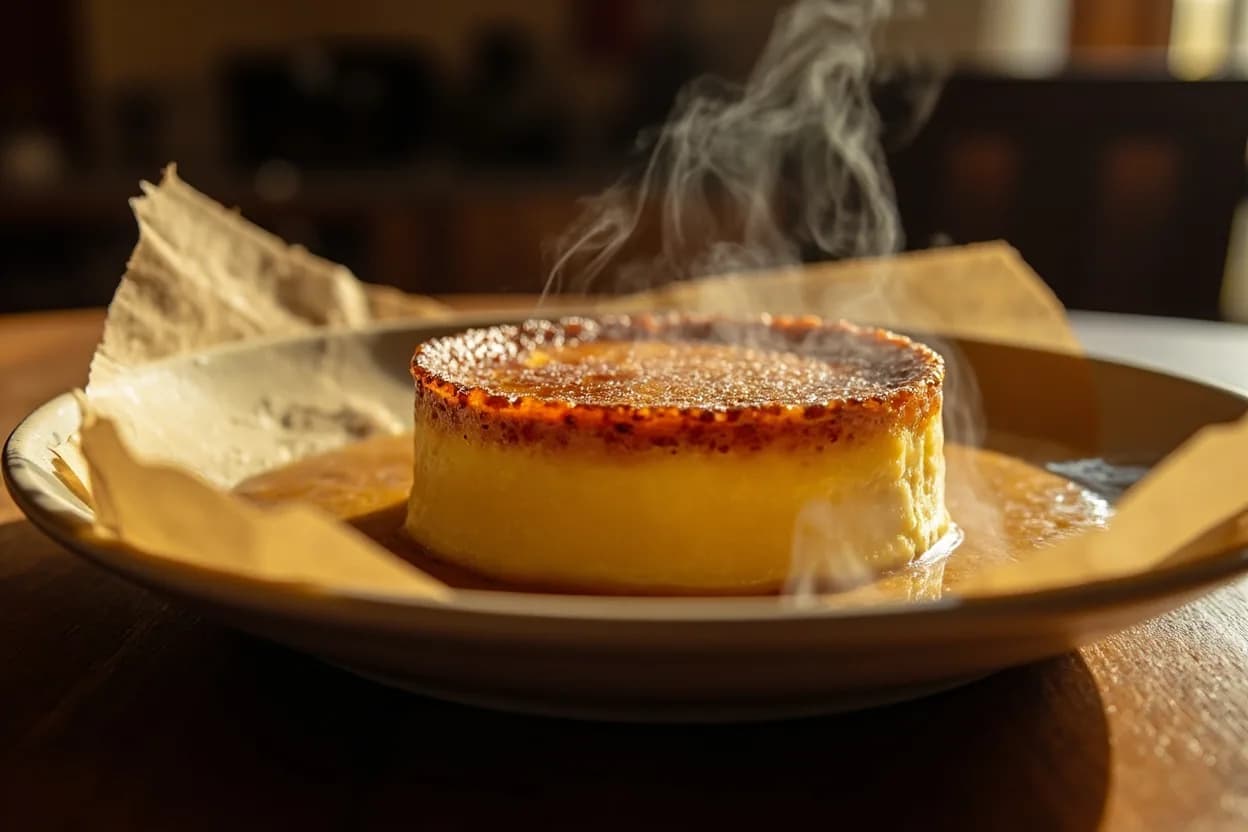
Related

Boil
Cook in vigorously bubbling liquid at full rolling heat

Simmer
Hold liquid at a gentle shimmer for tender, unhurried cooking

Poach
Cook gently in barely-trembling liquid for silky, tender results

Steam
Cook in rising vapor to keep color, nutrients, and shape intact

Blanch
Plunge briefly in boiling water, then shock cold to lock color

Braise
Sear, then cook slow in a little liquid until fall-apart tender

Stew
Simmer bite-sized pieces fully submerged into a rich, unified pot

Sous-Vide
Seal and cook in precise warm water for edge-to-edge doneness