Prep & Assembly
Thickening
Giving body to sauces and soups with starches, seeds, cream, bread, or okra.
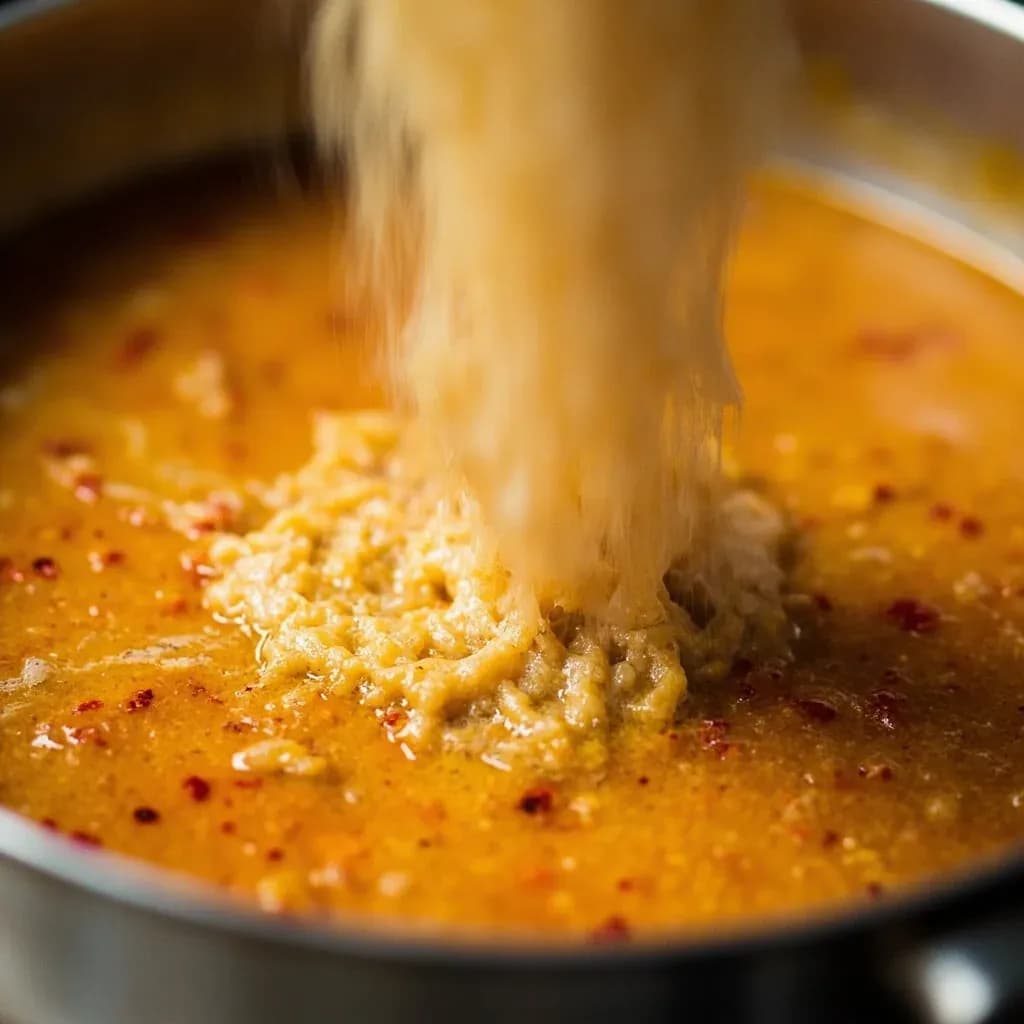
Thickening builds body and viscosity in a liquid using agents like a starch slurry, ground seeds, okra, cream, soured cream, or bread. The right thickener depends on the dish: a cornstarch slurry (the Chinese gou qian) gives a glossy finish, while bread or seeds add rustic texture and flavor. Adding starch slurries off a hard boil and stirring constantly prevents lumps and gumminess.
Thickening is the controlled increase of a liquid's viscosity so it coats food, holds its shape on a spoon, or suspends solid ingredients without weeping or breaking. Behind every glossy pan sauce, velvety soup, and sliceable terrine lies one or more of five physical mechanisms: starch gelatinization (the swelling and bursting of starch granules between 60 and 80°C), protein coagulation (yolks, blood, and dairy proteins setting as they heat), reduction (water leaving the pan as steam), emulsification (fat dispersed into droplets that thicken the continuous phase, as in monter au beurre), and mucilage (the soluble fiber released by okra, filé, and similar plants). A cook who understands which mechanism is at work can predict how a sauce will behave under heat, acid, time, and freezing.
The choice of method is rarely a matter of preference alone. Long-simmered dishes like béchamel, espagnole, and gumbo need a cooked starch to survive in the pot; quick finishes like stir-fry gravies and fruit coulis want a slurry added at the last moment so the sauce stays glossy and clear. Acid (wine, tomato, lemon), sugar, and salt all weaken or slow starch-thickened sauces, while dairy fat and butter can rescue a thin or broken one. Working through thickeners is also regional signature: the dark Cajun roux of Louisiana, the okra-bound gumbos of West Africa and the Caribbean, the bread-thickened gazpacho of Andalusia, the blood-bound civets of French game cookery, and the potato-starch gloss of a Cantonese stir-fry sauce are all answers to the same question asked in different kitchens.
Done well, thickening is invisible: the sauce is no thicker than the dish demands, no thinner than it needs to be. Done poorly, it announces itself as lumps, gloss, gumminess, or a sauce that thins on the plate. The skills below — choosing the right thickener, dispersing starch in cold liquid, simmering long enough to cook out raw cereal flavor, and finishing with butter or cream — are what separate a sauce you can serve from one you have to fix.
- Difficulty
- Easy
Types & varieties
Cooked paste of equal parts fat (butter, oil, lard, or bacon fat) and flour; the backbone of the classical French mother sauces. Color stages run from white (2–3 min) to blond, medium, and dark brown (15–20 min for gumbo); longer cooking weakens thickening but deepens flavor.
Kneaded paste of soft butter and flour in equal parts, whisked into a hot liquid at the end of cooking to thicken and add shine. No pre-cooking required.
Starch (cornflour, arrowroot, potato starch, or rice flour) whisked into a cold liquid and stirred into a simmering base. Fast, clear, and easily reversible with more liquid.
Pure starch with roughly twice the thickening power of wheat flour; gives a glossy finish but breaks down under prolonged heat and acid, and clouds transparent liquids.
Neutral-flavor starch yielding a clear, glossy gel; ideal for fruit sauces and Asian stir-fry gravies. Do not boil; add off heat or at the very end.
Produces a clear, slightly chewy thicken; tolerates freezing well and is the classic choice for glossy fruit pie fillings.
High-viscosity starch popular in Japanese and Chinese cookery; breaks down and thins faster than cornflour when held at heat, so it should be added near the end of cooking.
Egg yolks (sometimes blended with cream) tempered into a hot sauce to thicken and enrich; the basis of allemande, sabayon, and many cream sauces.
Concentrating a liquid by simmering uncovered so water evaporates; simultaneously intensifies flavor and increases viscosity without adding starch.
Coagulating proteins in fresh blood (pig, goose, duck) thicken and enrich coq au vin, civet, and boudin noir; must be added off the boil to avoid curdling.
Soaked or blended bread that adds body via starch and gluten; used in gazpacho, ribollita, panade-bound terrines, and Italian bread-thickened pasta sauces.
Mucilaginous pods (okra) and ground dried sassafras leaves (filé) release soluble fiber that thickens gumbos and Caribbean callaloo; high heat and acid reduce the effect.
Naturally starchy vegetables (potato, squash, white beans, lentils) blended into a soup give body without added thickeners.
Cold whole butter swirled off the heat into a sauce to emulsify, thicken, and add shine; finishes bordelaise, pan sauces, and beurre blanc.
Modern setting agents used for chaud-froid coatings, terrines, and aspics; gelatin softens around 35°C, agar gels near 40°C and tolerates boiling.
How to do it
- 1
Choose the right thickener for the dish
Match the method to the final texture and cooking time. Use a roux for long-simmered sauces that need body and flavor, a cornflour or arrowroot slurry for quick glossy finishes, a liaison for enrichment, reduction for sauces built on flavorful stock, and bread, potato, or okra for regional and rustic dishes.
- 2
Measure the liquid and the thickener
Roughly 30 g (¼ cup) flour or 15–20 g (2 tbsp) cornflour thickens 500 ml (2 cups) liquid to a light sauce. For a slurry, mix the starch with at least twice its volume of cold water, stock, or wine so it disperses without clumping.
- 3
Build the base
Bring the liquid to a gentle, even simmer. If using a roux, melt the fat over medium heat, add the flour, and cook to the desired color (white for béchamel and velouté, brown for gumbo and espagnole) while whisking constantly to avoid scorching.
- 4
Whisk in the thickener gradually
For a roux, add the warm liquid a ladle at a time, whisking smooth between additions, then add the rest. For a slurry, pour it in a thin stream while whisking the simmering base. For a liaison, temper the yolks with a ladle of hot liquid first, then stir the mixture back into the pan off the boil.
- 5
Simmer to set and develop flavor
Return the sauce to a low simmer and hold it there for 2–10 minutes, whisking often. Flour needs time to cook out its raw cereal taste; cornflour and arrowroot set almost immediately and only need a brief return to the heat.
- 6
Check consistency and adjust
Dip a spoon: a properly thickened sauce coats the back and holds a clean line drawn through it with a finger. If too thin, simmer to reduce further or whisk in a little more slurry. If too thick, loosen with small amounts of the same stock, milk, wine, or cream used in the base.
- 7
Finish and strain
Off the heat, whisk in cold butter for shine (monter au beurre), add herbs, acid, or seasonings to taste, and strain through a fine-mesh sieve for a glossy, lump-free sauce. Serve immediately or hold in a bain-marie.
Regional signatures
Most thickening traditions are place-bound, and a cook who learns the regional pairings can read a recipe at a glance. Louisiana gumbo often stacks three methods — a dark roux for body, okra for silk, and filé powder whisked in off the heat for the final gloss. Andalusian gazpacho and Tuscan ribollita thicken with stale bread soaked in the cooking liquid; the same technique binds French panades and Italian polpette. Chinese Cantonese stir-fry sauces rely on a potato-starch slurry for the bright, glassy cling that holds to noodles and vegetables. French game cookery reaches for fresh blood at the end of cooking for civets and coq au vin; Indian kitchens lean on ground lentils, yogurt, and puréed onion for body in many curries. Recognizing these patterns is faster than memorizing ratios, because the technique is already built into the dish.
- Cajun/Creole gumbo: dark roux + okra + filé powder, layered.
- Andalusian gazpacho and Tuscan ribollita: stale bread soaked in the cooking liquid.
- Cantonese stir-fry sauces: potato-starch slurry added at the end for glossy cling.
- French game cookery: fresh blood whisked in off the boil for civet and coq au vin.
- Indian curries: ground lentils, yogurt, and puréed onion for body in many preparations.
Reading the dish: choosing a method
Before reaching for a thickener, look at how long the dish cooks, whether the liquid needs to stay clear, what acid is in the pot, and how the sauce will be reheated or frozen.
- Long simmer (more than 20 min): roux or reduction; slurries and liaisons break down.
- Quick finish (under 5 min): slurry, beurre manié, or monter au beurre.
- Clear or glossy result desired: arrowroot, tapioca, or gelatin — not flour or cornflour, which cloud the liquid.
- Heavy acid (tomato, wine, citrus): expect to use more thickener, or finish with butter/cream.
- Will be frozen: build the sauce thinner and re-thicken on reheating.
Common uses
Tips & pitfalls
- Always disperse starches in cold liquid before adding to a hot pan; dropping dry flour or cornflour into simmering liquid is the single most common cause of lumps.
- Cook flour-thickened sauces at a gentle simmer for at least 5–10 minutes to dispel the raw cereal taste; cornflour-thickened sauces need only 1–2 minutes.
- Never boil a sauce thickened with arrowroot or an egg-yolk liaison — arrowroot loses viscosity and yolks scramble.
- Acid (wine, tomato, lemon) weakens starch-thickened sauces; compensate with extra thickener or finish with butter or cream for body.
- Thicken in stages: it is far easier to add more thickener than to dilute an over-thickened sauce.
- When making a dark roux, use a heavy pan over moderate heat and stir almost constantly; it can scorch in seconds and turn acrid.
- Temper egg yolks by whisking a ladle of the hot liquid into them gradually before returning the mixture to the pan; never add cold yolks directly to a boiling sauce.
- For transparent sauces (consommé, fruit coulis), use arrowroot or tapioca rather than flour or cornflour, which cloud the liquid.
Good to know
- Core mechanisms
- Starch gelatinization, protein coagulation, reduction, emulsification of fat, and mucilaginous plant fibers.
- Starch gelatinization range
- Most starches gel between 60–80°C (140–175°F); cornflour is the fastest-acting common starch.
- Roux ratio
- Classical proportion is equal parts fat and flour by weight; 30 g butter + 30 g flour thickens roughly 500 ml (2 cups) liquid to a light sauce.
- Cornflour ratio
- About 1 tbsp (8 g) cornflour per 250 ml (1 cup) liquid for a medium-bodied sauce; disperse in twice its volume of cold liquid first.
- Egg yolk limit
- Yolks coagulate and curdle above ~75–80°C (170–175°F); liaisons must be tempered and held just below a simmer.
- Roux cooking penalty
- A roux loses roughly 10–15% of its thickening power for every 5–10 minutes it cooks past the blond stage; dark roux needs more flour per litre to set the same way.
- Acid effect
- Wine, tomato, and lemon weaken starch-thickened sauces; compensate with extra thickener or finish with butter or cream for body.
- Freezing
- Starch-thickened sauces thin after freezing as starches retrograde; freeze the base thinner and finish with a fresh slurry on reheating.
Also called
Sauce Thickening · Slurry Thickening · Binding
Dishes that rely on it
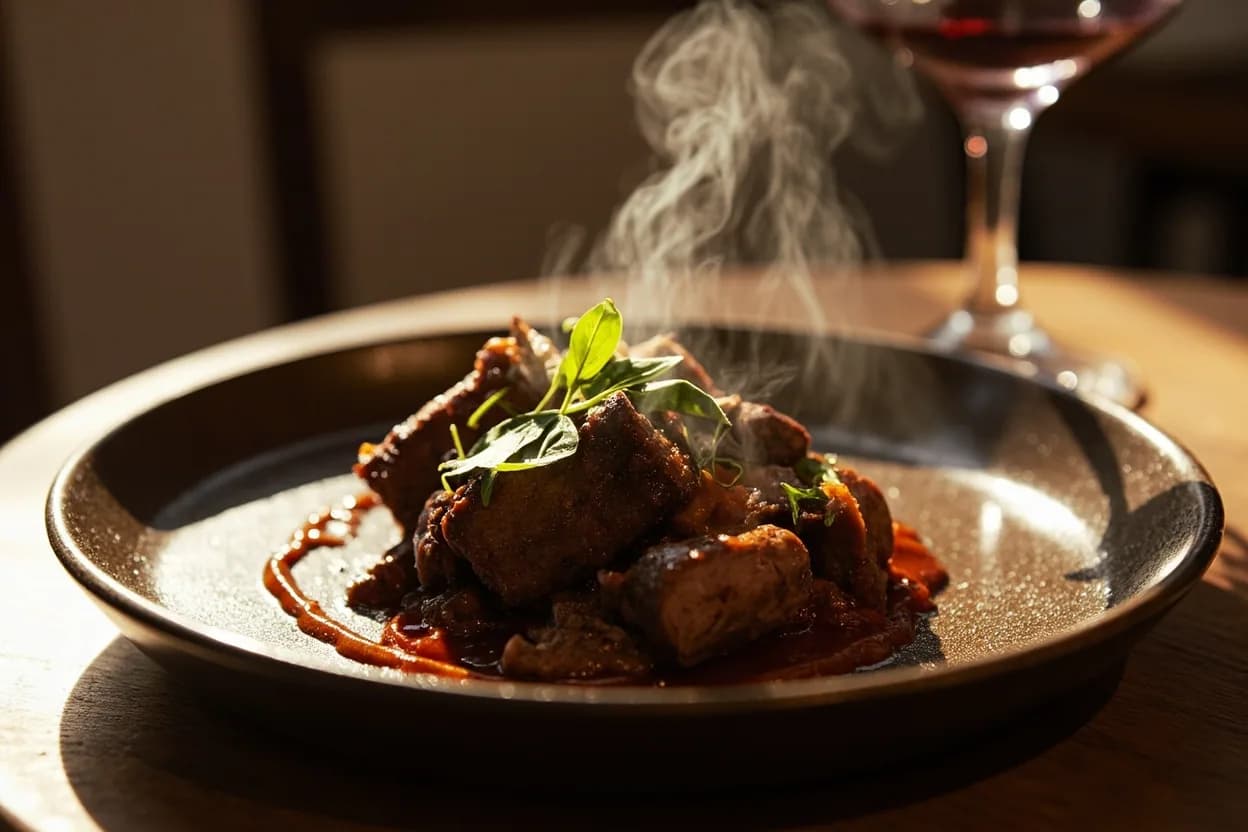
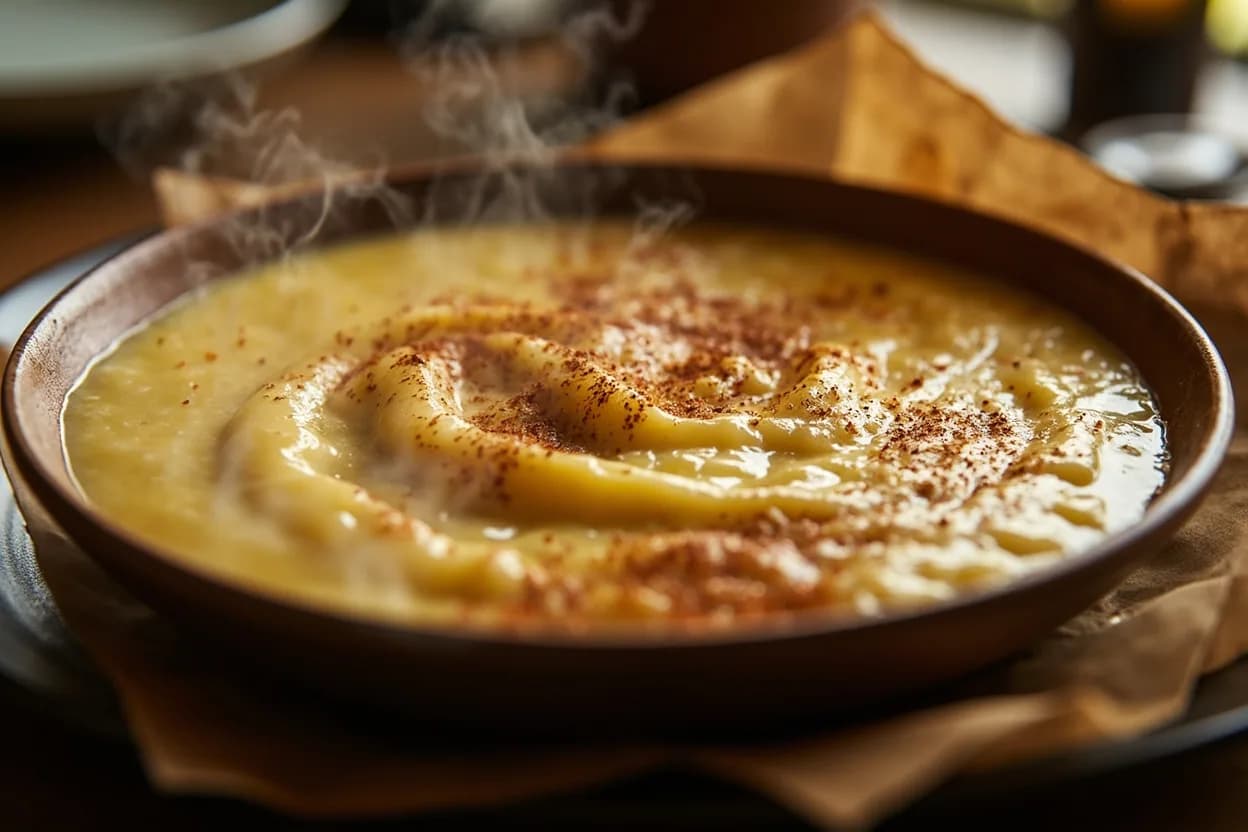
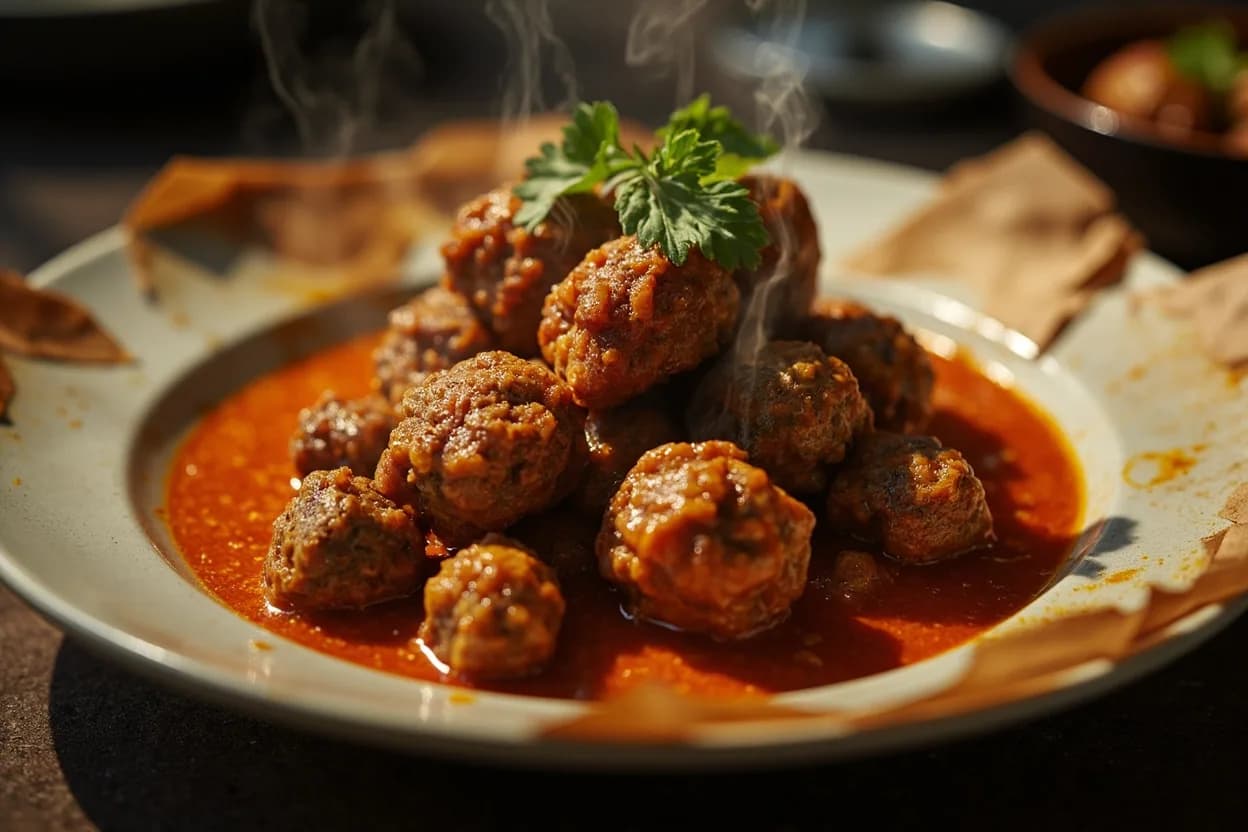
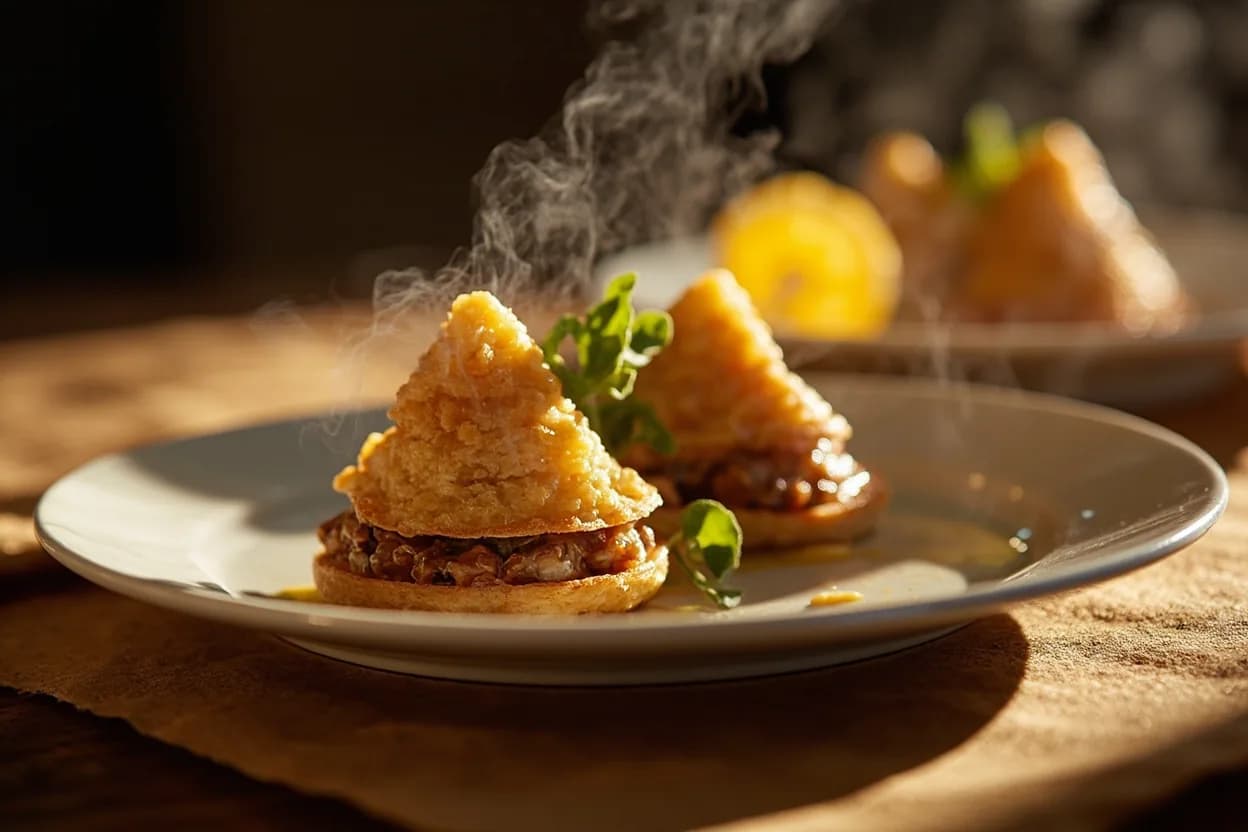
Related

Whisk
Beat ingredients smooth and aerated with a looping wire motion

Sift
Pass dry ingredients through mesh to aerate and remove lumps

Strain
Pour through mesh to separate solids from liquid for a smooth result

Filter
Pass liquid through fine material to clarify out the smallest particles

Rice
Press cooked potatoes through small holes for fluffy, lump-free texture

Mash
Crush soft cooked food into a rustic, creamy purée

Grind
Crush food into a coarse to fine texture, from spices to meat

Grate
Shred food into fine bits against a sharp-toothed surface