
Transform & Preserve
Roux
Cook flour and fat into a paste that thickens sauces and gumbos
A roux cooks equal parts flour and fat together into a paste that thickens sauces from béchamel to gumbo, its color ranging from pale to deep brown by how long you cook it. The darker it goes, the nuttier the flavor but the weaker the thickening. Stir constantly so it never scorches.
A roux is the workhorse thickener of Western cooking: equal parts flour and fat cooked together into a paste that goes on to thicken sauces, soups, and gravies. Cooking the flour first does two things — it eliminates the raw, pasty taste, and it gives flavor and color that deepen the longer you cook. A white roux thickens a béchamel; a blond roux a velouté; a long-cooked brown or chocolate roux flavors gumbo and étouffée. But there's a trade-off baked in: the darker (and tastier) the roux, the less thickening power it has, because heat breaks down the starch.
- Difficulty
- Intermediate
Types & varieties
Cooked just until the raw flour smell goes; for béchamel and pale sauces.
Cooked to light golden with a faint nutty aroma; for velouté and gravies.
Cooked to peanut-butter color for deeper flavor and weaker thickening.
Cooked long to deep brown for Cajun gumbo — maximum flavor, minimum thickening.
How to do it
- 1
Melt the fat
Warm equal parts butter, oil, or other fat in a heavy pan over medium heat.
- 2
Whisk in the flour
Add the flour all at once and whisk into a smooth paste with no dry pockets.
- 3
Cook to color
Stir continuously as the roux cooks, taking it from white through blond to brown depending on what you need.
- 4
Smell and watch
A finished roux smells toasty, not raw; the color is your main guide to flavor and strength.
- 5
Add liquid gradually
Whisk in liquid slowly — managing the temperature difference — to build a smooth sauce without lumps.
- 6
Simmer to thicken
Let the sauce simmer gently, whisking, until it reaches the body you want.
The science of color vs. power
Roux thickens because flour starch granules swell and gel when hydrated and heated, trapping liquid. But the same prolonged cooking that develops a dark roux's nutty, complex flavor also breaks those starch molecules down, so a dark roux thickens far less than a white one. That's the classic trade-off: cook for flavor (dark) and you sacrifice thickening; cook for thickening (white) and you get little flavor of its own.
Avoiding lumps
Lumps form when hot roux meets hot liquid too fast and the starch clumps before dispersing.
- Pair temperatures: hot roux into cold or cool liquid, or cool roux into hot liquid.
- Add the liquid gradually, whisking smooth before each addition.
- Whisk constantly as the sauce comes up to a simmer.
- Strain out any stray lumps if they slip through.
Common uses
Tips & pitfalls
- Cook white roux only until it loses the raw-flour smell.
- Stir dark roux without stopping — it can scorch and turn bitter in seconds.
- Manage the temperature gap between roux and liquid to prevent lumps.
- Make and refrigerate roux ahead; it keeps well.
- A dark roux needs more of it to thicken the same amount of liquid.
Good to know
- Ratio
- Equal parts flour and fat by weight
- Colors
- White, blond, brown, and dark/chocolate — by cooking time
- Thickening power
- Drops as the roux darkens; brown roux thickens far less than white
- Liquid temp
- Whisk hot roux into cold liquid (or cold roux into hot) to avoid lumps
- Stir constantly
- Especially for dark roux, which scorches in an instant
Also called
flour-and-butter thickener
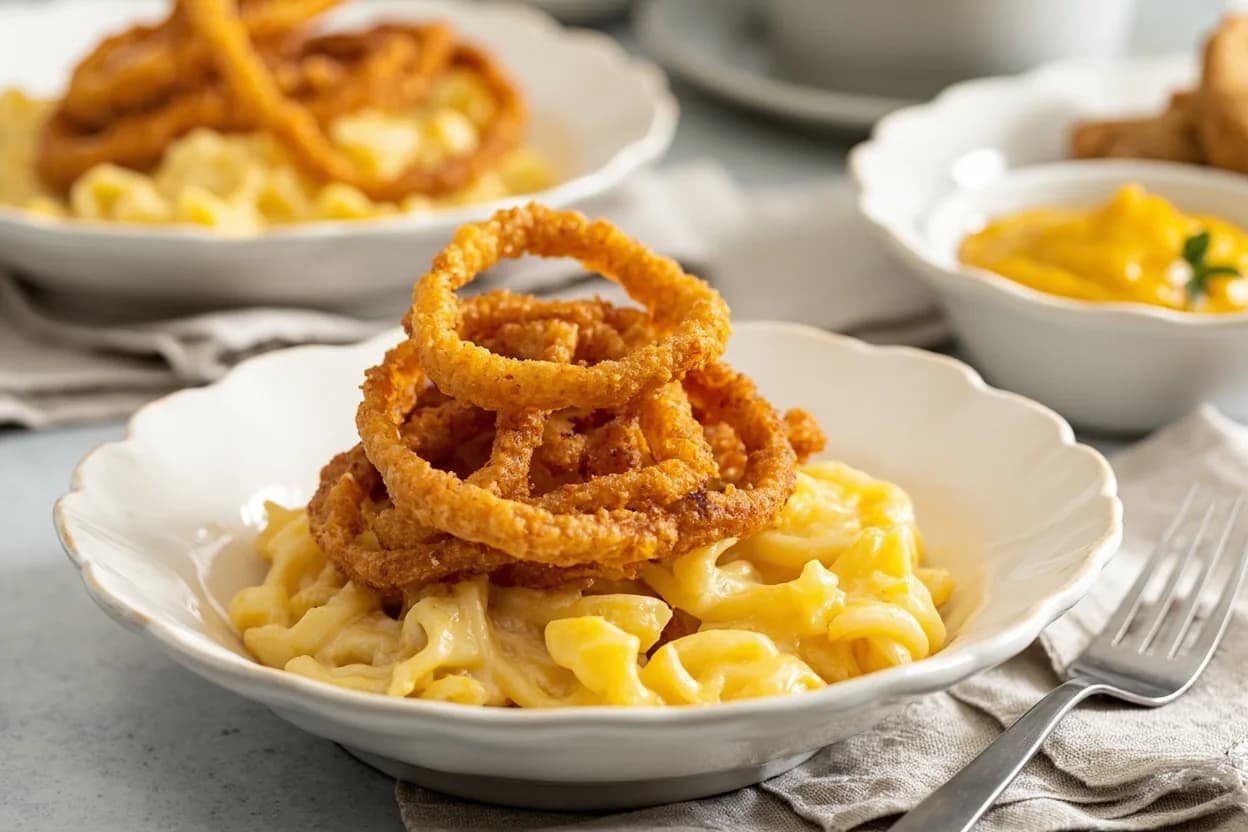
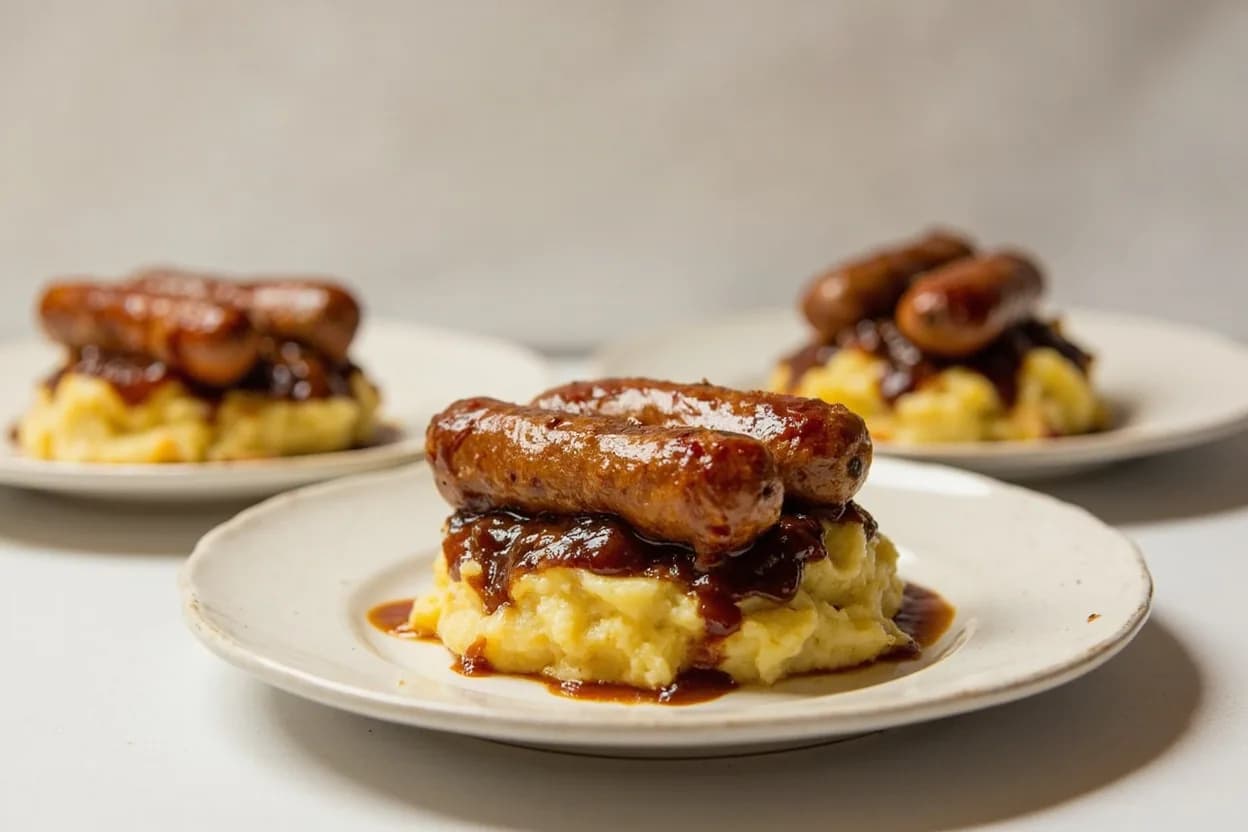
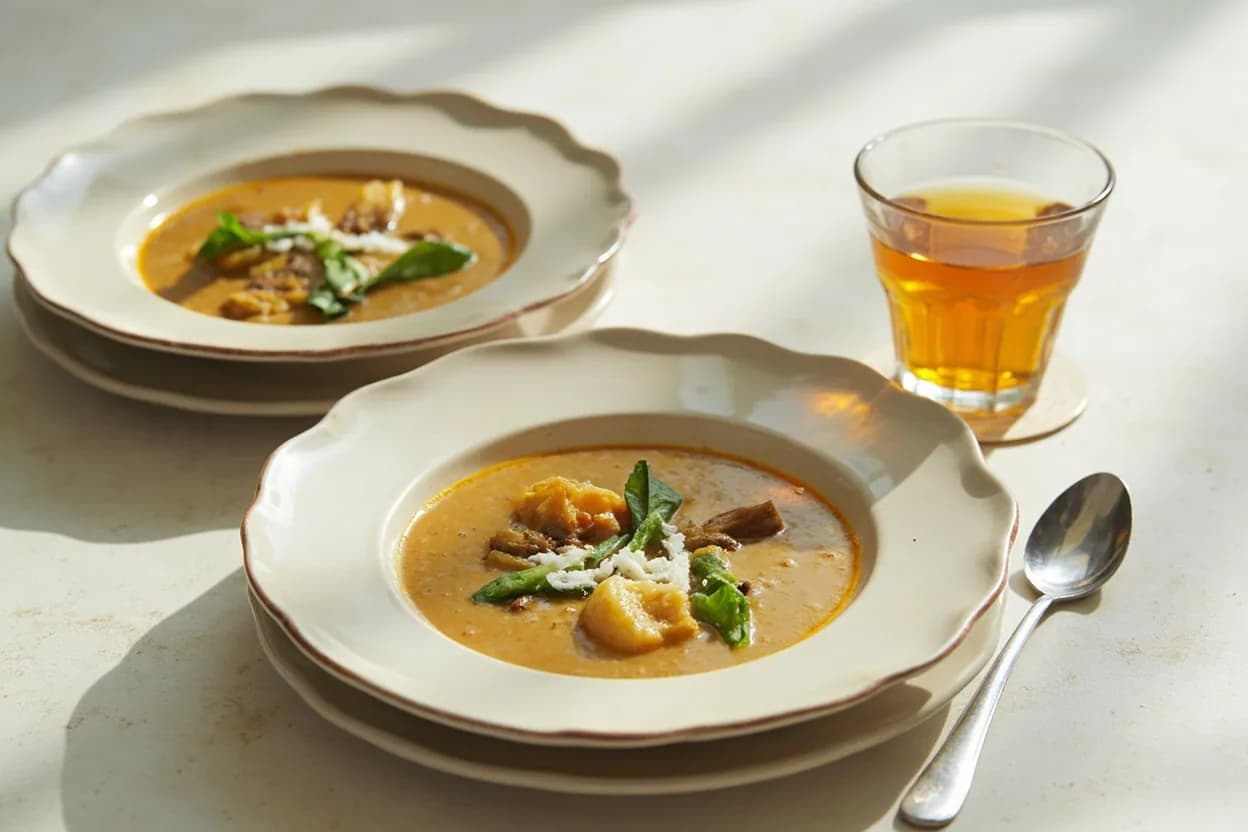
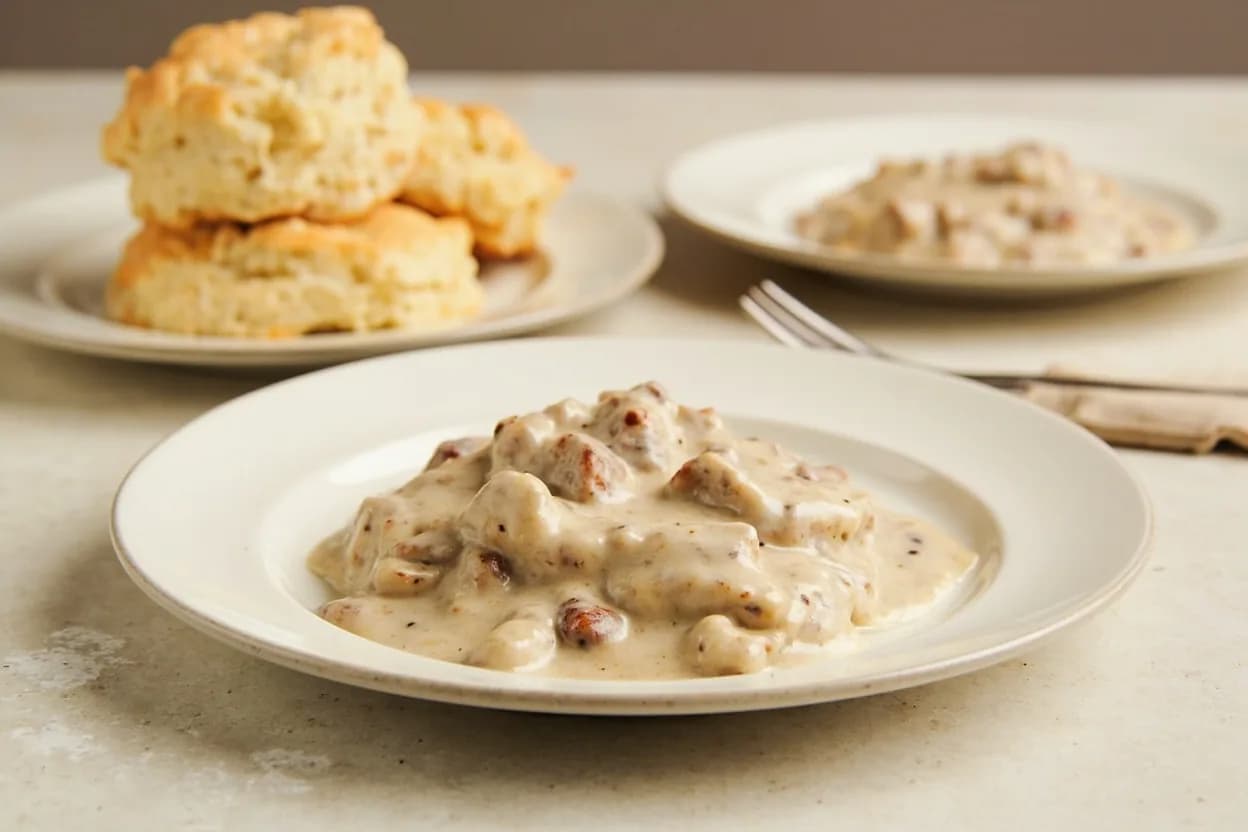
Dishes that rely on it
Related

Confit
Cook slowly submerged in fat for silky tenderness and keeping

Cure
Draw out moisture with salt and time to preserve and concentrate

Pickle
Steep in acidic brine for bright, tangy, crunchy preservation

Ferment
Let friendly microbes transform food into tangy, complex flavor

Marinate
Soak in a seasoned mix to flavor and tenderize before cooking

Brine
Soak in salt water so meat stays juicy and seasoned throughout

Dehydrate
Slowly dry out moisture to concentrate flavor and extend shelf life

Cold-Smoke
Perfume cured food with smoke without cooking it through