
Heat & Fire
Tadka
Sizzle whole spices in hot fat and pour over to finish a dish
Tadka — also called tempering — blooms whole spices, garlic, and chiles in hot ghee or oil, then pours the sizzling, fragrant fat over a finished dal or curry. It crowns the dish with a final burst of aroma. Have the spices ready; they go from fragrant to burnt in seconds.
Tadka — the same act of blooming spices in hot fat goes by many regional names: tadka or chaunk in the north, baghar in Hyderabad, phoron in Bengal, vaghar in Gujarat, thalippu in Tamil kitchens — blooms whole spices, garlic, chiles, and curry leaves in hot ghee or oil, then pours the sizzling, fragrant fat over a finished dish to crown it with a final burst of aroma. It's a cornerstone of Indian cooking, the step that transforms a plain dal or a pot of yogurt into something perfumed and alive. The science is simple and the timing brutal: hot fat releases the fat-soluble aromas locked in spices in seconds — and burns them just as fast — so everything must be measured and within reach before the seeds hit the oil.
- Difficulty
- Intermediate
Types & varieties
Poured over an already-cooked dish at the very end for a final aromatic crown.
Bloomed at the beginning as the foundation a dish is then built on.
South Indian mustard-seed-and-curry-leaf vs. North Indian cumin-and-chile temperings.
How to do it
- 1
Measure everything first
Have all the spices, garlic, chiles, and curry leaves ready beside the pan — there's no time to fetch once it starts.
- 2
Heat the fat properly
For ghee or a neutral oil, just heat until it shimmers — never to smoking. Mustard oil (and only mustard oil) is the exception: it's traditionally heated to smoking, then cooled slightly to mellow its raw sharpness. Heating any oil to its smoke point sets off smoke and can ignite, so ventilate and don't take other fats there.
- 3
Add spices in order
Drop in whole spices that need longest first (mustard, cumin); add curry leaves, garlic, and chiles last as they burn fast.
- 4
Listen and watch
Mustard seeds pop, cumin darkens and smells nutty, curry leaves crackle — pull the instant they're fragrant, before they blacken.
- 5
Pour over and cover
Tip the sizzling tadka over the finished dish and cover briefly to trap the aroma, then stir through.
Why hot fat unlocks spice
Most of a spice's aroma lives in fat-soluble (lipophilic) compounds — essential oils that water can't pull out but hot fat dissolves instantly. Blooming whole spices in hot ghee or oil releases and intensifies those compounds, then disperses them through the fat so they coat and perfume the whole dish. It's also why a tadka is poured over at the end: the fragrant fat carries volatile aromas that would simply boil away if stirred into a watery dal early. The flip side is that the same heat that frees the aroma destroys it seconds later, scorching the delicate oils into acrid bitterness — which is why tempering is measured in seconds and done with everything prepped.
Common uses
Tips & pitfalls
- Keep every ingredient prepped and within reach — tadka happens in seconds.
- Add things in order of how fast they burn: seeds first, leaves and garlic last.
- If a spice darkens too fast, pull the pan off the heat immediately — carryover keeps cooking it.
- Heat mustard oil to smoking, then cool a moment, to tame its raw pungency.
Good to know
- Heat level
- Hot fat, around 175–190°C / 350–375°F
- Best for
- Finishing dals, curries, yogurt, vegetables, rice
- Equipment
- Small pan or dedicated tadka ladle
- Fat needed
- Ghee, oil, or mustard oil — the carrier of the aroma
- Time
- Under a minute
Also called
tarka · chhonk · tempering
Dishes that rely on it
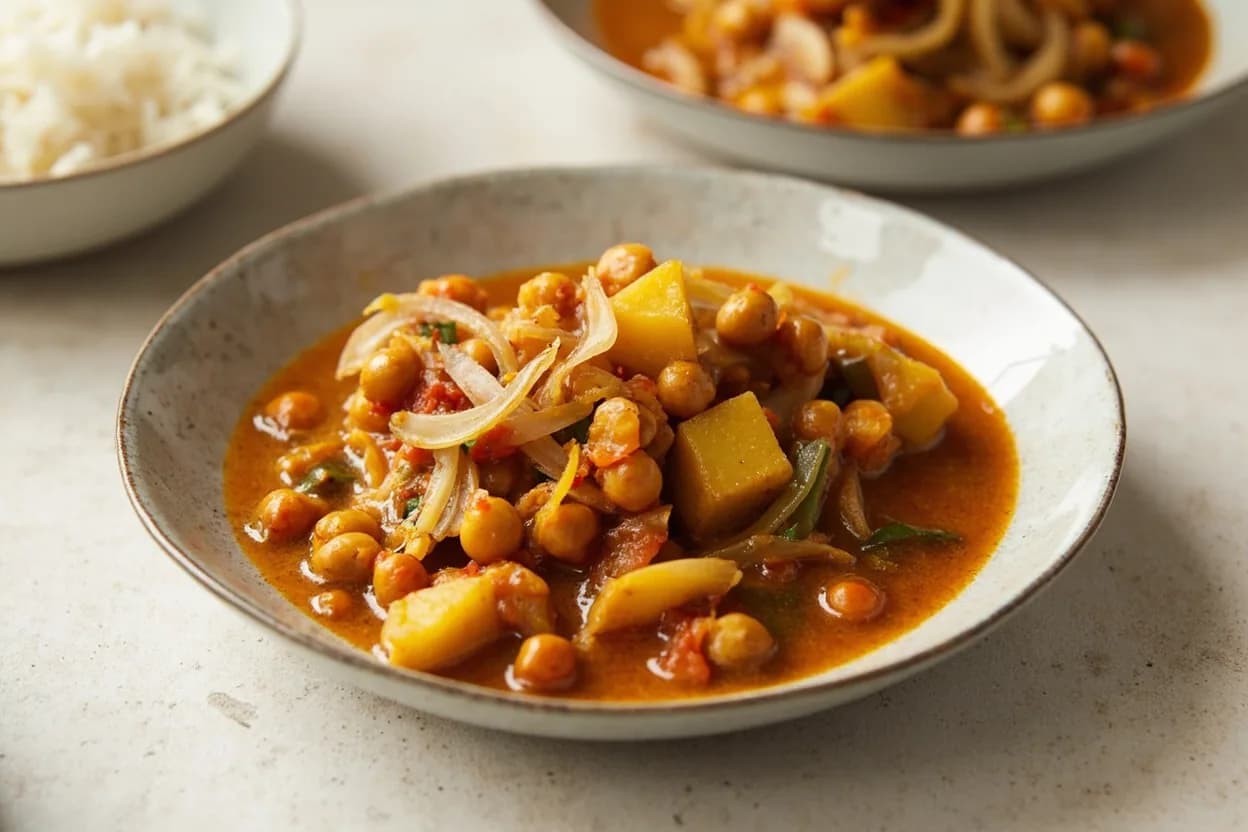
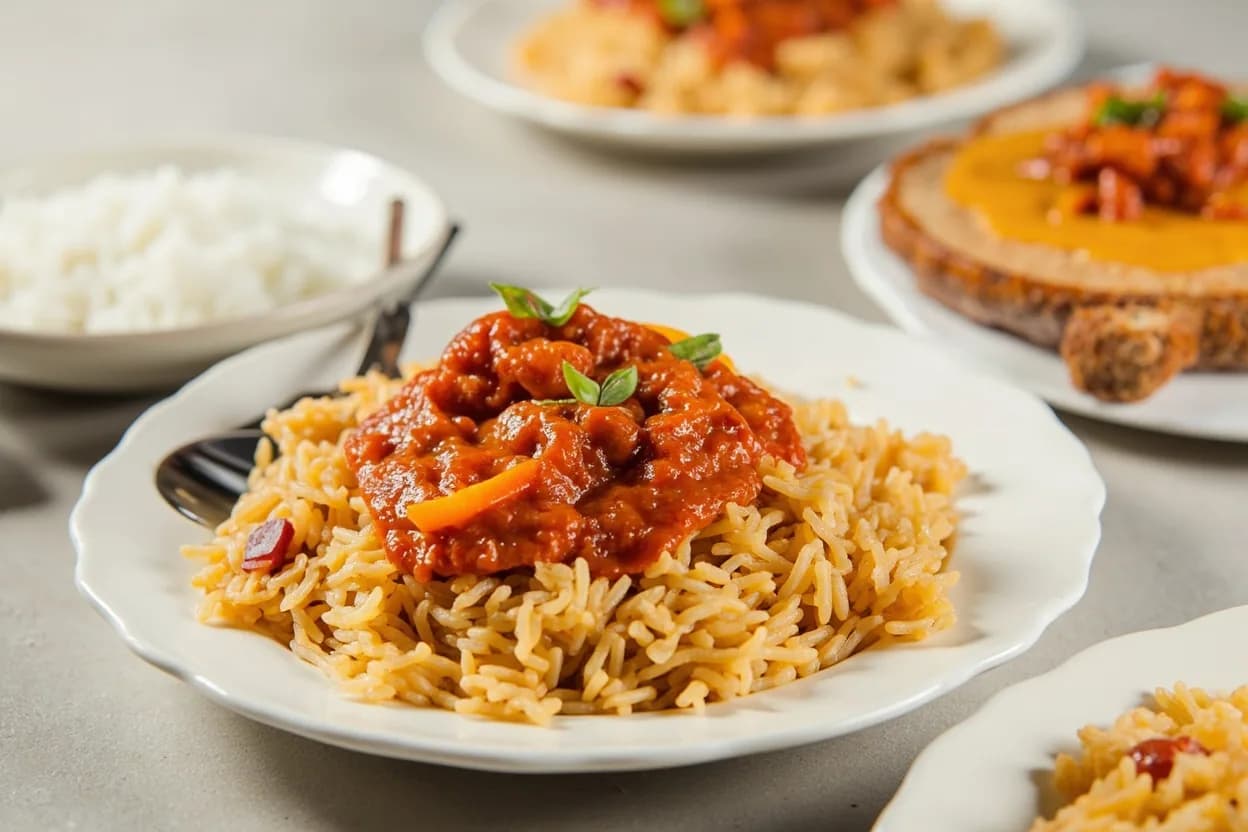
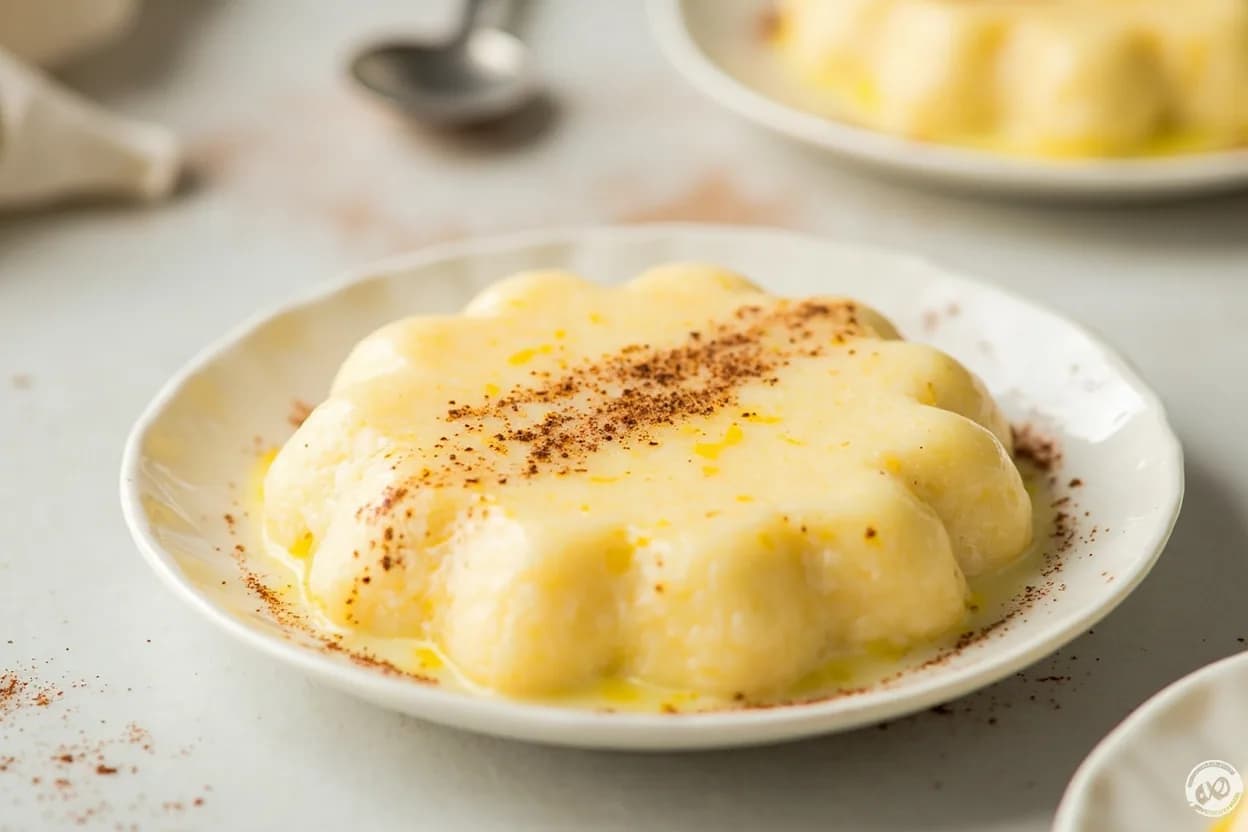
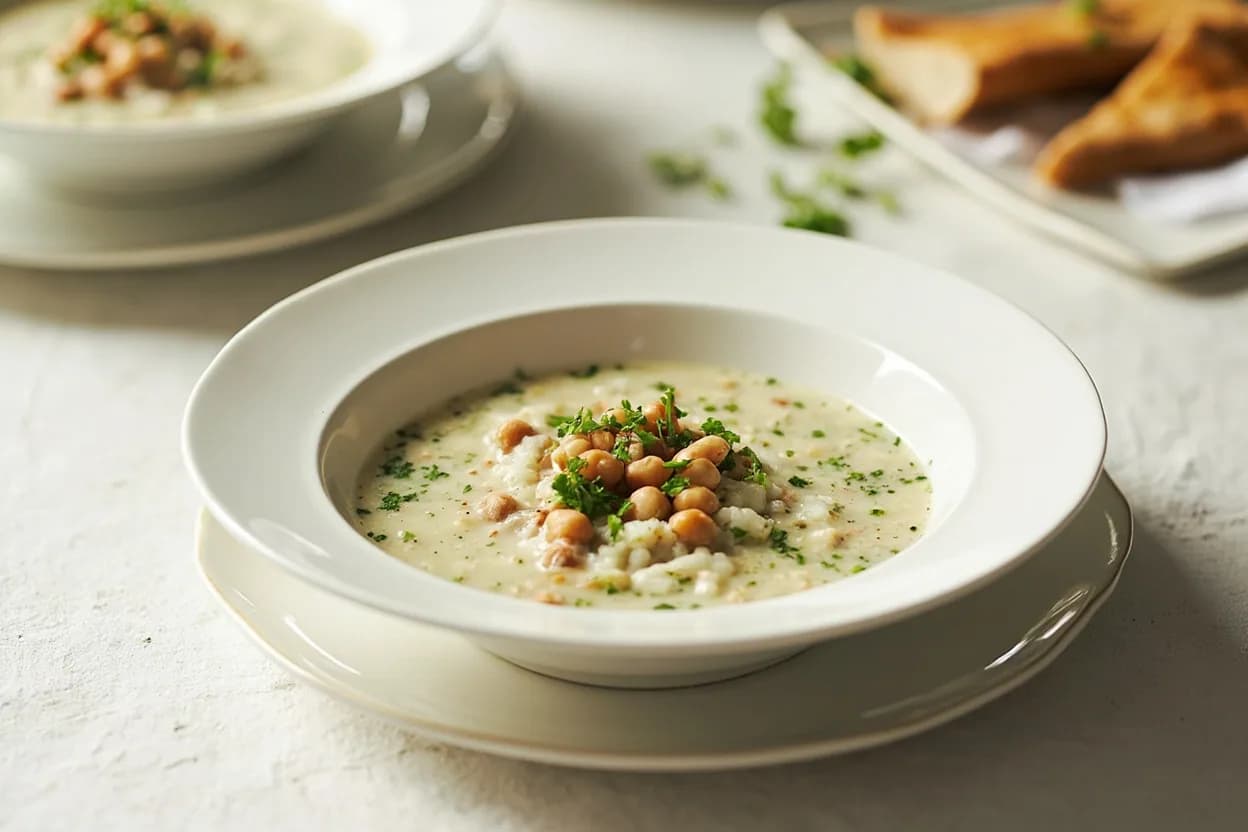
Related

Sear
Blast the surface hot for a deep-browned, savory crust

Sauté
Cook quickly in a little fat over lively heat, tossing as you go

Stir-Fry
Toss bite-sized pieces over roaring heat for fast, smoky cooking

Pan-Fry
Crisp food in a shallow layer of hot fat, turning once or twice

Deep-Fry
Submerge in hot oil for an all-over crackling crust

Roast
Cook uncovered in dry oven heat for browned edges and tender centers

Bake
Cook with steady, surrounding oven heat — the soul of bread and pastry

Broil
Hit food from directly above with fierce overhead heat