Heat & Fire
Browning Meat
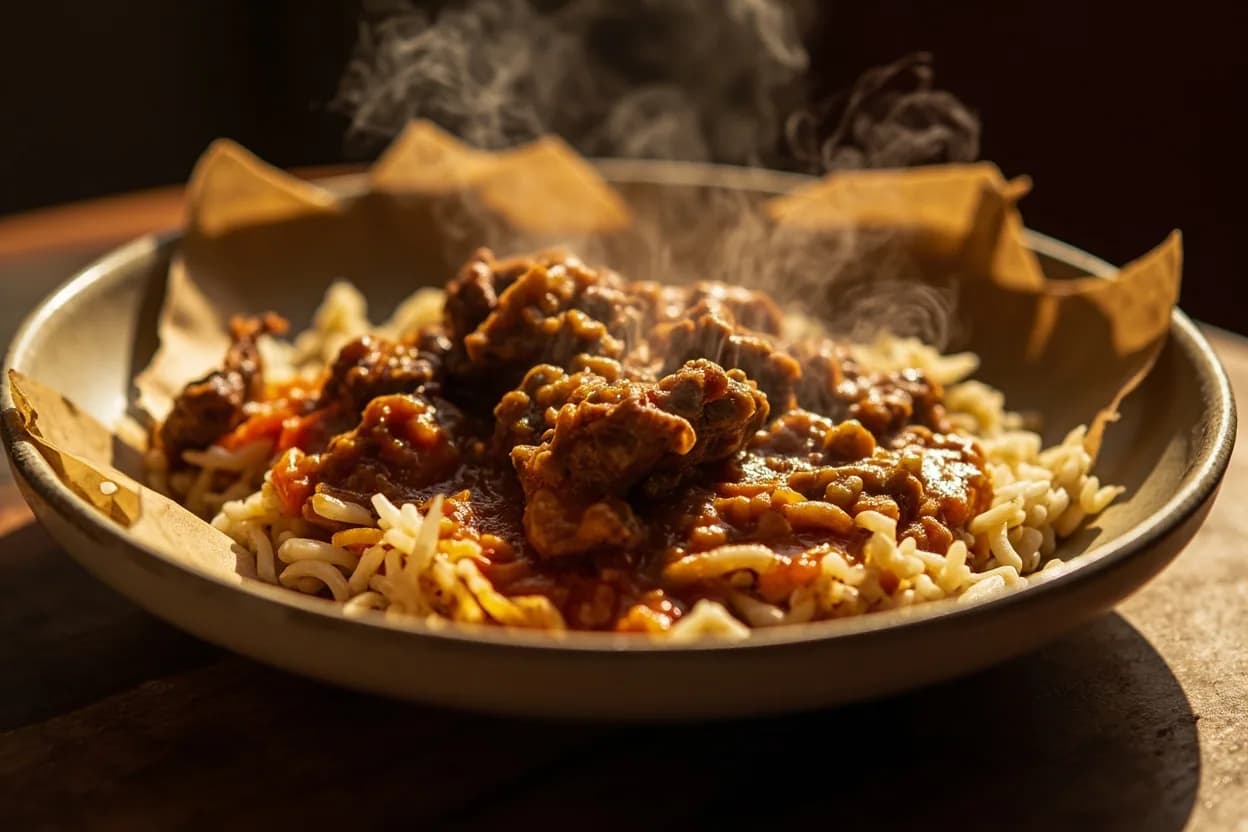
Searing meat over high heat to build a flavorful brown crust before stewing.
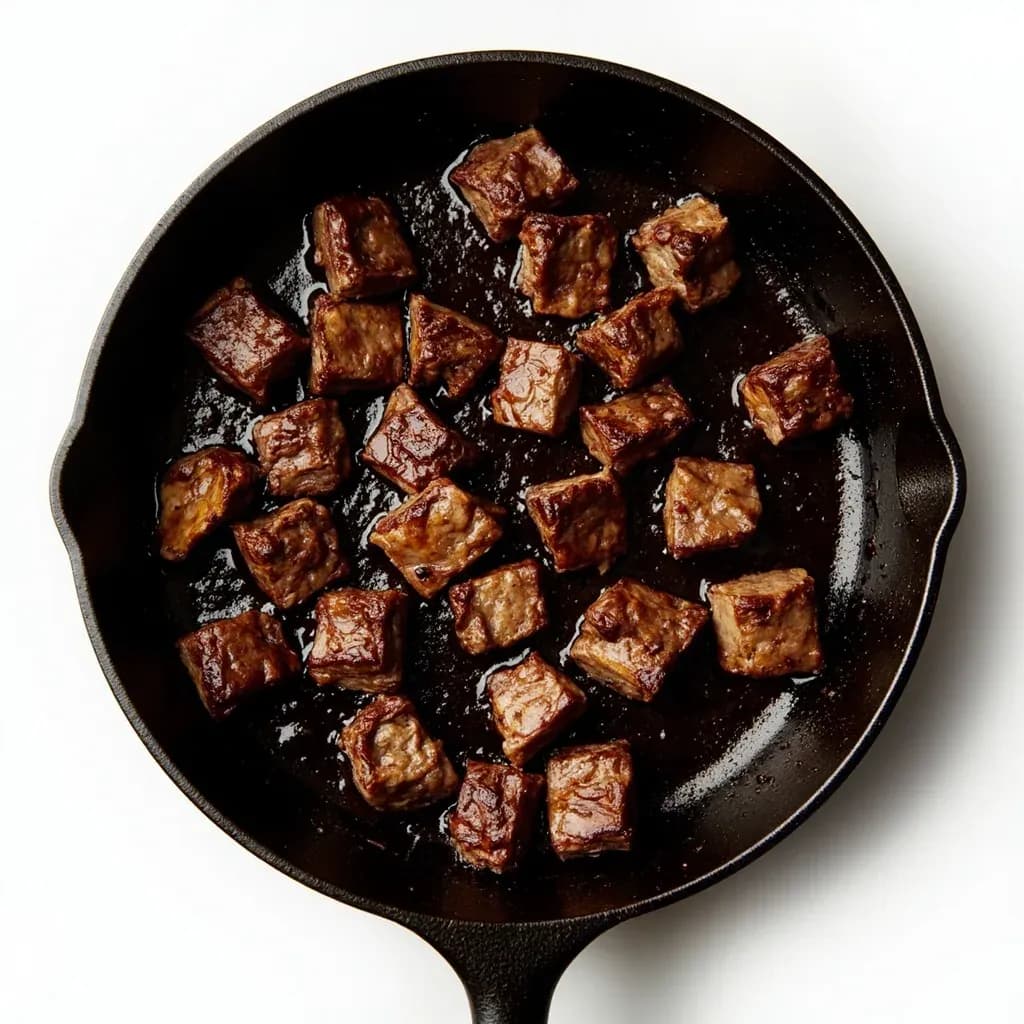
Browning meat means cooking the surface in a hot pan until it develops a deep brown crust through the Maillard reaction, building savory flavor that carries through the whole dish. It is the first step in most stews, braises, and ragùs, and the browned fond left in the pan is deglazed to enrich the sauce. Working in batches and avoiding crowding keeps the pan hot so the meat browns rather than steams.
Browning meat is the deliberate, high-heat searing of a dry, seasoned surface until amino acids and reducing sugars undergo the Maillard reaction, producing a deep mahogany crust, hundreds of new aromatic compounds, and a layer of caramelized drippings known as fond. Above roughly 140 °C / 285 °F, with surface water driven off, the chemistry shifts from simple browning to the complex, savory, almost roasted character that defines great stews, steaks, and pan sauces. The single non-negotiable condition is a bone-dry exterior: water boils at 100 °C and will cap the pan's temperature until it evaporates, so wet meat steams rather than sears.
The familiar claim that searing "locks in juices" is a myth. Food scientists, most influentially Harold McGee, have shown that seared and un-seared roasts lose comparable amounts of moisture. What browning actually delivers is flavor — melanoidins, pyrazines, and caramelized sugars — and a crust that becomes the soul of any sauce or braising liquid built from the pan. It also improves texture and color, prevents pale, gray meat in slow-cooked dishes, and gives a finished dish visual depth and roasted character that cannot be faked by longer cooking alone.
In practice, browning is less a single technique than a brief, intense stage in almost any meat recipe: a 1–4 minute sear per side for chops and steaks, up to 6–8 minutes per face for a large roast, or a quick toss of ground meat until the moisture cooks off and the crumbles turn deep brown. Mastering it is mostly an exercise in heat management and restraint — getting the pan ripping hot, leaving the meat undisturbed, and resisting the urge to flip early.
- Difficulty
- Easy
Types & varieties
Skillet over high heat — the most common form; produces fond for deglazing
Direct high heat on a grill grate; imparts char and grill marks
Top-down radiant heat; useful for thinner cuts or when a stovetop pan is unavailable
High-heat oven (230 °C / 450 °F+) to brown large roasts before lowering the temperature
Starting in an unheated pan then heating; used for thinner steaks to encourage even crust without overcooking the interior
Browning dry-aged beef, where the dehydrated crust forms an especially deep, nutty Maillard layer
How to do it
- 1
Dry and season the meat
Pat the cut thoroughly with paper towels until no surface moisture remains. Season generously with salt and let stand at room temperature for 30–45 minutes so the salt can draw out and reabsorb a little moisture, then blot dry once more.
- 2
Choose and preheat the pan
Set a heavy cast-iron, carbon-steel, or thick clad stainless-steel skillet over high heat for 2–3 minutes until very hot. A drop of water flicked on should dance and evaporate almost instantly.
- 3
Add the fat
Pour in just enough high smoke-point oil (refined avocado, grapeseed, or clarified butter) to coat the pan thinly, about 1 tablespoon for a 12-inch skillet. Swirl; the oil should shimmer and just begin to ripple at the edges.
- 4
Lay in the meat
Place each piece away from you so any splatter goes the opposite direction. Leave at least 2–3 cm between pieces so the pan temperature stays high and steam can escape.
- 5
Hold still and listen
Do not move, press, or flip the meat. A proper sear will release itself from the pan when the crust has formed; if it resists, give it another 30–60 seconds.
- 6
Flip once
When the underside is a deep mahogany brown, turn with tongs or a fish spatula and brown the second side. For thick roasts or tied cuts, sear the edges and fat cap too.
- 7
Remove and rest
Transfer the meat to a rack or plate. Pour off excess fat if desired, then deglaze the hot pan with wine, stock, or a splash of water, scraping up the fond with a wooden spoon — this liquid is the base of your sauce or braise.
Maillard versus caramelization
Browning on meat is primarily the Maillard reaction, in which amino acids and reducing sugars rearrange into brown melanoidins and a wide spectrum of roasted, meaty, and nutty aromatics. Caramelization, by contrast, is the thermal breakdown of sugars alone and proceeds without protein. The two reactions can occur on the same surface, especially on glazed or sauced meat, and both contribute to color. But the savory depth that defines a good sear is Maillard chemistry, and it requires temperatures above the boiling point of water — which is exactly why a dry surface is essential.
The "locks in juices" myth
It is one of the most repeated claims in home cooking, and it is wrong. Harold McGee and others have measured moisture loss in seared versus un-seared roasts and found no meaningful difference; the crust that forms is too thin and too porous to act as a barrier. What browning does deliver, and what the crust genuinely locks in, is flavor. Judge a good sear by color, aroma, and fond, not by how much liquid stays inside.
Common uses
Tips & pitfalls
- Pat the meat bone-dry with paper towels — surface moisture is the single biggest enemy of browning.
- Season with salt 40–60 minutes ahead so it draws out moisture, then blot again right before the pan.
- Preheat the pan until a drop of water skitters across the surface before adding oil.
- Crowding drops the pan's temperature and steams the meat; cook in batches with breathing room.
- Resist the urge to move, press, or poke the meat; an undisturbed surface is what builds crust.
- Flip only once, using tongs or a fish spatula; never spear with a fork, which punctures the surface and releases juices.
- Sear the edges and fat cap of thick roasts, not just the flat faces.
- If fond turns black, the heat is too high or the pan sat empty too long — fond should be deep mahogany, not charred.
- Rest the meat a few minutes after searing so the juices reabsorb before slicing or braising.
- Deglaze the pan while it is still hot to capture all the fond for sauces.
Good to know
- Also called
- Searing; in French, saisir
- Core chemistry
- Maillard reaction — amino acids react with reducing sugars above roughly 140 °C / 285 °F, producing brown melanoidins and deep savory flavor
- Required surface state
- Bone-dry exterior; surface moisture must be driven off before browning can begin, since water boils at 100 °C and caps surface temperature
- Best pan materials
- Heavy cast iron, carbon steel, or thick stainless-clad — chosen for high heat capacity and retention
- Recommended fats
- High smoke-point neutral oils such as refined avocado, grapeseed, sunflower, or clarified butter
- Fats and pans to avoid
- Whole butter (burns below 350 °F), unrefined nut oils, and nonstick pans, which cap maximum heat and resist fond formation
- Browning time per side
- Roughly 1–4 minutes for steaks and chops; up to 6–8 minutes per face for large roasts
- Named after
- French chemist Louis-Camille Maillard, who first described the reaction in 1912
- Related term
- Fond — the caramelized drippings and browned proteins that stick to the pan, used as a flavor base for sauces
Also called
Searing Meat · Brown Stewing · Caramel Browning
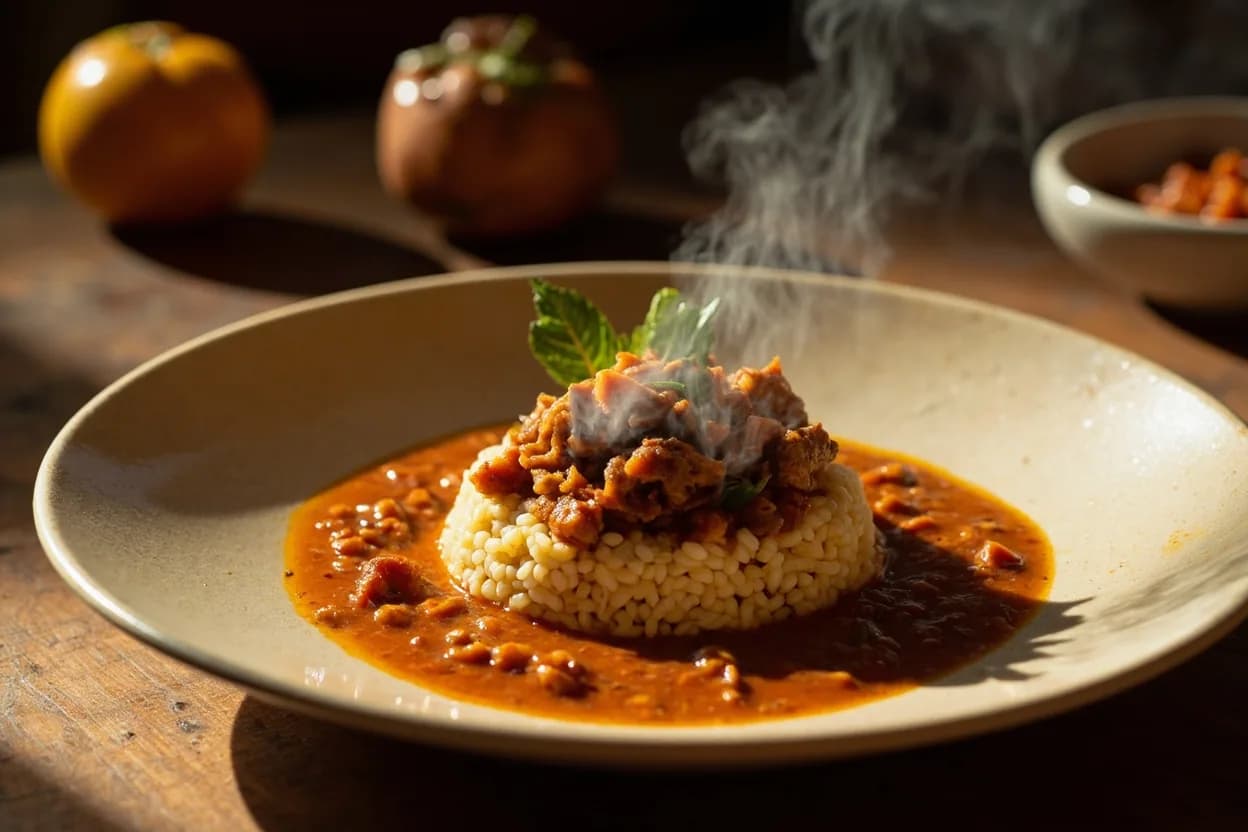
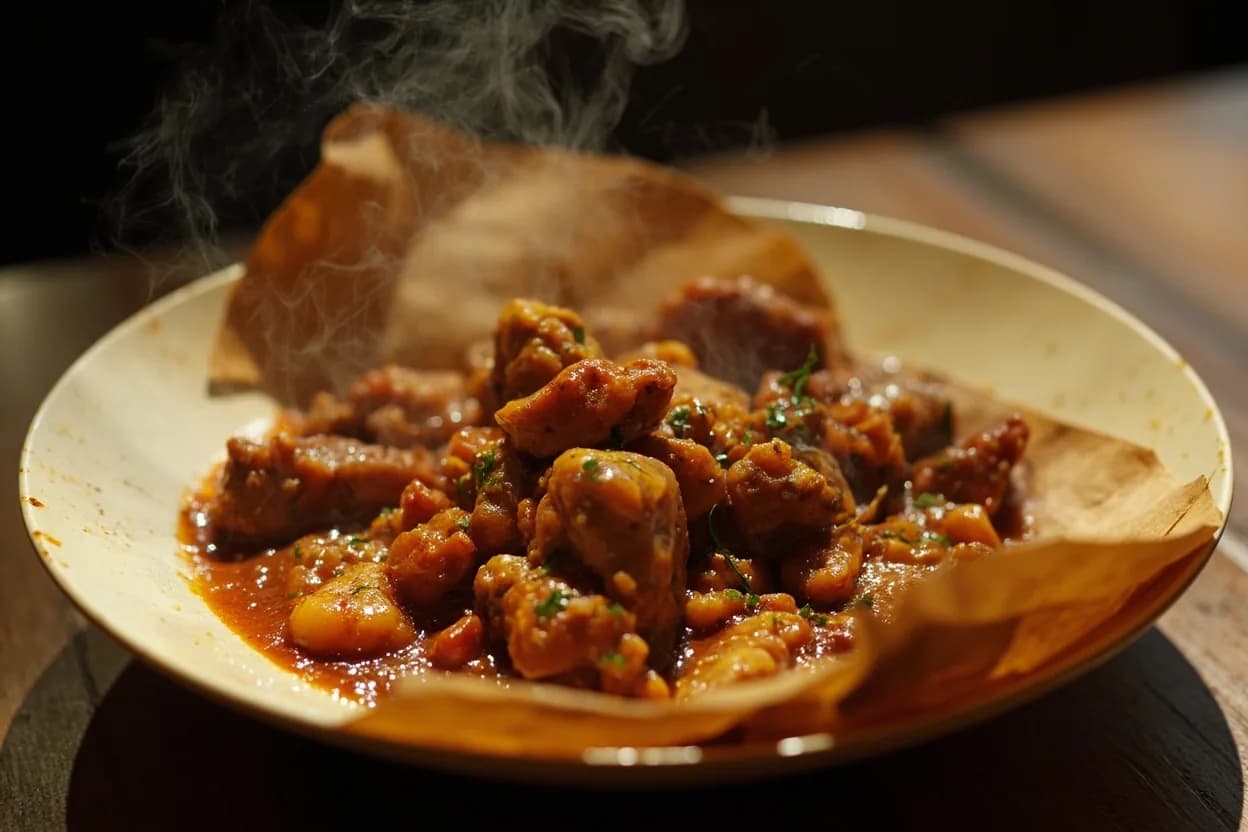
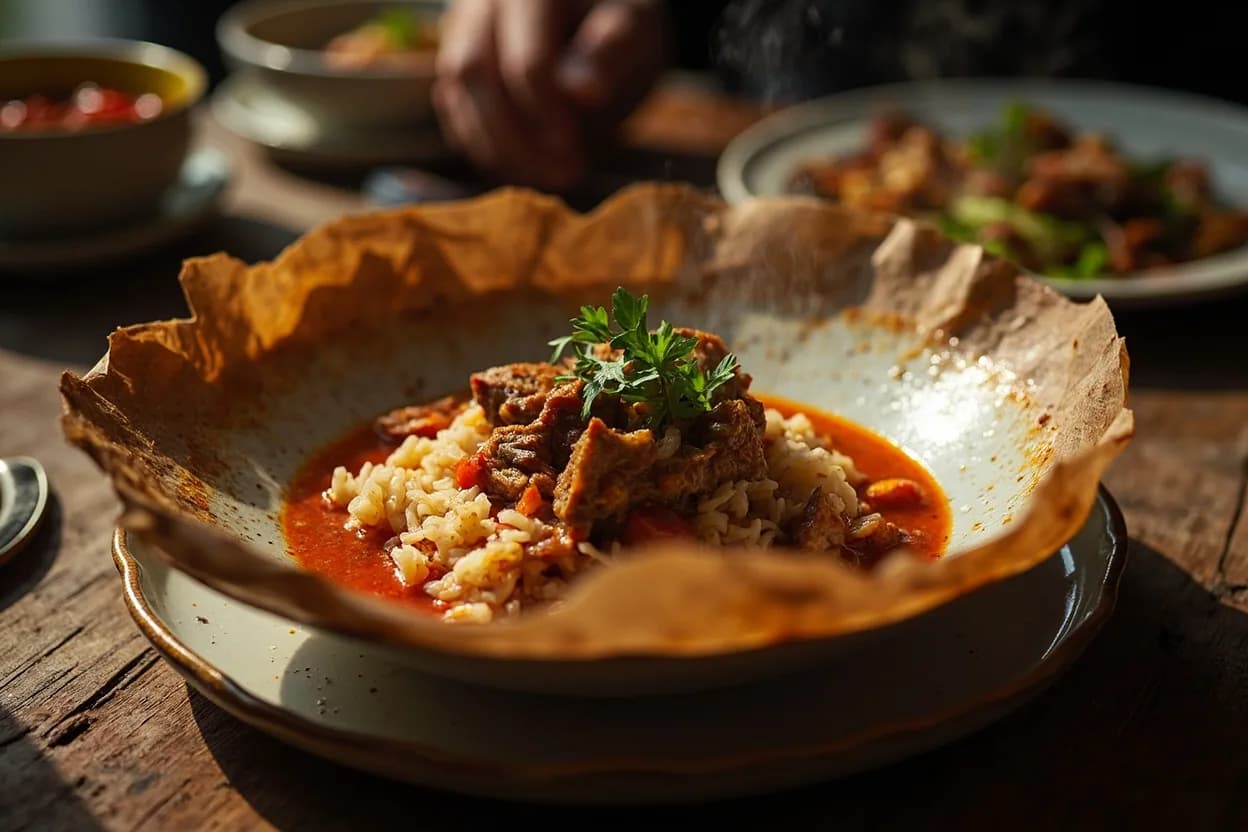
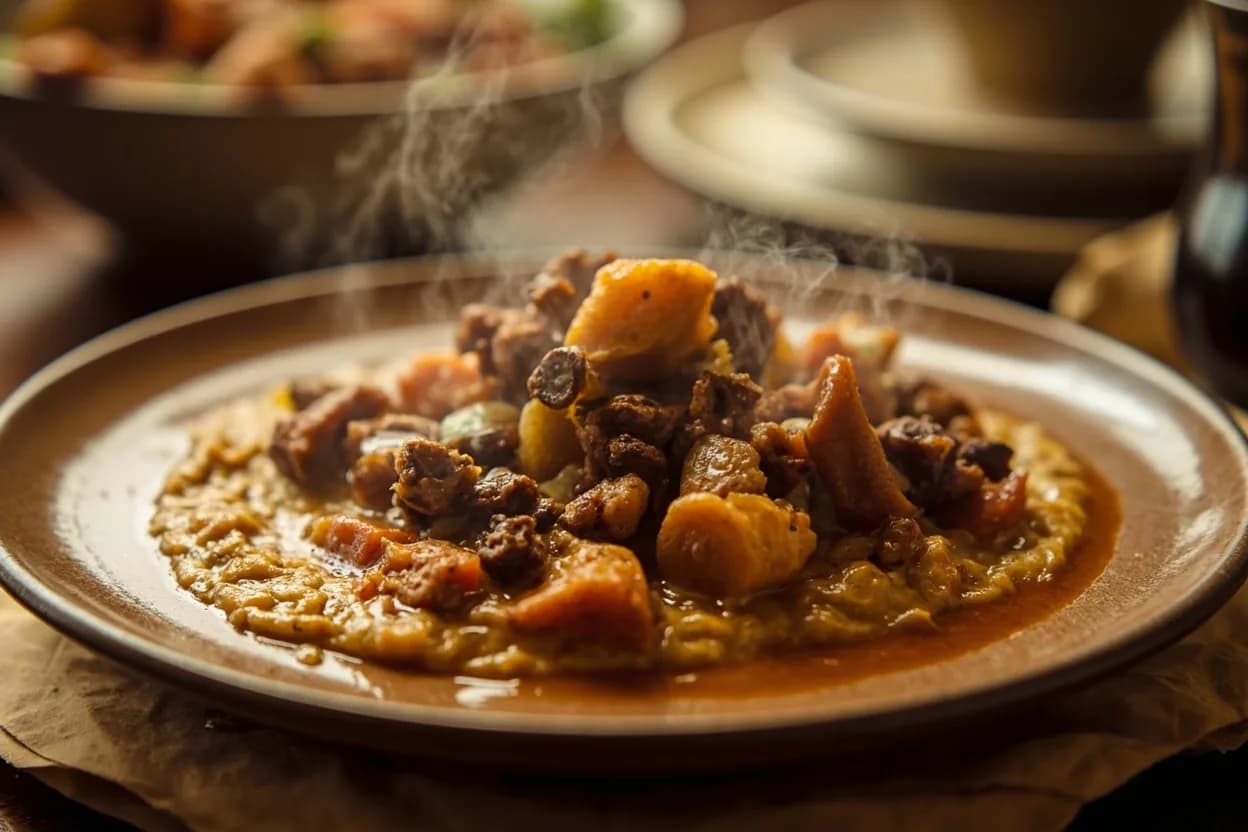
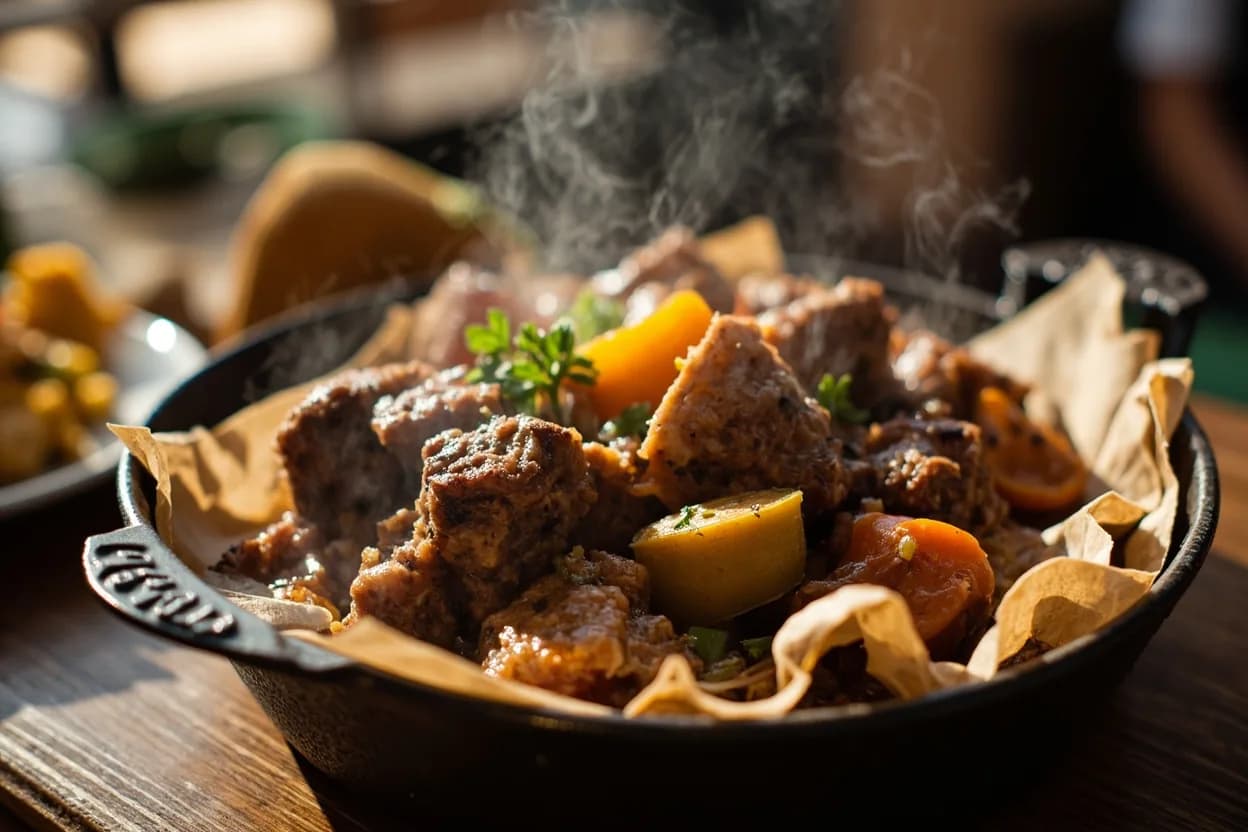
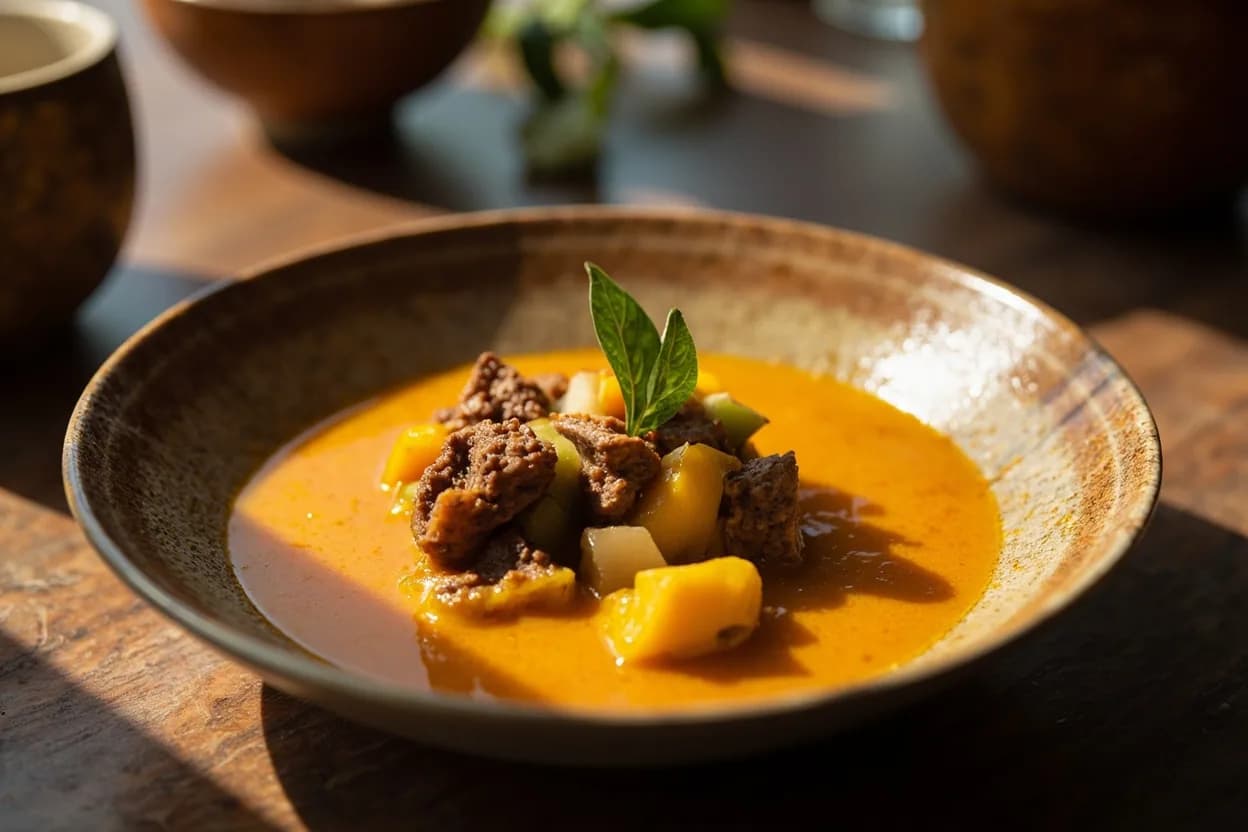
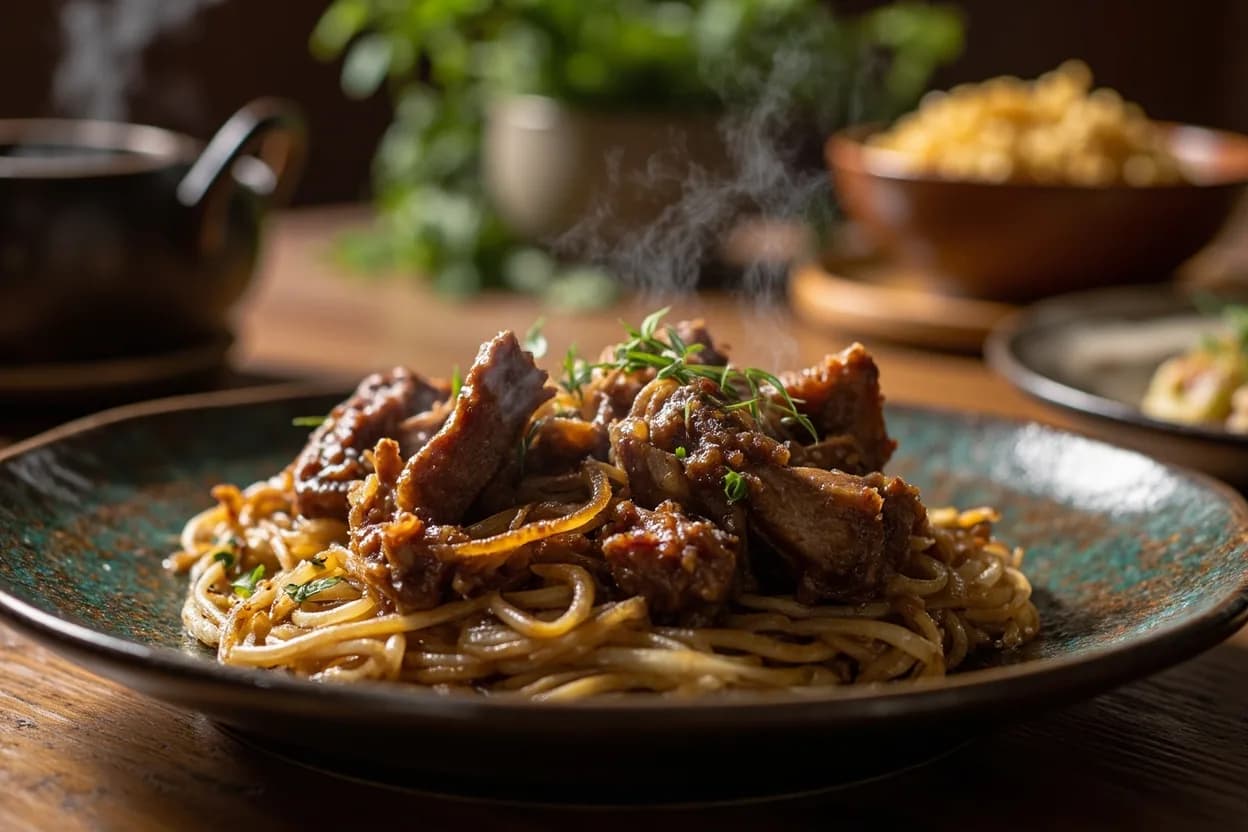
Dishes that rely on it
Related

Sear
Blast the surface hot for a deep-browned, savory crust

Sauté
Cook quickly in a little fat over lively heat, tossing as you go

Stir-Fry
Toss bite-sized pieces over roaring heat for fast, smoky cooking

Pan-Fry
Crisp food in a shallow layer of hot fat, turning once or twice

Deep-Fry
Submerge in hot oil for an all-over crackling crust

Roast
Cook uncovered in dry oven heat for browned edges and tender centers

Bake
Cook with steady, surrounding oven heat — the soul of bread and pastry

Broil
Hit food from directly above with fierce overhead heat