Prep & Assembly
Deglazing
Adding liquid to a hot pan to dissolve browned bits into a fast, flavorful sauce.
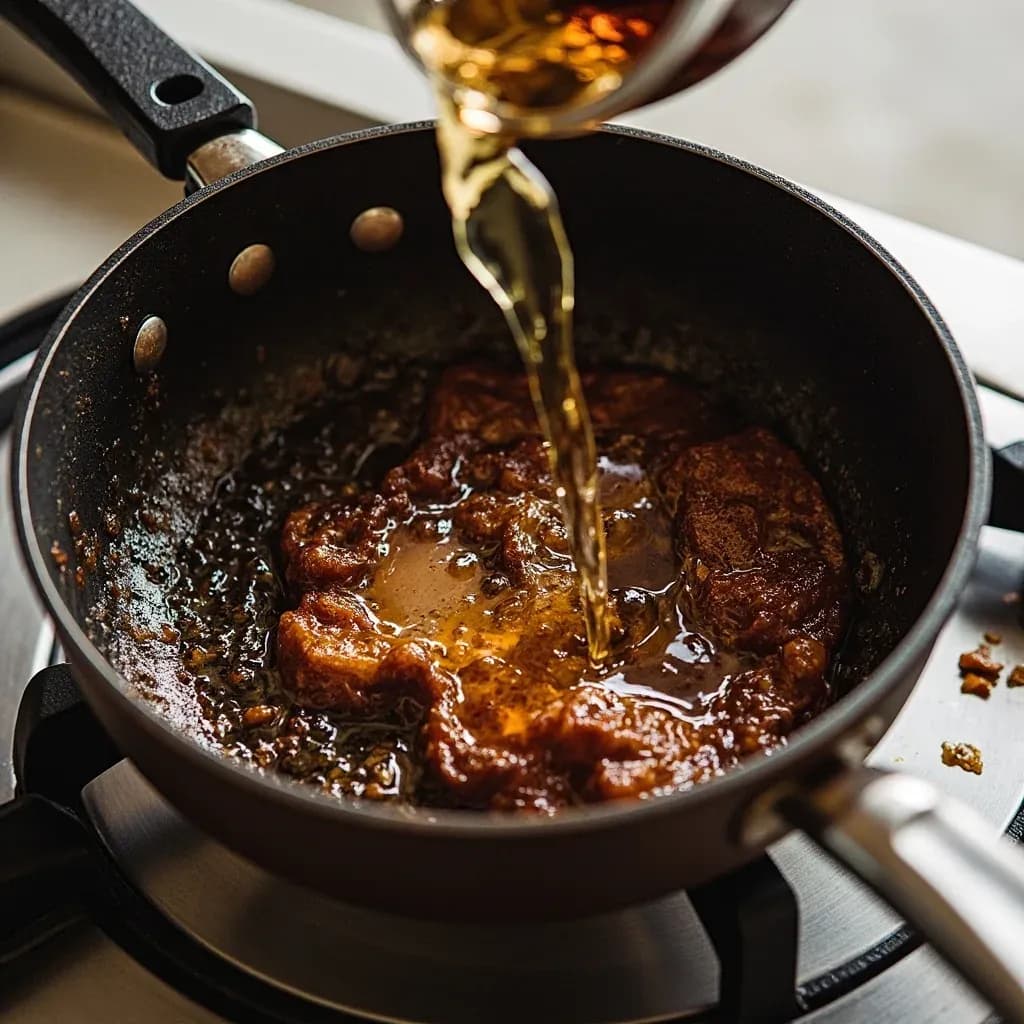
Deglazing pours wine, stock, or other liquid into a hot pan after searing, loosening the caramelized fond stuck to the bottom into the liquid. Those browned bits carry intense flavor and become the base of a pan sauce or gravy. Scraping with a wooden spoon as the liquid bubbles lifts every last bit of fond.
Deglazing is the act of loosening and dissolving the caramelized drippings left in a pan after searing, roasting, or sautéing. Those drippings — called fond in professional kitchens — are concentrated Maillard and caramelization products, and they hold more flavor per spoonful than almost anything else in the cook's repertoire. The technique itself is simple: a splash of liquid goes into the still-hot pan, the cook scrapes, and what was stuck to the metal becomes the base of a sauce.
Why it matters is a matter of arithmetic. A well-browned skillet holds much of the flavor of whatever was just cooked in it, and rinsing that layer down the drain is, in restaurant terms, throwing away the meal. Deglazing is the bridge between browning and sauce-making — the step that turns a plain seared chicken breast into a dish with a pan jus, a beef roast into a braise with body, and a sautéed mushroom into the start of a pasta sauce. Codified in 19th- and 20th-century French kitchens and central to Escoffier's classical methods, it has since spread into virtually every cuisine that browns food in a pan.
In practice, deglazing exploits a sharp temperature contrast: cool liquid hits a hot surface, the steam it releases helps lift the fond loose, and the cook does the rest with a wooden spoon. The liquid is then reduced to concentrate it, often built upon with stock, cream, or butter, and finished into a sauce. The same act also cleans the pan — one reason cooks learn to deglaze before they ever wash a skillet.
- Difficulty
- Easy
Types & varieties
Red wine for hearty meats and mushrooms; dry white wine for poultry, fish, and lighter sauces
Chicken, beef, veal, or vegetable stock used alone or after wine for deeper body
Sherry, balsamic, red wine, or cider vinegar — sharp acidity cuts through rich fond
Marsala, Madeira, port, dry sherry, vermouth, or brandy/cognac — concentrated sweetness and depth
Used for onion gravies, bratwurst pan sauces, and stews
Lemon or orange juice — common with fish, poultry, or pork
Useful when a neutral base is wanted; least flavorful but rescues fond
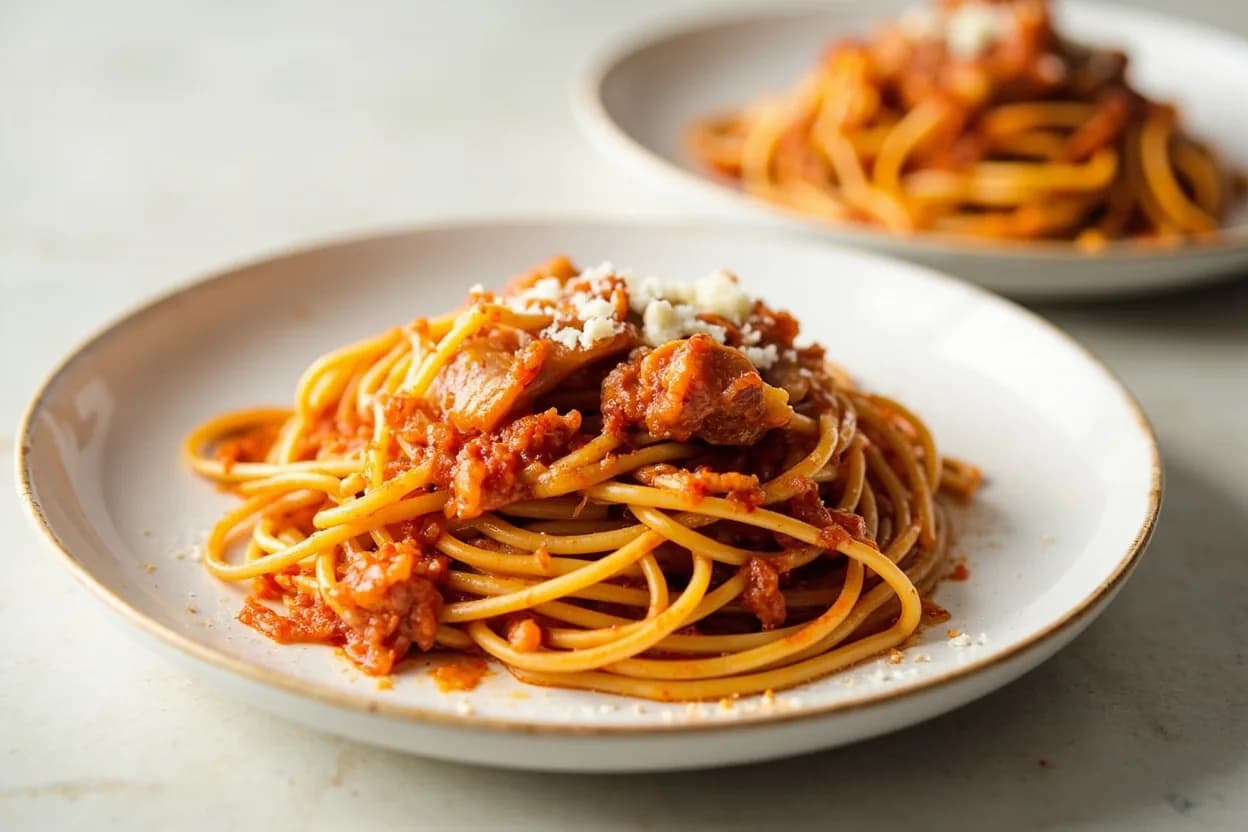
Tomato paste thinned with water, wine, or stock — for Bolognese and braises
Wine first, then stock — the wine for acidity and the stock for body
How to do it
- 1
Remove the food and assess the fond
Transfer the seared meat, fish, or vegetables to a plate or cutting board to rest. Look at the pan: pale gold fond is ideal, deep brown is good, black means it has burned and will taste bitter. If bits are black, scrape or wipe them out with a paper towel; if the burn is severe, rinse the pan and begin again.
- 2
Pour off excess fat
Tilt the pan and spoon or pour off all but 1–2 teaspoons of rendered fat. Leave enough to carry flavor and help emulsify the sauce; reserve the rest for another use.
- 3
Return the pan to medium-high heat
Place the uncovered pan back on the burner. It should be hot enough that a drop of liquid sizzles and evaporates almost immediately.
- 4
Add the deglazing liquid
Pour in 1/4 to 1/2 cup of wine, stock, vinegar, or another liquid. The pan will hiss and steam; the liquid will bubble vigorously. Cold or room-temperature liquid gives the strongest thermal lift.
- 5
Scrape to release the fond
Use a wooden spoon, flat-edged spatula, or flat whisk to scrape the bottom of the pan, working the liquid over every browned patch until the surface is clean and the liquid has turned glossy and brown.
- 6
Reduce to concentrate
Simmer the liquid until it has reduced by one-half to two-thirds, or until it coats the back of a spoon. This concentrates flavor and thickens the base.
- 7
Build or finish the sauce
Add additional stock, cream, herbs, mustard, shallots, or butter to taste. For a glossy finish, whisk in cold butter off the heat. Season with salt and a squeeze of lemon or splash of vinegar to balance.
- 8
Strain or serve
Strain through a fine-mesh sieve for a refined sauce, or leave rustic. Spoon over the rested protein or use as the base for a braise, risotto, or pasta dish.
Choosing a deglazing liquid
The right liquid is the one that matches what was just cooked and what the sauce will become. A few general rules: pair red wine with red meat and mushrooms; pair dry white wine, vermouth, or citrus with poultry, fish, and pork; reach for fortified wines (Marsala, Madeira, sherry, port) when the dish already has sweetness (mushrooms, onions, foie gras) or when depth matters more than brightness. Vinegar is rarely the whole deglazing liquid but is excellent as a second addition to brighten a reduced sauce. Stock is the most universal choice and almost always the second liquid in a two-stage deglaze. Avoid 'cooking wine' from the grocery shelf — it is salted and will throw off the seasoning of the rest of the dish.
- Red wine: beef, lamb, venison, mushrooms, hearty stews
- Dry white wine or vermouth: chicken, pork, veal, fish, shellfish, light pan sauces
- Marsala, Madeira, sherry, port: mushrooms, foie gras, sweet reductions, classic French and Italian dishes
- Brandy or cognac: flambéed or stirred in off-heat for a deep, warm finish
- Beer or ale: sausages, onions, pub-style gravies, beef stews
- Stock alone: neutral and dependable, the workhorse of braises and risotto
Common uses
Tips & pitfalls
- Deglaze while the pan is still hot but after removing the food — black fond tastes bitter, so watch the color during searing and act before the drippings cross from brown to black.
- Pour off excess rendered fat before deglazing, but leave 1–2 teaspoons in the pan for flavor and to help the sauce emulsify.
- Use a wooden spoon or flat-edged spatula; aggressive metal whisks can strip seasoning from cast iron and may mar softer surfaces.
- Add cold or room-temperature liquid to a very hot pan — the temperature contrast helps lift fond faster and slows over-reduction.
- Avoid 'cooking wine' from the grocery shelf; it is heavily salted and will throw off the seasoning of the entire dish.
- Reduce the deglazing liquid by at least half (often two-thirds) before finishing — thin liquid makes a weak, watery sauce.
- For glossy, restaurant-style sauces, mount with cold butter off the heat and swirl; the deglazed liquid emulsifies butter readily.
- Don't try to deglaze a non-stick pan — there is no fond to lift. Switch to stainless or carbon steel for browning.
Good to know
- French name
- Déglacer / déglacage
- Primary purpose
- Dissolve caramelized drippings (fond) into a flavorful liquid base
- Best cookware
- Stainless steel, carbon steel, cast iron, or copper — pans that develop fond
- Unsuitable cookware
- Non-stick pans, which do not develop browned fond
- Pan temperature
- Medium-high to high; liquid should sizzle and steam on contact
- Liquid-to-pan ratio
- Start with 1/4 to 1/2 cup liquid for a 10–12 in skillet
- Reduction target
- Reduce by one-half to two-thirds before finishing
- Typical time
- 2–8 minutes, including reduction
Also called
Deglaze · Déglacer · Desglaçar
Dishes that rely on it
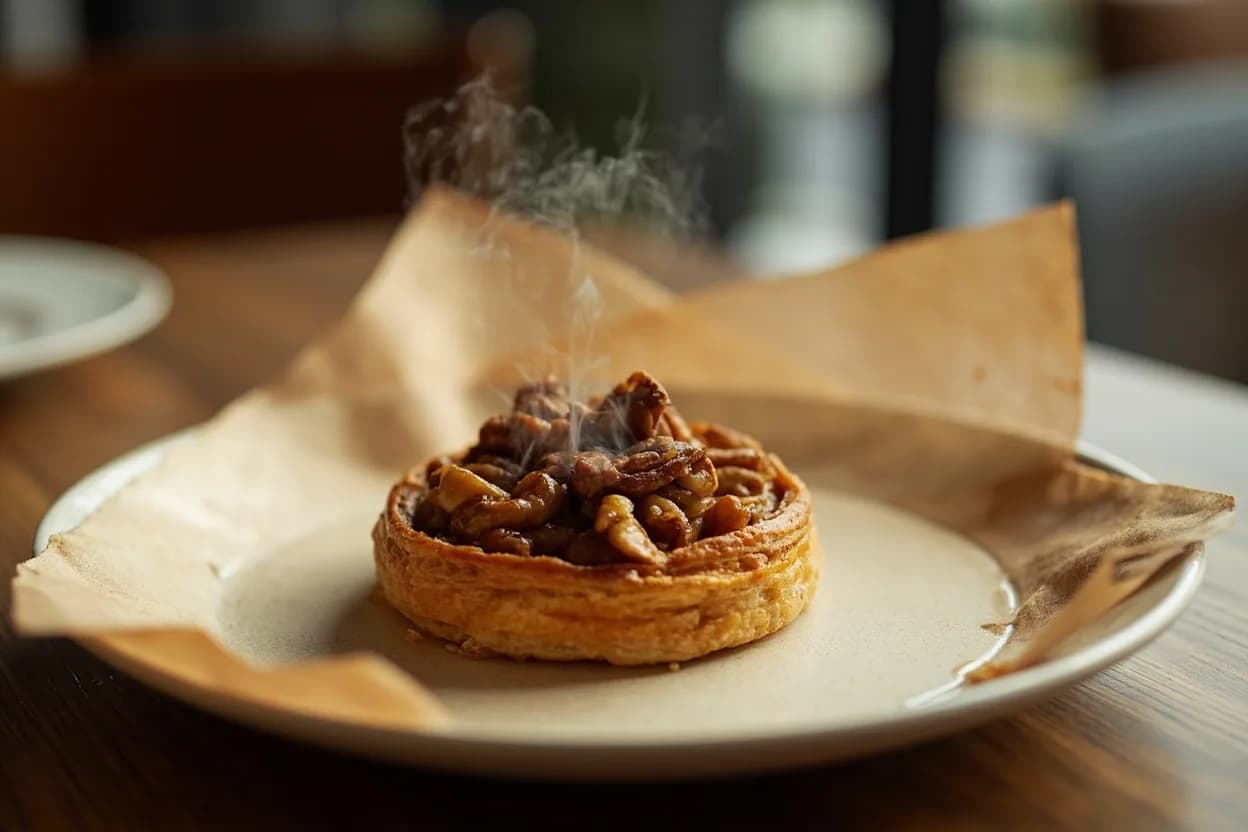
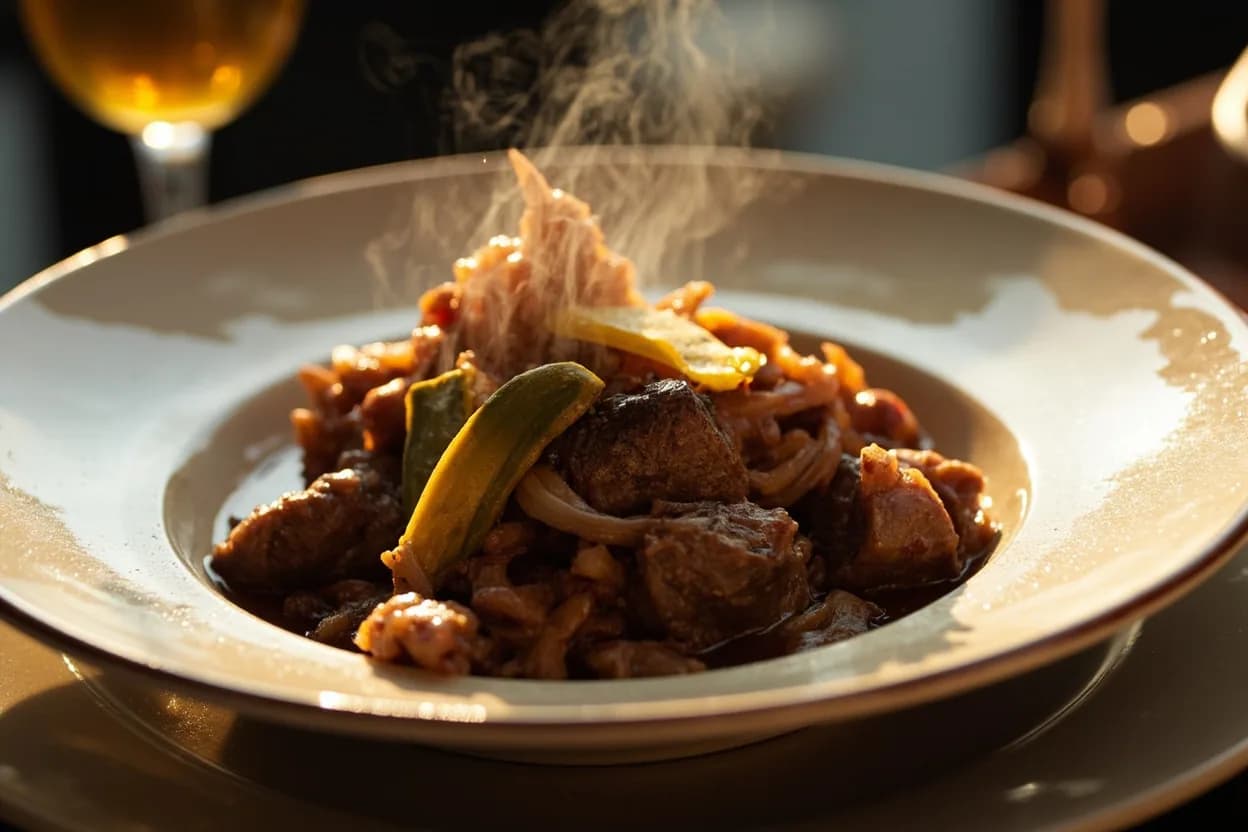
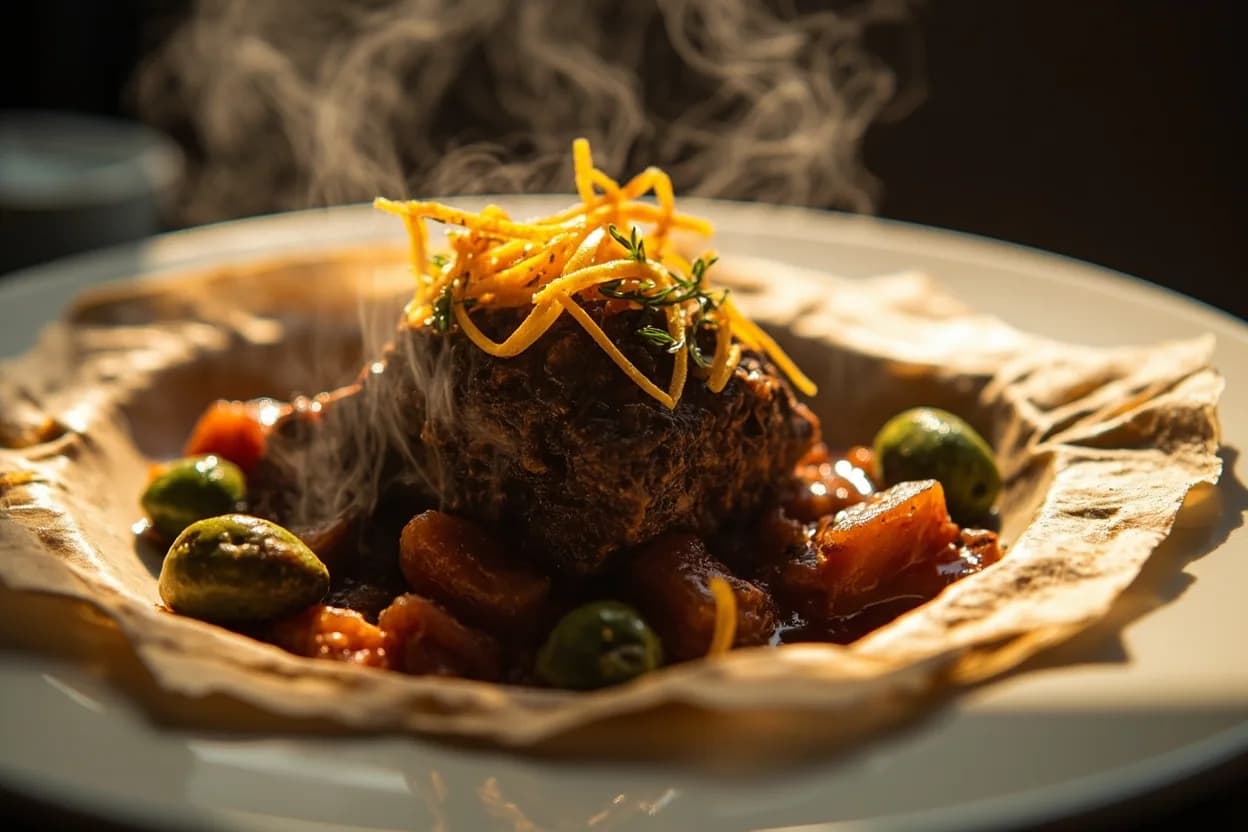
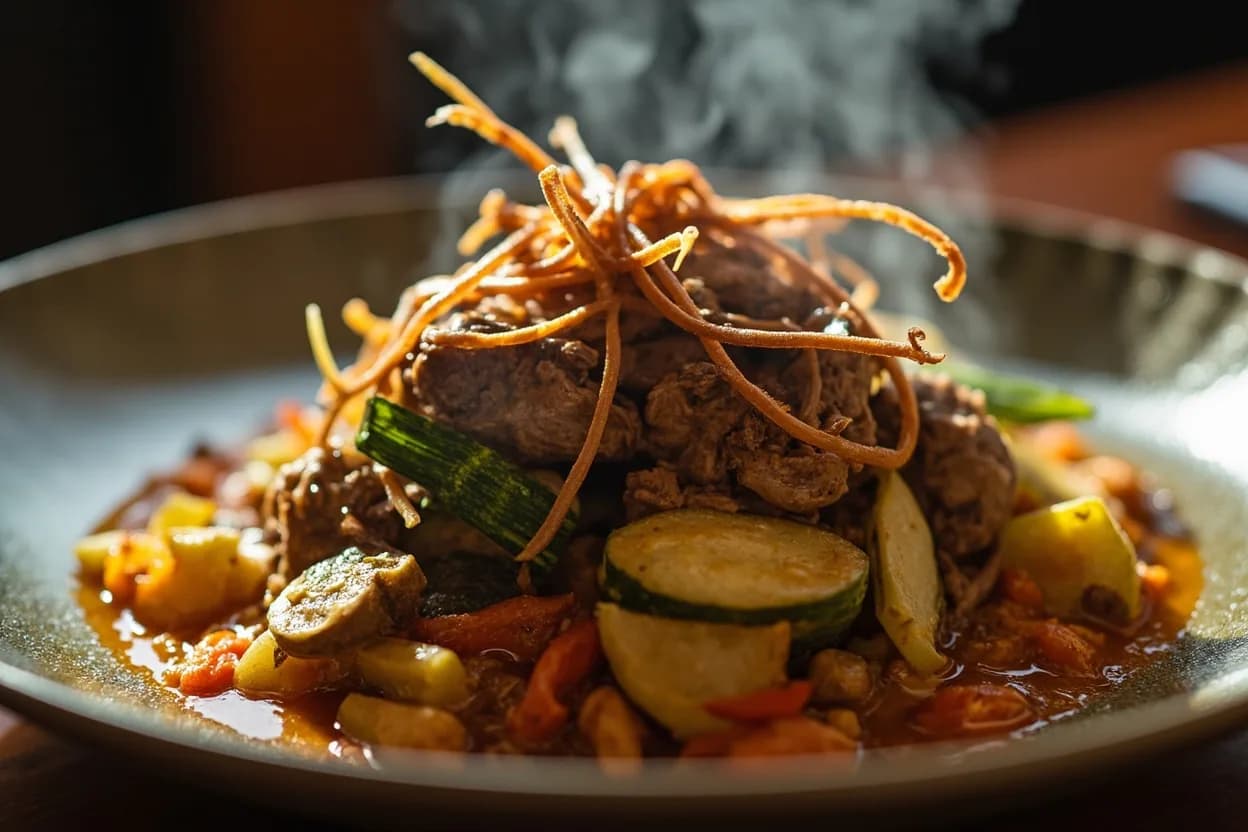
Related

Whisk
Beat ingredients smooth and aerated with a looping wire motion

Sift
Pass dry ingredients through mesh to aerate and remove lumps

Strain
Pour through mesh to separate solids from liquid for a smooth result

Filter
Pass liquid through fine material to clarify out the smallest particles

Rice
Press cooked potatoes through small holes for fluffy, lump-free texture

Mash
Crush soft cooked food into a rustic, creamy purée

Grind
Crush food into a coarse to fine texture, from spices to meat

Grate
Shred food into fine bits against a sharp-toothed surface