Heat & Fire
Brown Butter
Cook butter past melting until the milk solids toast to hazelnut
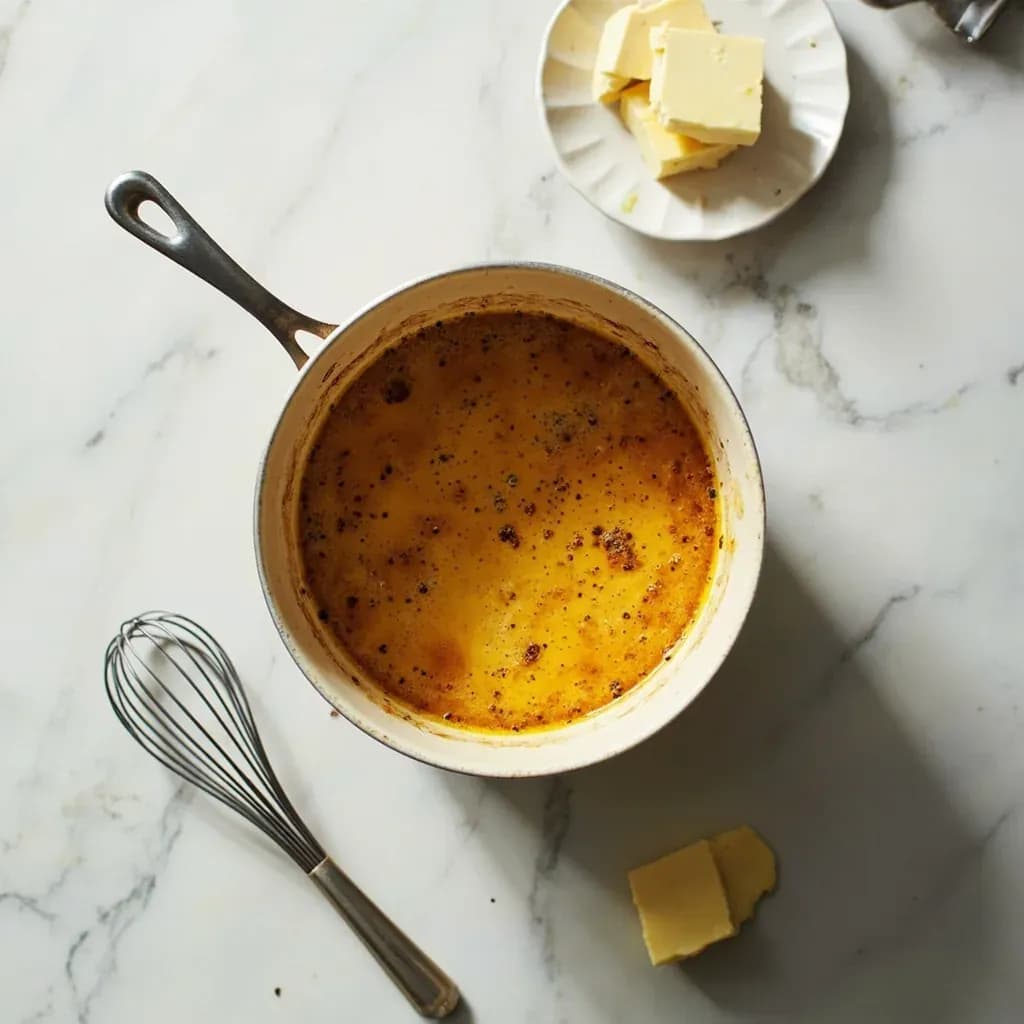
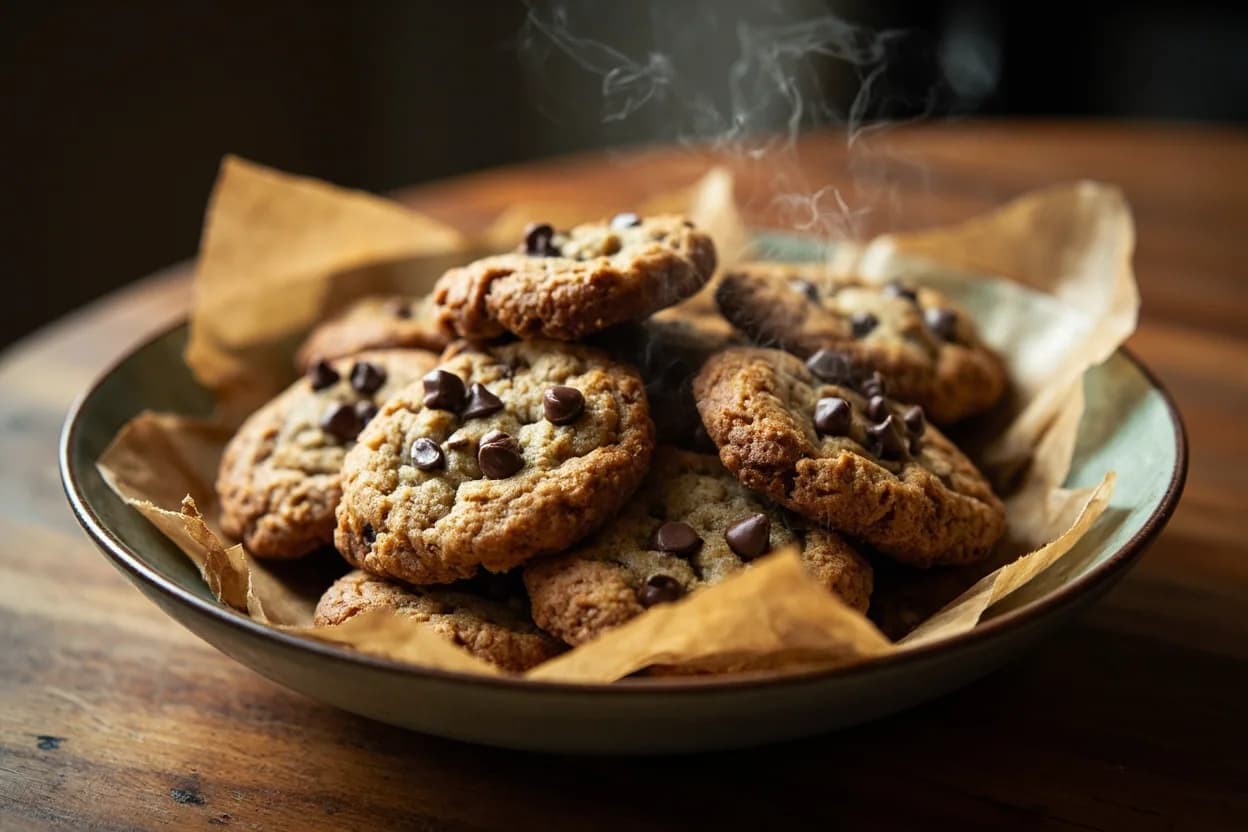
Browning butter melts it past foaming until the milk solids toast to golden brown, giving a deep, nutty aroma that lifts everything from pasta to cookies. Swirl over medium heat and watch closely — it goes from nutty perfection to burnt in a matter of seconds.
Browning butter (beurre noisette, "hazelnut butter") melts butter past foaming and keeps cooking it until the milk solids suspended in it toast to golden brown, throwing off a deep, nutty, almost caramel aroma. It's an instant flavor upgrade — a quick swirl in a pan that lifts everything from pasta and fish to cookies, frostings, and brown-butter cakes. Because butter is mostly water with milk solids and fat, browning is really a matter of watching those solids: they sink, the water boils off, and then they toast and color in the clarified fat. The catch is speed — it goes from perfect nutty gold to acrid black in a matter of seconds, so you never walk away.
- Difficulty
- Easy
Types & varieties
Brown butter at the nutty, golden-brown stage — the classic.
Taken a shade darker ("black butter"), traditionally with capers for skate and fish.
Browned, cooled, and folded into doughs and frostings for deep nutty flavor.
How to do it
- 1
Use a light pan
Choose a stainless or light-colored pan so you can actually see the butter change color — it's nearly impossible in a black pan.
- 2
Melt and let it foam
Melt the butter over medium heat; it will foam loudly as its water boils off — that's normal and necessary.
- 3
Swirl constantly
Keep swirling the pan so the milk solids move and brown evenly instead of catching in one spot.
- 4
Watch the solids and smell
As the foam subsides, the solids at the bottom turn from pale to golden to amber and the smell turns nutty.
- 5
Pull at golden-brown
The moment the solids are golden-brown and it smells like toasted hazelnuts, take it off the heat immediately.
- 6
Stop the carryover
Pour it into a cool bowl (or add cold liquid/aromatics) right away, since a hot pan will keep browning it into burnt.
What's actually browning
Butter is roughly 80% fat, 16% water, and a few percent milk solids (proteins and milk sugars). When you heat it, the water boils off first — that's the loud foaming stage — and the fat clarifies. Once the water is gone, the temperature climbs past the boiling point and the milk solids undergo Maillard browning, toasting to brown and generating the nutty, complex aroma compounds that define brown butter. Those same solids are why you can't brown clarified butter or ghee the same way (their solids have been removed) and why the line to burnt is so thin — once the proteins toast, only seconds separate fragrant brown from acrid black.
Common uses
Tips & pitfalls
- Use a light-bottomed pan so you can read the color — the whole technique is visual.
- Keep it moving and never step away; the window from perfect to burnt is seconds.
- Transfer it out of the hot pan the instant it's done to stop carryover browning.
- Don't discard the toasted brown specks — they hold most of the flavor.
Good to know
- Heat level
- Medium; melt, foam, then brown the solids
- Best for
- Sauces, baked goods, finishing pasta/fish/vegetables
- Equipment
- Light-colored pan (so you can see the color), heatproof spatula
- Fat needed
- Butter itself is the medium
- Time
- 3–6 minutes
Also called
beurre noisette · browned butter
Dishes that rely on it
Related

Sear
Blast the surface hot for a deep-browned, savory crust

Sauté
Cook quickly in a little fat over lively heat, tossing as you go

Stir-Fry
Toss bite-sized pieces over roaring heat for fast, smoky cooking

Pan-Fry
Crisp food in a shallow layer of hot fat, turning once or twice

Deep-Fry
Submerge in hot oil for an all-over crackling crust

Roast
Cook uncovered in dry oven heat for browned edges and tender centers

Bake
Cook with steady, surrounding oven heat — the soul of bread and pastry

Broil
Hit food from directly above with fierce overhead heat