Transform & Preserve
Cheese Making
Curdling milk with acid or rennet, then separating and shaping the curds into cheese or paneer.
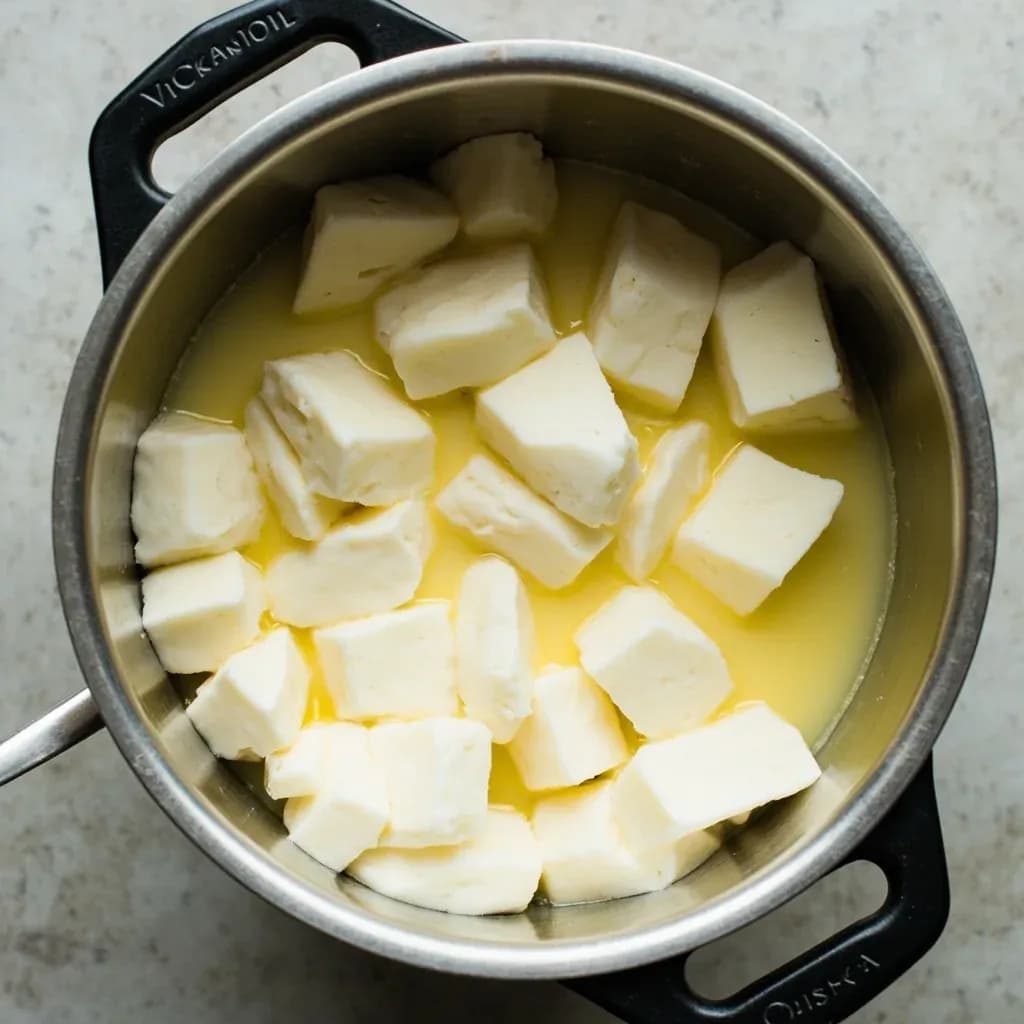
Cheese making coagulates milk into solid curds and liquid whey using acid (like lemon or vinegar) or rennet, then drains, presses, and sometimes ages the curds into cheese. The same coagulation underlies fresh styles like paneer and chhena as well as set curds and yogurt. Temperature, acidity, and rennet dose control how the curds set, which in turn determines whether the result is soft and crumbly or firm and sliceable.
Cheese making is the controlled transformation of milk into a concentrated, preservable solid by coagulating its casein proteins, separating the resulting curds from the whey, and then shaping, salting, and (usually) aging them. Two pathways achieve the coagulation: acid, which directly precipitates casein (think lemon juice stirred into hot milk for paneer), and rennet, an enzyme that cleaves casein so the proteins link into a firm gel. Nearly every traditional cheese — from a 30-minute queso fresco to a 36-month Parmigiano-Reggiano — is built on this same skeleton, with temperature, acidity, salt, moisture, and time acting as the levers that distinguish one cheese from another.
In practice, the casein network traps milk fat and bound water inside the curd while the watery, lactose-rich whey drains away. Starter cultures feed on that lactose and produce lactic acid, which firms the curd, drives flavor development, and suppresses spoilage organisms. Salt then tightens the protein structure, draws out more moisture, and — for aged cheeses — sculpts the rind and selects which microbes will grow on the surface. Mastering these few moving parts is what turns cheese making from a recipe-following exercise into a craft a cook can adapt to almost any style.
The home kitchen is well suited to fresh, acid-set cheeses — paneer, ricotta, mascarpone, queso fresco — that need nothing more than a heavy pot, an accurate thermometer, and a cloth for draining. Aged rennet styles ask for more: a reliable cool space, molds, a press, and patience measured in weeks or months. They reward that effort with textures and flavors that simply cannot be bought at peak.
- Difficulty
- Hard
Types & varieties
Indian fresh cheese; acid-set with lemon juice or vinegar; holds its shape when fried and does not melt
Cypriot semi-hard cheese traditionally made with rennet and acid combined; high-heat grilling cheese that resists melting
Italian fresh cheese recaptured from whey by reheating with added acid; soft, fluffy, and slightly sweet
Italian acid-set cream cheese; high-fat and spreadable, used in tiramisu and pastry
Latin American fresh cheese; mild acid-set curd, lightly salted, crumbles easily over beans and salads
Fresh acid-set curd, drained but not pressed; soft, lumpy, high-moisture
Italian stretched-curd (pasta filata) cheese, traditionally rennet-set; elastic melt prized on pizza
English-origin rennet cheese, cheddared (slabbed and stacked) before milling and pressing; aged from 2 months to several years
Italian hard rennet cheese, cooked-curd, aged 12–36 months; crystalline, umami-rich grating cheese
French soft rennet cheeses ripened from the outside in by Penicillium candidum and P. camemberti, forming a bloomy white rind
Dutch washed-curd rennet cheeses; Gouda is waxed or rind-rubbed and aged from a few weeks to over a year
Rennet cheeses pierced to admit Penicillium roqueforti or P. glaucum, producing characteristic blue-green veining
How to do it
- 1
Select and warm the milk
Choose fresh, low-pasteurized (or raw, where legal) whole milk. Pour into a heavy-bottomed stainless steel pot and warm slowly to the recipe's target temperature, typically 86–95°F (30–35°C) for most cheeses. Stir gently and often to prevent scorching on the bottom.
- 2
Acidify and inoculate (if making aged cheese)
For aged rennet cheeses, add a mesophilic or thermophilic starter culture and let it ripen for 20–45 minutes. This converts lactose to lactic acid, lowers pH, and develops flavor. For acid-set fresh cheeses, skip this step and go directly to coagulation.
- 3
Coagulate the milk
For rennet cheeses, dilute the rennet in cool non-chlorinated water and stir it into the milk in a slow top-to-bottom motion. For acid-set cheeses, slowly drizzle in lemon juice, vinegar, or citric acid solution and stir gently. Stop stirring and let the milk sit undisturbed until a firm curd forms (20–90 minutes).
- 4
Test for a clean break
Insert a finger or thermometer at a 45° angle into the curd and lift. The break should be clean, and the whey in the crack should be clear and yellowish-green, not milky. A milky break means the curd needs more time.
- 5
Cut the curds
Using a long knife, cut the curd mass into a uniform grid of cubes — about ½ inch (1 cm) for soft cheese, ¼ inch (6 mm) for hard. Let the curds rest 5 minutes so they firm up, then stir gently to release more whey.
- 6
Cook and stir the curds (optional)
For many aged cheeses, slowly raise the temperature by 1–2°F per minute to the recipe's target (often 100–115°F / 38–46°C) while stirring continuously. This expels more whey and firms the curds. Skip this for soft fresh cheeses.
- 7
Drain the whey
Line a colander with cheesecloth and ladle or pour the curds in. Reserve the whey for soup, bread, or recapture into ricotta. Tie the cloth into a bundle and hang it for 30–60 minutes for soft cheeses, or proceed directly to molding for harder styles.
- 8
Salt the curds
Mix in dry cheese salt (1–2.5% of curd weight, depending on style) by hand, or submerge the formed cheese in a saturated brine. Salt controls moisture, seasons the cheese through, and prevents spoilage organisms from taking hold.
- 9
Mold and press
Pack the curds into cheese molds. Press with increasing weight over several hours or days — 5–10 lb for soft styles, up to 50 lb for hard styles — to expel remaining whey and knit the curds into a solid mass.
- 10
Dry and age
Air-dry the cheese 1–3 days to form a rind. For fresh cheeses, refrigerate and eat within 1–2 weeks. For aged cheeses, move to a cool cellar (52–55°F / 11–13°C, 80–95% humidity) and age from 2 weeks to several years, flipping and salting the rind on a regular schedule.
Reading the curd and the whey
Skilled cheese makers diagnose a batch by sight, touch, and smell long before they taste it. Learning to read these cues is more useful than any single recipe.
- A clean break: insert a finger or thermometer at a 45° angle and lift. The curd should split neatly, and the liquid in the crack should be clear and yellow-green, not milky. A milky break means the curd is still soft and needs more time or more acid.
- Curd firmness: when you press a small handful, it should feel like the soft ball of your palm and then spring back. A rubbery curd has been over-cooked; a crumbly curd is under-acidified.
- Whey color: bright green-yellow whey signals good fat retention in the curd. White, cloudy whey means fat is escaping, usually from jagged curd cuts or rough handling.
- Rind smell: a clean cave smells of mushrooms, hay, or warm milk. A sharp ammonia sting means the rind is too wet or the humidity too high — air it out and reduce humidity.
- Body feel during aging: a wheel that yields slightly to thumb pressure is still ripening; one that feels rock-hard has likely over-dried unless the style calls for it (Parmigiano, aged Gouda).
Putting the whey to work
A cheese maker who drains a gallon of milk throws away more than two quarts of whey. It is full of lactose, residual protein, and minerals, and has a long second life in the kitchen.
- Use fresh whey in place of water in bread dough (up to 25–30% of the liquid) for softer crumb and a faint tang.
- Reheat whey to 195°F (90°C) with a splash of vinegar or lemon juice to recapture a small batch of ricotta-style cheese.
- Add whey to soups, braises, and stocks for body and a subtle dairy depth, especially with root vegetables and grains.
- Lacto-ferment vegetables in whey-brined pickling liquid for faster, more reliable fermentation.
- Cook pasta or polenta in salted whey for a nutty undertone — classic in northern Italian cooking.
Common uses
Tips & pitfalls
- Avoid ultra-pasteurized and UHT milk for rennet cheeses — the proteins are denatured and will not form a proper curd. If you must use pasteurized, add ¼ tsp calcium chloride per gallon to restore lost calcium and firm the curd.
- Heat milk slowly and steadily. Shock heating scorches the proteins and yields a grainy, dry curd; patience on the way up is rewarded by a smooth, even set.
- Cut curds cleanly with a long knife or a curd harp. Jagged cuts release fat into the whey and produce a dry, mealy cheese.
- Dilute rennet in cool, non-chlorinated water before adding it to the milk. Chlorine inactivates the enzyme and can stop coagulation dead.
- Watch for a clean break before you cut. A curd that splits with clear yellow-green whey is ready; a milky break means it needs more time or more acid.
- Salt by mixing it into the curds (cheddar-style) for uniform seasoning, or brine the formed wheel (Gouda, feta) for a rind-driven, salt-forward character.
- Maintain strict sanitation: sanitize all equipment, wash hands thoroughly, and use food-grade stainless steel or food-safe plastic. Avoid reactive metals like aluminum and copper, which can off-flavor the curd.
- For aged cheeses, age in a dedicated cool, humid space and flip the wheels regularly to prevent moisture pockets and rind defects.
- Vegetarian rennet — microbial or fermentation-derived chymosin — is widely available and produces results indistinguishable from animal rennet, so it is an easy swap for cooks avoiding animal-derived coagulants.
- Record milk type, temperature, pH, and timing for every batch. Small variations create very different cheeses, and a notebook is the fastest teacher you will find.
Good to know
- Origin
- Straining vessels from Neolithic Poland (~5500 BCE) are the earliest archaeological evidence of milk coagulation; written references appear in Sumerian and ancient Greek texts
- Core principle
- Casein proteins form a solid network that traps fat and moisture; the curd is drained, salted, shaped, and (for most cheeses) aged
- Two coagulation routes
- Acid coagulation (lemon juice, vinegar, citric acid, or bacterial culture) and enzymatic coagulation (animal, microbial, or vegetable rennet)
- Milk options
- Cow, goat, sheep, buffalo, or camel; protein and fat content strongly affect yield, texture, and flavor
- Temperature range
- Most cheeses set between 86–95°F (30–35°C); alpine styles set as high as 100°F (38°C) and cook curds even higher
- Milk choice matters
- Ultra-pasteurized and UHT milk do not curdle reliably; raw or low-pasteurized milk is preferred for traditional rennet cheeses
- Yield
- About 1 gallon (3.8 L) of whole cow's milk yields roughly 1 lb (450 g) of hard cheese, or 1.5–2 lb of fresh cheese
- Aging space
- Aged styles need roughly 52–55°F (11–13°C) and 80–95% relative humidity; an ordinary refrigerator is too cold and too dry
Also called
Curdling · Rennet Coagulation · Paneer Making · Curd Setting
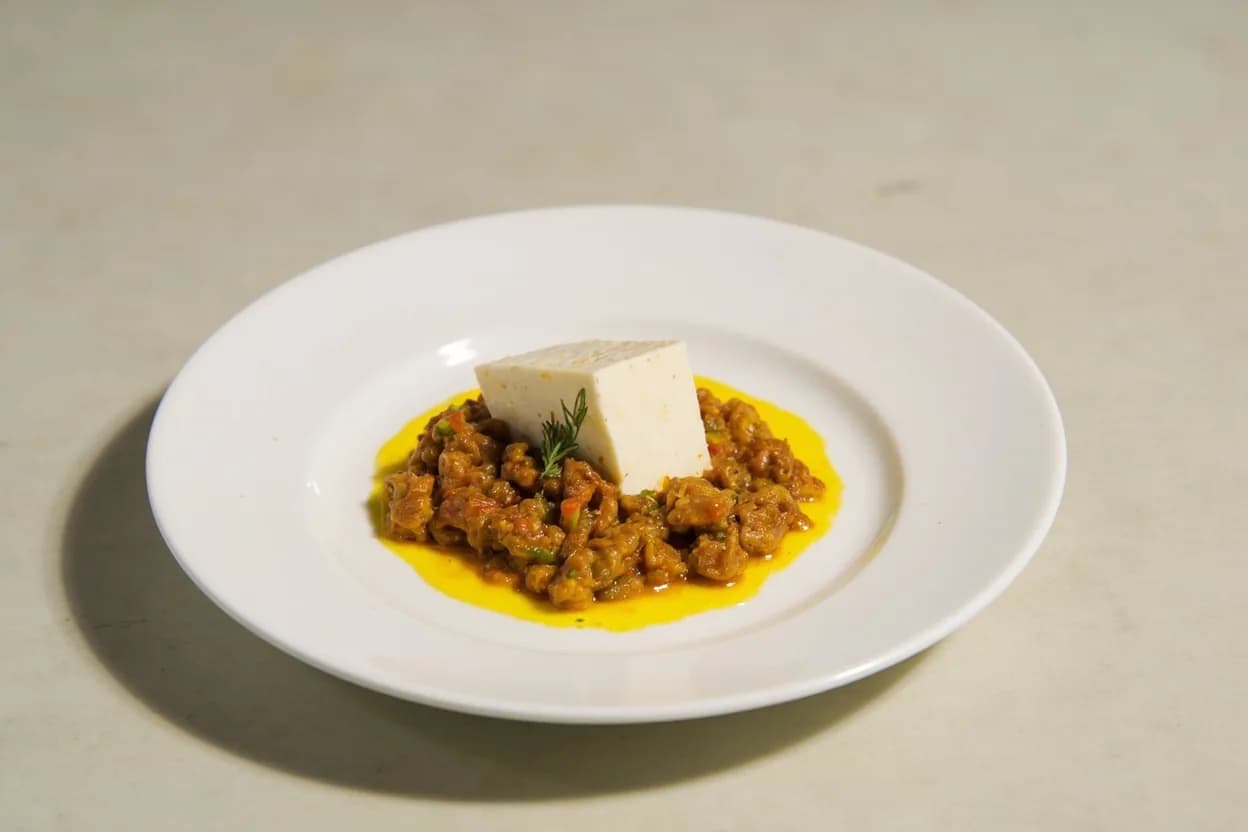
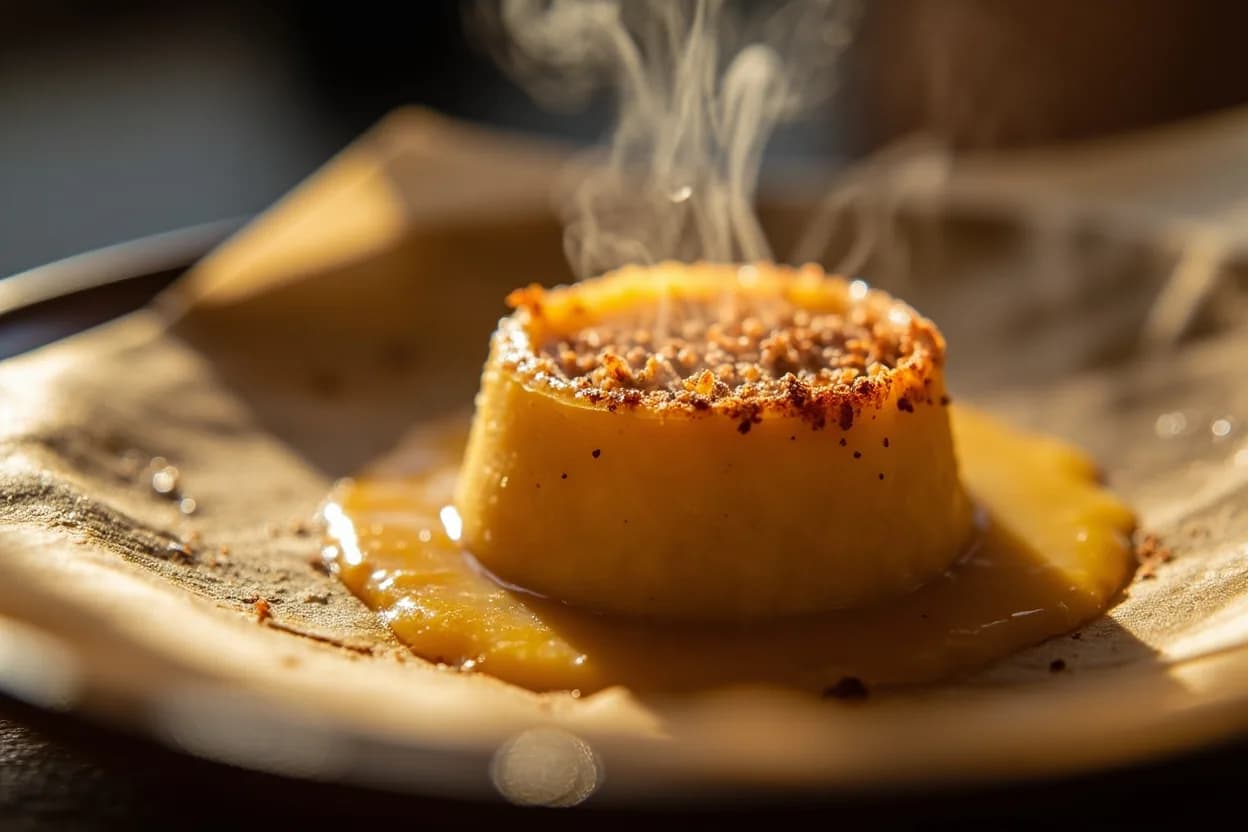
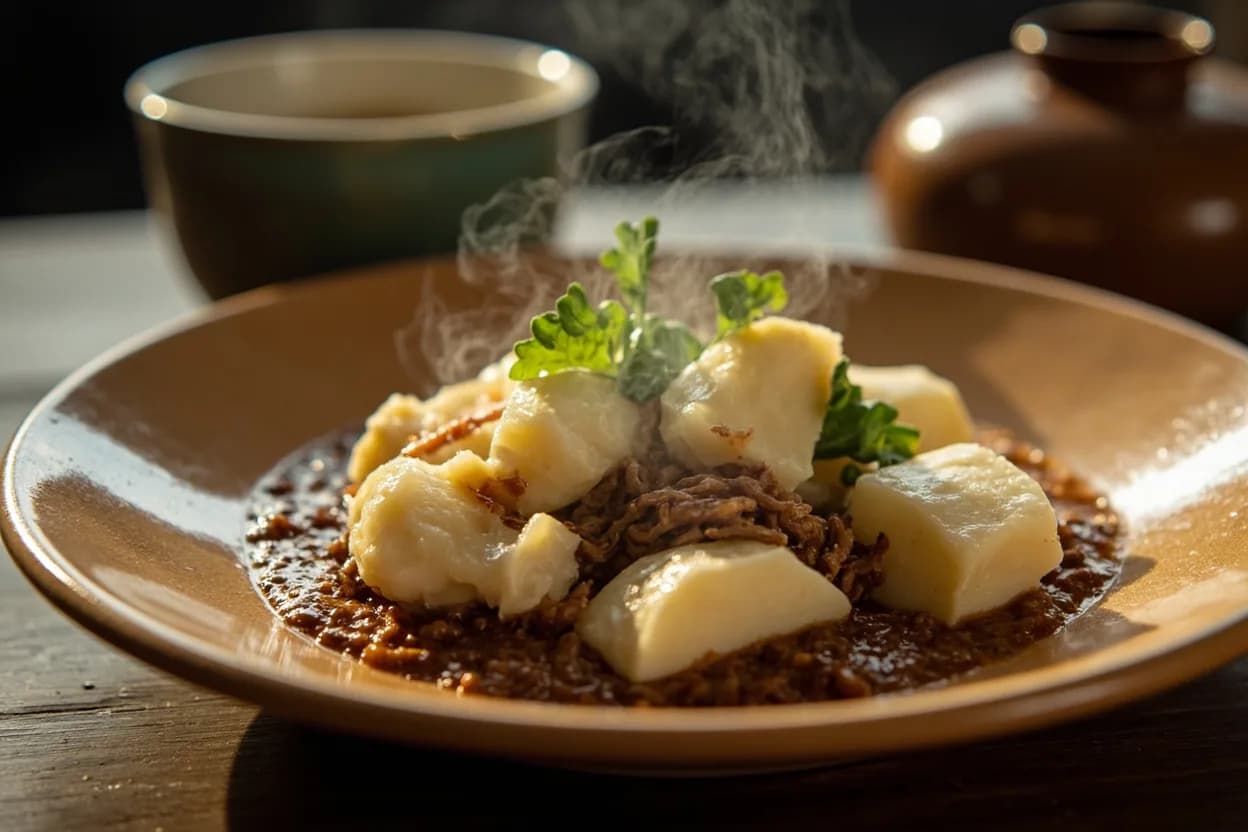
Dishes that rely on it

Related

Confit
Cook slowly submerged in fat for silky tenderness and keeping

Cure
Draw out moisture with salt and time to preserve and concentrate

Pickle
Steep in acidic brine for bright, tangy, crunchy preservation

Ferment
Let friendly microbes transform food into tangy, complex flavor

Marinate
Soak in a seasoned mix to flavor and tenderize before cooking

Brine
Soak in salt water so meat stays juicy and seasoned throughout

Dehydrate
Slowly dry out moisture to concentrate flavor and extend shelf life

Cold-Smoke
Perfume cured food with smoke without cooking it through