Prep & Assembly
French Meringue
Raw egg whites whipped with sugar into a glossy, stable foam for baking.
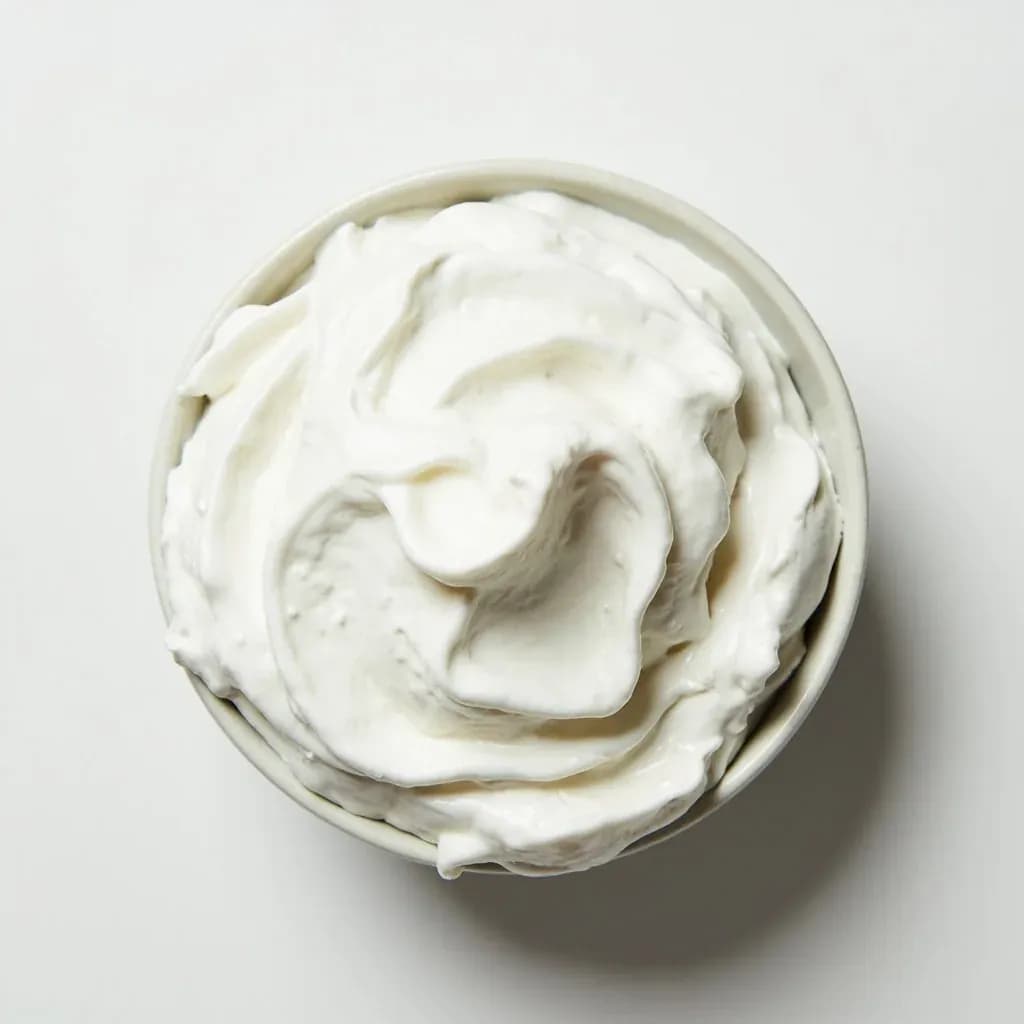
French meringue is the simplest meringue, made by whipping egg whites to soft peaks while gradually adding granulated sugar until stiff and glossy. It is used as the airy base for cookies, soufflés, macarons, and folded into batters for lift. Because the whites are uncooked, French meringue must be baked to set and stabilize it.
French meringue is the simplest of the three classical meringue methods: raw egg whites whipped to a stable foam, sweetened, and baked at low heat until dry. Because the sugar is added cold and uncooked, the result is a light, crisp shell with a faintly marshmallowy center — not the dense, marshmallow-soft body of Swiss or the glossy, heat-cooked structure of Italian. The method defines the piped kisses, vacherins, mushroom caps, and crisp tart bases of classic pastry, and remains the default meringue for most home baking.
- Difficulty
- Medium
Types & varieties
Raw whites whipped with sugar gradually added; piped or spooned, then baked low until dry.
A hot sugar syrup cooked to about 121°C (firm- to hard-ball stage) is poured into whipping whites; the foam is cooked, glossy, and exceptionally stable.
Whites and sugar are warmed together over a bain-marie until the sugar dissolves, then whipped; dense, smooth, and stable.
How to do it
- 1
Prepare equipment and ingredients
Wipe a glass, copper, or stainless-steel bowl and whisk with a cloth moistened with lemon juice or white vinegar, then dry thoroughly. Measure sugar and set aside. Separate eggs one at a time over a small bowl, transferring each clean white to the main bowl — a single yolk or piece of shell in the working whites ruins the whole batch.
- 2
Bring whites to room temperature
Let the whites sit 20–30 minutes on the counter. Cold whites whip to lower volume; warm whites whip faster and taller.
- 3
Begin whipping
Whisk on low-to-medium speed until the whites become a loose, white foam with small bubbles — about 1 minute. This gentle start builds a stable foam structure.
- 4
Add stabilizer
Sprinkle in 1/8 teaspoon of cream of tartar (or a small pinch of fine salt) per 2–3 whites. Continue whipping on medium speed.
- 5
Reach soft peaks
Whip until the foam forms soft peaks that curl over at the tip when the whisk is lifted — about 2–3 minutes total.
- 6
Add sugar gradually
With the mixer on medium-high, add the sugar one tablespoon at a time, waiting 15–20 seconds between additions. Rushing this step produces a grainy, weeping meringue. The mixture will look deflated at first, then rebuild.
- 7
Whip to stiff, glossy peaks
Continue whipping 3–5 minutes after the last sugar addition, until the meringue stands in stiff, sharp peaks with a satin sheen. Rub a small amount between your fingers — it should feel smooth, not gritty. If sugar is still gritty, keep whipping.
- 8
Shape the meringue
Use immediately. Pipe, drop by spoonful, or spread onto parchment- or silicone-mat-lined trays. Work quickly — the foam begins to weep and deflate as it sits.
- 9
Bake low and slow
Bake at 90–110°C / 200–225°F. Small cookies need 45–60 minutes; larger shells or bases need 90–120 minutes. They are done when the surface is dry and crisp and the underside releases cleanly from the paper. They should not brown.
- 10
Cool in the oven
Turn the oven off, prop the door open with a wooden spoon, and leave the meringues inside for at least 30 minutes (up to 2 hours) to cool gradually. This prevents cracking from thermal shock.
- 11
Store properly
Keep baked meringues in an airtight container at room temperature for up to 2 weeks. Do not refrigerate — condensation makes them weep and go soft.
Choosing among French, Swiss, and Italian
The three methods differ chiefly in when and how the sugar meets the whites, and that single decision reshapes the foam's behavior in the bowl, the oven, and on the plate.
- French: sugar goes in raw, in stages. Lightest, driest, most fragile. Best for baked shapes — kisses, vacherins, tart bases, dried shards — and for browned pie toppings where the surface is torched or broiled briefly.
- Swiss: sugar is warmed with the whites over a bain-marie to dissolve before whipping. Denser and glossier, with a marshmallow-soft set. Standard for buttercream bases and for rolled or molded decorations.
- Italian: hot sugar syrup is poured into whipping whites, cooking the foam to a glossy, stable finish that holds for hours. The choice for piping sharp peaks that must keep their shape at room temperature, for macaron shells, and for toppings that sit on warm fillings (lemon meringue pie, baked Alaska) without weeping.
Troubleshooting common problems
Most French meringue failures trace back to fat, rushing, or wrong oven behavior. Read the symptoms and the cause usually reveals itself.
- Deflated foam / won't reach peaks: fat contamination from yolk, greasy bowl, or plastic equipment. Re-clean the bowl with lemon juice or vinegar and start over.
- Grainy, weeping foam: sugar added too quickly, or not whipped long enough for the sugar to dissolve. Rub a bit between your fingers — if it feels gritty, keep whipping.
- Weeping or beading on baked meringue: under-baked interior, or oven too hot (surface sealed before the inside dried). Lower the temperature and extend the bake.
- Cracked shells: thermal shock from removing the meringue from a hot oven. Cool in the turned-off oven with the door ajar for at least 30 minutes.
- Sticky or chewy stored meringue: humidity. Store airtight immediately after cooling, ideally with a silica packet, and avoid refrigerating.
Common uses
Tips & pitfalls
- Wipe bowl and whisk with lemon juice or vinegar, then dry — any trace of fat will stop the whites from whipping.
- Separate eggs cold from the fridge, but let the whites warm to room temperature (about 20–30 minutes) for maximum volume.
- Add sugar one tablespoon at a time once the whites reach soft peaks; dumping it in deflates the foam and causes weeping.
- Stop whipping at stiff, glossy peaks — over-beaten whites turn dry, grainy, and difficult to pipe.
- Use superfine/caster sugar for quicker dissolution; if using granulated, pulse it briefly in a blender.
- Bake at 90–110°C / 200–225°F; higher heat browns the surface before the inside dries, causing cracking and weeping.
- Leave the meringues in the turned-off oven with the door ajar for at least 30 minutes — sudden cooling cracks them.
- On humid days, meringues absorb moisture and turn sticky; bake on dry days or store immediately with silica packets.
- For colored meringues, use gel or powder food coloring — liquid coloring adds water and deflates the foam.
- For vegan meringue, aquafaba (chickpea brine) whips to a French-style foam, though it is less stable than egg whites.
Good to know
- Other names
- Common meringue; ordinary meringue
- Method family
- One of the three classical meringues, alongside Swiss and Italian
- Standard ratio
- About 1 part egg white to 1 part sugar by weight; can rise to 1:2 for drier, crisper cookies
- Key stabilizer
- Cream of tartar, about 1/8 tsp per 2–3 egg whites, or a small pinch of fine salt
- Egg state
- Room-temperature whites give the best volume; separate cold, then rest 20–30 minutes
- Typical bake
- 90–110°C / 200–225°F for 45–120 minutes depending on size, then cool in the turned-off oven
- Stability vs. other meringues
- Less stable than Swiss or Italian because the sugar is never dissolved by heat — piped shapes hold but the foam weeps quickly if left sitting
- Equipment
- Spotlessly clean, grease-free glass, copper, or stainless bowl and whisk; plastic bowls should be avoided
Related

Whisk
Beat ingredients smooth and aerated with a looping wire motion

Sift
Pass dry ingredients through mesh to aerate and remove lumps

Strain
Pour through mesh to separate solids from liquid for a smooth result

Filter
Pass liquid through fine material to clarify out the smallest particles

Rice
Press cooked potatoes through small holes for fluffy, lump-free texture

Mash
Crush soft cooked food into a rustic, creamy purée

Grind
Crush food into a coarse to fine texture, from spices to meat

Grate
Shred food into fine bits against a sharp-toothed surface