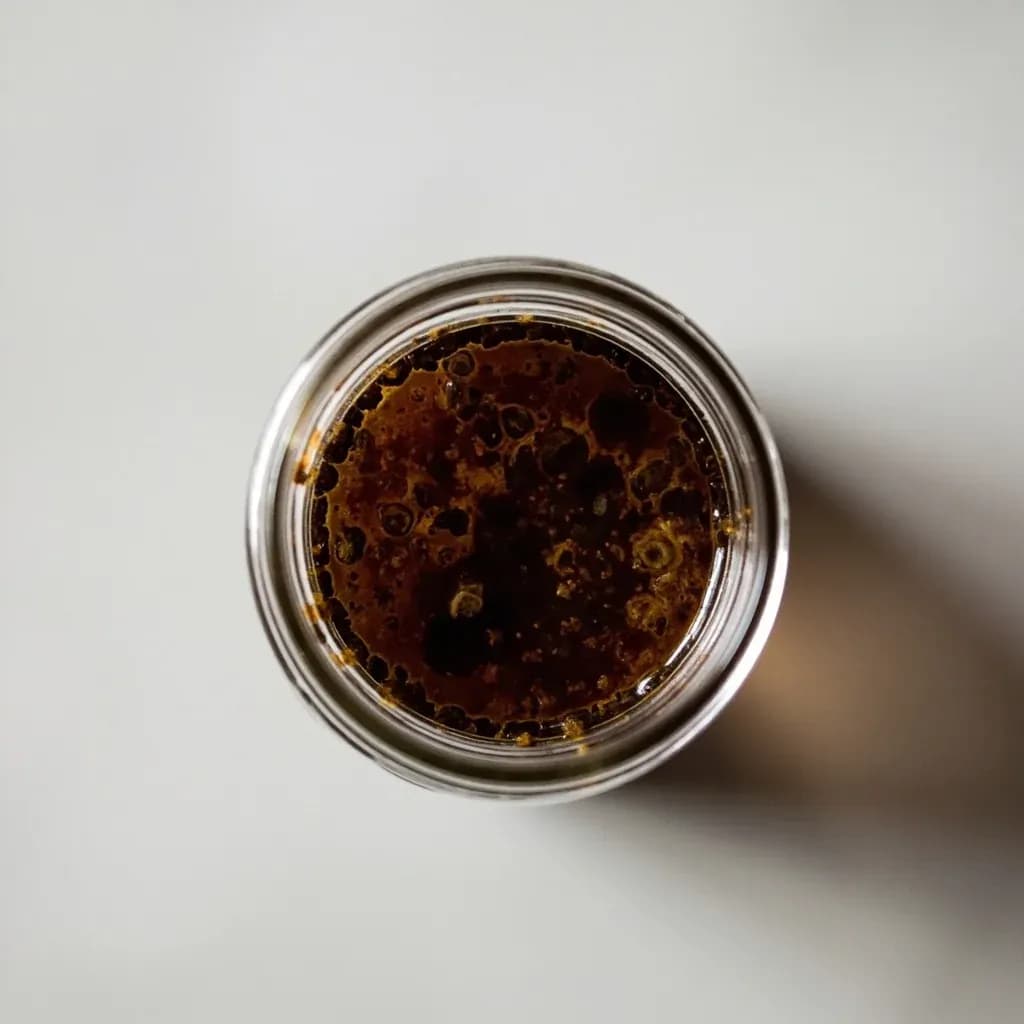
Transform & Preserve
Cold Brewing
Steeping coffee or tea in cold water for many hours to extract a smooth, low-acid concentrate.
Cold brewing steeps coarse coffee grounds or tea leaves in cold or room-temperature water for 12 to 24 hours instead of using heat. The slow, low-temperature extraction pulls out flavor and caffeine while leaving behind much of the acidity and bitterness, producing a mellow, sweet concentrate. The result is strained and typically diluted or served over ice.
Cold brewing is the steeping of coffee or tea in cool or room-temperature water for many hours, typically 12 to 24, to produce a smooth, low-acid extract. It is not simply iced coffee made by chilling a hot brew; the cold water pulls a fundamentally different set of compounds from the grounds, including the sweeter melanoidins, sugars, and lipids, while leaving behind many of the bitter lactones, phenylindanes, and acidic chlorogenic acids that hot water readily dissolves. The result is a concentrate that tastes rounder and sweeter on the palate even though the total dissolved solids can rival a hot-brewed cup.
The technique matters because it solves a specific problem: hot-brewed coffee and tea are often too sharp, bitter, or astringent for some drinkers, for milk drinks, or for use in desserts and cocktails where bright acidity would clash with other ingredients. Cold-brewed coffee also keeps considerably longer than a hot-brewed cup, primarily because the absence of spent grounds halts further extraction and the chilled, sealed environment slows oxidation and microbial activity. For tea, cold water preserves the volatile aromatics in green, white, and floral oolongs that steam off the moment the leaves meet boiling water.
Practically, cold brewing is one of the most forgiving techniques in the pantry. The variables that sink a hot brew — temperature fluctuations, uneven extraction, channeling — barely apply, and the home cook needs little more than a jar, a coarse grind, and a refrigerator to get a reliable result.
- Difficulty
- Easy
Types & varieties
Coarse grounds steeped in cold water in a jar, French press, or Toddy-style vessel, then filtered. The standard home method.
Water drips one drop at a time through a tower of grounds over 3–6 hours. Produces a cleaner, more nuanced cup than immersion.
Predecessor of Kyoto-style, developed in colonial Java in the 17th century. Ice water drips through grounds in a tall glass apparatus.
Stronger ratio (1:4 to 1:8) intended to be diluted before drinking; the standard café format.
Brewed at drinking strength (1:15–1:18) and served without further dilution, usually bottled.
Concentrate infused with nitrogen through a stout tap, giving a creamy, cascading pour and micro-foam head.
Same principle applied to loose-leaf or bagged tea; lower astringency, brighter florals, less bitterness.
How to do it
- 1
Grind and measure
Weigh coffee (coarse grind) and cold filtered water. For a concentrate, start at 1:5 by weight — e.g., 100 g coffee to 500 g water — and adjust to taste on the next batch.
- 2
Combine
Place grounds in a jar, French press, or Toddy-style vessel and pour over the water. Stir gently for 30 seconds to wet all the grounds; no dry clumps should remain floating.
- 3
Steep
Cover and refrigerate for 12–16 hours. A longer steep (up to 20 hours) gives a heavier, more extracted cup; shorter steeps are lighter and more tea-like in body.
- 4
Strain (first pass)
Pour through a fine mesh strainer or nut-milk bag to remove the bulk of the grounds. Do not press or squeeze the grounds — pressing releases sediment and bitter fines into the liquid.
- 5
Filter (second pass)
Pass the strained liquid through a paper coffee filter or a cloth filter for clarity. This step is what separates silty home cold brew from café-quality cold brew.
- 6
Store and serve
Transfer concentrate to a sealed bottle or jar and refrigerate. Dilute 1:1 with water or milk over ice; sweeten or flavor as desired. Keeps 7–14 days chilled.
Why cold water tastes different
The flavor shift is a chemistry story, not just a temperature story. Hot water is a powerful solvent and pulls nearly everything out of the bean or leaf quickly, including the compounds that read as bitter and sour on the palate. Cold water works slowly and selectively. It dissolves caffeine and the sweeter, more polar compounds — sugars, lipids, melanoidins — while leaving behind many of the bitter lactones, phenylindanes, and acidic chlorogenic acids. The cup that results tastes smoother and slightly sweeter, and the perceived acidity drops noticeably even though the pH change is modest. The same selectivity is why cold-brewed green tea tastes almost nothing like hot-brewed green tea: the delicate floral and grassy volatiles survive because the water is too cool to drive them off as steam.
Concentrate vs. ready-to-drink
These are two different products brewed the same way. Concentrate is brewed at a thick ratio (typically 1:4 to 1:8 by weight) and held back for dilution; the café worker cuts it 1:1 with water or milk before serving. Ready-to-drink is brewed at drinking strength from the start (1:15 to 1:18) and goes straight into a cup or bottle. Brewing at concentrate strength gives more flexibility but introduces one common mistake: drinking it undiluted, which is overwhelmingly strong and reads as harsh. Always taste the concentrate diluted, ideally with the milk or water you actually plan to serve it with, before judging the brew.
Common uses
Tips & pitfalls
- Use filtered water — chlorine and hard minerals flatten the flavor noticeably over a long steep.
- Grind coarse. A fine or medium grind over-extracts in the long steep and turns the brew bitter and silty. This is the single most common home mistake.
- Weigh your coffee and water. Volume measurements are unreliable for cold brew ratios, especially for concentrate.
- Cover the vessel. Loose grounds exposed to air in the fridge pick up stray odors during the first few hours of steeping.
- Steep in the refrigerator, not on the counter, for a cleaner, brighter profile. Counter steeping extracts more rounded, heavier notes; very long counter steeps run into food-safety questions, so keep those under 8 hours.
- 12–16 hours is the sweet spot for most coffees; beyond 20 hours, woody and sour notes can creep in.
- Strain through a paper filter, not just a mesh, for a sediment-free cup. A reused nut-milk bag followed by a paper filter is the home kitchen's best friend here.
- For tea, cold-brewing green and white teas preserves delicate aromatics that hot water blows off, but cut steep times to 6–8 hours to avoid grassy, under-extracted flavors.
Good to know
- Also called
- Cold-water extraction
- Water temperature
- Roughly 35–70°F (2–21°C); never heated
- Standard steep time
- 12–24 hours for coffee; 6–12 hours for most teas
- Grind size
- Coarse, like raw sugar or coarse sea salt
- Concentrate ratio
- 1 part coffee by weight to 4–8 parts water
- Ready-to-drink ratio
- 1 part coffee to 15–18 parts water
- Shelf life
- 7–14 days refrigerated, sealed; finished diluted drink 2–3 days
- Modern patent
- Todd Simpson patented the Toddy system in the U.S. in 1964
Also called
Cold Brew Steeping · Cold Steeping
Dishes that rely on it
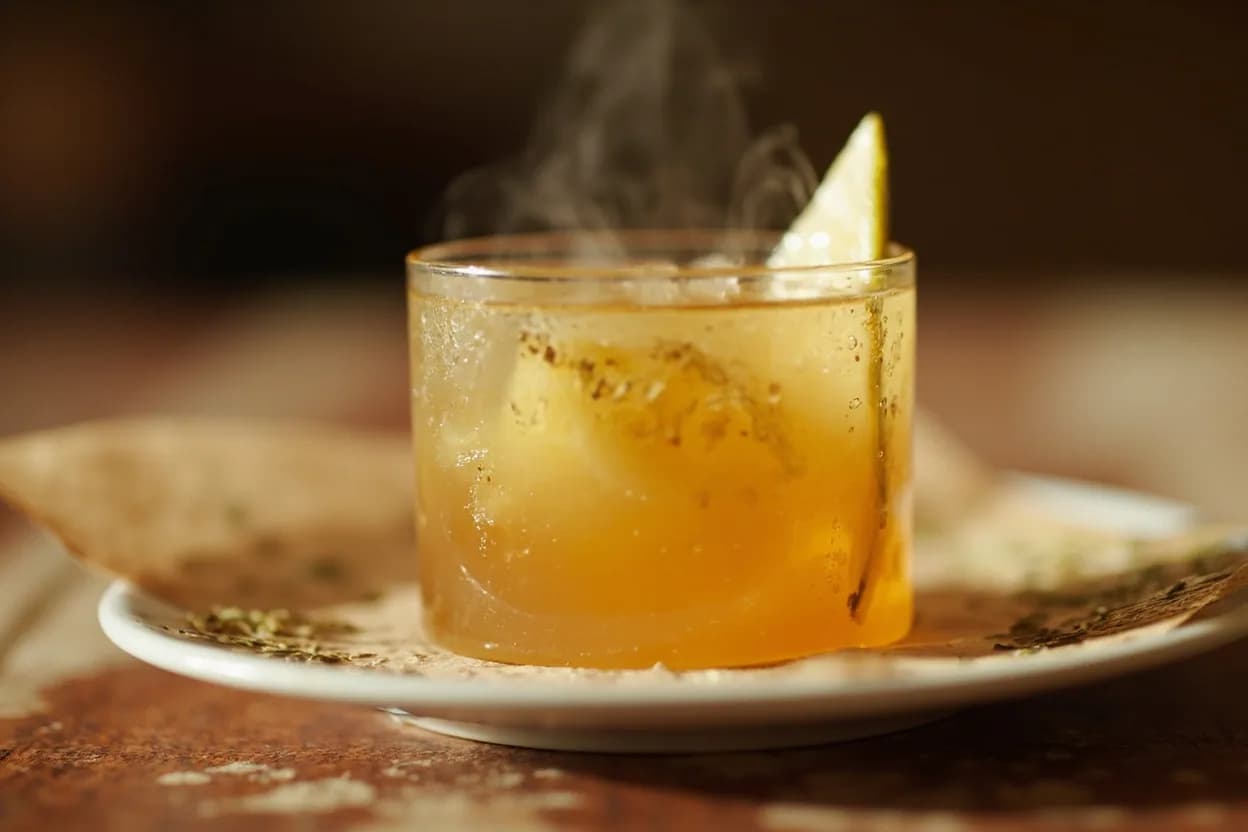
Related

Confit
Cook slowly submerged in fat for silky tenderness and keeping

Cure
Draw out moisture with salt and time to preserve and concentrate

Pickle
Steep in acidic brine for bright, tangy, crunchy preservation

Ferment
Let friendly microbes transform food into tangy, complex flavor

Marinate
Soak in a seasoned mix to flavor and tenderize before cooking

Brine
Soak in salt water so meat stays juicy and seasoned throughout

Dehydrate
Slowly dry out moisture to concentrate flavor and extend shelf life

Cold-Smoke
Perfume cured food with smoke without cooking it through