Transform & Preserve
Coconut Toddy Tapping
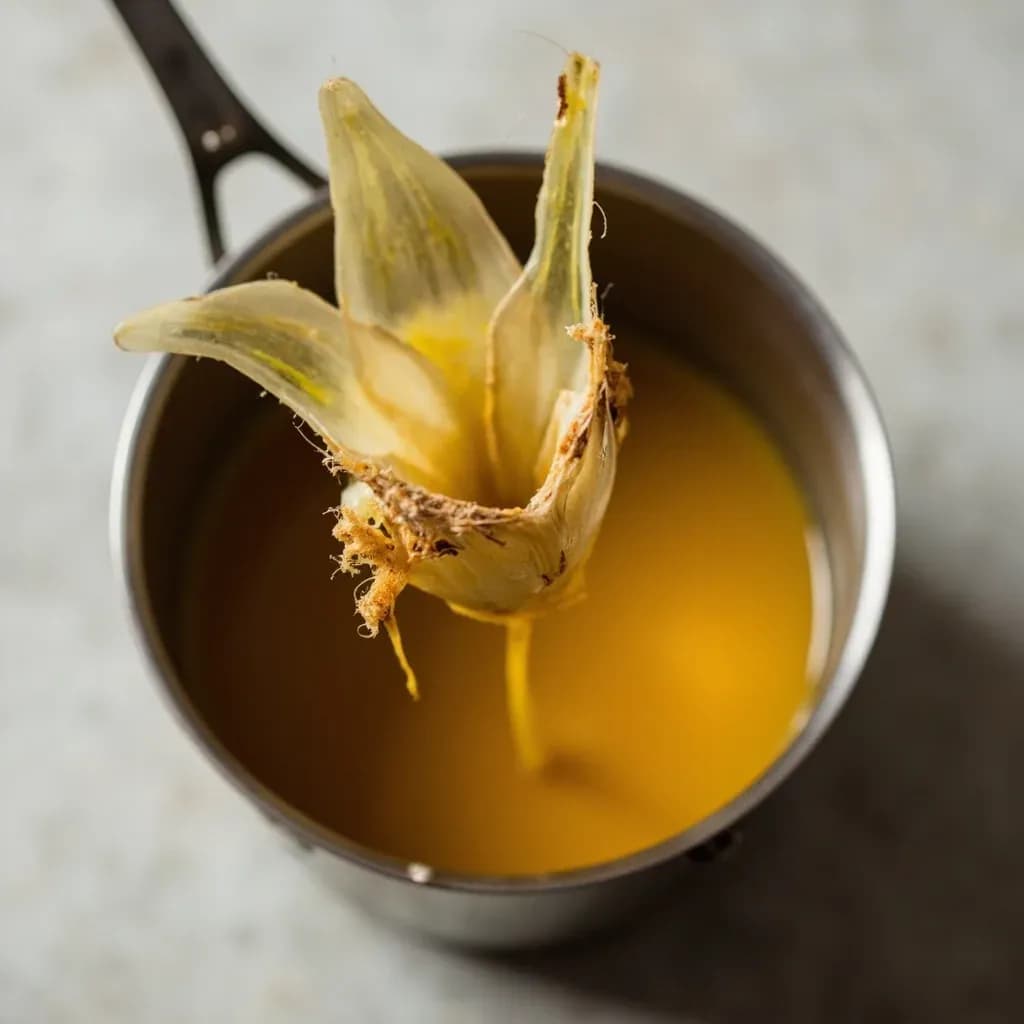
Cutting coconut flower spathes to collect sweet sap that ferments into toddy or vinegar.
Coconut toddy tapping scores or cuts the unopened flower stalk of a coconut palm so its sweet sap drips into a collecting vessel, often high in the tree. The fresh sap is drunk sweet or left to ferment into mildly alcoholic toddy, which can be further turned into vinegar or distilled. Tappers reopen the cut daily to keep the sap flowing.
Coconut toddy tapping is the traditional craft of cutting the unopened flower sheath — the spathe — of a coconut palm and collecting the sweet sap that drips out. That sap, called neera in much of South India and tuba in the Philippines, is a milky, faintly nutty, mildly effervescent liquid loaded with sugars, amino acids, and B vitamins. Within hours at tropical temperatures the wild yeasts carried in on the spathe and in the collection pot start converting those sugars into alcohol, so the same act of tapping can yield a sweet breakfast drink in the morning and a sour, mildly intoxicating toddy by evening.
The technique is the engine behind an entire family of products that go far beyond the drink most outsiders know. The same sap, handled differently, becomes coconut vinegar after a week or two, becomes coconut jaggery or palm sugar after an afternoon of boiling, and becomes a potent distilled spirit (lambanog in the Philippines, arrack in parts of South Asia) after further fermentation and pot distillation. Each product rewards a slightly different collection routine, vessel hygiene, and timing — and that is what makes the craft worth understanding even for cooks who will never climb a palm themselves, because the character of the jaggery, vinegar, or toddy in your kitchen is shaped entirely by what happened in the tree that morning.
Tapping is also one of the most demanding traditional trades in the food world. Skilled climbers ascend fifteen to twenty-five meters barefoot on a single coconut-fiber rope looped around the trunk and feet, balance on the crown, then do fine knife work twice a day for years on trees they often know individually. In Kerala, Sri Lanka, and the Philippines the craft is hereditary, with strong regional styles of knife, mallet, and clay pot. Modern commercial operations have begun replacing the rope climb with ladders, harnesses, and chilled food-grade pipelines, but the underlying biology — stimulate a bent spathe by beating, slice it thin, catch the drip — is unchanged.
- Difficulty
- Hard
Types & varieties
Focused on capturing fresh, non-fermented sap as a sweet beverage. Vessels are sterilized, sometimes lined with lime, and the sap is chilled to 2–4 °C within an hour of collection to halt wild-yeast activity.
Sap is allowed to ferment naturally into a mildly alcoholic drink; a small residue of the previous batch is often left in the pot to seed a consistent wild-yeast culture.
Sap is collected for fresh tuba drinking, fermented into sukang tuba (coconut vinegar), or distilled into lambanog, a 40–45% ABV coconut spirit.
Sap ferments into tuak, sometimes flavored with bark, fruit, or rice; in parts of Sulawesi and Java the same sap is instead boiled into gula merah palm sugar.
Sap is collected and boiled down the same day in shallow iron or copper pans to make coconut jaggery (gur) or a thick syrup used in sweets and curries.
How to do it
- 1
Select a suitable palm
Choose a mature coconut palm in full flower, generally seven years or older, with several plump unopened spathes visible in the crown. Avoid trees already tapped on more than one spathe or showing any sign of crown rot.
- 2
Choose and bind a young spathe
Pick a young, healthy spathe — the greenish or yellowish sheath enclosing the flower branches. Tie its tip with a strip of coconut fiber or palm leaf and gently bend it outward and downward at a shallow angle, away from the crown.
- 3
Stimulate the spathe by beating
Climb to the spathe once or twice a day for 3–7 days and beat it firmly along its length with a small wooden mallet. The bruising triggers phloem activity and primes the spathe to exude sap.
- 4
Make the first incision
After the stimulation period, slice off a thin sliver — only a few millimeters thick — from the very tip of the bent spathe with a curved tapping knife. Cut deep enough to expose fresh inner tissue but not so deep that you sever the vascular core.
- 5
Attach the collection vessel
Hang or wedge a clean earthen pot or food-grade plastic container directly beneath the cut, secured with fiber ties. The dripping sap should fall cleanly into the pot, not run down the spathe or palm.
- 6
Re-slice and collect twice daily
Visit the palm in the early morning and late evening. At each visit, slice off another thin sliver from the same cut face to keep it fresh, then empty the pot into a clean jerrycan or bottle.
- 7
Sustain the flow for months
Continue this routine for roughly 4–8 months. When flow dwindles to a trickle even after fresh slicing, retire the spathe, sterilize the pot, and open a new spathe on the same or a different palm.
- 8
Handle the sap to fit its end use
For fresh neera, chill and process within hours. For fermented toddy, leave the pot shaded and still. For jaggery, strain the day's collection into a shallow pan and boil steadily, skimming and stirring until the syrup darkens and sets into a firm block.
The products that fall out of one technique
What is extraordinary about toddy tapping is that a single daily routine produces a small family of ingredients that taste nothing like each other, simply by changing what the tapper does with the sap afterwards.
- Fresh neera — milky, faintly sweet, slightly fizzy, drunk within hours of collection; rich in B vitamins, vitamin C, potassium, and amino acids.
- Toddy, tuba, tuak — the same sap left in a shaded pot, reaching 4–8% ABV within 8–12 hours and turning sharper and more sour over two or three days.
- Coconut vinegar — full fermentation over one to three weeks; sharp, malty, with a deep amber color and around 4–6% acetic acid.
- Coconut jaggery and palm sugar — fresh sap boiled the same day into a dark, caramelly block or fine granular sugar; sucrose inverts fast, so delay means burnt flavor.
- Lambanog and arrack — fermented sap pot-distilled into a clear, high-proof coconut spirit; commercial lambanog typically lands at 40–45% ABV.
Regional character
The craft is rooted in coconut belts from Kerala and Goa across Sri Lanka, the Philippines, Indonesia, Malaysia, and Thailand to East Africa, Madagascar, and the Caribbean. Each region has its own dialect of the technique — different pot shapes, different knife curves, different rhythms of beating and slicing — but the underlying biology is identical.
- Kerala toddy shops pull fresh sap each morning and evening; the morning batch is sweeter, the evening batch already showing the first sour edge of fermentation.
- Sri Lankan bombora tapping in the wet zone yields the country's celebrated coconut vinegar, often aged in wooden vats.
- Philippine tuba collection feeds both the vinegar industry of Luzon and the lambanog distilleries of Quezon and Laguna.
- Across South India and Sri Lanka, jaggery tappers boil the day's sap into gur or a thick syrup for the market rather than fermenting it.
- In parts of Borneo and Sulawesi the same palm can be tapped for tuak, sago starch, or palm sugar depending on the community and season.
Tapping as a craft, not a recipe
Unlike most entries in a cooking encyclopedia, toddy tapping cannot be done in your kitchen — but understanding it changes how you cook with what it produces. Knowing that morning sap is sweetest and evening sap already leaning sour tells you to reach for fresh neera in breakfast drinks and for aged toddy when you want sharpness in a batter or curry.
- The clay pot is not decorative: its microflora seeds consistent fermentation; switching to stainless changes the vinegar's flavor profile.
- The thin slice at every visit is the single most important motion in the whole craft — a thick cut wastes sap and slows recovery.
- Sap flow tracks weather: warm monsoon months give the highest yields; dry spells shut a spathe down within days.
Common uses
Tips & pitfalls
- Re-slice the cut face thin and at every visit — sap flow drops sharply once the exposed tissue dries or scabs over.
- Bind and bend the spathe at a gentle downward angle so sap runs cleanly into the pot instead of splashing or running down the palm.
- Beat the spathe daily for several days before the first cut; skipping or shortening the stimulation period noticeably reduces yield.
- Use clean, food-grade vessels and rinse with hot water or a little lime juice when targeting fresh neera; residue of yesterday's fermented sap will pull the next batch toward toddy.
- Avoid tapping more than two spathes on a single palm at a time — over-tapping stresses the tree and cuts long-term yield.
- Collect the morning sap first; it is the sweetest, most abundant, and ferments more slowly than sap collected later in the day.
- If commercializing neera, chill the sap to 2–4 °C within an hour of collection to slow fermentation and preserve its milky, faintly nutty sweetness.
- Boil fresh sap the same day it is collected if the goal is jaggery — sucrose inverts quickly and the syrup darkens and tastes burnt otherwise.
- Never store collected sap in metal containers that previously held milk or acidic drinks; residues can taint flavor and accelerate fermentation.
Good to know
- Source plant
- Coconut palm (Cocos nucifera), specifically the unopened inflorescence called a spathe.
- Sap yield
- Roughly 1.5–3 L per palm per day once flow is established; vigorous, well-stimulated spathes in warm wet weather can reach 4 L.
- Collection schedule
- Twice daily — early morning and late evening — with a thin sliver re-sliced from the cut face at each visit to keep sap flowing.
- Stimulation period
- The bent spathe is beaten daily with a wooden mallet for 3–7 days before the first incision to trigger phloem activity.
- Productive life of a spathe
- A single tapped spathe can be kept flowing for 4–8 months before the cut dries up and a new one is opened.
- Fermentation speed
- Fresh sap begins fermenting within a few hours at tropical ambient temperatures and reaches 4–8% ABV as toddy in roughly 8–12 hours.
- Traditional climb
- Climbers ascend 15–25 m barefoot on a single coconut-fiber rope looped around trunk and feet; modern operations use aluminum ladders, harnesses, or mechanized platforms.
- Key tools
- Curved tapping knife (thooku in Malayalam, kathi in Sinhala), small wooden beating mallet, fiber ties, and an earthen or food-grade plastic collection pot (kuppi in Kerala, bombora in Sri Lanka).
- Origin / region
- Coconut belts of South and Southeast Asia — Kerala, Karnataka, Tamil Nadu, Goa, Sri Lanka, the Philippines, Indonesia, Malaysia, Thailand, Myanmar — and historically extended to coconut-growing parts of East Africa, Madagascar, and the Caribbean.
- Season
- Year-round in equatorial climates; sap flow is strongest in warm, wet monsoon months and weakest in prolonged dry spells.
- Skill level
- Specialized hereditary trade combining barefoot tree-climbing, balance, and precise knife work; apprenticeship typically begins in adolescence.
Also called
Coconut Toddy Tapping · Palm Sap Tapping
Related

Confit
Cook slowly submerged in fat for silky tenderness and keeping

Cure
Draw out moisture with salt and time to preserve and concentrate

Pickle
Steep in acidic brine for bright, tangy, crunchy preservation

Ferment
Let friendly microbes transform food into tangy, complex flavor

Marinate
Soak in a seasoned mix to flavor and tenderize before cooking

Brine
Soak in salt water so meat stays juicy and seasoned throughout

Dehydrate
Slowly dry out moisture to concentrate flavor and extend shelf life

Cold-Smoke
Perfume cured food with smoke without cooking it through