
Transform & Preserve
Fold
Gently combine mixtures while keeping precious air intact
Folding combines a light, airy mixture into a heavier one using slow, sweeping turns that preserve the air you worked to incorporate. It's essential for soufflés, mousses, and chiffon cakes. Use a wide spatula, cut down through the center, and turn — never stir or beat.
Folding is the gentle art of combining a light, airy mixture with a heavier one while sacrificing as little of that hard-won air as possible. Where stirring or beating would knock the bubbles flat, folding lifts the dense mixture up and over the airy one in slow, deliberate strokes, cutting down through the center with a wide spatula and turning the bowl. It's the make-or-break move in soufflés, mousses, chiffon and genoise cakes, and macarons — anywhere the lightness comes from beaten egg whites or whipped cream that you simply cannot afford to deflate.
- Difficulty
- Intermediate
Types & varieties
Whipped egg whites lightened into a denser base for soufflés and sponge cakes.
Whipped cream folded into mousse, fool, or custard to lighten and lift.
The precise folding of meringue into almond paste for macarons — under- or over-folding ruins them.
Sifted flour folded into a whipped foam to keep a sponge airy.
How to do it
- 1
Sacrifice a spoonful
Stir a small amount of the airy mixture into the heavier base to loosen it, so the bulk folds in more easily.
- 2
Add the rest on top
Spoon the remaining airy mixture over the lightened base rather than dumping it in.
- 3
Cut down the middle
Slice the spatula straight down through the center to the bottom of the bowl.
- 4
Sweep and lift
Drag the spatula across the bottom, then lift up the far side, bringing the heavy mixture over the airy one.
- 5
Rotate the bowl
Turn the bowl a quarter and repeat, so each fold reaches a new section.
- 6
Stop early
Fold only until just combined — a faint streak or two is fine; a deflated batter is not.
Why fold instead of stir
The whole point of folding is air retention. The bubbles in whipped cream or egg whites are what give the finished dish its rise and lightness; vigorous mixing shears and pops them, and the batter sinks. Folding combines with the fewest, gentlest movements possible, accepting slightly less even mixing in exchange for keeping the structure intact. The 'sacrifice' first stir matters because a too-stiff base would otherwise require excessive folding to incorporate.
Common uses
Tips & pitfalls
- A larger bowl gives room to fold without crowding and crushing the mix.
- Count your folds in macaronage — consistency is everything there.
- Stop the instant the streaks disappear; every extra fold costs air.
- Fold in two or three additions rather than all at once for delicate foams.
- Use the bowl rotation — it does half the work of reaching every part.
Good to know
- Tool
- A wide, flexible spatula — never a whisk or spoon
- Motion
- Down the center, across the bottom, up and over; rotate the bowl
- Order
- Lighten the heavy mix with a little foam first, then fold in the rest
- Goal
- Just combined — a few streaks are safer than overworked and flat
- Pace
- Slow and deliberate; speed deflates the air
Also called
fold in
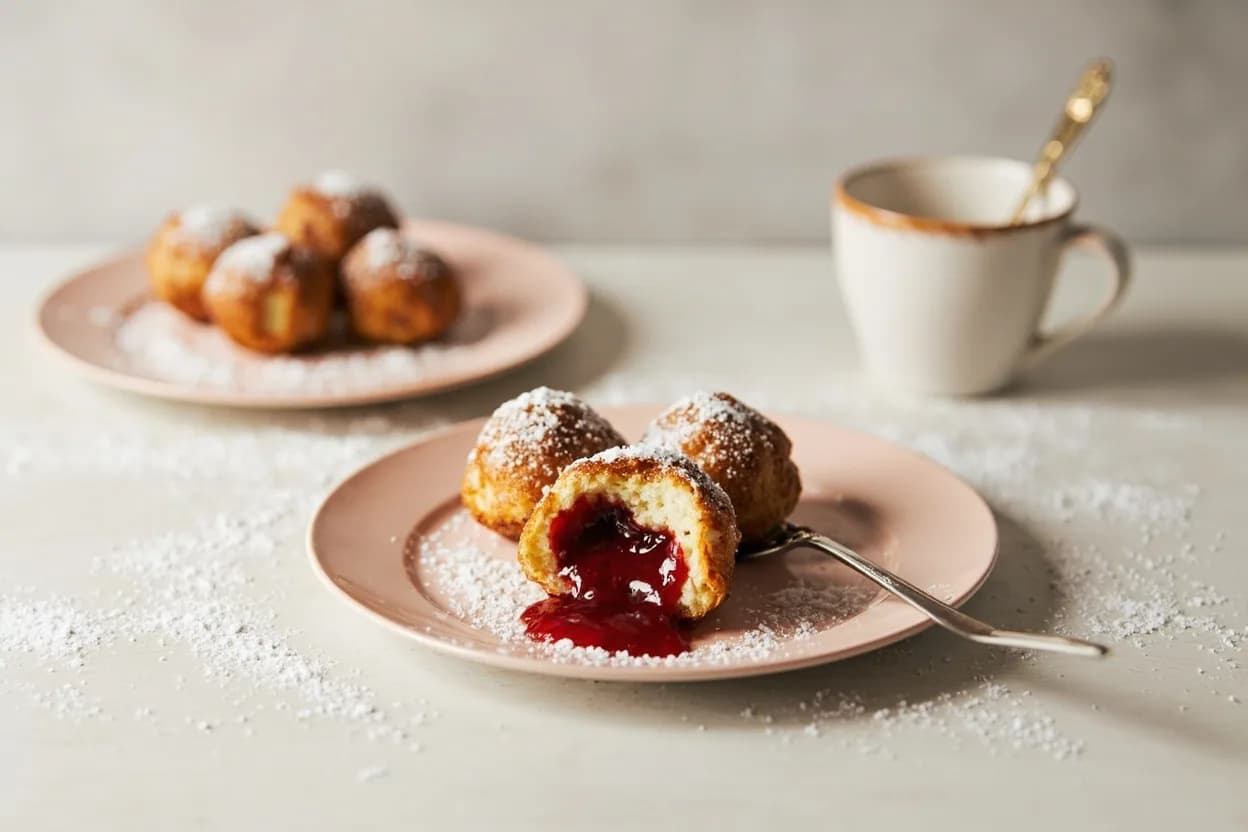
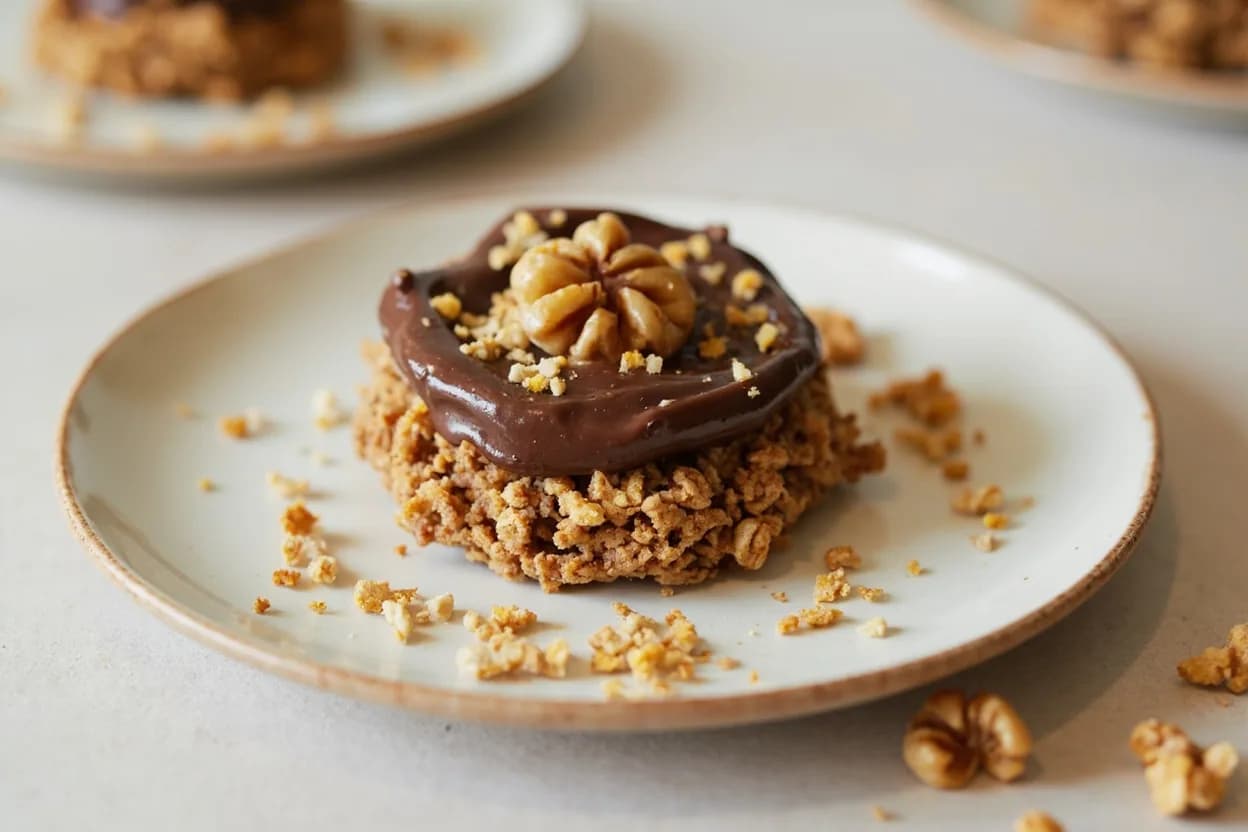
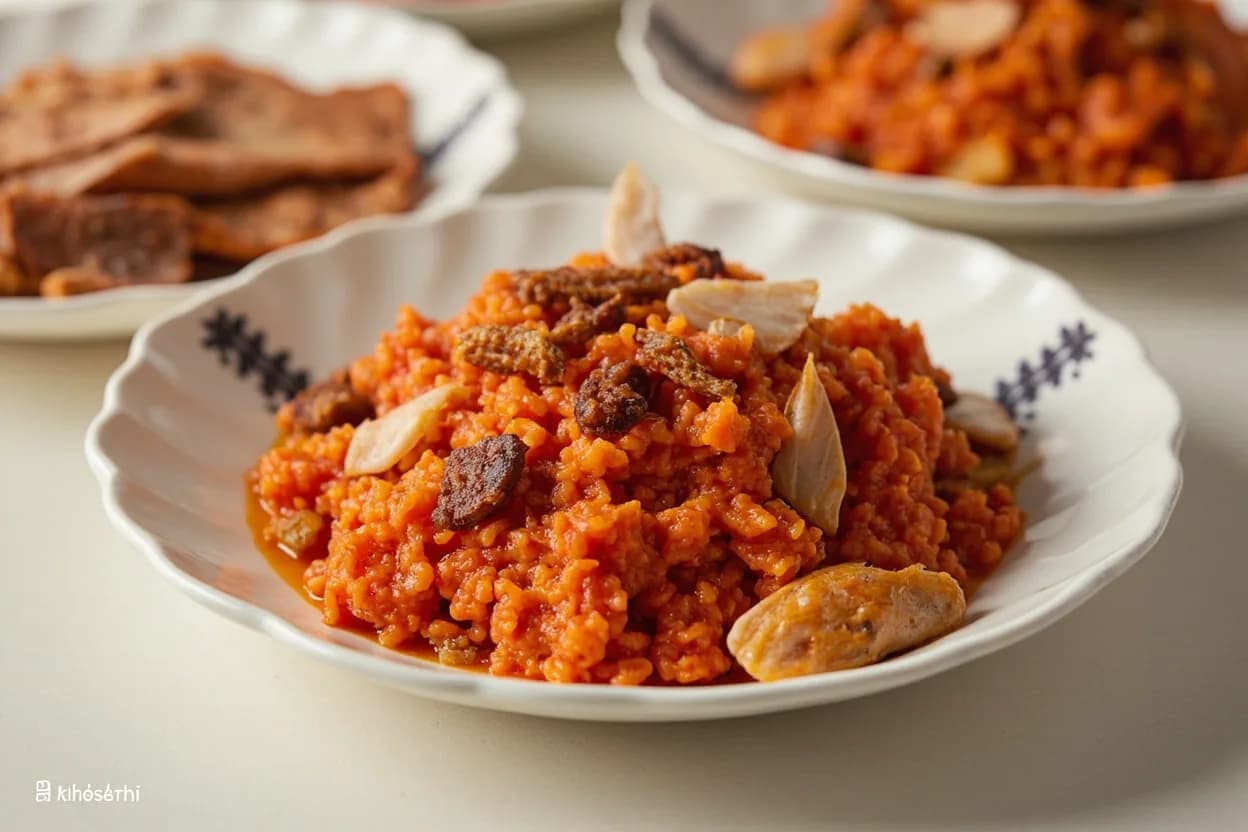
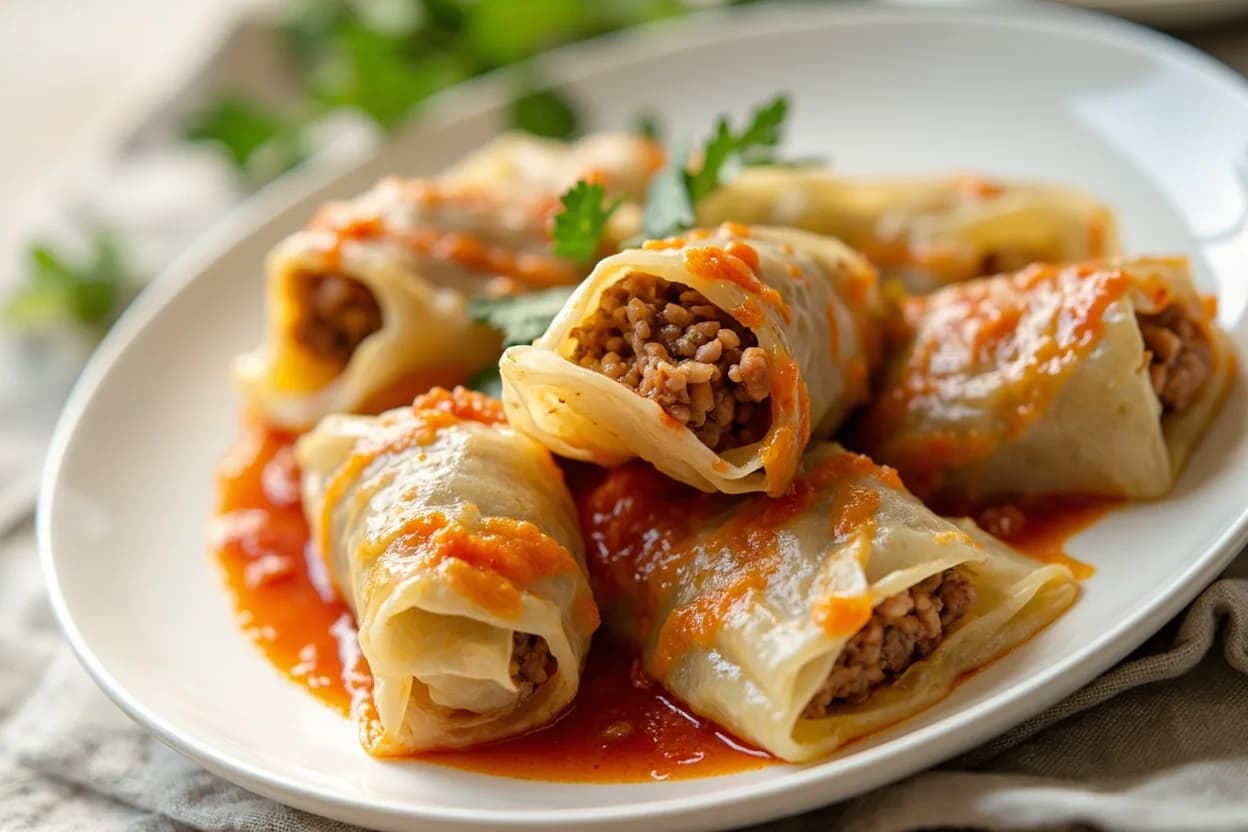
Dishes that rely on it
Related

Confit
Cook slowly submerged in fat for silky tenderness and keeping

Cure
Draw out moisture with salt and time to preserve and concentrate

Pickle
Steep in acidic brine for bright, tangy, crunchy preservation

Ferment
Let friendly microbes transform food into tangy, complex flavor

Marinate
Soak in a seasoned mix to flavor and tenderize before cooking

Brine
Soak in salt water so meat stays juicy and seasoned throughout

Dehydrate
Slowly dry out moisture to concentrate flavor and extend shelf life

Cold-Smoke
Perfume cured food with smoke without cooking it through