Heat & Fire
Griddle Cooking
Cooking on a flat, dry hot surface like a comal or tawa for flatbreads and toasted foods.
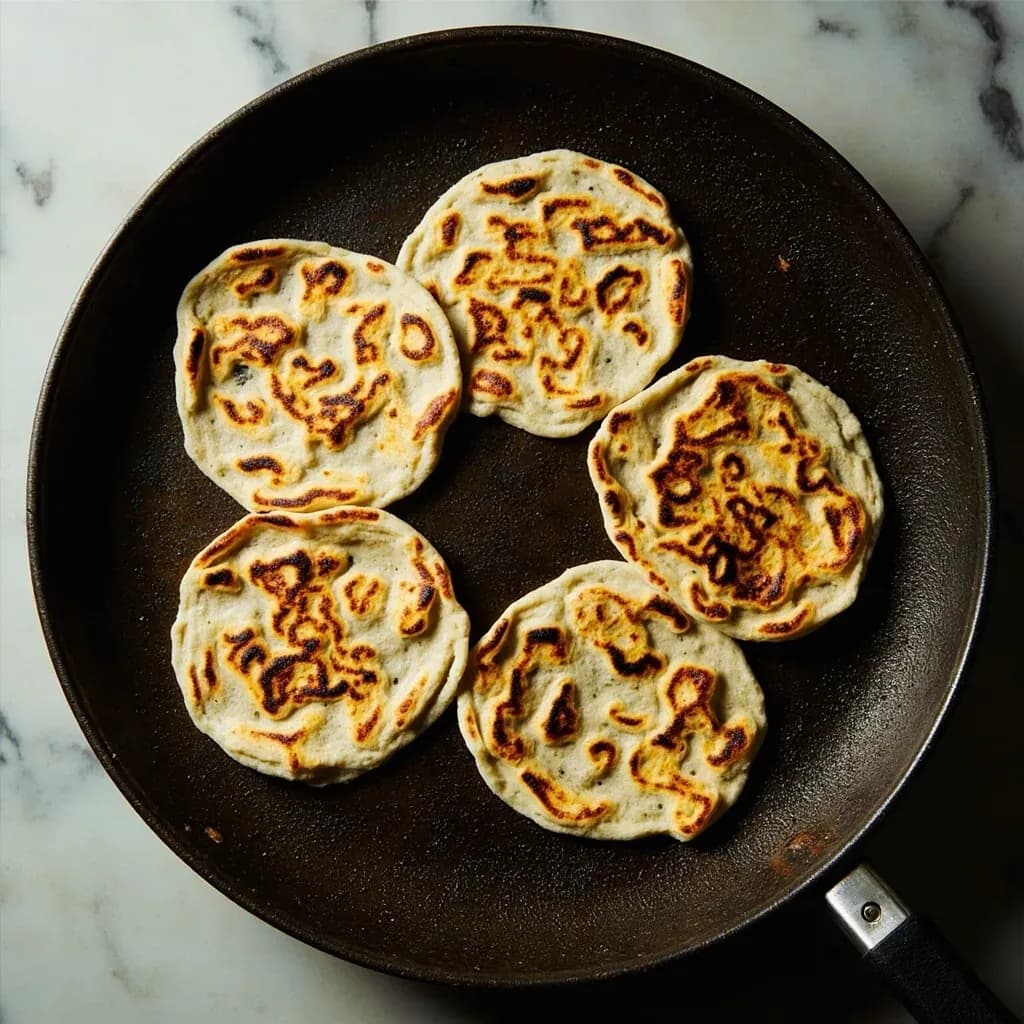
Griddle cooking uses a flat, very hot surface such as a Mexican comal, South Asian tawa, or clay pan to cook with little or no fat. It is the method for tortillas, arepas, roti, and toasting or charring vegetables and chiles. The bare metal or clay gives direct contact heat that blisters and toasts without the depth of fat-based frying.
Griddle cooking is the practice of cooking on a wide, flat, dry or lightly oiled hot surface — a comal, tawa, plancha, or commercial flat-top — rather than over open grates or in a small pan. The defining feature is full-surface contact: food sits directly on a thick metal plate heated from below by gas, electric coil, induction, or flame, and the cook works across that surface much the way they would a very large, very heavy skillet. Because the plate is broad, several items cook at once, rendered fat and fond spread across the cooking area, and the cook can bank finished food to a cooler corner while new items go down hot.
The chemistry is the same Maillard browning you get in a cast-iron pan, but the geometry changes the result. There are no grate marks and no flare-ups from drippings hitting flame, so the crust is uniform across the face of the food rather than striped and smoky. Two lineages matter most in the modern kitchen: the Mexican comal tradition, where a dry, well-seasoned surface toasts corn, chiles, and spices with no added fat, and the American short-order griddle, where a thin film of fat or oil is the norm and breakfast, smash burgers, and sandwiches are the daily work. Both run on the same equipment, and learning to move between the two mindsets is the heart of the technique.
- Difficulty
- Easy
Types & varieties
Mexican/Mesoamerican flat disc, originally clay, now often cast iron; used for tortillas, chiles, and toasting spices
Indian concave or flat pan (tava), typically cast iron; used for roti, paratha, dosa, and chapati
Large dome- or disc-shaped Middle Eastern griddle for saj bread, markook, and shrak
Spanish and Latin American thick steel plate; central heat, cooler edges; little to no oil; the basis of 'a la plancha' cooking
Japanese solid iron plate at the table; origin of teppanyaki, post-1945 restaurant form
Small, often cast-iron plate used to finish or brown the top of dishes in professional kitchens
Propane-heated stationary steel plates popularized in the U.S. since the late 2000s; common for smash burgers and breakfast
Heavy two-sided press griddle, used for Cuban-style sandwiches, panini, and pressed burgers
How to do it
- 1
Clean and prepare the surface
Scrape the griddle with a bench scraper or grill paddle to remove debris, then wipe with a lightly oiled cloth. For a freshly seasoned cast-iron or steel griddle, the surface should look dark and uniformly slick, not patchy or pale.
- 2
Preheat thoroughly
Ignite or switch on the griddle 10–15 minutes before cooking (longer for thick commercial plates). Target 350–400°F (175–200°C) for most tasks; up to 450°F (230°C) for smash burgers and steaks. Confirm with an infrared thermometer or a drop of water — it should ball up and skate across the surface.
- 3
Set up heat zones
If the griddle has multiple burners or a clamshell lid, establish a hot zone for searing and a cooler zone (around 250–300°F) for finishing, holding, or gently toasting. Use these zones the way you would a stovetop — hot side, middle, low side.
- 4
Apply fat if needed
For proteins and many vegetables, brush or pour a thin film of high-smoke-point fat (clarified butter, ghee, beef tallow, or neutral oil). For pancakes, eggs on a well-seasoned surface, and most flatbreads on a comal, no fat is necessary.
- 5
Lay the food down in the right order
Start with the longest-cooking items (bacon, sausage, dense root vegetables), then add items that need less time (eggs, pancakes, fish). Place each item flat — do not drop or splash, since the contact is what creates the crust.
- 6
Do not move it
Leave the food undisturbed until the underside releases cleanly when you nudge it with a spatula. Peeling or scraping too early tears the crust. Flip only once for most proteins and flatbreads; pancakes and crepes get one flip, indicated by bubbles setting on the surface.
- 7
Flip, finish, and move to a cooler zone
Turn with a thin metal spatula (or fish spatula for delicate items) held nearly flat. After the second side cooks, push the item to the cooler zone to rest or stay warm while the rest of the batch finishes.
- 8
Deglaze and lightly oil between batches
While the surface is still hot, scrape up fond with the bench scraper and a touch of oil. This keeps the seasoning active and prevents burnt bits from imparting bitterness to the next round of food.
- 9
Clean and protect the surface
While still warm, scrape, wipe with a thin oil coat, and leave uncovered until cool. For cast iron or carbon steel, never soak, never put in a dishwasher, and never use harsh soap once seasoned. Stainless and aluminum griddles can take soap but still benefit from an oil wipe-down to prevent flash rust.
Heat Zones and Banking
The single most useful skill on a griddle is dividing the surface into temperature zones the way a sauté cook divides a stovetop. With a multi-burner flat-top you can hold one side at 400°F for a sear and the other at 250°F for resting; on a comal or tawa the same idea is achieved by placing the pan so its center sits over the flame and its edges hang off the heat. Once you have zones, you can cook in batches without crowding, move finished food out of the way, and rescue anything that is browning too fast.
- Bank finished proteins, tortillas, and pancakes to the coolest part of the griddle to hold them — they will not overcook in a thin layer of radiant heat.
- Use the hot zone only for the initial sear; finishing happens on the middle or low side, especially for thick cuts of meat and dense root vegetables.
- On a single-burner pan, the area directly over the flame is your sear zone; the flared sides are your holding zone — rotate the pan as needed.
- If your griddle runs one even temperature, work in rounds: sear everything, then turn the heat down and finish in the residual warmth.
Griddle, Grill, or Skillet?
A griddle is not a grill and not a skillet, even though all three are dry-heat conduction methods. A grill has open grates that let drippings fall into the fire, producing smoke and the striped char marks we associate with barbecued flavor. A skillet is small, with high walls, and concentrates heat in a single portion. A griddle is the wide, flat middle ground: too small to be a grill, too big and too shallow to be a pan, and uniquely suited to cooking many things at once with one shared surface of fat and fond. If you find yourself reaching for a sauté pan to cook a single pork chop, you are doing skillet work; if you are trying to brown tortillas one at a time in that pan, you are wishing you had a comal.
Common uses
Tips & pitfalls
- Preheat longer than you think — a properly heated griddle should make a water droplet dance and skitter across the surface (the Leidenfrost test) before you cook on it.
- Use a small amount of high-smoke-point fat (clarified butter, ghee, grapeseed, or beef tallow) when you want flavor or extra crust; leave it dry for tortillas and pancakes on a well-seasoned surface.
- Resist moving the food — let it sit until it releases on its own; if it sticks, it isn't ready to flip.
- Scrape with a bench scraper or griddle paddle, not a wire brush — wire bristles can break off and lodge in food.
- Avoid cold food on a hot griddle — pat proteins dry and let them come to room temperature to get a real crust instead of steam.
- For smash burgers, ball and chill the meat, then press hard and flat once on the griddle; do not move until the crust forms.
- Re-oil the surface between batches on a flat-top, not just at the end, to keep the seasoning layer active.
- Common mistake: cooking on too low a temperature because the griddle feels hot — use an infrared thermometer; many home electric griddles run cooler than the dial indicates.
Good to know
- Heat method
- Direct conduction through a flat metal plate heated from below by gas, electric coil, induction, or open flame
- Surface temperature range
- Typically 300–450°F (150–230°C); can exceed 500°F (260°C) for hard sears
- Plate thickness (commercial)
- Standard restaurant griddles use a ½–1 inch (13–25 mm) thick steel plate for heat retention
- Common materials
- Cast iron, carbon steel, cold-rolled steel, stainless-clad aluminum, and hard-anodized aluminum
- Earliest known form
- The Mesoamerican comal, originally clay and later cast iron, used for tortillas since at least 1500 BCE
- Key food-contact property
- Even, full-surface contact — produces Maillard browning without the char lines of a grill grate
- Heat zones
- Large commercial griddles can have separate temperature zones from 200–450°F across a single plate
Also called
Griddling · Comal · Tawa · Comal Toasting
Dishes that rely on it
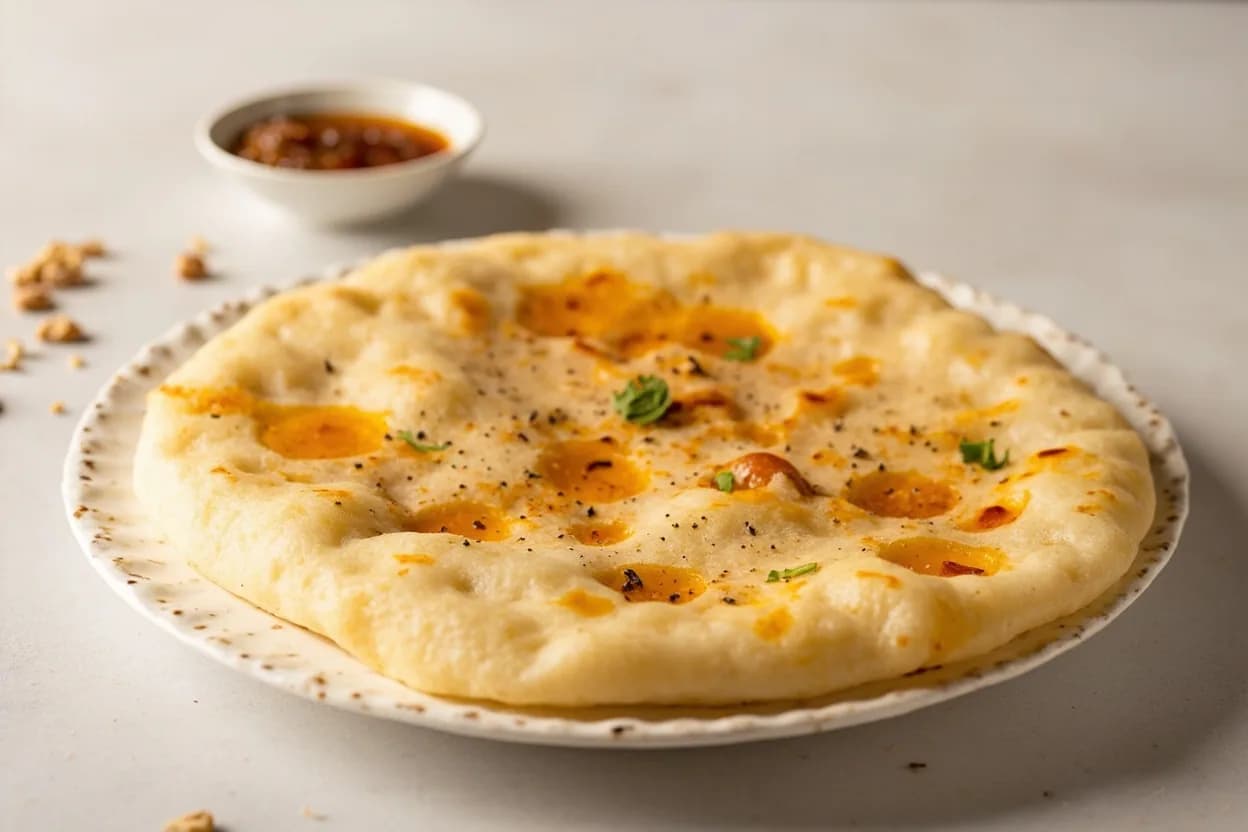
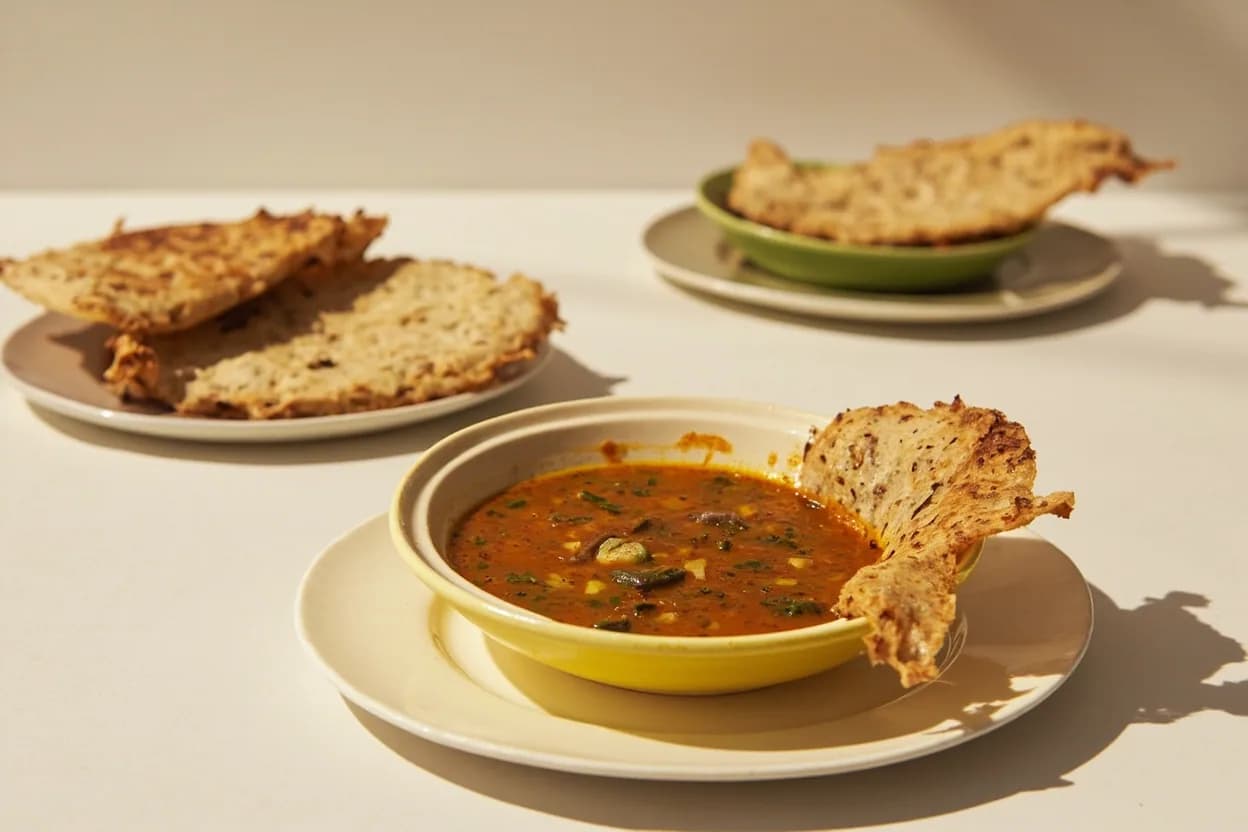
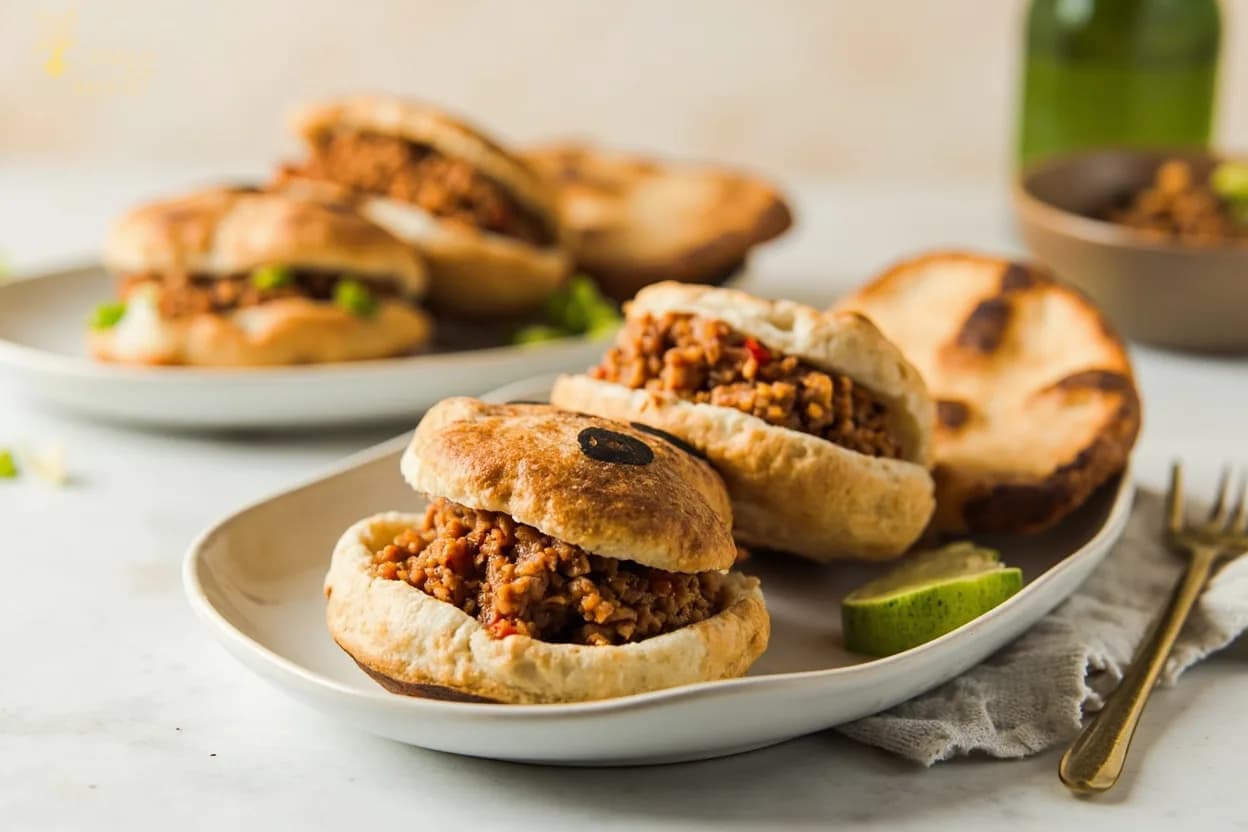
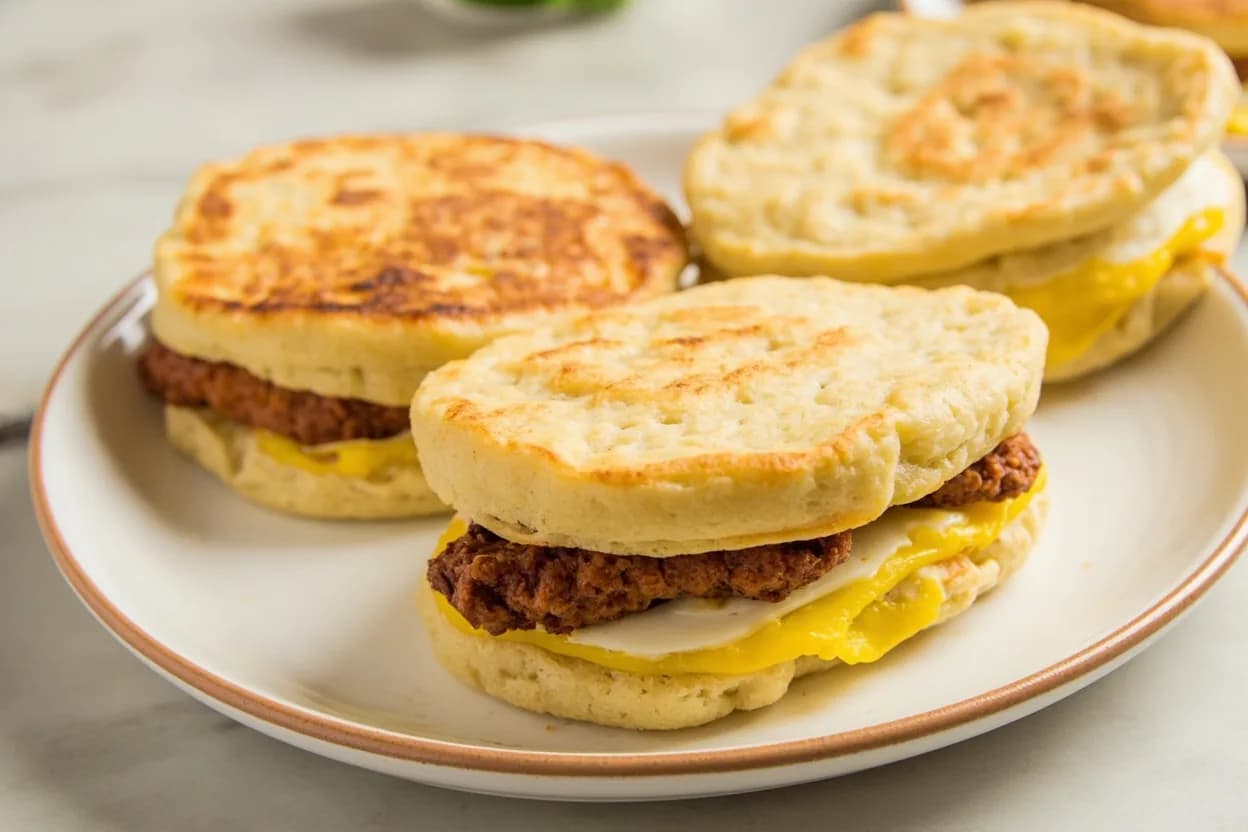
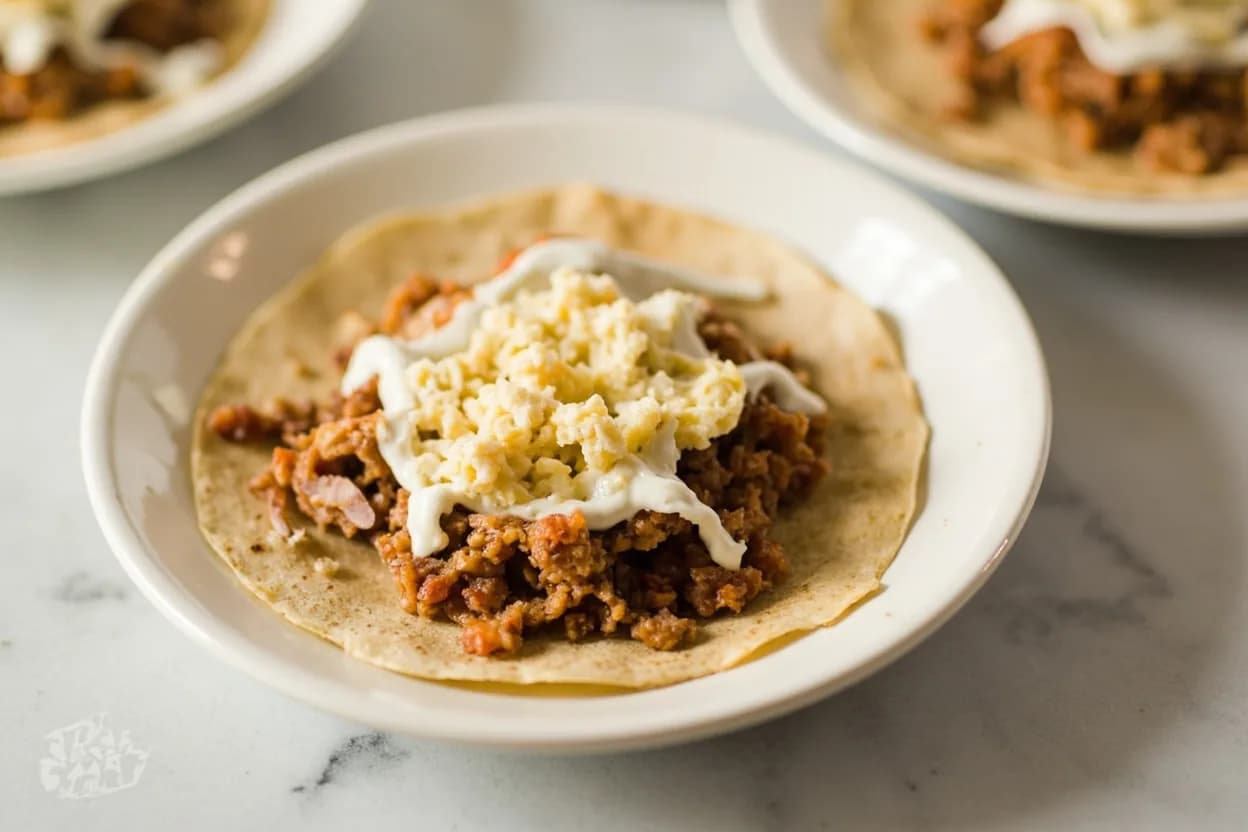
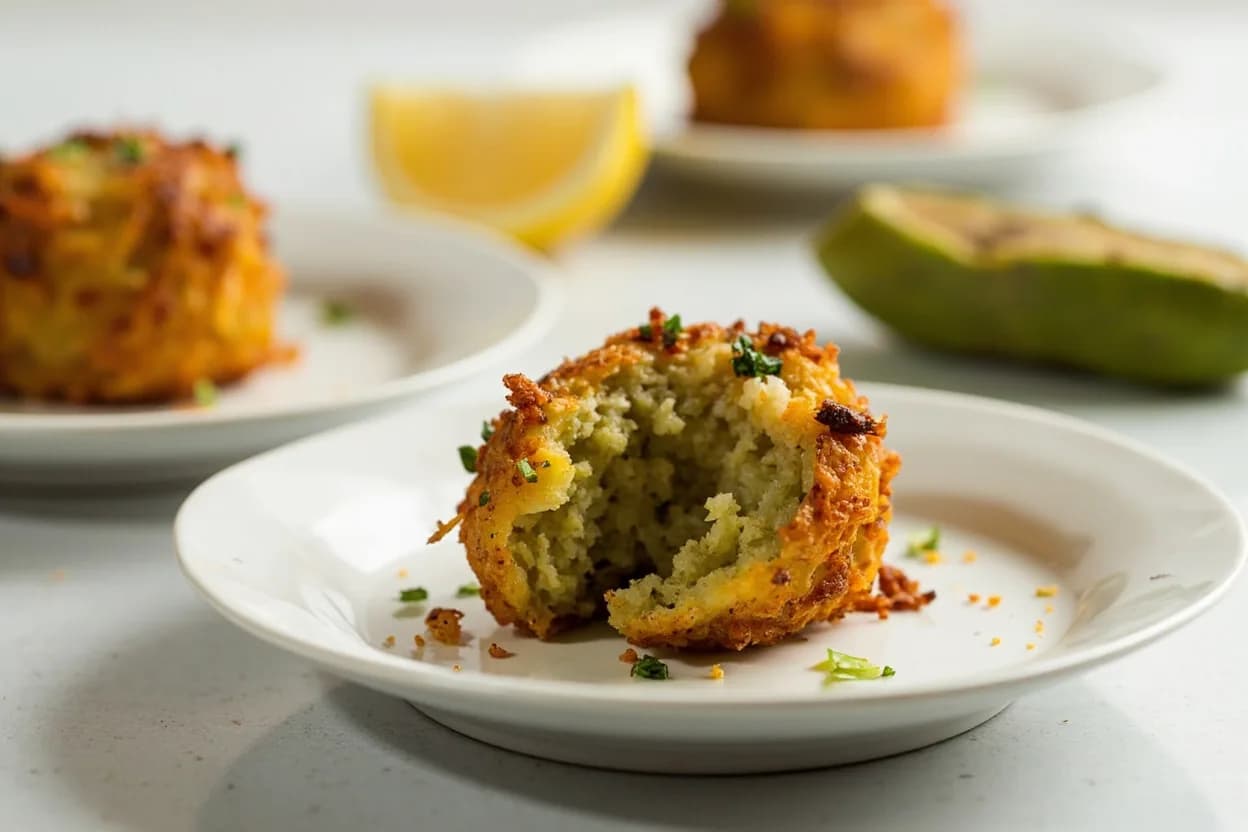
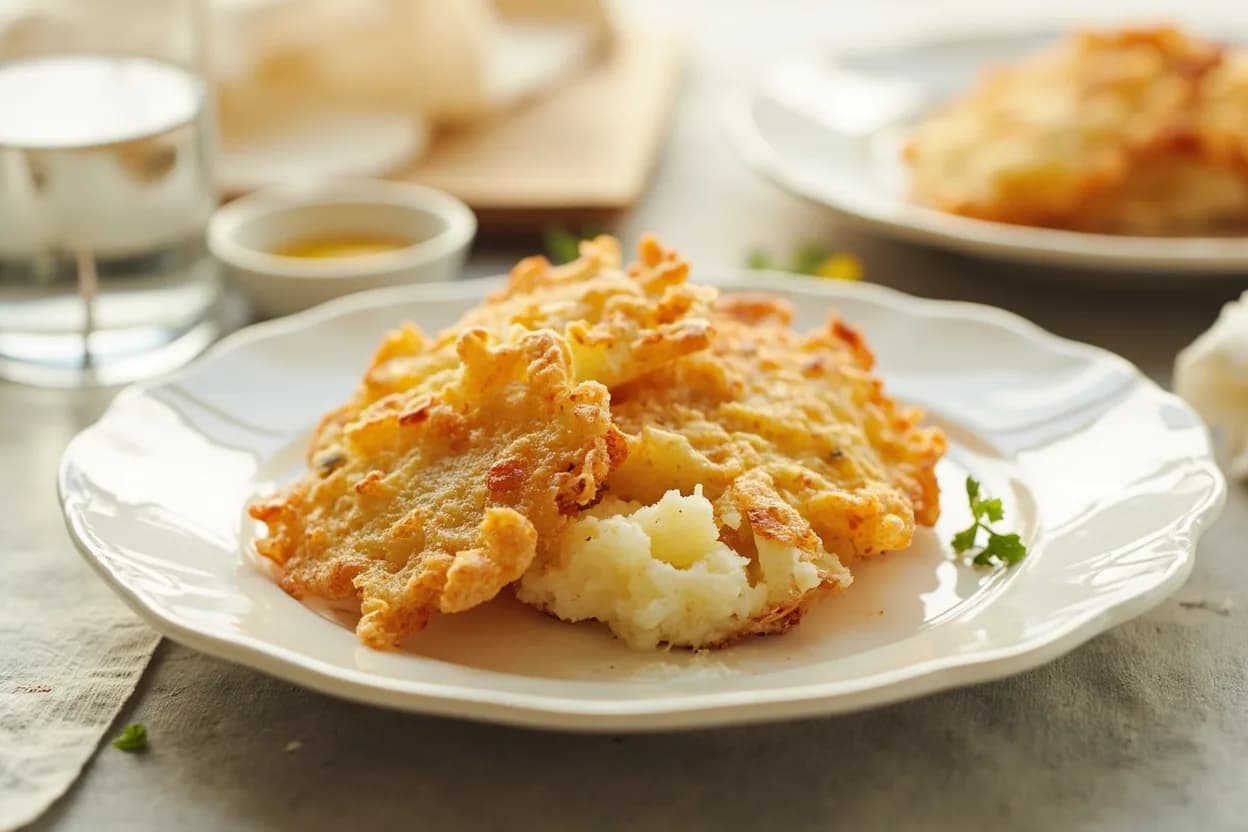
Related

Sear
Blast the surface hot for a deep-browned, savory crust

Sauté
Cook quickly in a little fat over lively heat, tossing as you go

Stir-Fry
Toss bite-sized pieces over roaring heat for fast, smoky cooking

Pan-Fry
Crisp food in a shallow layer of hot fat, turning once or twice

Deep-Fry
Submerge in hot oil for an all-over crackling crust

Roast
Cook uncovered in dry oven heat for browned edges and tender centers

Bake
Cook with steady, surrounding oven heat — the soul of bread and pastry

Broil
Hit food from directly above with fierce overhead heat