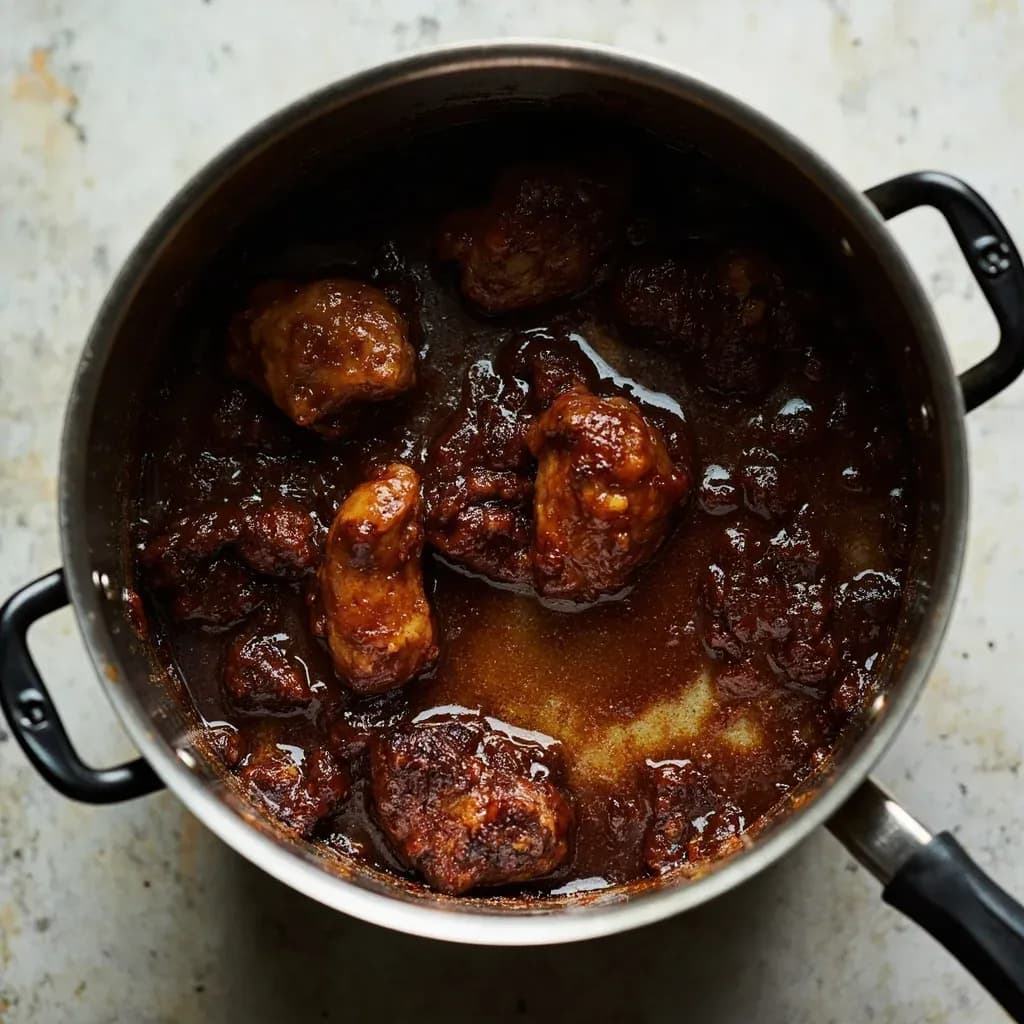
Heat & Fire
Burning Sugar (Caramel Browning)
Cooking sugar past golden into a dark, bitter caramel used to color and flavor savory braises.
Burning sugar means heating sugar until it darkens well past golden into a deep, near-bitter caramel, often in hot oil. It is a foundational step in dishes like Trinidadian pelau and Caribbean browning, where the dark caramel coats meat and lends color and a smoky-sweet depth. Timing is critical, as the line between rich brown and acrid burnt is only seconds.
Burning sugar — 糖色 (táng sè), sometimes 焦糖 (jiāotáng) — is a savory Chinese technique in which dry or lightly oiled sugar is heated well past the pale-amber stage of French caramelization, into a deep amber-to-mahogany syrup that is deglazed with hot stock or wine and used as the flavoring and coloring base for a long braise. It is the foundation of the 红烧 (hóngshāo) family of dishes — red-braised pork, Dongpo pork, lion's head meatballs, soy-braised eggs, claypot chicken — and the source of the glossy lacquer and bittersweet depth that soy sauce alone cannot deliver. Pushed to roughly 170–180°C, the sucrose breaks down further than in pastry caramel, Maillard reactions and thermal degradation intensify, and the result is a smoky, almost-malty liquid that reads as savory, not sweet.
The skill is twofold: reading the color through foam at the moment it threatens to hide, and pulling the pan off the heat one or two shades before the target so carryover residual heat does the final darkening. The other half of the craft is the deglaze — hot liquid poured in the instant the syrup reaches color, aromatics added only after the sugar has been dissolved, never before. Master the pull and the deglaze and the rest of a red-braise assembles around an aromatic, bittersweet backbone rather than a sweet or acrid one.
- Difficulty
- Hard
Types & varieties
Sugar melted in a thin film of oil; faster color development, easier control, slightly nuttier flavor; the standard method in restaurant kitchens
Sugar dissolved in an equal measure of water, then reduced; gentler and more forgiving but slower and more prone to recrystallization on the pan wall
Crushed rock sugar yields a cleaner, glossier finish and milder bitterness; favored for refined red-braises and Shanghai-style hóngshāo
Brown or slab sugar produces a deeper mahogany color with a molasses-like note; used in some northern and home-style braises
Sichuan cooks sometimes bloom doubanjiang directly into the burned sugar to build the chili-bean base for mapo tofu and twice-cooked pork
How to do it
- 1
Prepare the wok and aromatics
Set a carbon-steel or stainless wok over medium-low heat with 1–2 tablespoons of neutral oil. Have roughly 1 cup of hot stock or hot water, 2 tablespoons Shaoxing wine, and your aromatics (sliced ginger, scallion whites, star anise, optional dried chilies) measured and within arm's reach. Cold liquid and cold aromatics must never meet molten sugar.
- 2
Melt the sugar
Add 3–4 tablespoons of granulated sugar (or 60–80 g crushed rock sugar) to the cold oil. Stir gently just until the sugar is evenly damp with oil, then leave it alone. Heat slowly without further stirring; tilting and swirling the wok is faster and keeps the syrup even.
- 3
Watch the stages
The sugar will clump, then dissolve, then foam white, then turn pale straw, golden, and amber. The target for caramel browning is deep amber verging on mahogany at about 170–180°C. Foam obscures the color; tip the wok so a thin ribbon of syrup is visible against the bare metal and judge from that ribbon, not from the bubbles.
- 4
Pull at the right moment
When the syrup is the color of dark brewed tea and smells toasted rather than acrid, lift the wok off the heat. The syrup will continue darkening 1–2 shades from residual heat, so err toward pulling early.
- 5
Deglaze immediately
Pour in the hot stock and Shaoxing wine at the same time. The mixture will hiss and steam and the sugar will seize briefly; swirl the wok continuously until the sugar dissolves into a glossy mahogany liquid. Add the aromatics and the meat at this point — never before, or they will scorch in the molten sugar.
- 6
Finish into a braise
Add the remaining stock, light and dark soy sauce, and any dried chilies or Sichuan peppercorns. Bring up to a simmer, skim if needed, and proceed with your red-braise. The color and bittersweet backbone are now locked into the cooking liquid.
Oil method vs. water method
The two approaches reach the same mahogany color but behave very differently in the pan, and the choice is worth thinking through before you start.
- Oil method (油炒): A thin film of neutral oil is heated with the sugar from cold. The oil helps distribute heat evenly, accelerates color development, and gives a slightly nuttier, more roasted flavor. Sugar darkens in 2–4 minutes, so the cook has less time to react — but the oil makes hot spots less likely, and you can swirl the wok freely without crystals sticking to the sides.
- Water method (水熬): Sugar is dissolved in an equal measure of water, then boiled down. The water buffers the heat and slows the reaction, giving beginners a wider margin. The trade-off is recrystallization: any sugar splashed onto the dry pan wall above the liquid line will seed back into the syrup and turn it grainy. A wet pastry brush, used to wash stray crystals back down, is the standard fix; a few drops of vinegar or lemon juice in the water also inhibits crystallization.
- Restaurant vs. home: Most restaurant kitchens use the oil method for speed and consistency. Many home cooks prefer the water method for its forgiveness. Both are correct; the skill is in the pull point, not the medium.
- Equipment note: Whichever method you choose, use a light-colored metal wok or saucepan so you can judge the syrup against the metal. A well-blackened carbon-steel wok works fine — the dark patina actually helps you read the color against the syrup — but enamel or stainless is more reliable for a beginner who hasn't built up that patina.
Common uses
Tips & pitfalls
- Use a light-colored stainless steel or carbon-steel wok so you can read the syrup against the metal; a black patina actually helps with readability.
- Add sugar to a cold, lightly oiled wok and heat slowly — sugar dropped into a hot pan seizes and burns within seconds.
- Pull the wok off the heat the moment it reaches mahogany; residual heat will carry the syrup 1–2 shades darker on its own.
- Have hot stock and hot wine measured and ready before you begin — cold liquid poured into molten sugar can crack the wok and will splatter violently.
- For the water method, brush stray crystals down the pan wall with a wet pastry brush to prevent seeding and recrystallization.
- Do not stir once the syrup is amber and bubbling; swirling the wok is faster and safer than working with a spoon.
- If the syrup smokes heavily and smells acrid, it has crossed into burnt territory — discard it and start over; do not try to salvage it by adding liquid.
- Always add aromatics (ginger, scallion, star anise, Sichuan peppercorns) only after the sugar has been deglazed, never directly into the molten syrup, or they will scorch.
- Rock sugar is more forgiving for beginners because it darkens a touch more slowly than granulated sugar and gives a cleaner, glossier color.
- Adjust the pull point to the dish: pull earlier at deep amber for Shanghai-style red-braises (paler, more delicate); push to true mahogany for northern and Sichuan dishes where the bittersweet edge carries the whole sauce.
Good to know
- Chinese names
- 糖色 (táng sè) or 焦糖 (jiāotáng); also rendered as "caramel browning"
- Target color
- Deep amber to mahogany, roughly 170–180°C (338–356°F)
- Flavor profile
- Bittersweet, smoky, malty; markedly more bitter than pale dessert caramel
- Primary cuisines
- Sichuan (川菜), Hunan (湘菜), Shandong (鲁菜) and other northern Chinese regional cuisines
- Two main methods
- Oil method (油炒) and water method (水熬); oil method is faster and more controllable
- Timing
- 3–6 minutes from dry sugar to target color
- Equipment
- Wok or small heavy saucepan; light-colored metal preferred to read color accurately
- Recrystallization fix
- A few drops of vinegar or lemon juice in the water method prevent sugar from re-seeding into crystals
Also called
pelau-caramelize · Caramel Browning · Browning Sugar
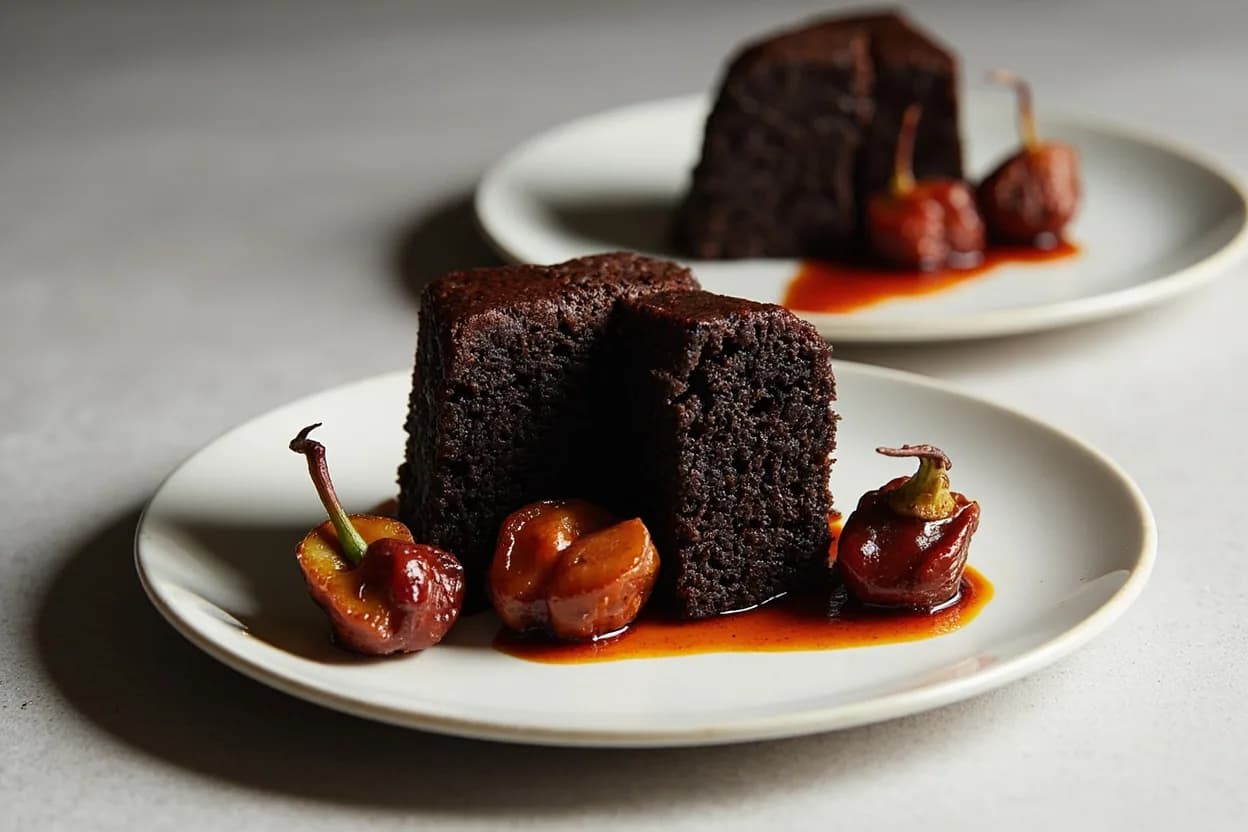
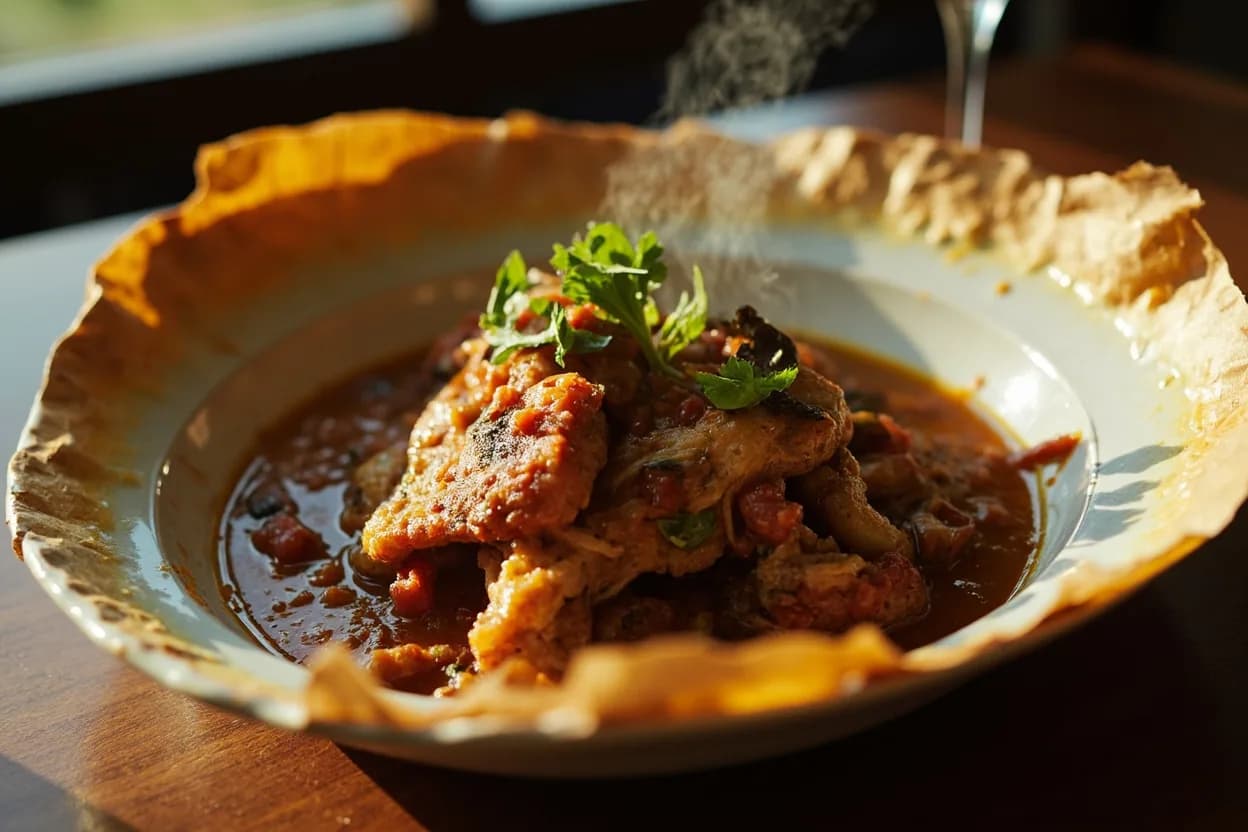
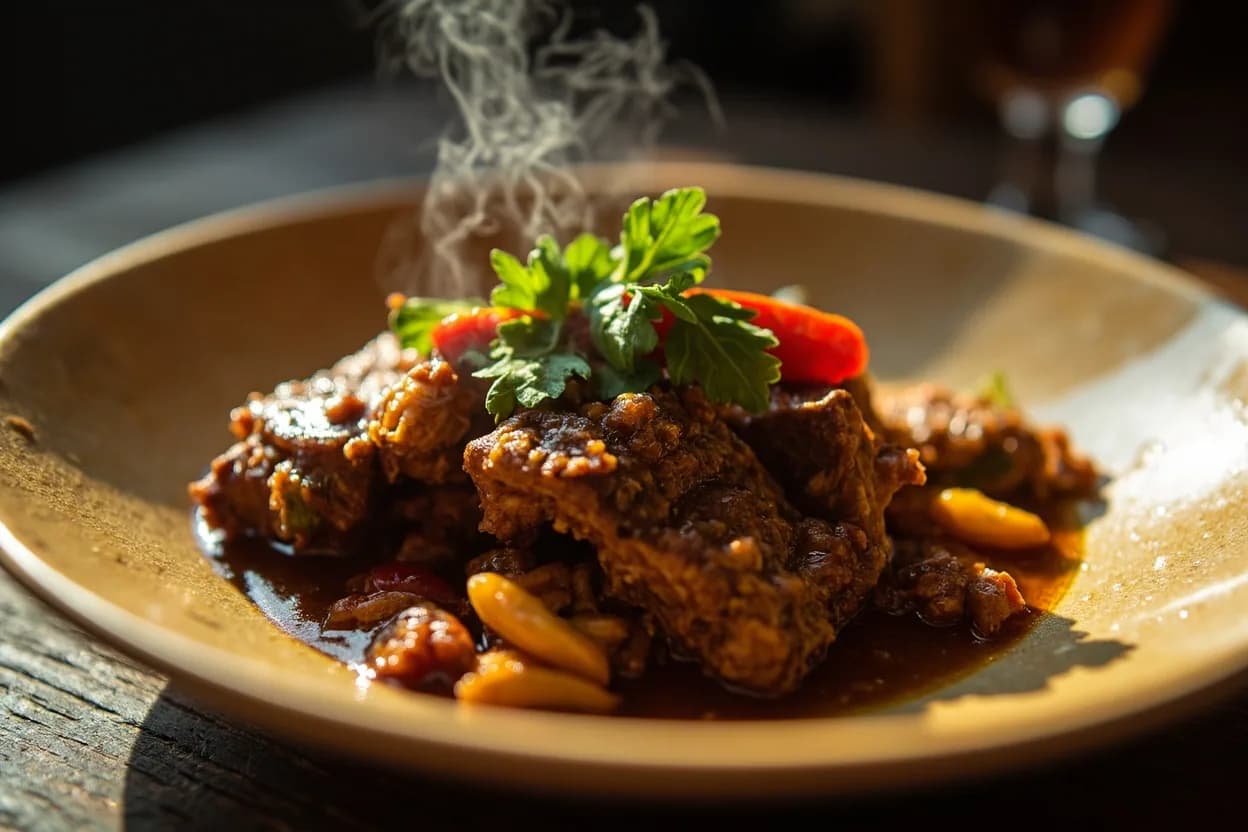
Dishes that rely on it
Related

Sear
Blast the surface hot for a deep-browned, savory crust

Sauté
Cook quickly in a little fat over lively heat, tossing as you go

Stir-Fry
Toss bite-sized pieces over roaring heat for fast, smoky cooking

Pan-Fry
Crisp food in a shallow layer of hot fat, turning once or twice

Deep-Fry
Submerge in hot oil for an all-over crackling crust

Roast
Cook uncovered in dry oven heat for browned edges and tender centers

Bake
Cook with steady, surrounding oven heat — the soul of bread and pastry

Broil
Hit food from directly above with fierce overhead heat