Prep & Assembly
Ingredient Substitution
Swapping one ingredient for another to suit diet, availability, or function.
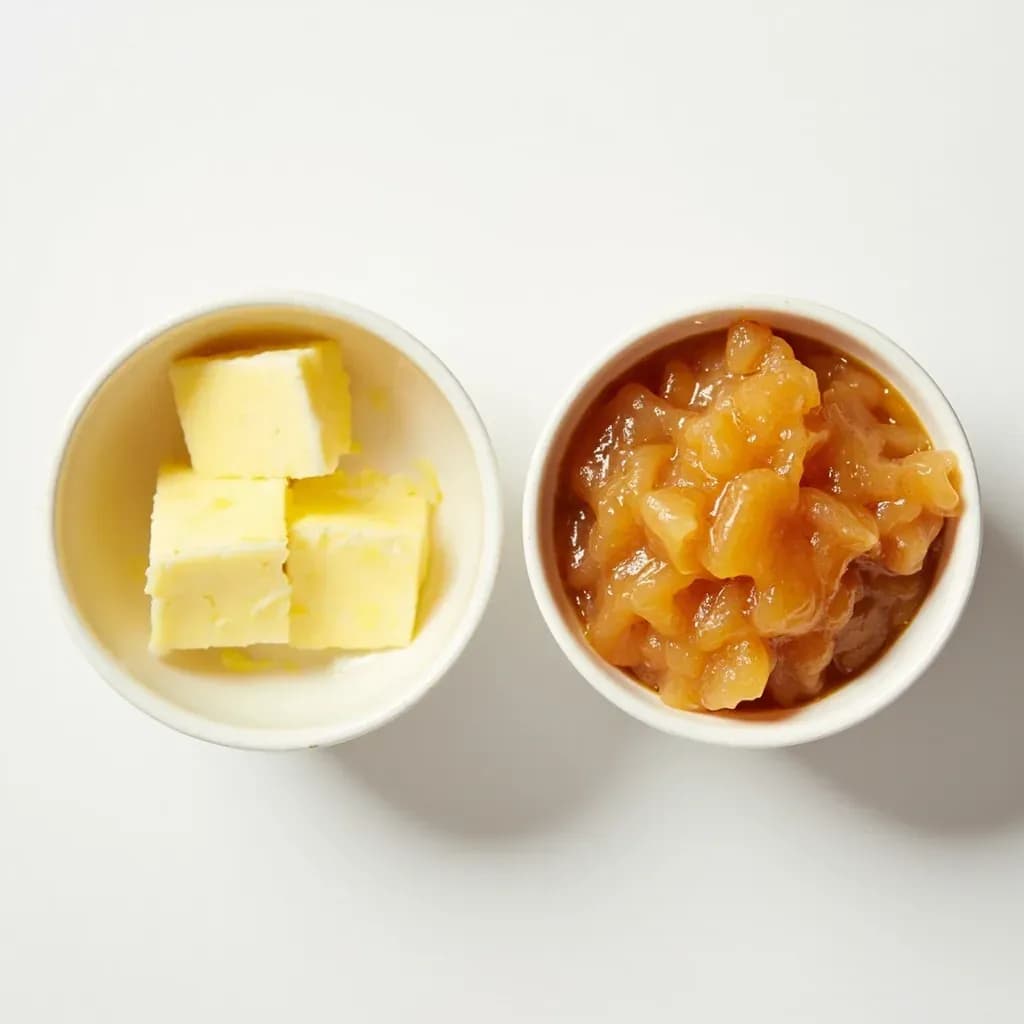
Ingredient substitution replaces a called-for ingredient with an alternative that serves the same culinary role, whether for allergies, diet, cost, or what is on hand. Successful swaps match the original's function such as binding, leavening, fat, or acidity rather than just flavor. Common examples include applesauce for oil, flax egg for egg, or yogurt for sour cream.
Ingredient substitution is the practice of replacing one ingredient with another while preserving the dish's intended result. At its core it is a thinking framework rather than a memorized chart: the cook identifies what the original ingredient is doing in the recipe—providing fat, structure, leavening, moisture, sweetness, acidity, or a specific flavor note—and chooses a replacement that performs the same job. Most successful swaps, from buttermilk faked with milk and lemon juice to butter replaced by olive oil in a quick sauté, work because they match the original's function first and its flavor second.
The margin for error varies wildly by dish. In a stir-fry, a soup, or a pan sauce, a missing scallion or a swap of white wine for sherry is rarely catastrophic—taste, salt, and a splash of acid at the end can rescue almost anything. In baking, where ratios of flour, leavening, fat, and liquid are essentially chemistry, even small substitutions can deflate a cake, toughen a cookie, or turn a custard rubbery. Recognizing this divide is the first practical skill of substitution: be conservative in baking, improvisational on the stovetop.
Common triggers include dietary needs (allergies, vegan or low-sodium patterns), seasonal availability, a half-empty pantry mid-recipe, and cost. The most reliable printed references are cookbook baker's-percentage charts, USDA thrifty substitution guides, and the conversion guides published by major flour and baking brands; the durable skill beyond them is learning to read a recipe as a set of roles and rebalance accordingly.
- Difficulty
- Easy
Types & varieties
Swapping based on the structural role an ingredient plays: fat, leavener, thickener, acid, binder, or liquid. The most reliable approach, especially in baking.
Matching the dominant taste notes (lemon juice for lime, sherry for white wine, smoked paprika for chipotle). Use when the role is already covered by another ingredient in the dish.
Removing or replacing dairy, eggs, gluten, nuts, or soy. Often requires a blend of substitutes plus recipe adjustments to hydration and structure.
Working around what is in season or on hand, such as fresh tomatoes in summer versus canned in winter, or rhubarb standing in for gooseberry.
Lowering fat, sugar, sodium, or calories (Greek yogurt for sour cream, applesauce for part of the butter). Flavor and texture are usually compromised to some degree.
Adapting when a specialty tool or ingredient is missing, such as simulating buttermilk from milk plus acid, or making cake flour from all-purpose flour and cornstarch.
How to do it
- 1
Identify the role of the original ingredient
Look past the name and ask what the ingredient is doing in the recipe: providing fat, structure, lift, moisture, sweetness, acid, umami, color, or a specific flavor note. This dictates which substitutes are even possible.
- 2
Decide how forgiving the dish is
In a quick weeknight stir-fry you can usually bend flavor and texture freely; in a macaron, a custard, or a sourdough loaf, you generally cannot. Be honest about the stakes before swapping.
- 3
Pick a substitute that matches the primary role
Choose from the same functional family first (another acid for lemon juice, another acid for buttermilk, another tender fat for butter). Flavor comes second to function, especially in baking.
- 4
Convert the quantity, accounting for differences
Apply the standard ratio for the swap: 1 cup buttermilk = 1 cup milk plus 1 tablespoon acid; 1 cup honey replaces 1 cup sugar but calls for cutting 3 to 4 tablespoons of other liquid and dropping the oven temperature about 25°F (15°C). Adjust for moisture, fat, and sweetness, not just volume.
- 5
Re-balance seasoning and supporting ingredients
Acid needs salt to taste bright; fat needs salt to taste round; gluten-free flours usually need xanthan gum or psyllium. Add a small amount, taste, and adjust in stages rather than trying to fix everything in one go.
- 6
Run a small test when the stakes are high
For baked goods, custards, meringues, or anything that sets, do a single cookie, one mini cake, or a small pour of custard before committing the full batch. Note changes in spread, rise, browning, and crumb.
- 7
Taste and finish
After cooking, taste the finished dish. Most off substitutions can be rescued with a final splash of acid, a pinch of salt, a knob of butter, or a scattering of fresh herbs added at the end.
The Six Functions an Ingredient Can Play
Every ingredient in a recipe is doing at least one of six jobs. Identifying which is the entry point to a smart substitution: match the function, then worry about nuance.
- Fat — butter, oil, cream, coconut milk. Tenderizes, carries flavor, provides richness and mouthfeel, and in baking inhibits gluten development.
- Structure — flour, eggs, gelatin, cornstarch. Builds the framework of baked goods, binds meatballs, sets custards, and thickens sauces.
- Leavening — baking soda, baking powder, yeast, whipped egg whites, steam. Creates rise, lightness, and tenderness; reacts with acid in specific ways.
- Liquid and hydration — water, milk, stock, juice, buttermilk. Provides moisture, dissolves other ingredients, and controls batter consistency.
- Acid — lemon juice, vinegar, buttermilk, yogurt, wine. Brightens flavor, tenderizes gluten, reacts with baking soda, and balances fat and salt.
- Flavor and aromatic — herbs, spices, garlic, shallot, sweeteners, cheese, wine. Contributes the dominant taste notes the dish is named for.
The Baking Versus Savory Divide
Savory cooking forgives almost any single swap because the cook can taste, adjust, and finish the dish at the stove. Baking is closer to chemistry: ratios of flour, fat, liquid, sugar, and leavening are calibrated for specific outcomes (rise, crumb, browning, spread), and multiple simultaneous substitutions compound errors. A useful rule of thumb: in a weeknight sauté, swap with confidence and correct at the end; in a cake, cookie, or bread, change one variable at a time and run a small test batch first.
Common uses
Tips & pitfalls
- Swapping baking soda for baking powder (or vice versa) without adjusting the acid in the recipe yields metallic, flat, or bitter results—they are not interchangeable.
- Subbing a low-fat or fat-free ingredient (fat-free cream cheese, light sour cream) and assuming the texture will match is a common error; fat carries flavor and mouthfeel, so expect and compensate for the difference.
- Always adjust salt at the end when swapping salted butter for unsalted, or broths of different sodium levels.
- Non-dairy milks do not behave like dairy: coconut milk separates in coffee, almond milk is thin and can make baked goods pale, and oat milk is closest to dairy in body and sugar content.
- A softer, milder cheese (mozzarella) is not interchangeable with a hard, salty one (Parmesan) by volume—change the quantity and re-season accordingly.
- In baking, change one variable at a time; multiple simultaneous swaps compound errors in hydration, rise, and browning in ways that are hard to diagnose afterward.
- Flax and chia eggs (1 tablespoon ground seed plus 3 tablespoons water, rested 10 minutes) bind well but produce a denser, muffin-like crumb; do not expect lift in a chiffon or angel food cake.
- When swapping honey or maple syrup for sugar, reduce other liquid in the recipe by about 3 to 4 tablespoons per cup and lower oven temperature roughly 25°F (15°C) to prevent over-browning.
Good to know
- Type
- Culinary technique
- Also called
- Ingredient swap, recipe adaptation
- Core principle
- Substitute by role first (fat, leavening, acid, sweetener, thickener, binder, liquid), then tune for flavor and texture
- Ratio rule of thumb
- Most ingredient swaps are not 1:1; expect to adjust quantity, hydration, and sometimes oven temperature
- Where it matters most
- Baking is least forgiving; sautés, soups, and sauces tolerate the most improvisation
- Common triggers
- Allergies and intolerances, dietary choice (vegan, low-sodium), seasonal availability, running out mid-recipe, cost
- Reference sources
- Cookbook baker's-percentage charts; USDA thrifty substitution guides; King Arthur, Bob's Red Mill, and similar baking-brand swap charts
- Fresh-to-dried herb ratio
- Standard 3:1 (1 tablespoon fresh ≈ 1 teaspoon dried)
Also called
Healthy Ingredient Substitution · Recipe Substitution
Related

Whisk
Beat ingredients smooth and aerated with a looping wire motion

Sift
Pass dry ingredients through mesh to aerate and remove lumps

Strain
Pour through mesh to separate solids from liquid for a smooth result

Filter
Pass liquid through fine material to clarify out the smallest particles

Rice
Press cooked potatoes through small holes for fluffy, lump-free texture

Mash
Crush soft cooked food into a rustic, creamy purée

Grind
Crush food into a coarse to fine texture, from spices to meat

Grate
Shred food into fine bits against a sharp-toothed surface