
Prep & Assembly
Soak
Submerge food in liquid to hydrate, soften, or draw out impurities
Soaking submerges food in liquid to hydrate dried beans and grains, soften them, or leach out excess starch, salt, or grit. It's a hands-off prep step that pays off later. Give beans and pulses a long cold soak, and change the water for things you're trying to purge.
Soaking submerges food in liquid to hydrate dried beans and grains, soften them, or leach out excess starch, salt, or grit. It's a hands-off prep step that pays off later. Give beans and pulses a long cold soak, and change the water for things you're purging.
- Difficulty
- Easy
Types & varieties
Hours or overnight for beans and chickpeas.
Boil briefly, then rest an hour to shortcut bean soaking.
How to do it
- 1
Cover the food generously with liquid — it'll swell.
- 2
Soak for the time the food needs.
- 3
Change the water if you're purging salt or grit.
- 4
Drain and rinse before cooking.
Common uses
Tips & pitfalls
- Soaking beans shortens cook time and eases digestion.
- Salt the soak water lightly for creamier, more seasoned beans.
- Soak salt cod with several water changes to draw out the brine.
Good to know
- Tool
- Bowl of water or liquid
- Best for
- Beans, grains, dried fruit, salt cod
- Cue
- Hydrated, softened, or purged of grit/salt
Also called
soak overnight
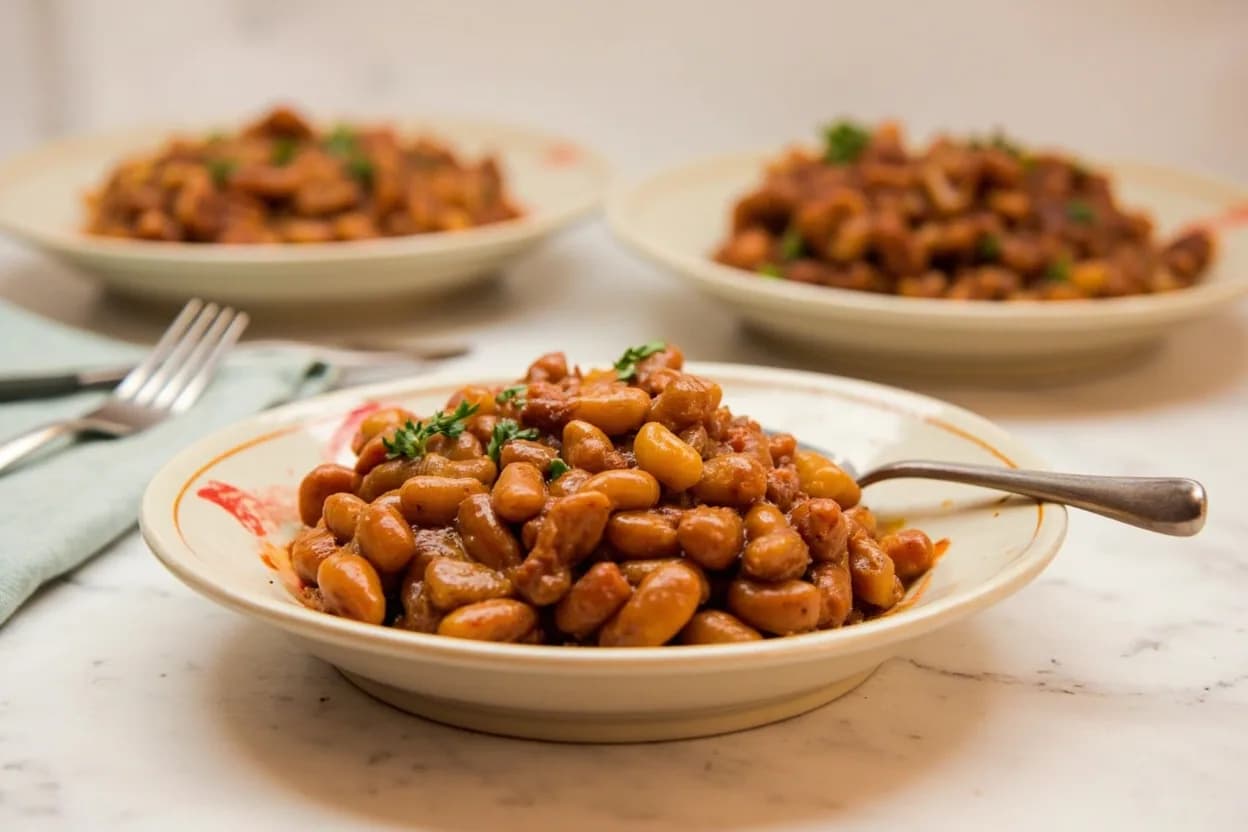
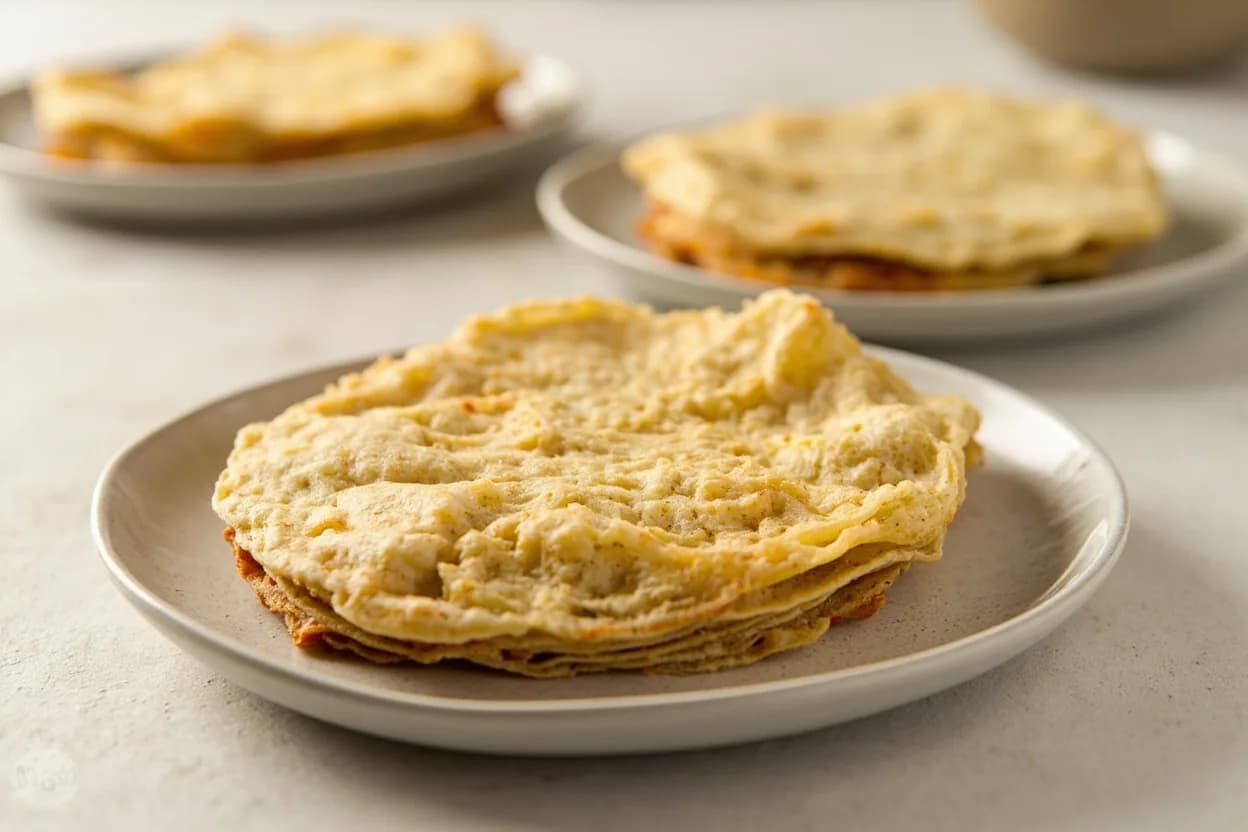
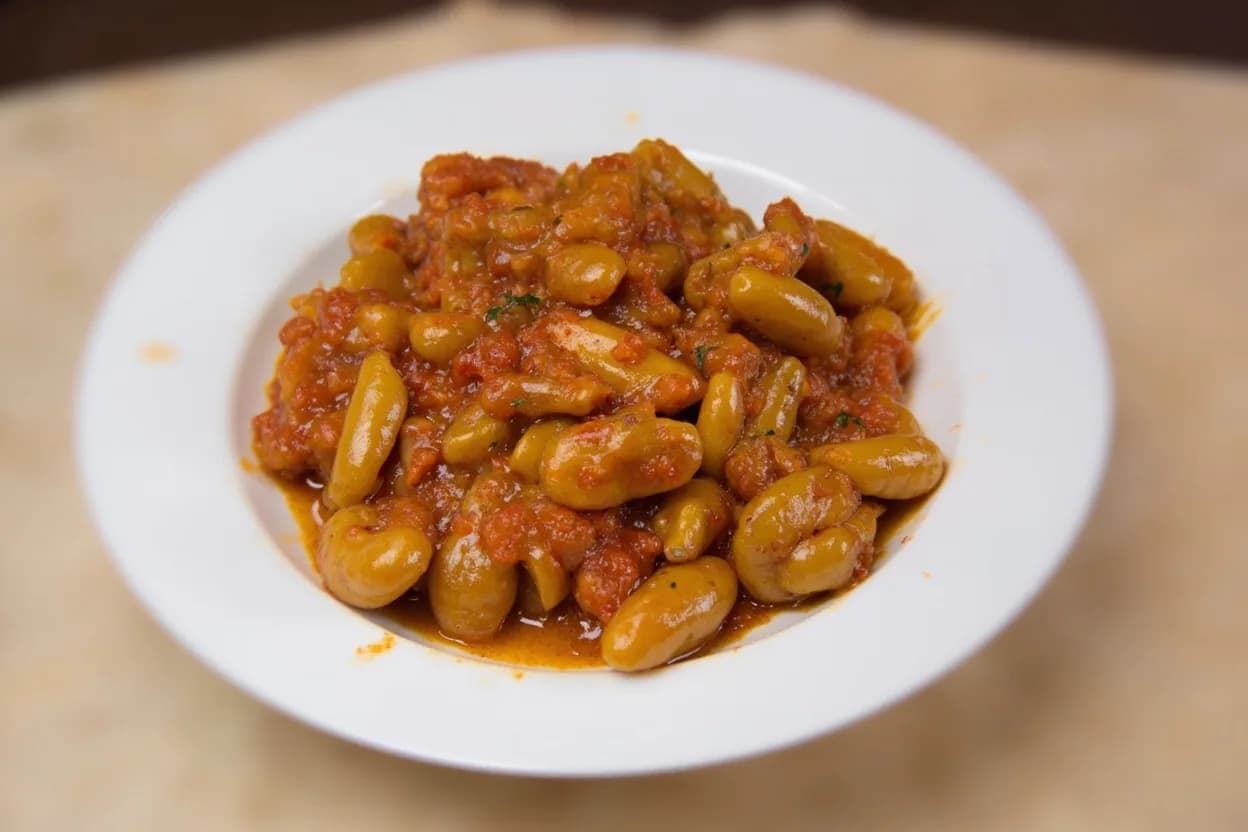
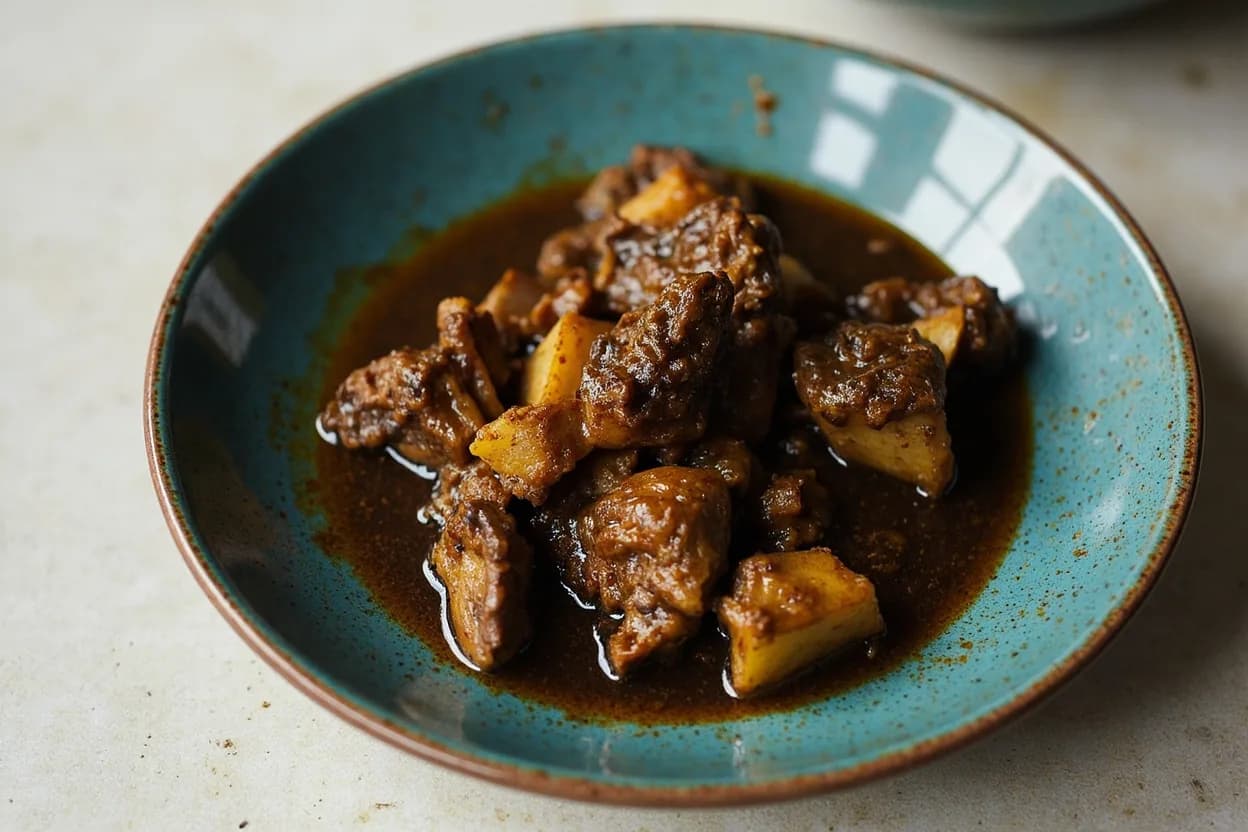
Dishes that rely on it



Related

Whisk
Beat ingredients smooth and aerated with a looping wire motion

Sift
Pass dry ingredients through mesh to aerate and remove lumps

Strain
Pour through mesh to separate solids from liquid for a smooth result

Filter
Pass liquid through fine material to clarify out the smallest particles

Rice
Press cooked potatoes through small holes for fluffy, lump-free texture

Mash
Crush soft cooked food into a rustic, creamy purée

Grind
Crush food into a coarse to fine texture, from spices to meat

Grate
Shred food into fine bits against a sharp-toothed surface