Heat & Fire
Bun / Tortilla Toasting
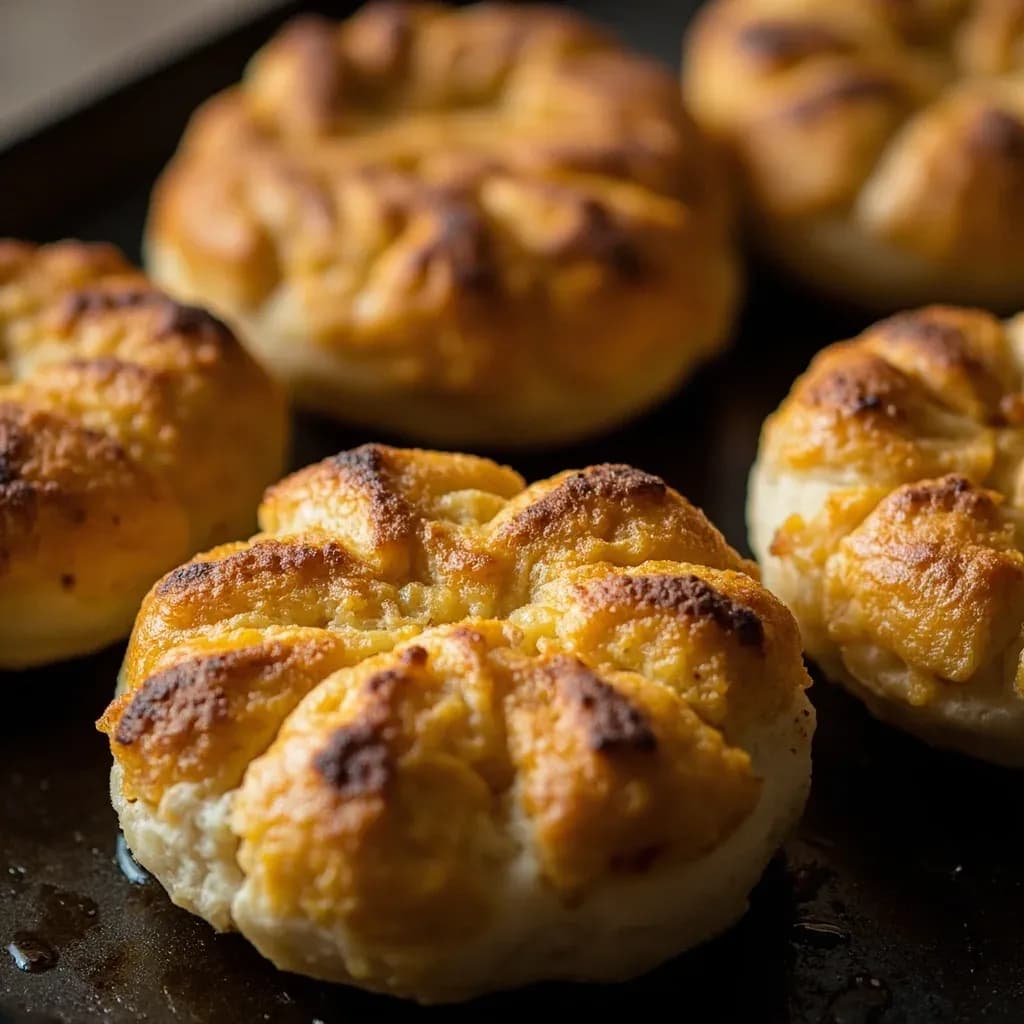
Crisping buns or tortillas on a flat-top or pan to add texture and warmth.
A quick dry- or buttered-heat step where buns, tortillas, or flatbreads are pressed onto a hot griddle or flat-top until lightly browned. It firms the surface so it resists sogginess from fillings, warms the bread, and adds toasty flavor. Butter or a thin oil film deepens the color and crunch.
Bun and tortilla toasting is the practice of applying direct dry or lightly oiled heat to a flatbread's cut or contact face until the surface dehydrates, browns, and forms a thin Maillard crust. It is one of the smallest steps in sandwich, burger, and taco service, but it does disproportionate work: the toasted face resists soak-through from wet fillings, adds textural contrast against soft proteins, and carries aromatic compounds — buttery, bready, faintly nutty — that a pale, room-temperature bun never does.
The technique behaves the same way across bread and tortillas: heat drives surface moisture off, starches gelatinize, and proteins and sugars brown. The main variable is mass. A thick burger bun tolerates medium heat for a full minute or more; a thin flour tortilla can scorch in under ten seconds on the same surface. Fat on the contact face — butter, mayonnaise, oil, or rendered meat fat — accelerates browning and adds flavor, while a dry toast produces a lighter, more neutral crust that lets the filling speak for itself.
In professional kitchens, toasting usually happens on the same flat-top or plancha used for the protein, so the bun can be basted in drippings, finished in the rendered fat, or simply cooked in the residual heat of the cooking zone. The cost in time is trivial, the equipment requirements are zero beyond a hot surface, and the payoff shows up in every bite.
- Difficulty
- Easy
Types & varieties
Cut face brushed with softened butter; classic burger prep, rich flavor and even browning
Mayo brushed on the cut face; browns faster than butter and adds a subtle tang, popularized for grilled cheese and smashburgers
Cut face placed on a bare hot surface; lighter texture, no added fat, slightly slower browning
Only the cut side contacts the heat; crown stays soft and pillowy, the standard sandwich-bun finish
Bun weighted face-down with a spatula; produces a flat, very crisp face used for smashburgers and patty melts
Bun toasted face-down in rendered patty fat on the griddle; deep savory crust, the diner-style smashburger method
Top-down radiant heat for fast, even color; standard for open-faced melts and crostini
Pass-through toaster in high-volume service; consistent color with less Maillard depth than griddle work
Briefly heated on a dry flat-top until pliable with light speckling; used for wraps, quesadillas, and breakfast tacos
Direct griddle or open-flame contact to blister and char; the standard prep for street-style tacos
How to do it
- 1
Preheat the cooking surface
Bring a flat-top griddle or cast-iron pan to medium heat, about 175–200°C / 350–400°F. Too hot and the bun scorches before it warms; too cool and it dries out without browning. A water droplet should sizzle and dance on contact, not flash to steam.
- 2
Split and prep the buns
Split buns cleanly with a serrated knife so the cut face is flat. If using fat, spread a thin, even layer of softened butter, mayonnaise, or oil on the cut face only — never on the crown. For a dry toast, leave the face bare.
- 3
Lay cut-side down and press
Place buns cut-side down on the surface, crown up, with space between each so steam can escape. Press gently with a flat spatula for 2–3 seconds to maximize contact across the entire face. For smashburgers and patty melts, leave the spatula in place to keep the bun flat.
- 4
Toast without moving
Hold still for 30–90 seconds. Brioche and soft potato buns finish fastest, often in 30–45 seconds. Dense kaiser, ciabatta-style, or hoagie rolls need closer to 90 seconds. Look for an even, golden-brown face — not a single dark spot, which means the heat is too high.
- 5
Remove and build immediately
Lift buns off the surface and assemble the sandwich right away. A toasted bun that waits more than a minute on a prep station will lose its crispness, especially under steam from a hot protein or wet toppings. Toast buns last in the build sequence, not first.
- 6
Toast tortillas
Lay flour tortillas on a dry medium-hot griddle for 10–20 seconds per side until pliable with a few light specks; keep them moving if the surface runs hot. For corn tortillas, 15–30 seconds per side gives a soft, warm, foldable result; 30–45 seconds per side yields a blistered char for street tacos. A light mist of water on corn tortillas before toasting keeps them pliable rather than cracker-crisp. Stack finished tortillas and wrap in a clean towel to hold heat and steam.
Why toasting matters
An untoasted bun is a sponge. The moment a juicy patty, sliced tomato, or saucy filling lands on soft bread, capillary action begins pulling liquid into the crumb. Within a minute the bun is damp, the texture collapses, and the sandwich falls apart in the hand. Toasting flips the equation: surface starches gelatinize and proteins set into a thin, dry crust that resists penetration, so the bun holds its structure and keeps a perceptible bite against wet ingredients. The browning also generates hundreds of new aroma compounds — pyrazines, furans, aldehydes — that read as 'roasted' and 'savory' even before the first bite.
- Toasted cut face acts as a moisture barrier, delaying sauce soak-through by minutes
- Maillard browning adds flavor complexity that an untoasted bun cannot provide
- Heat softens and warms the interior so the bun eats at the same temperature as the filling
- Crisp surface contrasts the soft crumb, improving mouthfeel across every bite
Choosing a fat
What you brush on the cut face changes the toast more than most cooks expect. Butter delivers dairy-rich aroma and even browning, but its milk solids can scorch quickly at high heat. Mayonnaise is roughly oil and egg yolk, and it browns faster and more evenly than butter, with a faint tang that suits grilled cheese and smashburgers. A neutral oil gives clean color without flavor interference. Rendered beef or bacon fat, brushed or pooled on the griddle, produces the most savory crust and is the move whenever a rich protein is cooking alongside the bun.
- Butter: rich, classic, prone to scorching above 200°C
- Mayonnaise: fast, even browning, subtle acidity
- Neutral oil: clean color, no competing flavor
- Rendered meat fat: deepest savory crust, free with any griddle-cooked protein
Equipment choices
A flat-top or cast-iron pan is the most versatile tool because it doubles as a working surface for the protein and lets the cook baste the bun in rendered fat. A skillet is fine for home service and for toasting a few buns at a time. A salamander or broiler delivers fast, top-down radiant heat suited to open-faced melts and toasts where the cook wants to finish the topping in the same pass. Conveyor and dedicated bun toasters exist for high-volume operations where speed and consistency matter more than crust depth.
- Flat-top / plancha: standard in griddle kitchens, allows fat-basting
- Cast-iron skillet: best home option, holds steady heat
- Salamander / broiler: top-down radiant heat for open-faced work
- Conveyor toaster: high-volume, consistent, less Maillard depth
Common uses
Tips & pitfalls
- Butter only the cut face — fat on the soft crown drips, smokes, and burns without browning the bread
- Use medium heat, not high; buns scorch on the outside long before they warm through at griddle temperatures above 200°C
- Press once with a flat spatula for 2–3 seconds at the start, then leave the bun alone — repeated checking tears the soft crumb
- Toast buns last in the build sequence, not first; a toasted bun sitting under a lid or next to a hot patty steams and goes limp
- For smashburgers, toast the bun face-down in the rendered beef fat left by the smashed patty — the baste is free and the flavor is unmatched
- Keep tortillas moving on a hot griddle; a thin flour tortilla can scorch in one spot in under 10 seconds
- A light mist of water on corn tortillas before toasting keeps them pliable instead of cracking into chips
- Don't salt the cut face before toasting; salt draws surface moisture and slows browning
Good to know
- Equipment
- Flat-top griddle, cast-iron skillet, or heavy pan; commercial setups may add a salamander, conveyor toaster, or dedicated bun toaster
- Surface temperature
- Medium heat, roughly 175–200°C / 350–400°F
- Time for buns
- 30–90 seconds on the cut face, depending on density and fat
- Time for tortillas
- 10–30 seconds per side for soft and pliable; up to 45 seconds per side for a blistered char
- Fat options
- Softened butter, mayonnaise, or neutral oil on the cut face; dry-toasting also works
- Best targets
- Burger buns, brioche, kaiser rolls, hoagie rolls, flour and corn tortillas, pita, English muffins
- Difficulty
- Easy; principal risk is scorching before the interior warms
- Hold time
- Use within a minute — toasted surfaces lose crispness quickly under steam or sauce
Also called
Flat-Top Toasting · griddling bread
Dishes that rely on it
Related

Sear
Blast the surface hot for a deep-browned, savory crust

Sauté
Cook quickly in a little fat over lively heat, tossing as you go

Stir-Fry
Toss bite-sized pieces over roaring heat for fast, smoky cooking

Pan-Fry
Crisp food in a shallow layer of hot fat, turning once or twice

Deep-Fry
Submerge in hot oil for an all-over crackling crust

Roast
Cook uncovered in dry oven heat for browned edges and tender centers

Bake
Cook with steady, surrounding oven heat — the soul of bread and pastry

Broil
Hit food from directly above with fierce overhead heat