Heat & Fire
Charring
Blackening food directly over flame or high heat for smoky, blistered flavor.
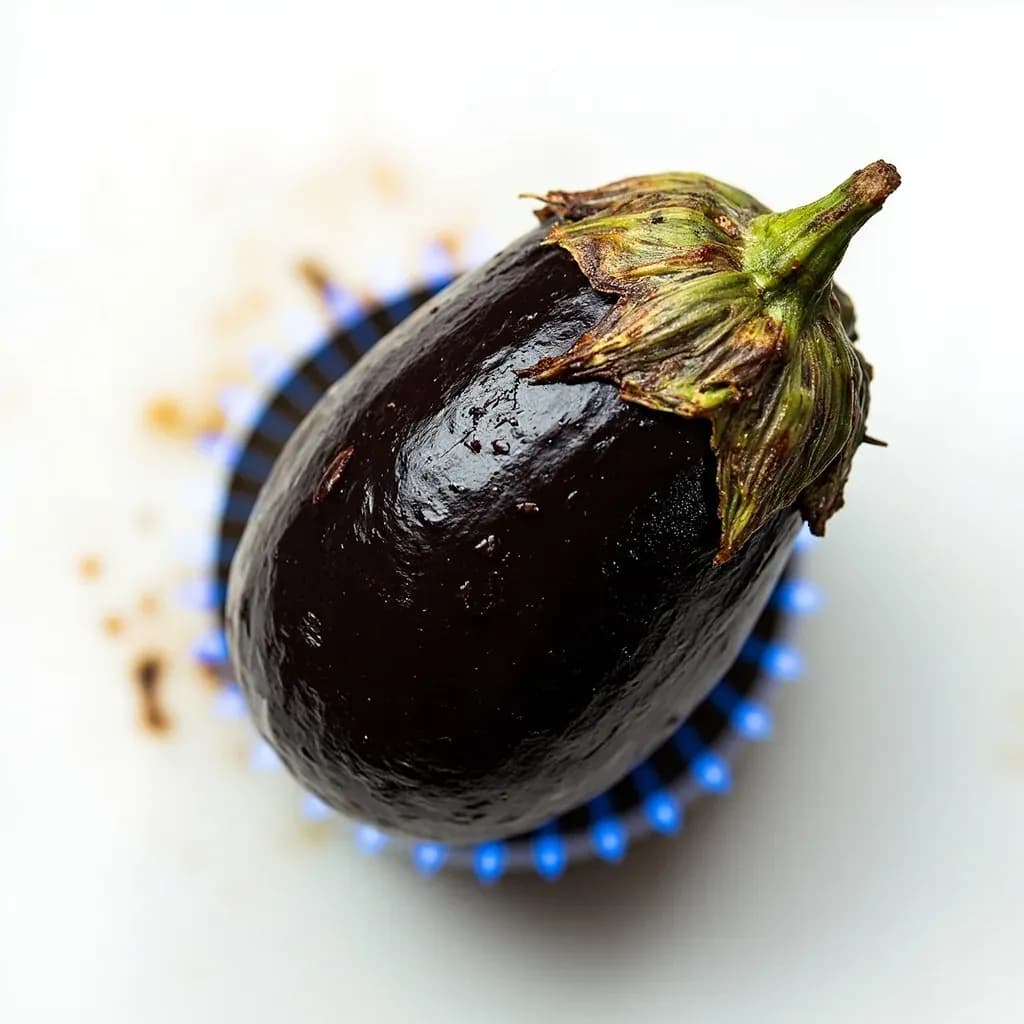
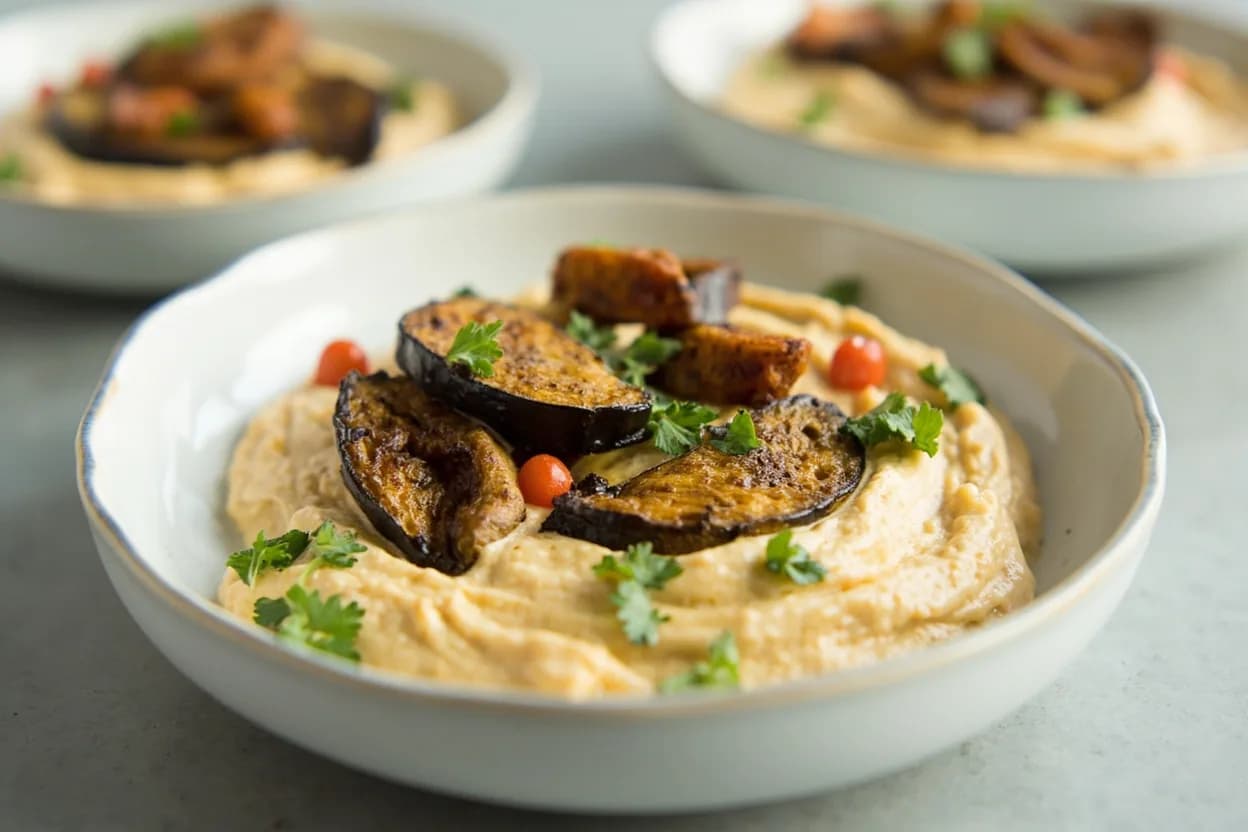
Charring exposes food to direct flame or very high heat until the surface blackens and blisters, lending a smoky bitterness and tender interior. It is the heart of dishes like baingan bharta and baba ghanoush, where whole eggplants are scorched over an open burner, and it deepens the flavor of peppers, onions, and tomatoes. The charred skin is usually peeled away, leaving behind the concentrated, fire-kissed flesh.
Charring is the deliberate blackening of a food's surface with intense, direct heat — open flame, hot coals, a screaming plancha, a tandoor's radiant wall, or a kitchen torch — to drive flavor development well past ordinary browning. The chemistry is two-stage: first the Maillard reaction (proteins and sugars rearranging at roughly 140–165 °C) lays down the deep, savory foundation, then pyrolysis (thermal breakdown of those same compounds above ~200 °C) carbonizes the outermost layer into melanoidins and the brittle, smoky crust that defines a good char. The result is a sharp, roasty bitterness layered over sweetness, with a measurable deepening of perceived umami that no gentle sauté can imitate.
The point of charring is flavor and texture, not doneness. Most applications blacken only the surface in seconds to a few minutes, then either peel that surface away (as with peppers for romesco) or leave it as a thin crust over a fully cooked interior (a steak's hard sear, a charred leek's smoky heart). It is a near-universal technique — Japanese yakitori, Mexican chile asado, Basque wood-fire grilling, Indian tandoor, South African braai, Levantine mangal — and the 2010s restaurant revival at restaurants like Noma and Asador Etxebarri reframed char as a deliberate, refined technique rather than a grilling accident. The lasting lesson from that revival is balance: char's bitterness is best cut with acid (citrus, vinegar, yogurt), sweetness (honey, ripe fruit, caramel), or fat (olive oil, tahini, cultured butter) so the smoky edge reads as a seasoning rather than a flaw.
Charring is not burning. Ash-gray, powdery, fully combusted patches taste acrid and are trimmed away; a controlled char is uniformly black, blistered or crackled, and smells of toast and wood rather than of scorched lighter fluid. Likewise, charring is not the same as a quick sear: searing is mostly Maillard in a thin, even crust, while charring pushes further into pyrolysis, producing more smoke, more bitter-sweet complexity, and visibly blackened edges.
- Difficulty
- Easy
Types & varieties
Holding or skewering food over an open gas flame or campfire; the classic method for chiles, scallions, and tomatoes in Mexican and Levantine cooking.
Searing on a thick steel or cast-iron plate heated until smoking; used for bread, vegetables, and thin meats in Spanish plancha and Japanese robatayaki kitchens.
Cooking over hardwood lump charcoal or Japanese binchotan; binchotan burns nearly smokeless and very hot, producing a clean, sharp char favored for yakitori.
Dredging protein (usually fish or chicken) in a paprika-cayenne-herb spice mix, then searing in a screaming-hot cast-iron skillet to form a dark, peppery crust.
Radiant and convective high heat inside a clay or ceramic oven, often with smoke and direct contact; the signature surface of tandoori chicken, Turkish kebabs, and kamado-grilled meats.
A Japanese technique of briefly flame- or torch-searing the surface of sushi, scallops, or foie gras; lightly chars the exterior while the interior stays cool or rare.
An enclosed Spanish charcoal oven that combines grill and oven heat, charring the surface while roasting the interior, popularized at restaurants like Asador Etxebarri.
Holding a pepper, tomato, or garlic clove directly on a gas burner with tongs — the accessible home version of direct-flame charring.
Burying food in hot ash or embers (whole onions, garlic, root vegetables, pit-roasted meats) for a deep, smoky char and tender, earth-scented interior.
How to do it
- 1
Choose the right ingredient
Select sturdy, high-moisture items: peppers, scallions, leeks, eggplant, tomatoes, corn, garlic heads, pineapple, citrus halves, thin cuts of meat, or skin-on fish. Delicate herbs and lean white fish generally char too fast to control.
- 2
Set up the heat source
Aim for the highest clean heat available. For a grill, light lump hardwood charcoal and wait until coals are mostly ashed over and too hot to hold a hand four inches away. For a plancha or cast-iron skillet, heat on high 5–8 minutes until the metal just starts to smoke. For a kitchen torch, fill and test on a low flame before going to full output.
- 3
Prepare the food
Pat the surface completely dry with a towel. Do not salt in advance — salt draws water to the surface and slows char development. Brush with a high-smoke-point oil (grapeseed, rice bran, avocado) only if faster browning is wanted. For whole heads of garlic, slice the top off to expose the cloves.
- 4
Apply direct heat
Place the food directly over flame, on coals, or on the hot metal. For vegetables and aromatics, leave undisturbed 30–90 seconds to build a hard char. For thin meats and skin-on fish, lay flat and do not move for the first 30 seconds so the crust can set.
- 5
Rotate for even char
Turn with tongs (or a skewer for peppers) to char additional sides. Aim for a uniform deep black with blistered or crackled texture, not ash-gray. Pull the item slightly away from peak flame or onto a cooler part of the grill if it threatens to ignite.
- 6
Rest or steam as needed
For meats, transfer to a warm plate and rest 3–5 minutes so carryover heat finishes the interior without overcooking. For peppers, tomatoes, eggplant, and garlic, drop into a heat-safe bowl, cover with a plate or film, and steam 8–12 minutes — the trapped moisture loosens the charred skin.
- 7
Finish and use
Peel away charred skin where desired (peppers, eggplant, garlic). Slice or tear and finish with acid (citrus, vinegar, yogurt), salt, fresh herbs, or a fat (olive oil, butter, tahini). Use promptly for the best contrast between the smoky char and the fresh elements on the plate.
Char versus burn versus sear
The three terms get used interchangeably but describe different endpoints on the same thermal curve. Searing is mostly Maillard — a fast, even, golden-brown to deep-brown crust formed in seconds over high heat, with limited pyrolysis. Charring pushes past searing into pyrolysis, producing visibly blackened, blistered, carbonized patches and a pronounced smoky bitterness. Burning is what happens when char runs away: prolonged heat drives pyrolysis to full combustion, leaving a pale, powdery, ash-gray residue that smells acrid and tastes of scorched carbon. The visual cue is reliable — black and crackled is char, ash-gray and dusty is burned, uniform brown is seared.
Pairing char with the rest of the plate
Char is intense, and a plate built entirely around it reads as one-note. The classic fix is a three-part balance: acid (lemon, yuzu, sherry vinegar, pickled chiles, yogurt) brightens the bitterness, fat (olive oil, cultured butter, tahini, avocado, pork fat) carries the smoky aroma and softens the dry crunch of carbonized edges, and sweetness (ripe fruit, honey, caramelized onion, a touch of sugar in spice rubs) counteracts char's bitter edge. Most of the world's great charred dishes — romesco, mole, charred leek vinaigrette, smoky babaganoush — are built on some version of this trio.
Common uses
Tips & pitfalls
- Pat the surface bone-dry before charring — moisture steams the food and prevents Maillard browning and pyrolysis from getting started.
- Oil lightly and either right at the end or only after the first char has formed; heavy oil on raw food causes flare-ups and acrid smoke.
- Season after charring, not before. Salt draws water to the surface and slows the char, and dry spices scorch into bitterness under direct flame.
- Use a kitchen torch for small, precise jobs (citrus halves, scallion tops, aburi-style sushi) where lighting a grill would be wasteful or clumsy.
- For peppers, tomatoes, and eggplant, char until uniformly black and blistered, then cover in a bowl or sealed bag for 10 minutes — the trapped steam loosens the skin for clean peeling.
- Trim away any truly ash-gray or white, powdery patches; that is full combustion, not char, and tastes like scorched lighter fluid.
- Finish charred dishes with acid — a squeeze of lemon, yuzu, sherry vinegar, or a spoon of yogurt brightens the bitterness and keeps the char from tasting heavy.
- Move the food, not the flames: rotate for even char and keep a heat-free zone of the grill to retreat to when flare-ups threaten.
- Preheat a plancha or cast-iron skillet until it just begins to smoke before laying food down — too cool and you steam, too hot and oil ignites.
- Watch the smoke: a thin blue haze is flavor, but sustained thick white smoke means fat is dripping into flame and depositing acrid compounds — keep flames licking, not roaring.
Good to know
- Cooking method
- Dry-heat, direct-contact high-temperature browning and blackening
- Primary heat sources
- Open flame, hardwood lump charcoal, binchotan, hot cast-iron or steel plancha, tandoor or kamado, kitchen torch, wood-fired oven
- Underlying chemistry
- Maillard reaction (roughly 140–165 °C) followed by pyrolysis above ~200 °C, producing melanoidins and a carbonized surface layer
- Target result
- Deep brown to black, blistered exterior with edible interior; ash-gray powder indicates full combustion and is trimmed off
- Typical time
- 30 seconds to 8 minutes; most aromatics and vegetables finish in 2–5 minutes
- Flavor profile
- Smoky, bitter-sweet, roasty, earthy; deepens perceived umami
- Best foods to char
- High-moisture vegetables (peppers, scallions, eggplant, tomatoes, corn, spring onions, garlic heads), thin-skinned fruit, bread, steak, chicken skin, octopus
- Difficulty
- Easy to medium — simple in execution, but unforgiving on timing
Also called
Flame-Charring · Open-Flame Roasting · Char-Roasting · Fire-Roasting
Dishes that rely on it
Related

Sear
Blast the surface hot for a deep-browned, savory crust

Sauté
Cook quickly in a little fat over lively heat, tossing as you go

Stir-Fry
Toss bite-sized pieces over roaring heat for fast, smoky cooking

Pan-Fry
Crisp food in a shallow layer of hot fat, turning once or twice

Deep-Fry
Submerge in hot oil for an all-over crackling crust

Roast
Cook uncovered in dry oven heat for browned edges and tender centers

Bake
Cook with steady, surrounding oven heat — the soul of bread and pastry

Broil
Hit food from directly above with fierce overhead heat