Heat & Fire
Maillard Browning
The heat-driven reaction between amino acids and sugars that browns food and builds savory, roasted flavor.
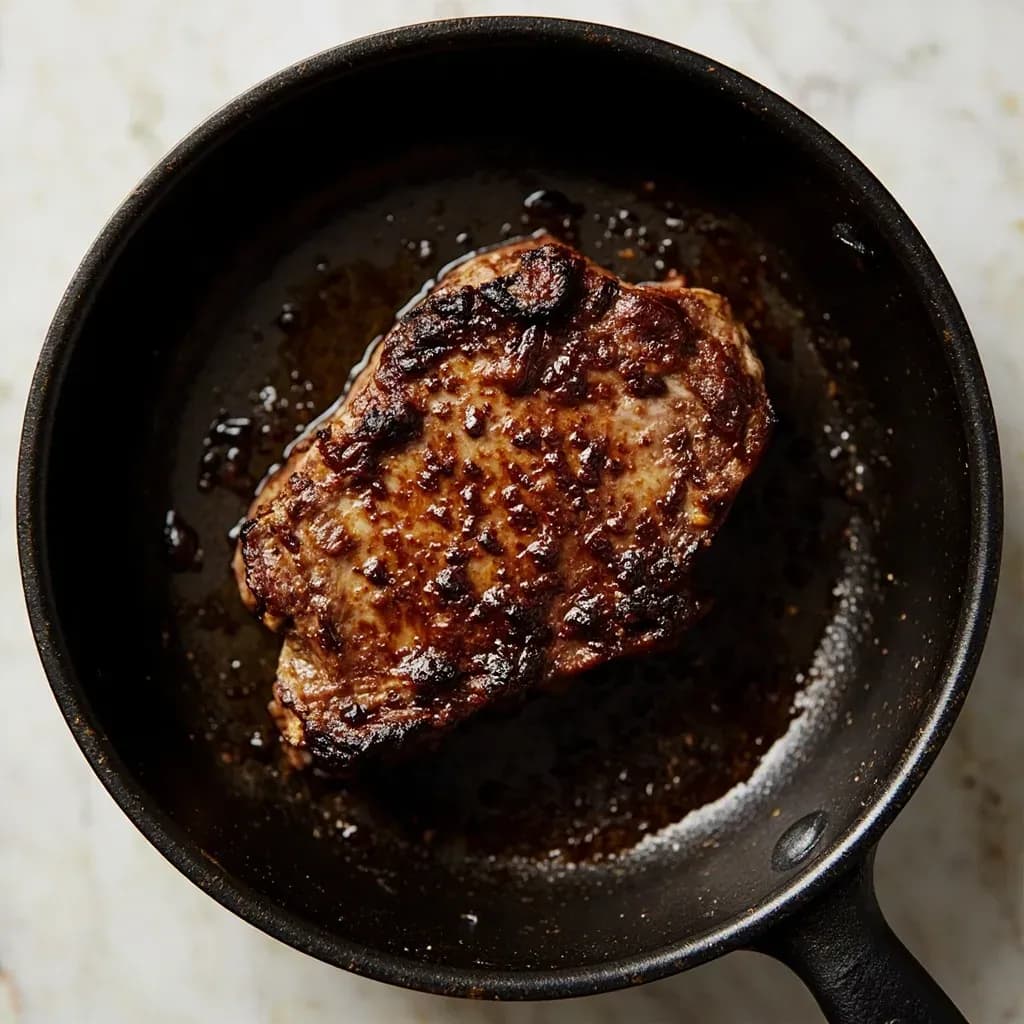
Maillard browning is the chemical reaction between amino acids and reducing sugars that occurs when food is heated above roughly 140 degrees Celsius. It produces the deep brown color and hundreds of aroma compounds behind seared steak, toasted bread, roasted coffee, and browned onions. Because moisture suppresses it, a dry surface and adequate heat are key to achieving good browning rather than steaming.
Maillard browning is the cluster of chemical reactions that turns a pale steak, a slice of bread, or a handful of raw coffee beans into something deeply colored, aromatic, and savory. It happens when amino acids from proteins meet reducing sugars — glucose, fructose, lactose — in a dry, hot environment above roughly 140 °C (285 °F). The reaction is not a single step but a cascade that generates hundreds of flavor and aroma compounds, including pyrazines (roasted, nutty), furans (caramel-like), thiophenes (meaty), and Strecker aldehydes, along with high-molecular-weight brown polymers called melanoidins. In practice, this chemistry is what your nose reads as "roasted," "seared," or "toasted," and it is the single most important flavor-building technique in everyday cooking.
Three variables govern Maillard browning in the kitchen: heat, dryness, and contact time. Water evaporating from the food's surface pins the temperature at 100 °C until the surface is dry, so any moisture on the exterior delays or prevents browning entirely. Once the surface is dry, it must climb into the 150–200 °C (300–400 °F) range for the reaction to run briskly, which is why a screaming-hot, heavy pan is essential. Time is the third lever — the window between deep golden and acridly burnt is narrow, and carryover heat from the pan and food keeps the browning rolling briefly even after the food leaves the heat.
Maillard browning is distinct from caramelization, which involves only sugars (typically above ~160 °C) and produces a different, sweeter flavor profile, and from enzymatic browning, the cut-apple or peeled-potato discoloration driven by polyphenol oxidase. In most cooked foods, Maillard and caramelization reactions overlap, and a thoughtful cook controls both by managing surface dryness and heat. The trade-off is worth knowing: pushing browning very far in starchy foods (toast, fries, biscuits, dark-roast coffee) generates acrylamide, a potential carcinogen, which is why most cooks aim for deep amber rather than charcoal.
- Difficulty
- Medium
Types & varieties
Surface browning on steaks, chops, and poultry; driven by creatine, amino acids, and glucose naturally present in muscle tissue
Browning of the bread crumb and crust where flour proteins meet starch-derived reducing sugars during baking
Industrial-scale Maillard chemistry during roasting that creates much of coffee's color and aroma, alongside caramelization
Light to dark amber surfaces on almonds, hazelnuts, and peanuts as their oils, proteins, and trace sugars react
Maillard products in malt and dried milk powders that contribute color and flavor to brewing and baking
Maillard crust on the bottom of a roasting or sauté pan, lifted into a sauce by deglazing with liquid
Pretreatment with baking soda or lye to raise surface pH, used for Chinese stir-fries, pretzels, and crisp onion rings
How to do it
- 1
Dry the surface
Pat the food thoroughly with paper towels. For thicker cuts of meat, salt lightly and leave uncovered in the refrigerator for 30–60 minutes so the salt can draw out and reabsorb surface moisture.
- 2
Heat the pan fully
Place a heavy skillet — cast iron, carbon steel, or clad stainless — over high heat until very hot. A drop of water should skitter across the surface and evaporate in a second or two.
- 3
Add fat, then food
Add a high-smoke-point oil (grapeseed, avocado, or clarified butter) just before the food. Lay items in a single layer, away from you, with breathing room between them.
- 4
Leave the food undisturbed
Do not press, shake, or peek for 60–90 seconds on the first side (longer for thick cuts). A properly browned crust will release from the pan on its own when it is ready to flip.
- 5
Watch color and smell
Look for a deep amber or mahogany tone and smell roasted, nutty aromas. Acrid or sharp-smelling smoke means the pan is too hot or the food has been left too long.
- 6
Finish gently if needed
For thick cuts that are browned on the outside but raw within, transfer the seared item to a preheated oven to finish cooking without burning the crust.
- 7
Capture the fond
Pour off excess fat, add a splash of wine, stock, or water, and scrape the pan with a wooden spoon to dissolve the browned crust into a sauce or gravy.
Maillard versus caramelization
Because the two reactions often happen side by side in the same pan, cooks frequently confuse them. The practical difference is that Maillard browning requires protein alongside sugar and is what produces the savory, meaty, roasted character of a seared steak or a loaf of rye; caramelization, by contrast, works on sugars alone (or sugar-bearing foods like onions) and trends toward buttery, nutty, or bitter-sweet notes. When you sear a steak, you are running Maillard. When you brown sugar in a dry pan for a flan, you are running caramelization. When you sweat onions until they turn deep mahogany over the course of an hour, you are running both at once.
- Maillard needs both amino acids and reducing sugars, and starts at lower temperatures (~140 °C)
- Caramelization needs only sugars and typically runs hotter (~160 °C and up)
- Onions, bread, coffee, and seared meat all carry out both reactions simultaneously
Controlling browning in practice
Almost every kitchen technique that produces deep color and savory flavor is really a method of managing the same three variables: dryness, heat, and time. Understanding the levers is more useful than memorizing recipes, because the same principles apply to a ribeye, a mushroom, a head of garlic, or a batch of roasted hazelnuts.
- Dry the surface: pat proteins dry and, for thick cuts, salt and uncovered-chill in the refrigerator for 30–60 minutes
- Heat the pan fully: heavy pans (cast iron, carbon steel, clad stainless) hold and recover heat when cool food is added
- Avoid crowding: steam from packed food caps the surface at 100 °C and prevents browning
- Don't move the food: a properly formed crust releases itself when it is ready
- Aim for deep amber, not mahogany: color past mahogany is usually burnt and, in starchy foods, a sign of acrylamide
Common uses
Tips & pitfalls
- Pat food completely dry before searing; surface moisture caps the temperature at 100 °C and blocks browning entirely
- Preheat the pan until a drop of water dances across the surface, then add oil — never the reverse
- Use heavy pans that hold and recover heat; thin pans cool down the moment food hits them and you will get gray, steamed results
- Don't crowd the pan; steam from packed food prevents browning and lowers the surface temperature
- Resist the urge to move the food; the crust will release naturally when it is ready to flip
- Salt just before cooking rather than far in advance if you need a dry surface; salt draws out moisture and can slow the initial sear
- For deeper browning in Chinese stir-fries and crisp onion rings, toss the food with a small amount of baking soda (roughly 0.5–1% of its weight) to raise surface pH
- Remember that sugar alone will not produce Maillard flavor — protein must be present for the roasted, savory notes
- Aim for deep amber rather than dark brown; past mahogany, flavors turn acrid and acrylamide becomes a concern in starchy foods
- If browning stalls mid-cook because the pan has cooled, transfer the food to a hot oven rather than cranking the burner higher
Good to know
- Named after
- French chemist Louis-Camille Maillard, who first described the reaction in 1912 while studying protein–sugar interactions
- Reaction partners
- Amino acids (from proteins) and reducing sugars such as glucose, fructose, and lactose
- Temperature threshold
- Begins appreciably above ~140 °C (285 °F); most kitchen applications run 150–200 °C (300–400 °F)
- Moisture requirement
- Requires a dry surface; water must evaporate before the surface can exceed 100 °C
- Distinct from
- Caramelization (sugars only) and enzymatic browning (raw fruit and vegetables); all three often occur simultaneously in food
- Key aroma compounds
- Pyrazines (roasted/nutty), furans (caramel-like), thiophenes (meaty), and Strecker aldehydes
- Brown pigments
- High-molecular-weight nitrogen-containing polymers called melanoidins
- pH effect
- Alkaline conditions (a baking-soda pretreatment) accelerate browning and deepen color
- Health note
- Very dark browning of starchy foods — toast, fries, biscuits, dark-roast coffee — generates acrylamide
Also called
Maillard Reaction · Maillard Reaction Control · Browning
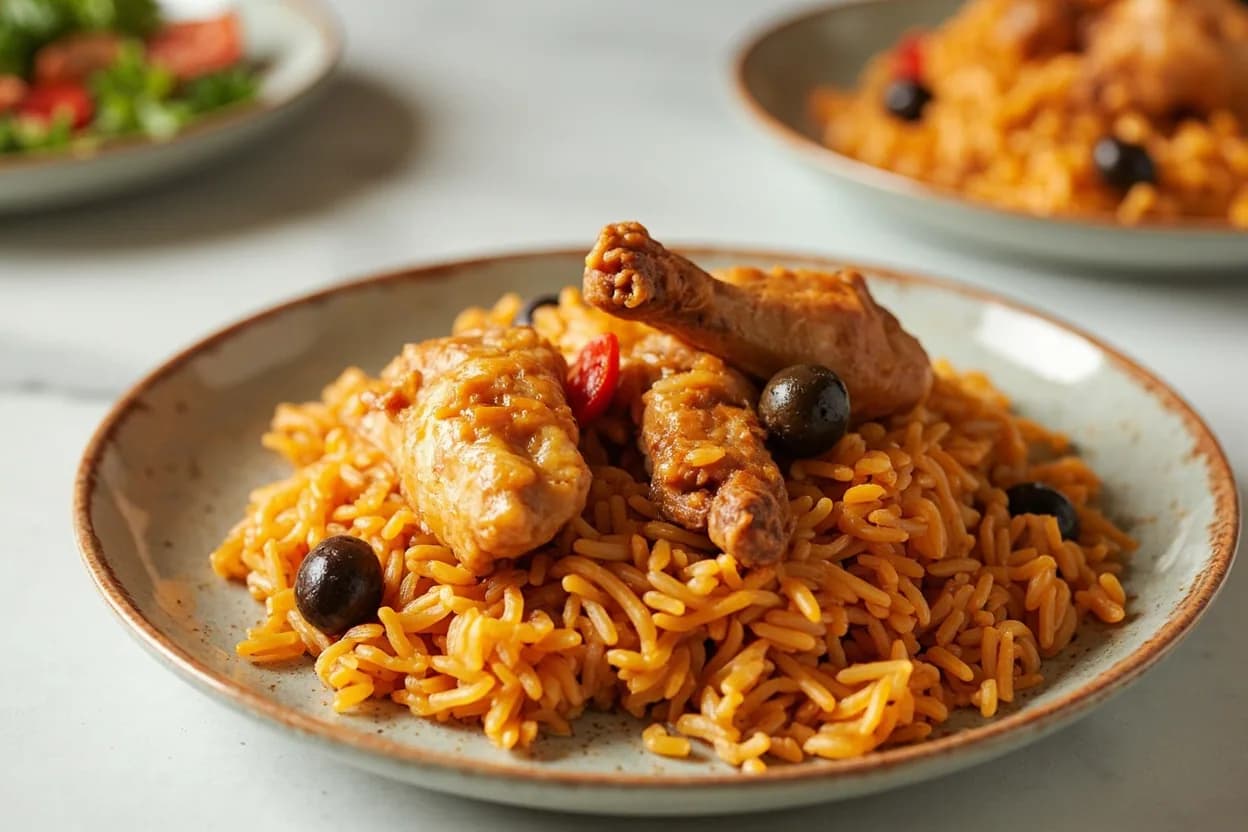
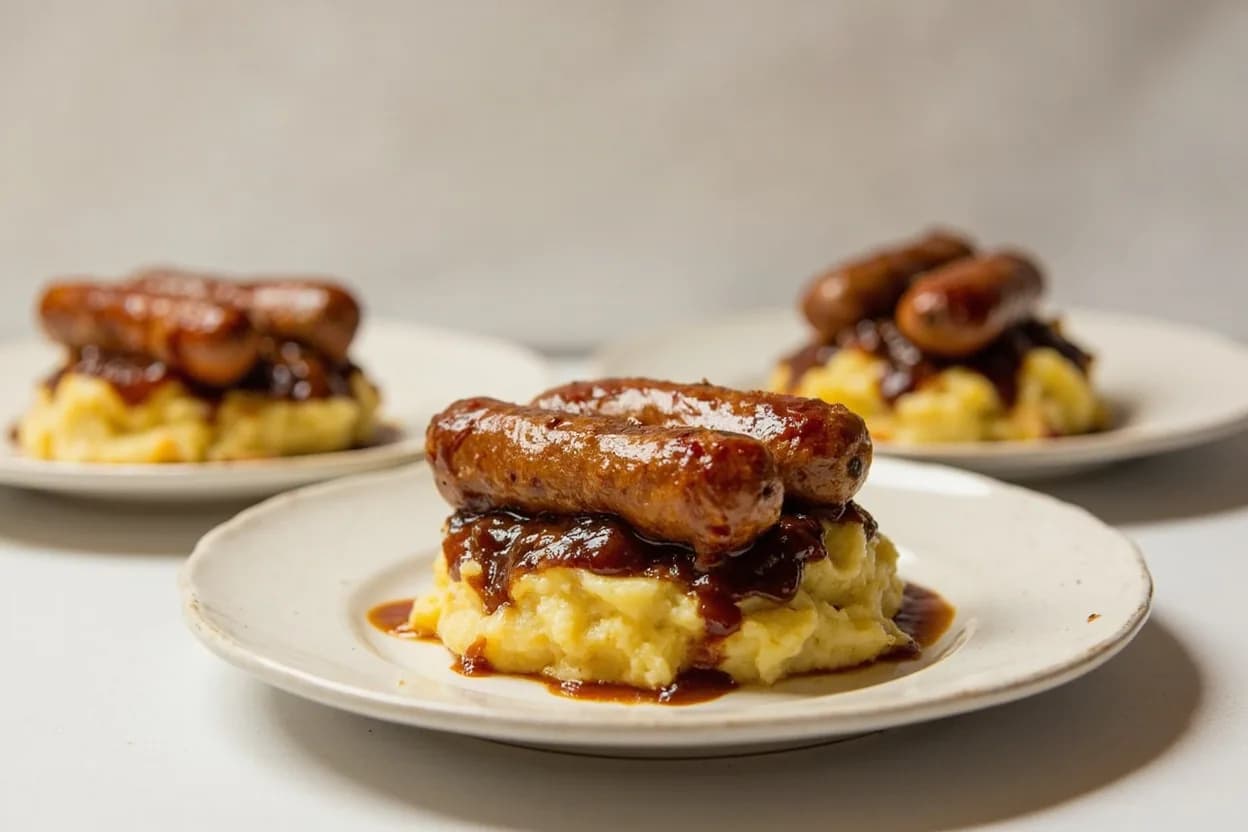
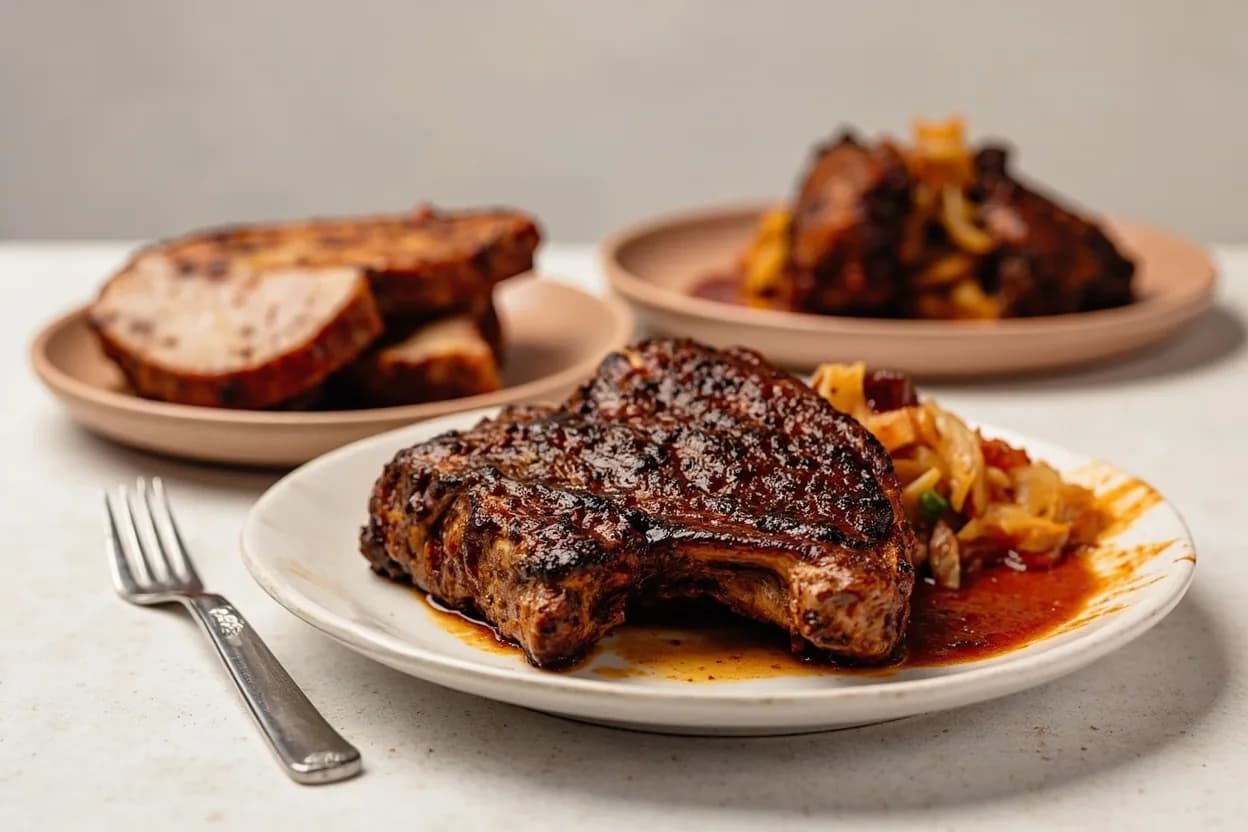
Dishes that rely on it
Related

Sear
Blast the surface hot for a deep-browned, savory crust

Sauté
Cook quickly in a little fat over lively heat, tossing as you go

Stir-Fry
Toss bite-sized pieces over roaring heat for fast, smoky cooking

Pan-Fry
Crisp food in a shallow layer of hot fat, turning once or twice

Deep-Fry
Submerge in hot oil for an all-over crackling crust

Roast
Cook uncovered in dry oven heat for browned edges and tender centers

Bake
Cook with steady, surrounding oven heat — the soul of bread and pastry

Broil
Hit food from directly above with fierce overhead heat