Heat & Fire
Basting
Spooning fat or juices over cooking food to keep it moist and build flavor.
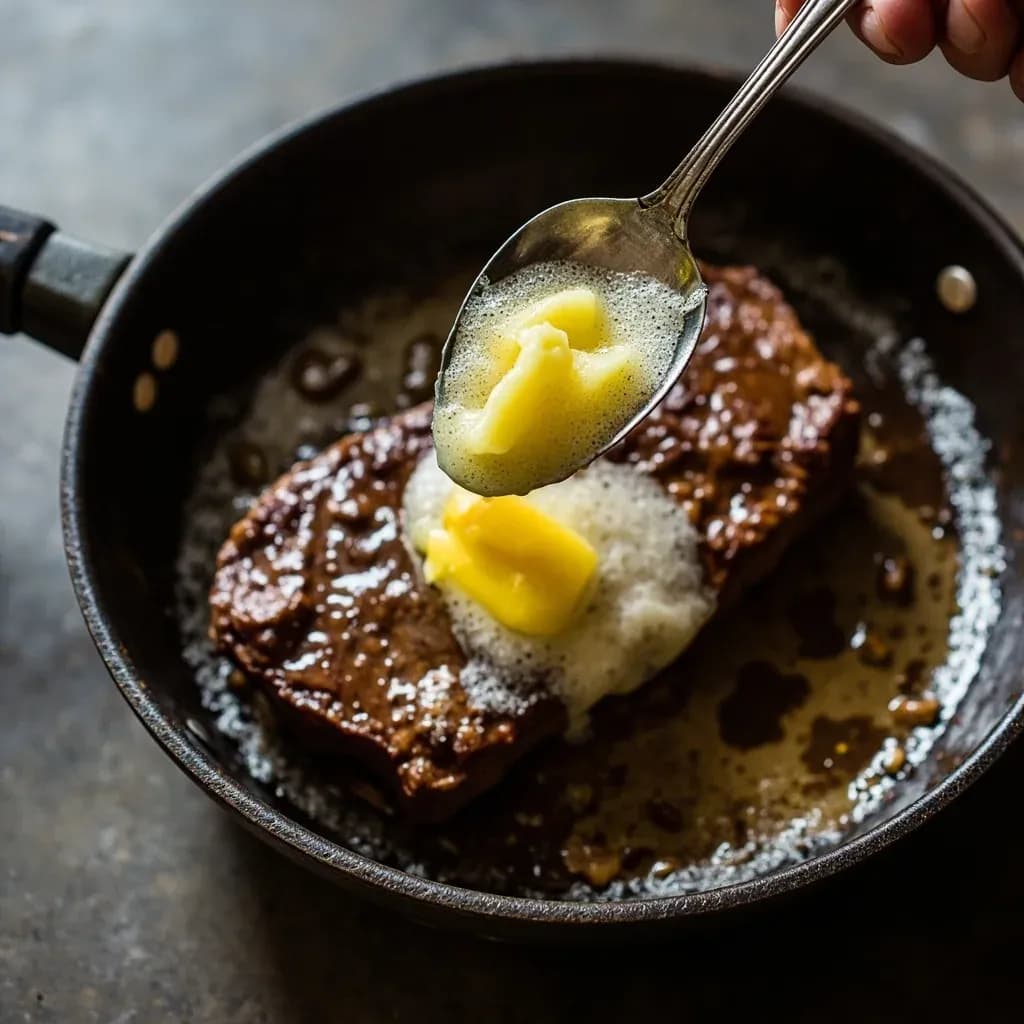
Basting repeatedly moistens cooking food by spooning or brushing pan juices, melted butter, or marinade over its surface. It keeps roasts and grilled meats from drying out and helps build a glossy, flavorful crust. In pan-cooking, tilting the pan and spooning hot foaming butter over a steak also speeds and evens the cooking.
Basting is the practice of spooning, squirting, or brushing a liquid — most often the food's own pan drippings, melted butter, stock, or a glaze — over its surface as it cooks. The liquid carries rendered fat, dissolved proteins, and any seasoning the drippings have picked up back across the top of the food, coating it in a thin, glossy layer that slows surface drying, builds flavor, and, in the case of glazes, lacquers the exterior with a colored crust. The traditional image is a holiday turkey with a long-handled spoon, but basting is just as useful on a rib rack, a tray of brioche, or a grilled fish steak.
Basting's reputation as a moisture-preserver is partly overstated. The liquid you spoon on stays on the surface; it penetrates only the outer few millimeters of meat, so most of the perceived juiciness comes from rendered subcutaneous fat and a glaze that masks dryness, not from deep hydration. The bigger trade-off is with browning: every time the oven door opens, the surface temperature drops, and wet coatings inhibit the Maillard reaction and crisp skin. Food scientists including Harold McGee and chefs like Heston Blumenthal have pointed out that frequent basting can lengthen cooking and yield a paler, softer crust than a hands-off roast would.
That said, basting earns its place in several real ways. Slip softened, seasoned butter under the skin of a whole bird and it functions as an internal, slow-rendering self-baster — the single most effective version of the technique. Glaze basting builds a lacquered, glossy finish on hams, ribs, and pastries. Mopping keeps long barbecued cooks from drying out. And for vegetables, breads, and grilled items, surface basting is the difference between a dull and a vivid, well-flavored finish. The craft is choosing when to baste lightly so the Maillard crust can do its work, and when to baste generously so flavor and gloss build.
- Difficulty
- Easy
Types & varieties
Manual method using a long-handled spoon to scoop drippings and pour them over the food; the classic roast technique.
Uses a squeeze (turkey) baster to draw up drippings and squirt them on; faster and loses less oven heat than lifting a heavy pan.
Loosening the skin and slipping softened or compound butter beneath it; the most effective form of basting for whole poultry.
Brushing a sweet or savory glaze (honey-mustard, maple-bourbon, hoisin, apricot) onto roasts, hams, or grilled meats in the final stage.
Related but distinct: threading fat (larding) or wrapping meat in fat (barding) provides a built-in self-basting layer during cooking.
Commercially injected poultry that bastes itself from the inside as injected fats render.
Spit-roast and rotisserie setups where a drip cup and gravity deliver rendered fat continuously; some specialty oven basters do the same.
How to do it
- 1
Pick a basting medium
Choose pan drippings, melted or clarified butter, stock, wine, or a glaze. If using marinade, either reserve a clean portion before it touches raw protein or bring the used portion to a rolling boil for several minutes first.
- 2
Select the right tool
Use a long-handled basting spoon for classic spoon basting, a bulb baster for speed and less heat loss, or a natural-bristle pastry brush for glazes. Keep the tool near the oven so the door stays open only seconds.
- 3
Let the surface sear first
Roast uncovered for the first 20–30 minutes so the surface dries and browns. This Maillard crust is your flavor foundation; washing it off too early means a pale, soft exterior later.
- 4
Baste at steady intervals
Every 20–30 minutes, briefly open the oven, draw up drippings, and pour or squirt them evenly over the top and sides. Rotate the pan so exposed faces get coated.
- 5
Adjust as you go
If drippings scorch, deglaze with a splash of stock or wine. If they are thin and watery, ladle some into a small saucepan and reduce to a syrup for a later, more flavorful coat. If the surface is browning too fast, tent loosely with foil and baste more often with fat rather than watery liquid.
- 6
Finish with a glossy coat
In the final 10–15 minutes, apply a thicker baste or glaze for shine and concentrated flavor. Avoid disturbing any dry, seasoned crust that has formed on roasts and crusty breads.
- 7
Rest, then spoon the juices over
Transfer to a board or platter, tent loosely with foil, and rest 10–30 minutes depending on size. Skim the pan drippings, optionally mount with cold butter, and spoon over the carved meat or shredded poultry so each serving carries the baste through to the plate.
When basting helps — and when it doesn't
The single biggest decision a cook makes with basting is whether to do it at all. Basting is a tool for surface care: gloss, color, and a thin flavor coat. It is not a tool for deep moisture, and used carelessly it works against the very browning that gives roast meat, bread, and grilled fish their appeal. Use it deliberately, in the situations where it pays off, and step out of the way where it doesn't.
- Reach for basting with: whole poultry, lean roasts (pork loin, veal, eye of round), glazed hams and ribs, bread and pastry washes, long barbecue mops, and grilled fish and vegetables that need a brush of oil to keep them from sticking.
- Skip or minimize basting with: well-marbled cuts like rib roast, pork shoulder, and brisket that render more than enough of their own fat, and any high-heat sear where a hard, dark crust is the goal.
- For deep, internal juiciness, choose dry-brining, wet-brining, or injection — surface basting does not reach past the outer few millimeters of meat.
- Reserve the heaviest, most concentrated baste — usually a reduced, glossy drippings syrup or final glaze — for the last 10–15 minutes so the diner actually tastes it on the finished plate.
Common uses
Tips & pitfalls
- Open the oven as few times as possible — every baste can drop cavity temperature significantly and lengthen cook time.
- Use warm or room-temperature basting liquid; cold liquid shocks the surface and slows browning.
- For crisp-skinned poultry, dry the skin thoroughly, salt it ahead, and baste lightly, reserving most of the basting for the last third of cooking.
- Never baste with raw marinade that has touched uncooked protein unless it is boiled for several minutes or a clean portion was set aside.
- Slipping seasoned butter under the skin of turkey or chicken does more for moisture and flavor than surface spoon work.
- A bulb baster is faster and tidier than spoon basting and is especially useful for vertical roasts and rib racks.
- Reserve the most concentrated baste — often a reduced, glossy drippings syrup — for the final coat just before resting; that is the flavor the diner actually tastes.
- If drippings scorch on the pan bottom, deglaze with stock or wine before resuming, or move the food to a clean rack over a fresh pan.
- Baste and rotate the pan so all sides are coated; do not let liquid pool in the cavity longer than necessary, which can steam the skin and undo crispness.
Good to know
- Etymology
- From Old French 'baster', meaning to soak, moisten, or pour over.
- Common basting liquids
- Pan drippings, melted or clarified butter, stock, wine, glaze, or a marinade that has been cooked or reserved clean.
- Typical interval
- Every 20–30 minutes during roasting; less often on long, low-temperature cooks.
- Key tools
- Long-handled basting spoon, bulb (turkey) baster, ladle, pastry brush, and a fat separator when drippings are needed for sauce.
- Commercial parallel
- 'Self-basting' whole poultry is pre-injected with broth, oil, or butter at the processor to mimic what spoon basting achieves in the kitchen.
- Effect on browning
- Frequent basting can suppress Maillard browning and crisp skin because it cools the surface and rinses off rendered fat.
- Penetration depth
- Surface basting reaches only the outer few millimeters of meat; for deep moisture, brine, dry-brine, or injection is more effective.
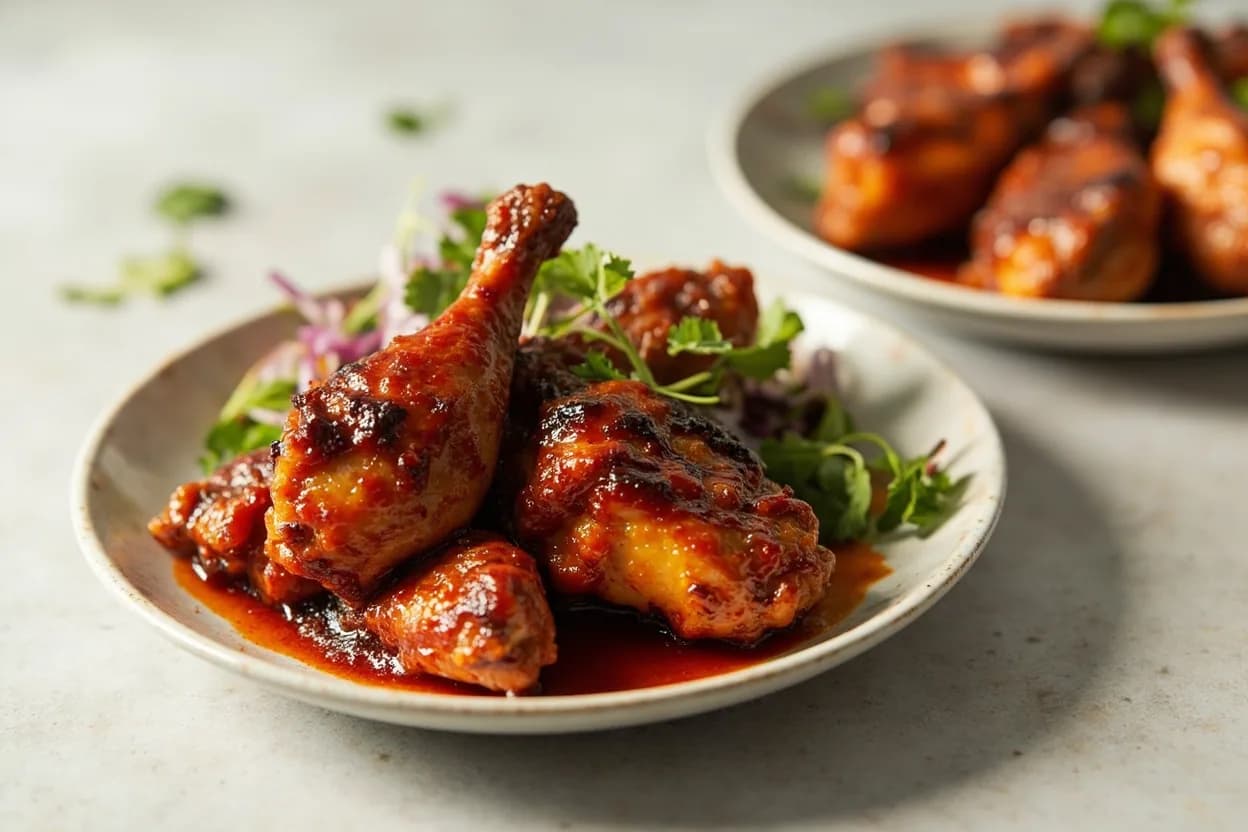
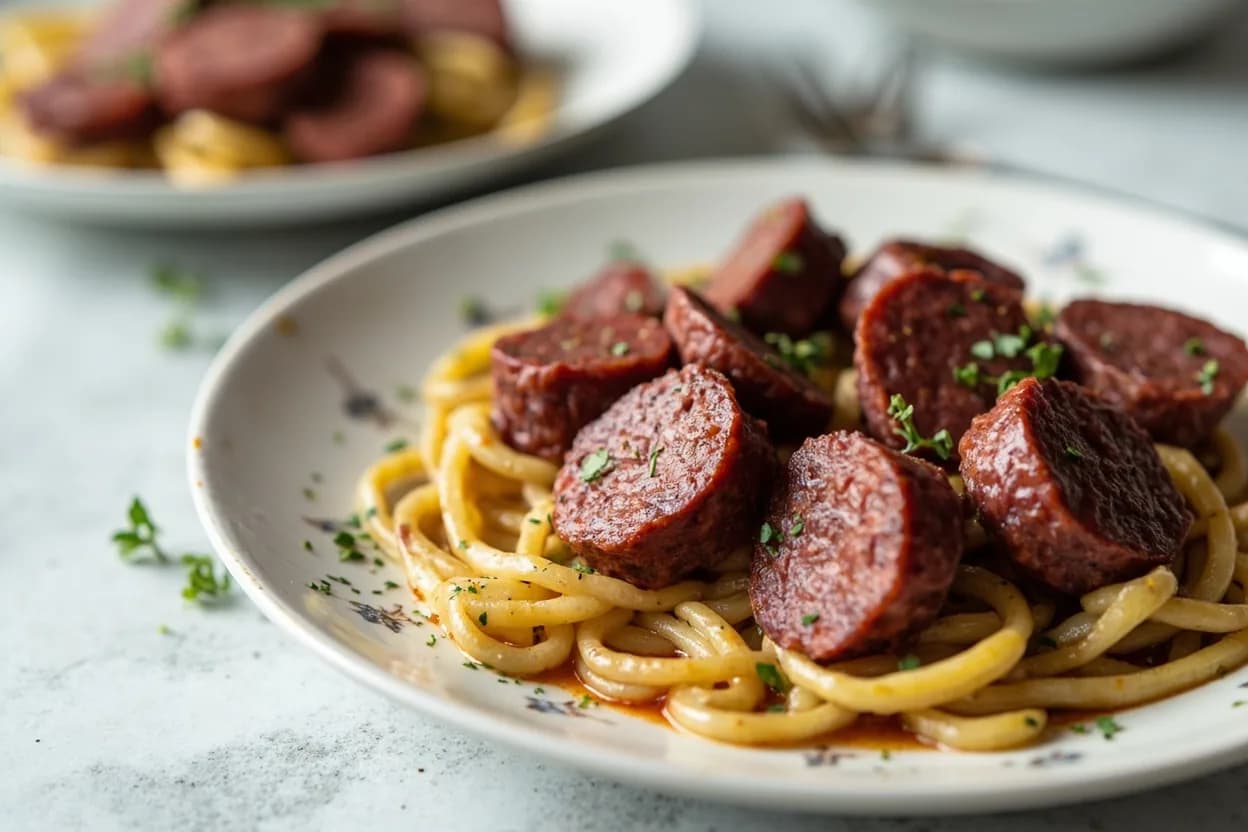
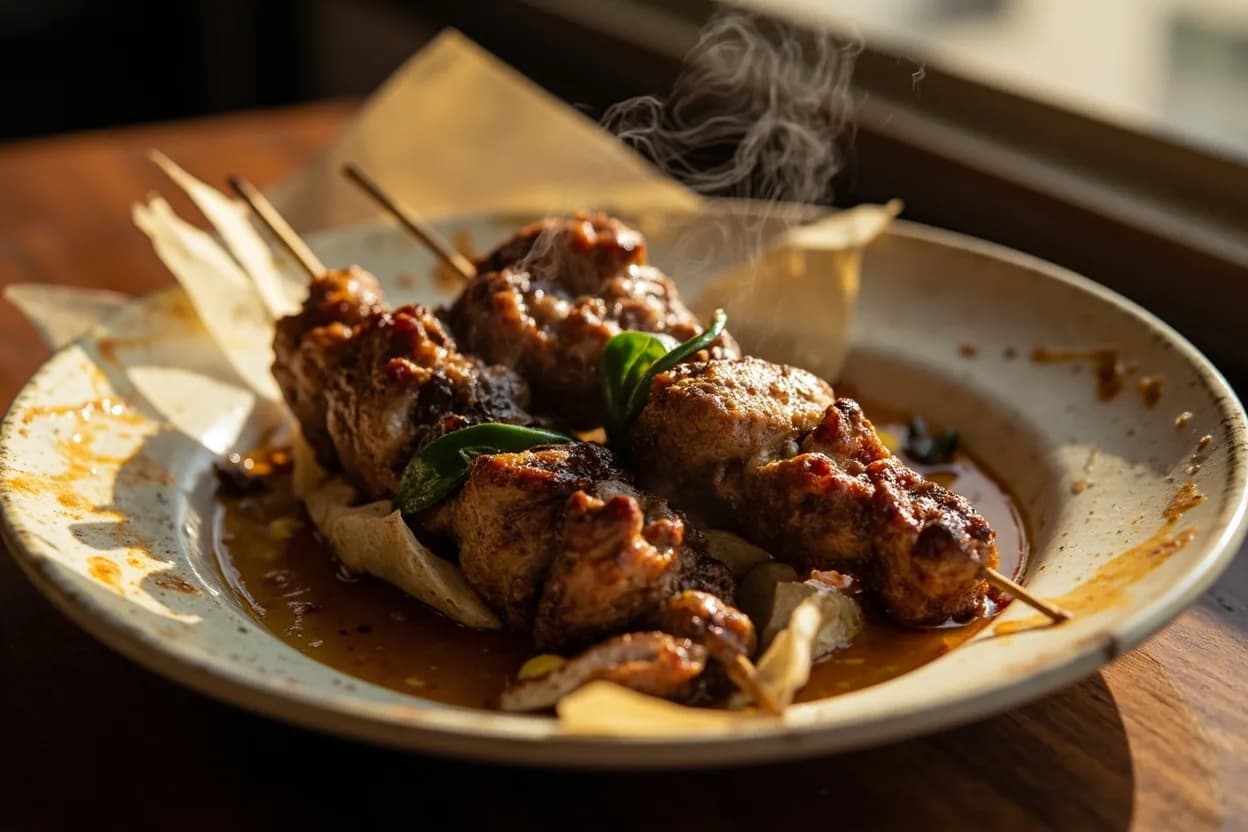
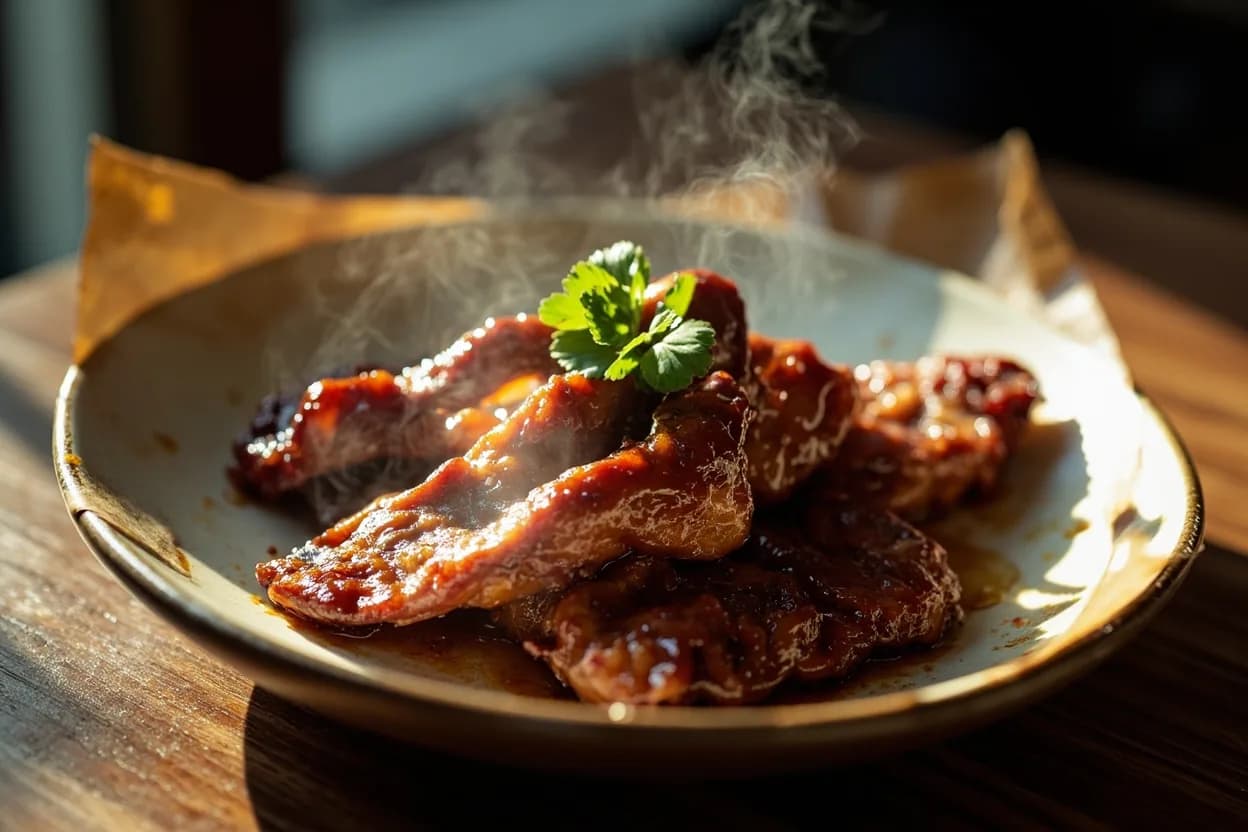
Dishes that rely on it
Related

Sear
Blast the surface hot for a deep-browned, savory crust

Sauté
Cook quickly in a little fat over lively heat, tossing as you go

Stir-Fry
Toss bite-sized pieces over roaring heat for fast, smoky cooking

Pan-Fry
Crisp food in a shallow layer of hot fat, turning once or twice

Deep-Fry
Submerge in hot oil for an all-over crackling crust

Roast
Cook uncovered in dry oven heat for browned edges and tender centers

Bake
Cook with steady, surrounding oven heat — the soul of bread and pastry

Broil
Hit food from directly above with fierce overhead heat