Prep & Assembly
Rinsing & Rubbing Off Pericarp
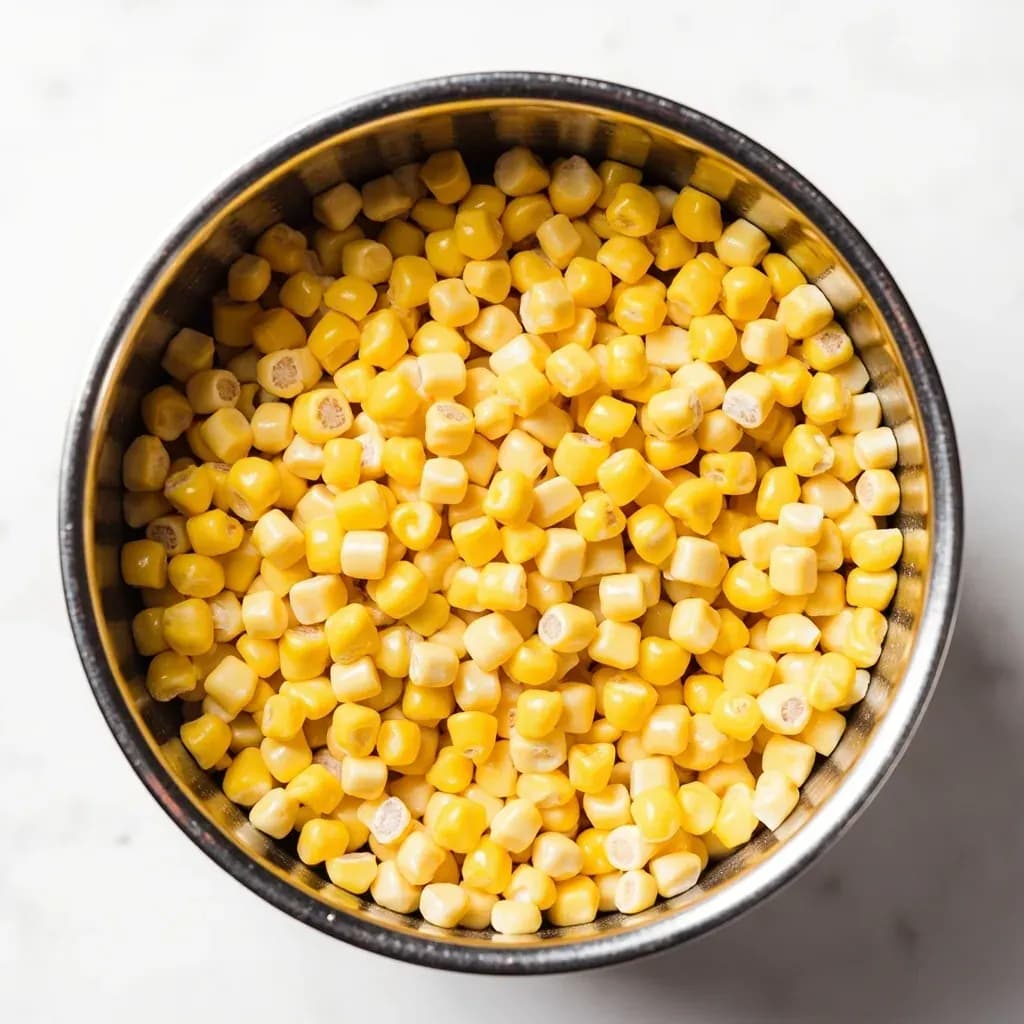
Washing nixtamalized corn and rubbing off the loosened skins before grinding masa.
After corn is simmered and steeped in an alkaline lime solution (nixtamalization), this step rinses the kernels under running water while rubbing them between your hands to slough off the softened pericarp, the outer skin. Removing the hulls is what makes the corn grind into smooth, pliable masa for tortillas and tamales. Rinsing also washes away excess lime so the dough tastes clean rather than bitter.
After the alkaline cook and overnight steep that define nixtamalization, the kernels arrive at this quiet but consequential step. The corn is swollen, faintly yellow, and still wearing the pericarp — a thin, translucent hull that the calcium hydroxide has loosened but not yet removed. Rinsing and rubbing off the pericarp is the act of washing that loose skin away, along with the milky residue of surface lime, so that what reaches the mill is clean, pearly corn.
Water alone won't do it. The hull hangs on until friction dislodges it, which is why cooks — from a home cook over a kitchen bowl to a line of workers at a tortillería sink — work the nixtamal in small handfuls, rubbing kernels briskly between both palms. Each pass strips more skin into the water and turns the rinse cloudy with cal; the work is finished when the water runs clear and the kernels look smooth and ivory, with no shiny film clinging to them.
Get this step right and it is invisible in the finished tortilla, which tastes of pure corn. Rush it, skip it, or under-rub, and the pericarp grinds into the masa as visible specks and grittiness, while any unrinsed lime leaves a faint soapy or bitter note that no later step will correct.
- Difficulty
- Medium
Types & varieties
Traditional method: nixtamal in a bucket of water, rubbed between palms in small handfuls; cloudy water is poured off and replaced 2–3 times.
Done over a colander in the sink; skins and loose cal rinse away continuously as you work, which can shorten the job to 2–3 passes.
Some modern kitchens pulse the nixtamal briefly in a food processor with water to dislodge skins; less common in tortillerías, where the hand rub is faster and gentler on the swollen kernels.
How to do it
- 1
Drain the nixtamal
Pour the pot's contents into a colander set over a bowl to catch the cooking liquid (nejayote) if you want to save it for other uses. Let the kernels drain for about a minute.
- 2
Transfer to a rinse vessel
Move the warm nixtamal into a large bowl or bucket. A 4 L bowl handles roughly 1 kg of corn comfortably; scale up for larger batches.
- 3
Cover with cool water and begin rubbing
Add cold water to cover. Working in small handfuls, rub the kernels briskly between both palms. The translucent pericarp should slip off into the water; you'll see thin papery skins floating and the water turn milky.
- 4
Pour off the cloudy water
Tip the bowl and drain the cloudy, skin-filled water away from the kernels, ideally through a coarse sieve to catch loosened skins so they don't drift back onto the corn.
- 5
Repeat 2–4 times
Refill with fresh water, rub again, and drain. Each pass should produce less cloudiness. Stop when the water runs clear and your hands come away clean.
- 6
Final inspection
Spread a small sample of kernels on a plate. They should look pearly and smooth, with no shiny translucent film. Pick out any stragglers and rub them again individually.
- 7
Drain and proceed to the mill
Drain the cleaned nixtamal well. Grind immediately for the freshest masa, or store submerged in fresh water in the refrigerator for up to 2–3 days.
Reading the kernels and the water
The two signals that tell you when to stop are visual, not timed. The water tells you about lime; the kernels tell you about the pericarp.
- Cloudy, milky rinse water means surface calcium hydroxide is still coming off. Keep rinsing until a fresh change of water stays clear within ten seconds of agitation.
- A shiny, translucent film on a kernel means the pericarp is still attached. Set that kernel aside and rub it again — or accept that it will show up as a dark speck in the tortilla.
- Pearly, matte, uniformly pale-yellow kernels with a slight slip from residual moisture are what you want going to the mill.
- Don't mistake the dark tip cap (where the kernel attached to the cob) or the blackeye for pericarp. Those structures are not loosened by the cook and are normally left in place.
Common uses
Tips & pitfalls
- Rub handfuls of kernels firmly between both palms rather than picking at them one by one. The friction between the kernels is what pops the pericarp loose; water is the carrier, not the worker.
- Change the rinse water until it runs genuinely clear — usually 2 to 4 changes for a 1–2 kg batch. Cloudy water means cal residue is still on the surface and will end up in your masa.
- Do not skip the visual check. Any kernel still wearing a translucent film will produce a speckled, gritty tortilla that no amount of kneading or resting will fix.
- Keep the nixtamal wet after this step. Letting it dry out before grinding makes any remaining pericarp re-adhere and can dry-toughen the surface of the kernels, wearing the mill stones faster and yielding a coarser masa.
- Don't confuse the pericarp (thin papery skin) with the tip cap or the blackeye. Those are different structures and are typically left in place; only the pericarp is rubbed off.
- Cold water is fine for the rinses. Some cooks use reserved cooking liquid (nejayote) for the first pass to capture corn flavor, but the final rinse must be fresh water or a lime note will linger in the masa.
- If the pericarp refuses to release no matter how hard you rub, the alkaline steep didn't fully penetrate the hull. The corn was undercooked or understeeped, and the fix is more cooking time on the next batch, not more elbow grease on this one.
Good to know
- Stage in process
- Substep of nixtamalization, performed after the alkaline cook and steep and before wet milling into masa.
- Purpose
- Removes residual calcium hydroxide (cal) from the surface and dislodges the loosened pericarp, the thin outer skin of the kernel.
- Origin
- Mesoamerica; nixtamalization dates to roughly 1500 BCE among Maya, Aztec, and predecessor cultures.
- Spanish terms
- Often called 'despellejar' the nixtamal; the loosened skins are called 'cáscara' or 'hollejo.'
- Typical time
- 5–10 minutes of active rubbing for a 1–2 kg batch of nixtamal.
- Indicator of completion
- Rinse water runs clear; kernels appear clean and pearly, with no translucent skins clinging to them.
- Effect on masa
- Skipping or rushing leaves specks, grittiness, and a faintly bitter, lye-like taste in the finished masa.
- Storage after step
- Drained nixtamal keeps submerged in fresh water in the refrigerator for 2–3 days before grinding.
Also called
Rinsing Nixtamal · Hulling Nixtamalized Corn
Related

Whisk
Beat ingredients smooth and aerated with a looping wire motion

Sift
Pass dry ingredients through mesh to aerate and remove lumps

Strain
Pour through mesh to separate solids from liquid for a smooth result

Filter
Pass liquid through fine material to clarify out the smallest particles

Rice
Press cooked potatoes through small holes for fluffy, lump-free texture

Mash
Crush soft cooked food into a rustic, creamy purée

Grind
Crush food into a coarse to fine texture, from spices to meat

Grate
Shred food into fine bits against a sharp-toothed surface