Transform & Preserve
Nixtamalization
Cooking and steeping dried corn in an alkaline lime solution to make it grindable and more nutritious.
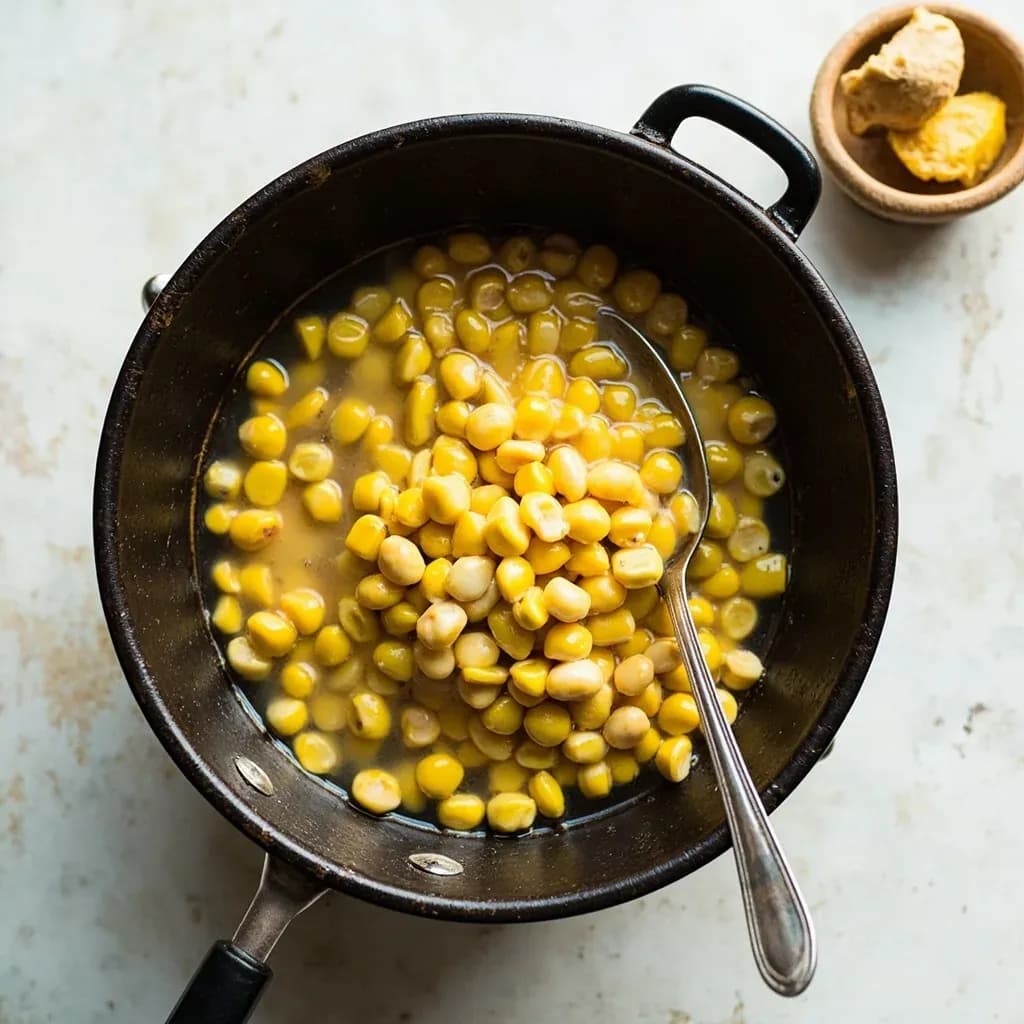
Nixtamalization soaks and simmers dried corn (maize) in an alkaline solution of calcium hydroxide (cal) or wood ash, then steeps it before rinsing off the loosened hulls. This ancient Mesoamerican process softens the kernels into nixtamal that can be ground into masa for tortillas and tamales. It also unlocks bound niacin and improves the corn's amino-acid balance and flavor, making it far more digestible and nutritious.
Nixtamalization is the centuries-old Mesoamerican practice of cooking dried field corn in an alkaline solution, then steeping it for hours before rinsing and grinding. The alkali — almost always food-grade calcium hydroxide (cal) — does far more than soften the kernel. It loosens the tough outer pericarp so the hulls can be rubbed away, it breaks down hemicellulose in the cell walls to release bound niacin (the B3 vitamin that prevents pellagra), and it partially gelatinizes the starches so the resulting masa binds, stretches, and puffs the way fresh masa should. Without this step, dry-ground cornmeal produces a crumbly, bland, nutritionally inferior dough — which is why untreated cornmeal, however well ground, will never make a real tortilla.
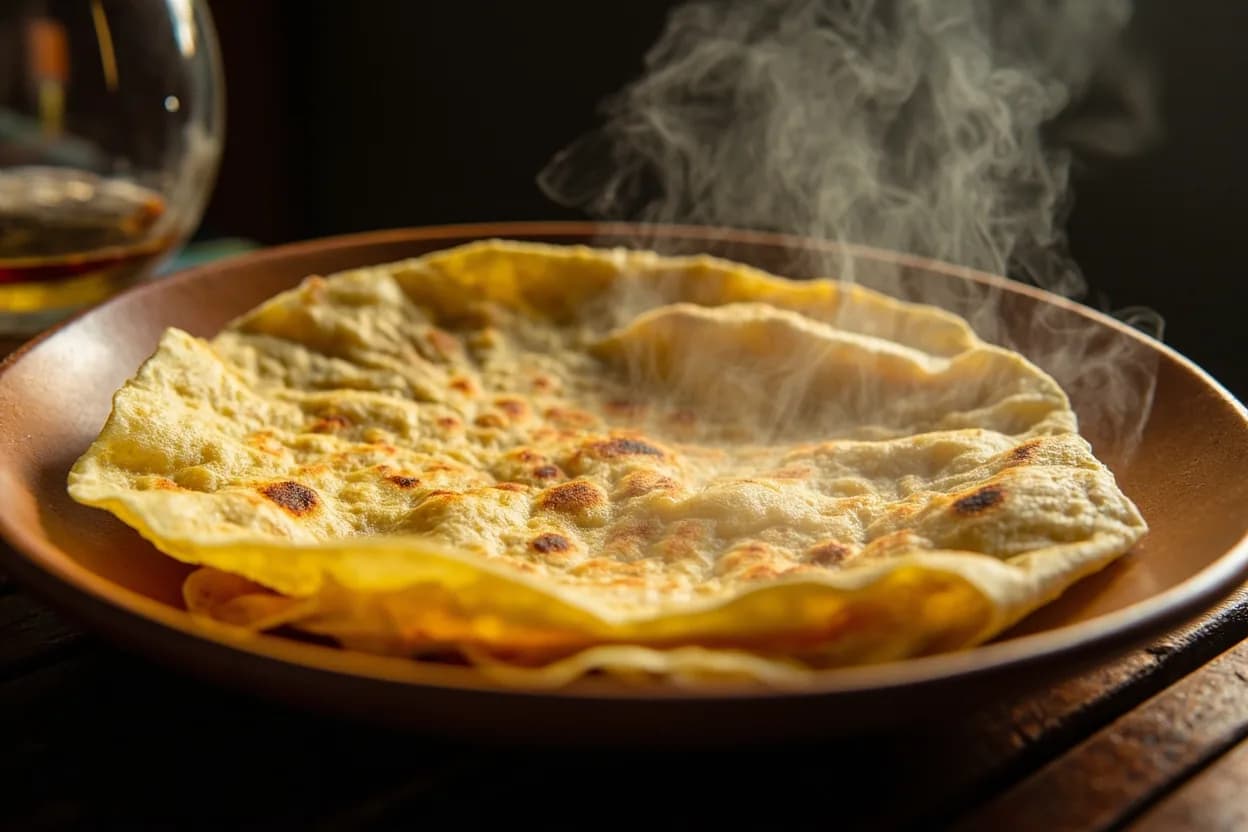
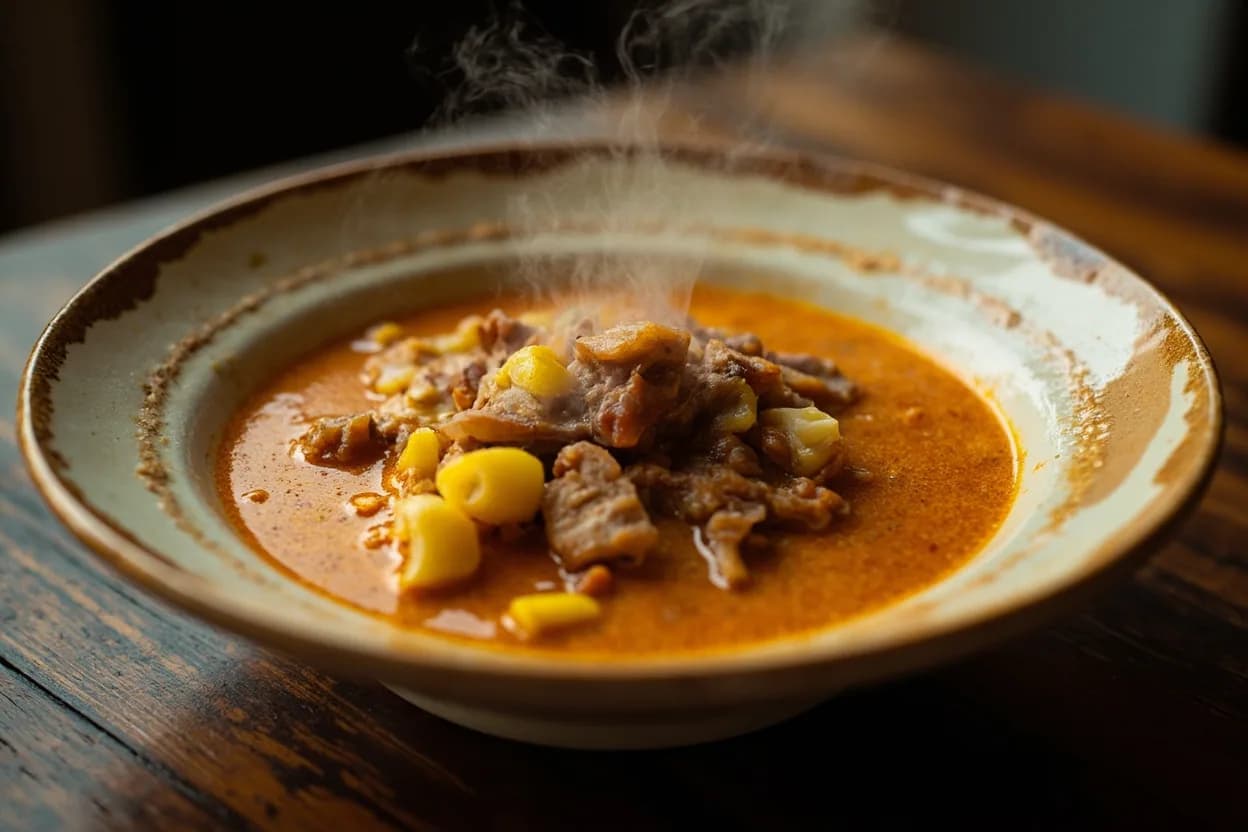
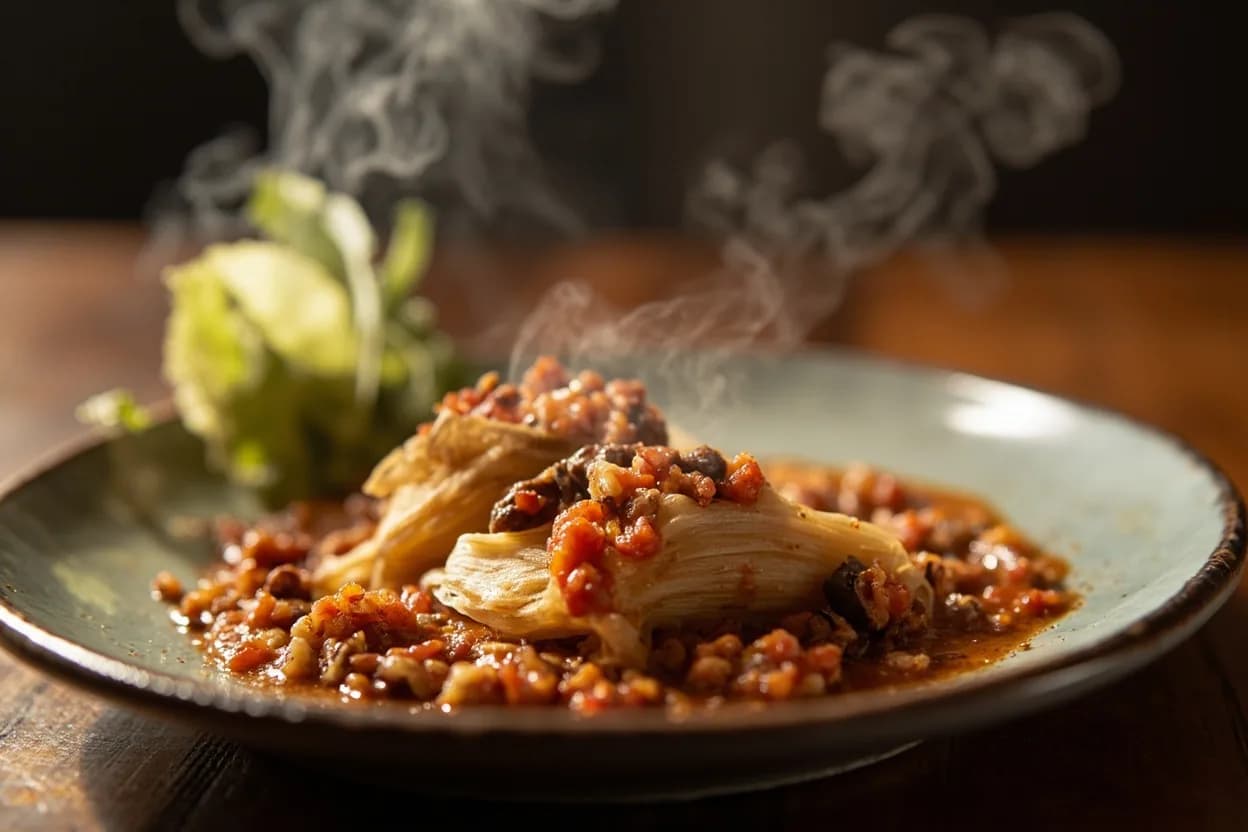
The technique is the foundation of nearly all traditional Mexican and Central American corn cookery: fresh masa for tortillas, tamales, sopes, and atole; whole-kernel nixtamal (called hominy in the U.S.) for pozole and menudo; and the dried, rehydratable masa harina sold in supermarkets. The transformation is so fundamental that cooks who only know masa harina are missing the bright, almost dairy-like aroma and the springy chew that comes from grinding nixtamal at home — the difference is roughly that of fresh pasta versus dried.
Nixtamalization is forgiving in method but demanding in materials. Sourcing true food-grade calcium hydroxide is non-negotiable (construction lime is caustic and unsafe); the vessel must be stainless or enamel, never aluminum; and the long overnight steep cannot be short-cut if you want the classic flavor and texture. Plan on 12–20 hours from corn to usable masa, most of it unattended.
- Difficulty
- Medium
Types & varieties
The standard and most common alkali; produces the classic tortilla aroma and chewy masa.
Traditional in some highland and northern Mexican regions; softer, more aromatic masa used for certain tamales and atole.
Naturally mineralized alkaline salt historically mined in central Mexico; imparts a slightly sulfury, distinctive flavor.
15–30 min boil plus a 2–4 hr steep with extra cal; acceptable for masa harina production but produces inferior texture.
Process halted before grinding; kernels kept whole for pozole, menudo, and canning.
Same process applied to pigmented varieties; blue masa is denser and faintly sweet, green masa is earthy and prized for tetelas.
How to do it
- 1
Select and measure the corn
Use dried field or dent corn (flint works for a chewier masa). Measure by weight, not volume — 1 kg is a good home-batch size. Pick out debris, broken kernels, and stones, then rinse the corn twice in cool water until the water runs clear.
- 2
Prepare the alkaline solution
In a stainless steel or enameled pot, combine 3 L of water with 10–30 g of food-grade calcium hydroxide (roughly 1–2% of the corn's weight). Stir well; the cal will not fully dissolve, which is normal. Bring to a gentle boil, stirring once or twice.
- 3
Add the corn and cook
Add the rinsed corn to the boiling alkaline water. The water should cover the corn by 5–8 cm; top up with hot water if needed. Maintain a low boil for 15–30 minutes — dent corn is usually done in 15, larger or older kernels may need longer. The hulls will visibly start to loosen at the tip.
- 4
Steep — the crucial step
Remove from heat, cover the pot, and let the corn steep in the cooling liquid for 8–16 hours. Keep it somewhere warm: an oven with the light on, wrapped in a thick towel, or in a cooler. The long steep is what fully softens the kernels, releases bound niacin, and develops the characteristic masa aroma.
- 5
Drain and rinse
Pour off the cloudy alkaline liquid (it can be saved and reused for one more batch — the nixtamalizer's 'reuso'). Rinse the nixtamal under running water, rubbing kernels gently between your hands. Repeat 3–4 times until the water runs clear and the kernels feel only slightly slick, not soapy.
- 6
Remove the pericarp (hulls)
Work a cup of nixtamal at a time in a bowl of water, rubbing kernels together. The loosened yellow-white hulls float off and can be poured away. The dark tip (pedicel) should rub off easily with a thumbnail; if it resists, steep longer or warm gently with a splash of cal-water. Discard any kernels that remain hard.
- 7
Grind to fresh masa
Grind while the nixtamal is still warm — cold nixtamal produces coarse, crumbly masa. Pass it through a nixtamal grinder (a hand-crank molino with a 1.5–2 mm die is the home standard), pulse in a food processor with a splash of water, or use a high-powered blender. Traditional metate grinding gives the silkiest masa but is serious labor.
- 8
Rest and adjust the masa
Transfer masa to a bowl, cover, and let rest 20–30 minutes. It should feel like smooth, pliable Play-Doh — it holds its shape when pressed but spreads slightly. If too dry, knead in a tablespoon of water at a time; if too wet, work in a little dried masa (made by drying a small portion of fresh masa in a low oven).
- 9
Form and cook
Press portions into tortillas (using a tortilla press lined with plastic), form tamales, shape sopes, or leave whole for pozole. Tortillas cook on a hot comal or dry skillet 45–60 seconds per side; tamales steam 1–1.5 hours; pozole simmers with meats and chiles until the kernels are tender. Use fresh masa within 2 days refrigerated, or freeze in flat 1-cm slabs for up to 3 months.
The Chemistry Behind the Transformation
Three things happen at once when corn meets an alkaline hot bath, and understanding them explains almost every cooking decision in the process. First, the alkali attacks the pericarp — the brittle yellow skin that makes untreated cornmeal gritty — swelling and loosening it so it can be rubbed off after the steep. Second, the alkaline environment hydrolyzes hemicellulose in the endosperm cell walls, which both softens the kernel and frees niacin that was chemically bound in the grain; this is why nixtamalization, not the corn itself, is what prevents pellagra in corn-heavy diets. Third, the calcium and a small amount of remaining alkali partially gelatinize the surface starch, which is why fresh masa behaves like a true dough: it stretches under the tortilla press, holds a tamale's shape, and toasts to a tender chew rather than a sandy crumble. Skip the steep and you skip most of this — cooking alone loosens hulls but does not give the alkali time to penetrate the endosperm.
Choosing and Sourcing the Right Materials
The single most consequential choice is the alkali. Food-grade calcium hydroxide is sold at Mexican groceries (labeled 'cal'), tortilla suppliers, and online as 'pickling lime' or 'nixtamal lime.' It is a fine white powder, mildly caustic to the touch, and perfectly safe to cook with at these concentrations. Construction-grade slaked lime, garden lime, and quicklime are not the same product and should never be used in food. For the corn itself, any dried field or dent corn works; flint corn gives a slightly chewier masa and is traditional for certain regional tamales. Popcorn is too small and dense, and sweet corn has too much sugar and moisture. Heirloom varieties — Oaxacan green dent, Hopi blue, and other pigmented maizes — behave the same way but contribute color and nuanced flavor worth exploring on a second or third batch.
Common uses
Tips & pitfalls
- Source only food-grade calcium hydroxide — sold as 'cal' at Mexican markets or as 'pickling lime' or 'nixtamal lime' online. Construction slaked lime, garden lime, and quicklime are unsafe for cooking.
- Never use aluminum, copper, or unlined iron vessels; the alkali will pit aluminum and discolor the masa. Stainless steel or enameled cast iron is ideal.
- Dissolve the cal in the water before adding the corn — sprinkling dry cal directly onto kernels, or dumping corn into dry cal, causes uneven treatment and gritty bites.
- Don't short the steep. Cooking alone softens hulls; the long overnight soak is what penetrates the endosperm, releases niacin, and develops the masa aroma.
- Grind nixtamal while still warm. Cold nixtamal produces a coarse, crumbly masa that won't hydrate properly even with extra water.
- Test doneness before grinding: a properly nixtamalized kernel should have its tip (cap) rub off easily with a thumbnail. If it resists, steep longer or warm with a splash of cal-water.
- Rinse 3–4 times until the water runs clear and the slippery lime feel is gone, but don't soak the nixtamal in fresh water for hours — you'll leach out the characteristic flavor.
- If the masa feels gritty, the grinder plate is too coarse. A hand-crank molino with a 1.5–2 mm die is the home standard; a wet grinder or metate is the gold standard.
Good to know
- Origin
- Mesoamerica; archaeological evidence of use by Maya, Aztec, and earlier cultures dating to at least ~1500 BCE
- Etymology
- From Nahuatl 'nextamalli' (nextli = lime/ashes + tamalli = cooked corn dough)
- Primary alkali
- Food-grade calcium hydroxide (cal); traditionally slaked from limestone or leached from wood ash
- Typical ratio
- About 1 kg dried corn to 3 L water with 10–30 g cal (1–2% cal by corn weight)
- Cook + steep time
- 15–30 min at a low boil, then 8–16 hours covered and warm; total 12–20 hours
- Yield
- 1 kg dried corn yields ~1.4–1.6 kg nixtamal, or ~1.7–2 kg fresh masa
- Key chemical effect
- Alkaline hydrolysis breaks down hemicellulose, loosens the pericarp, and frees bound niacin (B3)
- Corn type
- Field/dent corn (flint works); popcorn and sweet corn are unsuitable
- Equipment
- Stainless steel or enamel pot, fine-mesh strainer, and a metate, molino, or food processor for grinding
Also called
Nixtamalization (Nixtamal) · Liming Corn
Dishes that rely on it
Related

Confit
Cook slowly submerged in fat for silky tenderness and keeping

Cure
Draw out moisture with salt and time to preserve and concentrate

Pickle
Steep in acidic brine for bright, tangy, crunchy preservation

Ferment
Let friendly microbes transform food into tangy, complex flavor

Marinate
Soak in a seasoned mix to flavor and tenderize before cooking

Brine
Soak in salt water so meat stays juicy and seasoned throughout

Dehydrate
Slowly dry out moisture to concentrate flavor and extend shelf life

Cold-Smoke
Perfume cured food with smoke without cooking it through