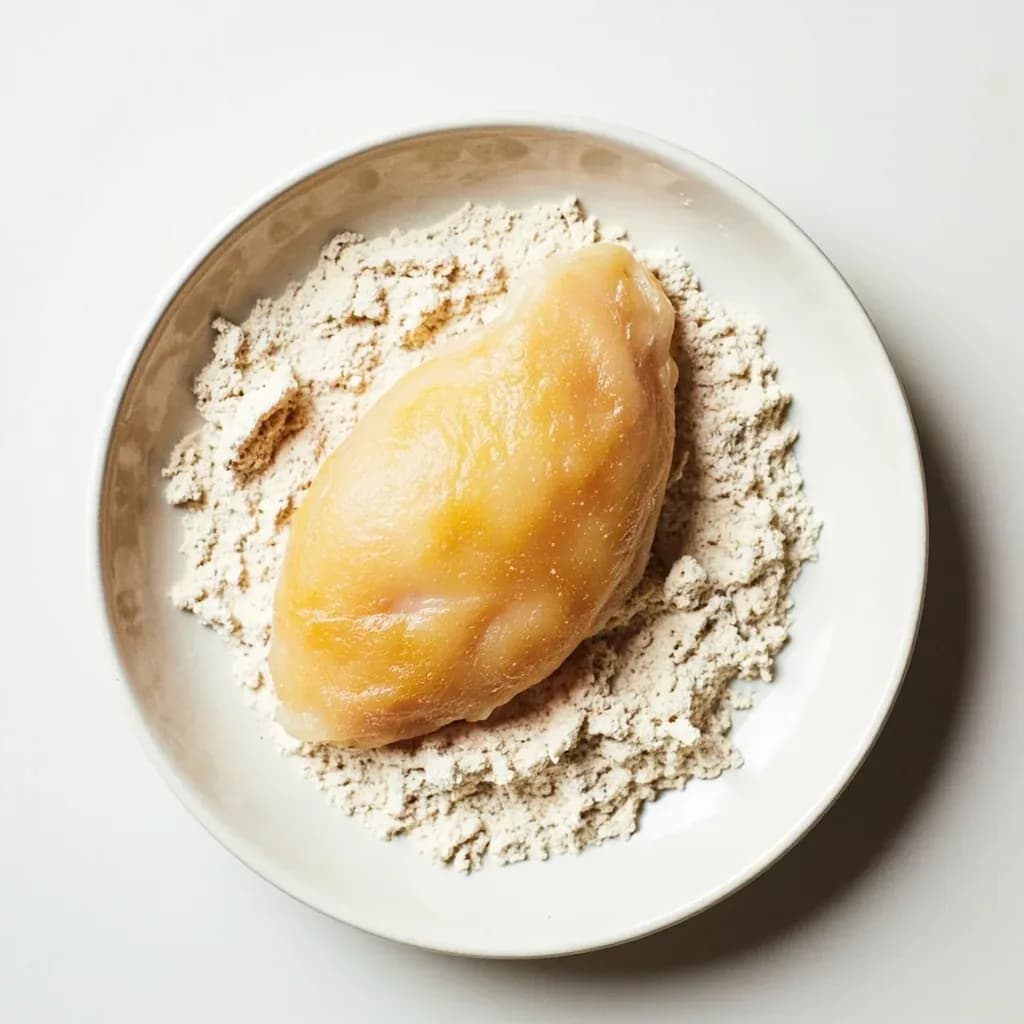
Prep & Assembly
Flour Dredging (Enharinar)
Coating food in flour before frying or browning to build crust and help it brown.
Flour dredging tosses or presses food through seasoned flour so it carries a thin, even coating before frying, sautéing, or braising. The flour absorbs surface moisture and forms a crisp, golden crust while helping sauces thicken and cling. Cooks shake off the excess so the layer stays thin and browns rather than gumming up.
Flour dredging — enharinar in Spanish — is the simplest move in a cook's coating vocabulary: a thin, even film of flour pressed onto a dry food surface, then seared in hot fat. That plain-looking layer does two jobs at once. It wicks surface moisture away from the food so a crust can form and hold, and it provides the dry, protein-rich surface the Maillard reaction needs to brown in the pan. The result is the pale-gold, lightly crusted exterior you see on a veal scaloppine, a pan-fried trout, or a slice of country-fried steak.
Unlike breading, which adds egg and crumbs for a thicker, craggy crust, dredging is flour alone — a single pass through seasoned flour, then straight into the oil or butter. Unlike battering, there is no wet slurry; the food's own surface moisture helps the flour grip. That restraint is the point: dredging lets the ingredient stay the star, with just enough coating to crisp the outside and, as a bonus, to thicken the drippings that will become your pan sauce.
The technique travels widely for good reason. It is the foundation of schnitzel, milanesa, piccata, British fried fish, and chicken-fried steak, and it works equally well on proteins and vegetables. Success is almost entirely a moisture-management problem: dry the food, season the flour, press and shake, and get it into hot fat before the flour absorbs surface water and turns patchy.
- Difficulty
- Easy
Types & varieties
Unseasoned wheat flour; a neutral base, classic for delicate fish or veal.
Flour mixed with salt, black pepper, paprika, garlic powder, or dried herbs — common for pork chops and fried chicken.
Pre-gelatinized flour dredges on more cleanly with less clumping; favored for lump-free pan sauces.
Produces an extra-crisp, almost translucent crust; common in East Asian frying and gluten-free cooking.
Lighter, crispier crust than wheat flour; can brown fast, so watch the heat.
Crosses into breading territory; yields a thicker, craggier crust for fried chicken or pork cutlets.
Heavy on Cajun, Creole, or curry blends for blackened or spiced fried dishes.
How to do it
- 1
Dry the food
Pat the protein or vegetable completely dry with paper towels. Surface moisture is the most common reason flour slides off or clumps unevenly in the pan.
- 2
Season the flour
Pour about 1 cup of all-purpose flour (or your chosen starch) into a wide shallow bowl, pie dish, or plate. Season generously with salt and pepper, plus any spices or dried herbs — start with about ½ teaspoon salt and ¼ teaspoon pepper per cup of flour, then adjust to taste.
- 3
Coat evenly
Press the food into the flour, turning to coat all sides. For irregular surfaces (chicken thighs with skin, bone-in chops, fish fillets with flaps) press the flour into the crevices with your dry hand so every part is covered.
- 4
Shake off excess
Lift the piece and tap or shake it gently so only a thin, even film remains. Visible clumps or loose flour should fall away — too much coating will turn gummy in the oil and absorb excess fat.
- 5
Cook immediately
Transfer the dredged piece straight into preheated fat: 325–375°F (165–190°C) for shallow frying, or a hot film of oil or clarified butter for sautéing. Do not let it rest on a tray while other pieces are dredged.
- 6
Build the sauce from the fond
After removing the cooked pieces, the seasoned browned bits stuck to the pan plus any residual flour form an instant base for a pan sauce or gravy. Deglaze with stock, wine, or lemon juice, whisking as it comes together.
Dredging versus breading and battering
The three classic coating methods form a sliding scale from thinnest to thickest, and knowing where dredging sits helps you pick the right one for the dish. Breading — empanizar in Spanish — adds an egg wash and a layer of crumbs or cornmeal for a thick, craggy crust that stands up to long frying and aggressive seasoning; think milanesa, fried chicken, or eggplant parmigiana. Battering is a wet slurry of flour and liquid that clings in an irregular, shatter-crisp shell, the move behind beer-battered fish and tempura. Dredging is the slim middle: flour alone, applied directly to the food's surface, yielding a pale-gold, lightly textured crust that lets the ingredient's flavor lead while still giving the Maillard reaction something to grab onto.
Common uses
Tips & pitfalls
- Always pat the food thoroughly dry with paper towels first — surface moisture causes the flour to clump and slide off in the pan.
- Season the flour itself, not just the food; salt and pepper mixed into the flour season every bite evenly rather than bouncing off a damp surface.
- Use a 'dry hand' to handle the flour and a 'wet hand' if you're also passing the food through egg — it keeps your fingers from clumping into a cement glove.
- Press flour gently into the food rather than just dusting it, so it adheres to uneven surfaces like chicken crevices or fish skin.
- Shake off every bit of excess; a heavy flour coat turns gummy in the oil and absorbs far too much fat.
- Cook dredged food within a minute or two of coating — waiting longer lets the flour absorb surface moisture and turn patchy.
- Rice flour, or a 50/50 blend of all-purpose flour and cornstarch, yields a noticeably crispier crust than plain wheat flour — useful when you want a lighter crunch without going to a full batter.
- Reserve a tablespoon or two of the seasoned dredging flour to whisk into pan drippings when building a sauce or gravy — it carries the same seasoning into the finish.
- Avoid overcrowding the pan: steam from too many pieces at once softens the crust you've just built and drops the oil temperature.
Good to know
- Technique type
- Dry coating prep, typically preceding pan-frying, shallow-frying, or sautéing
- Spanish term
- Enharinar (from harina, meaning flour)
- Primary purpose
- Promotes browning via the Maillard reaction and creates a light crust
- Typical flour used
- All-purpose wheat flour; rice flour, cornstarch, or potato starch for crisper results
- Equipment
- Wide shallow bowl, plate, pie dish, or paper/plastic bag
- Difficulty
- Beginner; primarily about evenness and removing excess
- Coating thickness
- Thin film only — roughly 1 tablespoon per 4–6 oz portion, depending on food surface
- Time required
- Under 2 minutes per piece once prep is set up
- Best paired with
- Hot fat (oil or clarified butter) at 325–375°F (165–190°C) for shallow frying
- Cultural reach
- European (schnitzel, scaloppine, piccata), Southern U.S. (country-fried steak), British (fried fish), and Latin American (milanesa, empanizado) cookery
Also called
Enharinar · Dredging · Flouring
Dishes that rely on it
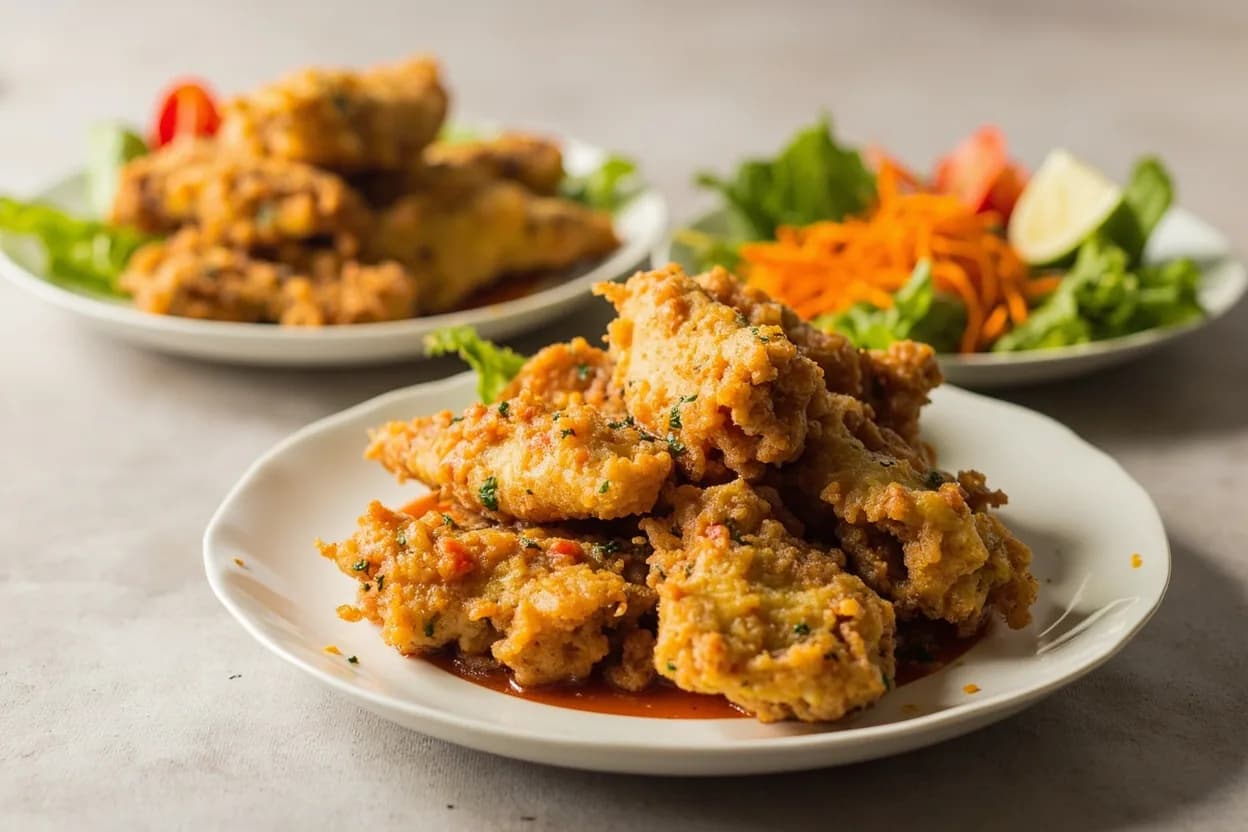
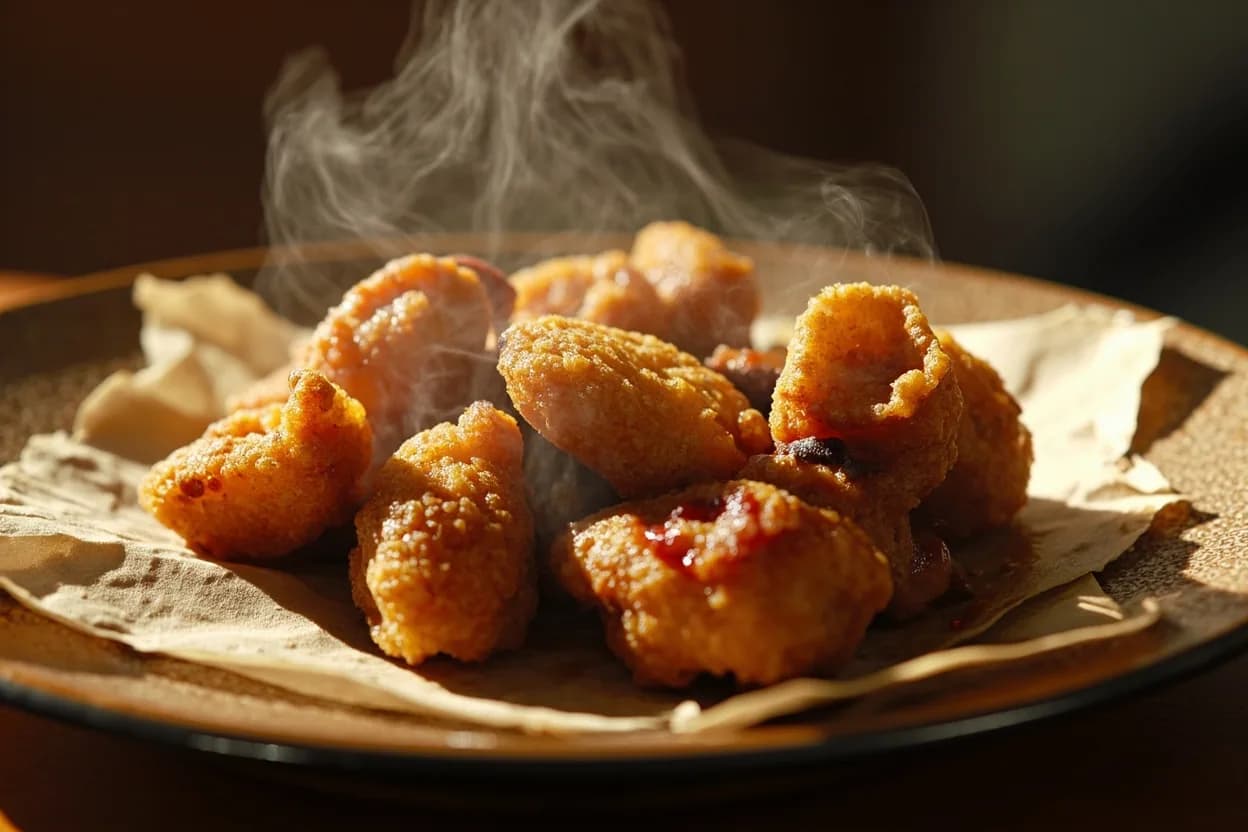
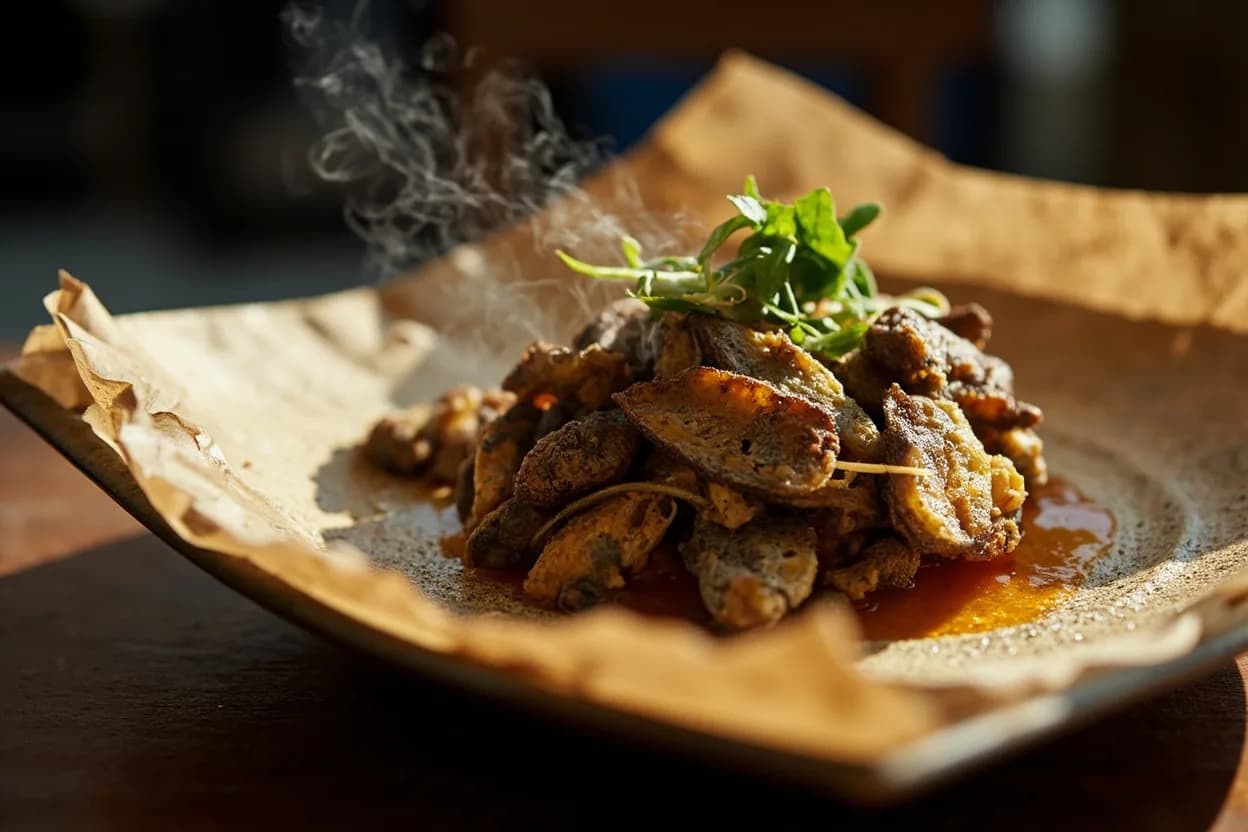
Related

Whisk
Beat ingredients smooth and aerated with a looping wire motion

Sift
Pass dry ingredients through mesh to aerate and remove lumps

Strain
Pour through mesh to separate solids from liquid for a smooth result

Filter
Pass liquid through fine material to clarify out the smallest particles

Rice
Press cooked potatoes through small holes for fluffy, lump-free texture

Mash
Crush soft cooked food into a rustic, creamy purée

Grind
Crush food into a coarse to fine texture, from spices to meat

Grate
Shred food into fine bits against a sharp-toothed surface