Water & Steam
Soaking Rice
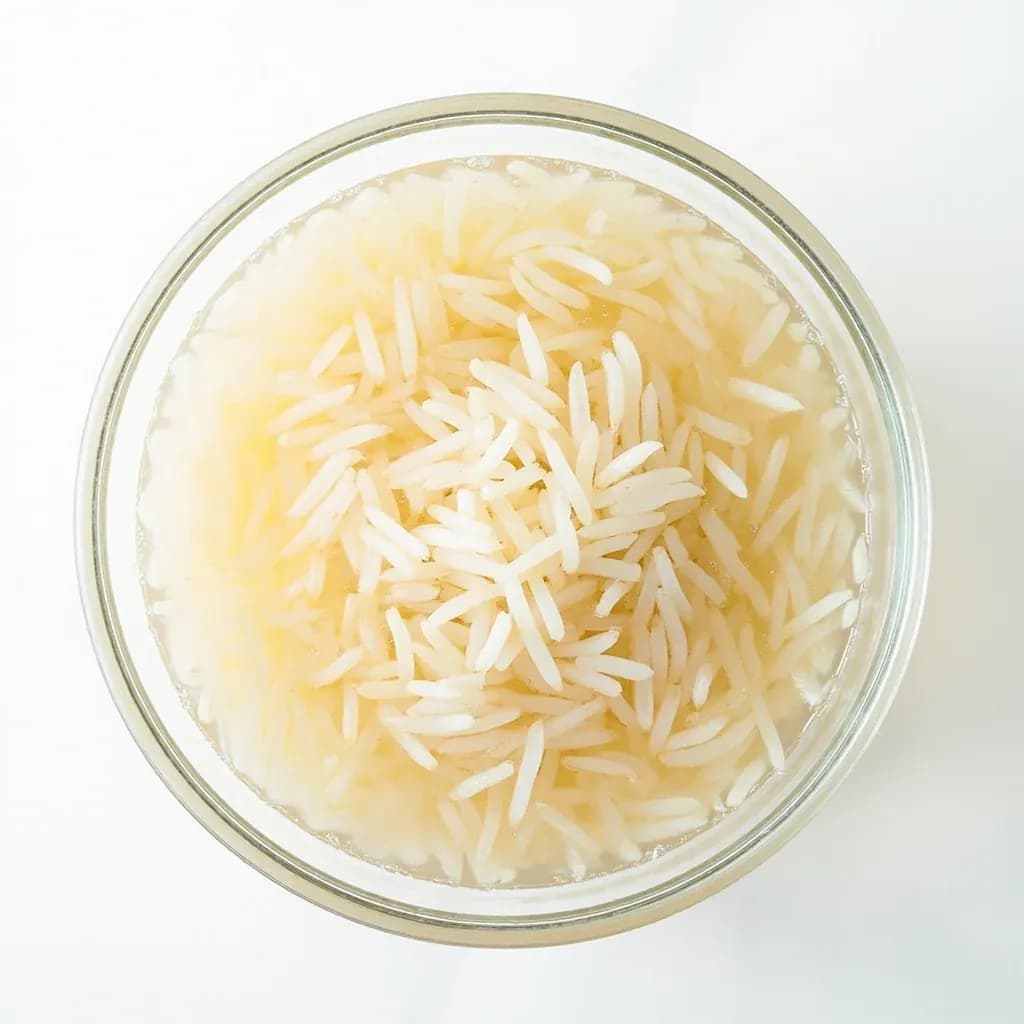
Steeping rice in water before cooking for even hydration and texture.
Soaking rice steeps the rinsed grains in water for a set time before cooking so they absorb moisture and cook more evenly. It is key for basmati, which elongates beautifully, and for glutinous rice destined for steaming. Pre-hydrated grains cook faster and more uniformly, with fewer hard centers and less breakage.
Soaking rice is the practice of steeping rinsed grains in cool water for a defined period before cooking, allowing the kernels to absorb water and swell from the surface into the starchy endosperm. This pre-hydration step gives the cook a meaningful head start on the cooking process: water that would otherwise have to be driven into the grain by heat is already in place, which translates to more even heat penetration, shorter cook times, and a noticeably more uniform texture from kernel to kernel.
The technique matters most because rice cooks from the outside in. Without pre-hydration, the outer layers can turn soft or pasty before the dense core has finished absorbing liquid — a problem that grows more pronounced with long-grain, brown, and heritage rices whose bran layers resist water. Soaking also loosens and rinses away loose surface starch, the principal cause of gummy, clumped rice. A brief steep will not rescue every rice, but for the kinds most prone to uneven texture, it is the single most effective step a home cook can take.
Beyond texture, soaking has a documented nutritional and food-safety upside. Work from the US FDA and the UK Food Standards Agency has shown that draining the soak water can meaningfully reduce inorganic arsenic, a concern specific to rice because of how the plant takes up arsenic from soil and irrigation water. Discarding the soak water also modestly lowers phytic acid, which can bind minerals and reduce their absorption.
- Difficulty
- Easy
Types & varieties
15–30 minutes; firms grains and reduces clumping, especially helpful for basmati pilafs
20–30 minutes; sushi rice soaking is traditional for proper seasoning absorption
Generally not soaked — the chalky interior must stay dry so it can release starch into the broth
30 minutes minimum, often 1–2 hours or up to 8 hours; significantly shortens the long cook time and yields more tender grains
4 hours or overnight; the hard outer pericarp needs deep hydration
4–6 hours or overnight; required for the classic opaque, chewy texture in Thai and Lao preparations
1–4 hours; the pigmented bran layer benefits from longer steeping
15–30 minutes; already partially hydrated by steam, so soaking is optional
Soaking is not needed and not recommended
How to do it
- 1
Measure and rinse
Measure the rice into a bowl. Rinse under cool running water, swirling and draining 2–3 times until the water runs nearly clear. This removes loose surface starch that would otherwise cloud the soaking water and cause clumping.
- 2
Cover with cool water
Transfer the rinsed rice to a clean bowl and add cool or room-temperature water so it sits about 2–4 cm (1–1.5 in) above the rice. For very thirsty rices like brown, wild, or black, use a 4:1 water-to-rice ratio.
- 3
Soak for the appropriate time
Let stand at room temperature: 15–30 minutes for most white long- and medium-grain rices, 30–60 minutes for brown rice, and 4 hours to overnight for wild, glutinous, black, or red rice. Cover loosely to keep out dust.
- 4
Drain and proceed
Pour the rice into a fine-mesh sieve and drain well. If the recipe (such as a pilaf or biryani) calls for toasting the grains, shake off excess moisture. Otherwise, transfer directly to the pot and cook with slightly less liquid than the recipe specifies.
- 5
Adjust cooking parameters
Because the grains are already partly hydrated, reduce the cooking liquid by roughly 10–15% and begin checking for doneness a few minutes earlier than the recipe states. Let the cooked rice rest, covered, off the heat for 5–10 minutes before fluffing to allow the cores to finish absorbing steam.
Why soaking works: the science
A rice kernel is a dense, starchy endosperm wrapped in a hard outer layer. Water moves into that endosperm slowly, and heat accelerates the process by softening the starch granules — but the outside of the grain heats up and absorbs water far faster than the center. Soaking evens the field: by the time the pot goes on the stove, the kernels have already taken on a meaningful share of their eventual water content (roughly a quarter or so for a typical white-rice soak, more for brown and wild), so the remaining cooking job is mostly about swelling the starch rather than transporting liquid inward. The result is fewer underdone cores and fewer overdone, mushy exteriors.
Soaking also changes what is happening on the surface. Loose starch granules — the fine dust that makes rinse water cloudy — dissolve into the soak water. When that water is drained off, those granules go with it, which is why soaked-and-drained rice is markedly less sticky than unsoaked rice. The two effects together (even hydration and cleaner surface) are why a 20-minute soak transforms basmati from acceptable to excellent, and why a 4-hour soak is non-negotiable for glutinous rice.
Regional traditions
Soaking is embedded in nearly every cuisine where rice is a staple, though the durations and goals differ.
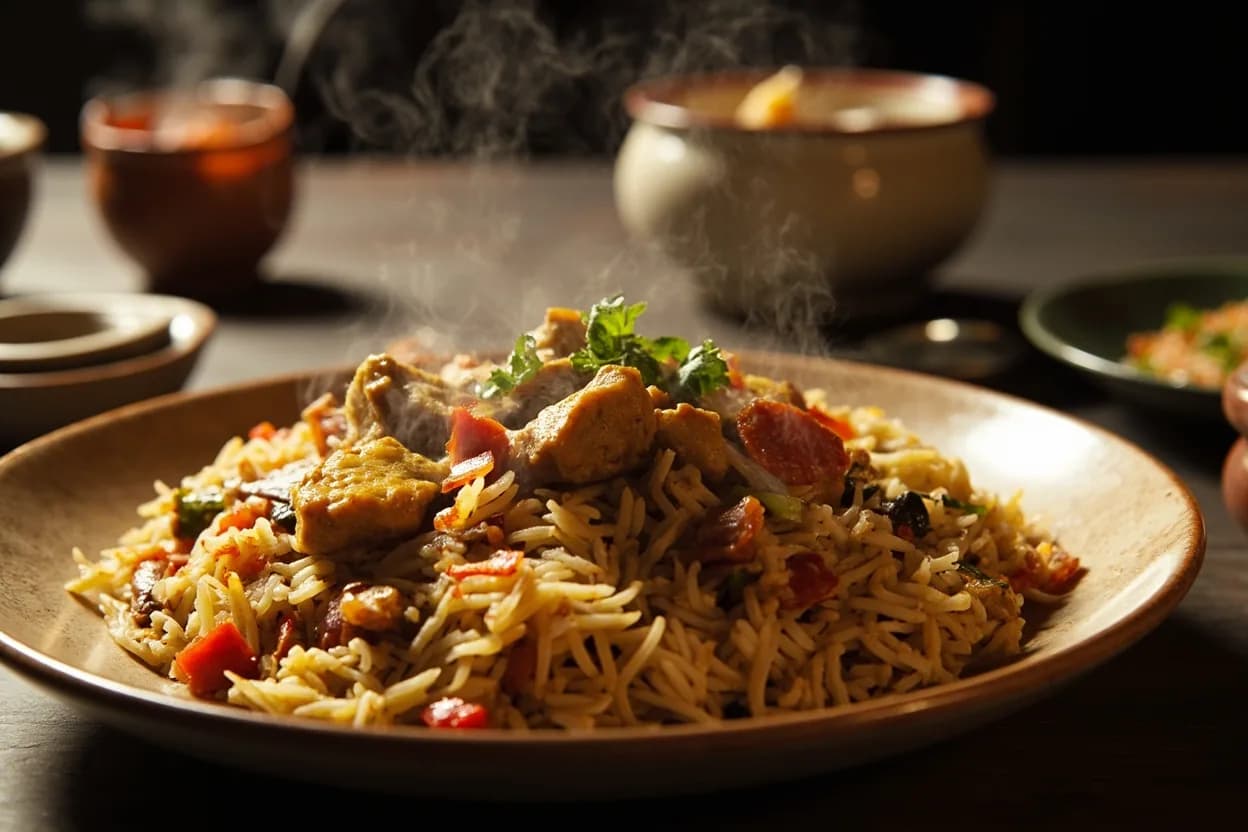
- Persian and Mughal pilafs: basmati is routinely soaked 20–30 minutes, then parboiled and drained before being steamed with saffron and butter — a step that produces the famously long, separate grains of chelo and biryani.
- Japanese sushi rice: a 20–30 minute steep after rinsing is standard; the hydration lets the warm sushi-vinegar dressing absorb evenly without shocking the grains.
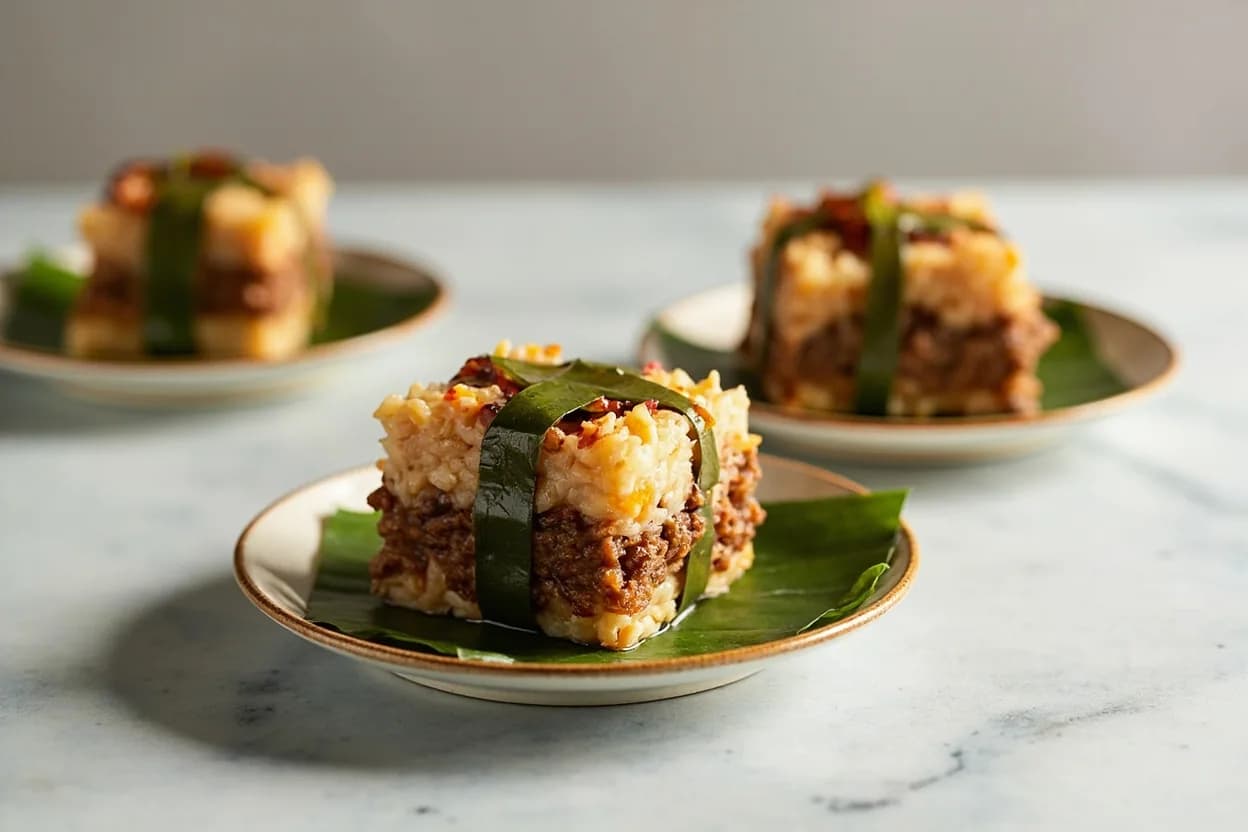
- Thai and Lao sticky rice: an overnight soak (sometimes longer) is essential; the soaked grains are then drained and steamed, never boiled, producing the chewy, translucent texture the dishes depend on.
- Italian risotto: an explicit exception — arborio is rinsed lightly at most and never soaked, because the chalky center is exactly what releases starch into the broth as you stir.
- American whole-grain cooking: a 1–2 hour or overnight soak has become a common workaround for the 45-minute cook time of brown rice.
Soaking and food safety: the arsenic question
Rice accumulates more inorganic arsenic than most other grains because the plant takes up arsenic from flooded paddy soils. In 2016 the FDA and the UK FSA both recommended practices for reducing dietary arsenic from rice, and rinsing plus soaking in excess water (then draining) is among the most effective home steps. The effect is modest — typically a 10–30% reduction — but it is essentially free, and it is the same step that improves texture, so the two goals align. Brown rice, which carries a higher arsenic load than white rice because much of the arsenic concentrates in the bran layer, benefits most in absolute terms from being soaked and drained.
- Use a generous water-to-rice ratio (at least 4:1) when reducing arsenic is a priority.
- Discard the soak water rather than cooking with it.
- Combine soaking with thorough rinsing for the largest effect.
Common uses
Tips & pitfalls
- Rinse rice in several changes of water before soaking to wash off loose surface starch; rinsing and soaking work together to reduce gumminess.
- Use at least a 2:1 water-to-rice ratio for the soak, and up to 4:1 for brown, wild, or pigmented rices so grains expand freely without crowding.
- Discard the soaking water — especially for brown rice — to remove arsenic and phytic acid; reserve it only when cooking porridge or brothy rice where the cloudy starch is welcome.
- Add a small pinch of salt or a squeeze of lemon juice to the soak for basmati or jasmine to keep grains especially separate and bright.
- Reduce the cooking liquid by roughly 10–15% and shorten the cook time by a few minutes if you have soaked the rice; otherwise the grains will overcook and turn soft.
- Do not soak arborio rice for risotto — the chalky interior must stay dry so it can release starch into the broth as you stir.
- Avoid warm or hot water for white rices; it can partially gelatinize the surface starch and produce gummy results even before cooking begins.
- Plan ahead for brown and wild rice: a refrigerated overnight soak in the cooking water itself is the most efficient way to handle long-cooking rices.
- Do not leave rice soaking at room temperature for more than 24 hours — fermentation off-flavors and unwanted microbial activity set in well before then.
- Pat soaked rice briefly dry after draining if the recipe calls for toasting (pilaf, biryani, fried rice); wet grains will steam in the pot instead of toasting.
Good to know
- Primary purpose
- Hydrate rice grains before cooking for more even heat penetration and consistent texture
- Water temperature
- Cool or room temperature for white rices; warm water is rarely needed and can partially gelatinize surface starch
- Water level
- Cover the rice by roughly 2–4 cm (1–1.5 in), or use a 4:1 ratio for very thirsty rices like brown or wild
- Effect on cook time
- Soaked rice typically cooks 5–10 minutes faster and needs about 10–15% less added liquid
- Effect on starch
- Draws out and rinses away loose surface starch, reducing gumminess in long- and medium-grain rice
- Nutritional benefit
- Discarding the soak water modestly reduces phytic acid and, per FDA and UK FSA guidance, can lower inorganic arsenic content
- Equipment needed
- A bowl, fine-mesh sieve, and measuring cup; no special tools required
- Storage of soaked rice
- Raw soaked rice should be cooked the same day; cooked soaked rice keeps 3–4 days refrigerated
Also called
Rice Soaking
Dishes that rely on it
Related

Boil
Cook in vigorously bubbling liquid at full rolling heat

Simmer
Hold liquid at a gentle shimmer for tender, unhurried cooking

Poach
Cook gently in barely-trembling liquid for silky, tender results

Steam
Cook in rising vapor to keep color, nutrients, and shape intact

Blanch
Plunge briefly in boiling water, then shock cold to lock color

Braise
Sear, then cook slow in a little liquid until fall-apart tender

Stew
Simmer bite-sized pieces fully submerged into a rich, unified pot

Sous-Vide
Seal and cook in precise warm water for edge-to-edge doneness