Grains & Rice
Parboiled Rice
Rice steamed in the husk before milling, cooking up firm, separate, and nutrient-rich.
Parboiled rice is partially boiled in the husk before milling, a process that drives nutrients into the grain and makes the cooked rice firmer and less sticky. It holds its shape well and is forgiving to cook, making it popular for everyday rice and dishes where separate grains matter. It has a faintly golden tinge and slightly chewier bite than regular white rice.
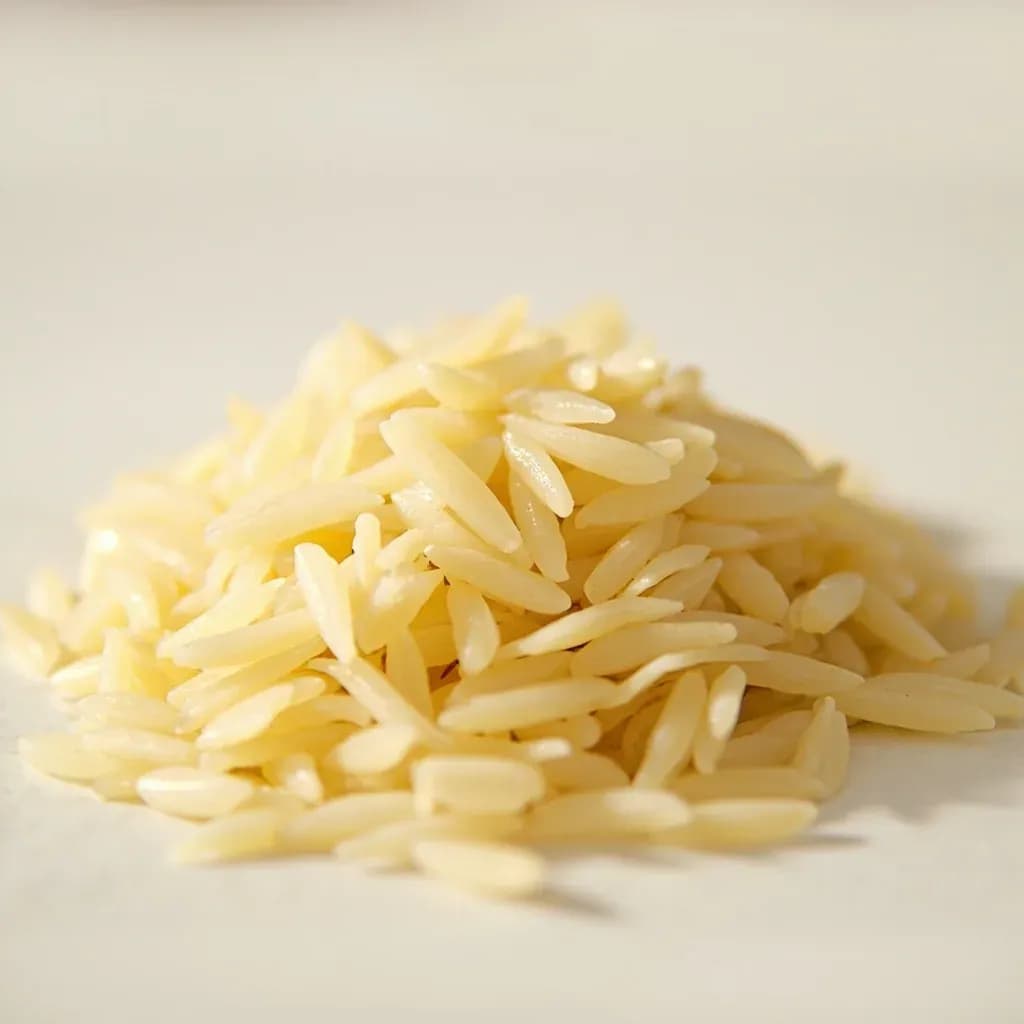
Parboiled rice is a largely misunderstood ingredient that offers real advantages in the kitchen—advantages that most cooks never realize because they reach for regular white rice by habit. The process differs fundamentally from what most people assume: the whole rice grain (still in its husk, as paddy) is soaked in water and then steamed under pressure before milling. This steaming step is what separates parboiled rice from everything else on the shelf. The pressure forces nutrients from the bran layer into the starchy endosperm, essentially pre-gelatinizing part of the starch and driving vitamins and iron into the grain's core. After milling, the result is a rice that looks amber to golden-yellow in its raw state—not the pale white of regular milled rice—and cooks into grains that are firmer, denser, and more distinctly separated than any standard white rice could achieve.
The practical payoff is substantial. Because the starch structure has been partially pre-set by the steaming process, parboiled rice grains resist the soft, mushy breakdown that makes regular white rice clumped and soggy when held on a steam table, cooked in liquid dishes, or tossed in a hot wok. This is why institutional kitchens and airlines have long favored parboiled rice: it holds its quality under abuse that would destroy ordinary white rice. For the home cook, it means fried rice that doesn't turn to porridge in the pan, rice salads that survive being dressed and tossed, and a grain that reheats without the gummy texture most leftover rice develops. The trade-off is that parboiled rice requires more water (2:1 ratio versus 1.5:1) and slightly longer cooking time—about 20 to 25 minutes—to fully hydrate and soften through its denser grain structure.
A critical distinction that trips up many cooks: parboiled rice is not the same as instant or pre-cooked rice, despite sharing shelf space. Instant rice (including common brands) is fully cooked and then dried before packaging—it reconstitutes in minutes but produces a mushy, broken-grain texture entirely unlike true parboiled rice. Look specifically for "parboiled" or "converted" on the label to get the firm, separate-grain quality that makes this ingredient worth seeking out.
- Measured in
- g
- Storage
- Pantry
Types & varieties
The most common variety; produces the firmest, most separate grains; ideal for fried rice, rice salads, and pilafs
Slightly plumper grain with a touch more surface starch; works well for rice pudding or when a slightly creamier result is acceptable
Combines basmati's aromatic quality with parboiled's structural integrity; prevents the long-grain breakage common in traditional basmati cooking
Less widely available; blends jasmine's floral notes with a firmer, less sticky parboiled texture
Parboiled brown rice with the bran layer retained; nuttier flavor, more fiber, and slightly longer cooking time than white parboiled varieties
Why parboiled rice survives what other rice cannot
The science behind parboiled rice's resilience lies in how the steaming process pre-gelatinizes the starch granules on the exterior of each grain while leaving the interior relatively untouched. This creates a grain with a harder exterior shell that resists cracking, breaking, and waterlogging even under aggressive conditions. Regular milled white rice has soft, vulnerable starch cells exposed on its surface from the moment it is polished—these cells burst and release sticky starch the moment they meet hot water, causing grains to clump and gum together. Parboiled rice's pre-treated surface starches behave differently. The result is a grain that can sit in a steam table for an hour without turning to paste, that can be tossed in a searing-hot wok without shattering, and that can be dressed, refrigerated, and tossed again for salad without falling apart.
- Pre-gelatinized surface starch resists clumping and breaking
- Harder grain structure tolerates longer cooking and holding times
- Less surface starch released during cooking means drier, fluffier results
- Grain integrity holds through freezing, reheating, and aggressive tossing
The parboiled rice mistake most home cooks make
The single most common error is treating parboiled rice like regular white rice in recipes. Standard white rice recipes call for a 1.5:1 water-to-rice ratio and about 18 minutes of cooking. Apply these numbers to parboiled rice and you will get undercooked, hard-centered grains with a raw starch bite at the core. The denser, harder grain of parboiled rice requires the full 2:1 ratio and the full 20–25 minutes to hydrate properly. A second frequent mistake is lifting the lid or checking the rice during cooking. Like most rice, parboiled rice needs steady, contained steam to cook through evenly. Every peek releases steam and can create uneven cooking zones. A third mistake is using a spoon instead of a fork to fluff. The firm grains resist crushing better than regular rice, but a spoon still mashes and scrapes more than necessary—fluffing with a fork preserves the intended texture.
- Use 2:1 water ratio, not 1.5:1 — undercooking is the most common failure
- Never lift the lid during the 20–25 minute cooking phase
- Fluff with a fork after the 5–10 minute rest, never with a spoon
- Spread cooked rice on a sheet pan to cool rapidly for fried rice—don't leave it piled in a hot pot
Common uses
Tips & pitfalls
- Rinse before cooking to remove any remaining surface dust, even though parboiled rice has less loose starch than regular white rice
- Measure water precisely: 2 cups water to 1 cup rice. Improvising with "a little extra" leads to mushy rice with this variety
- Bring to a full boil over high heat, then immediately reduce to the lowest possible simmer, cover tightly, and cook exactly 20 minutes without lifting the lid
- After the cooking phase, remove from heat and let rest covered for 5–10 minutes. This is not optional—it allows the grain centers to finish hydrating and firms up the texture
- Fluff only after resting, using a fork in an gentle lifting motion. Never use a spoon, which crushes and scrapes the firm grains
- For fried rice, spread cooled cooked rice on a sheet pan and refrigerate uncovered for at least 30 minutes before stir-frying. The chilled, surface-dried rice fries instead of steams in the wok
- Older parboiled rice stored for months in a pantry may need an extra tablespoon or two of water and a few additional minutes to fully hydrate
- Do not use regular white rice proportions from any recipe as a guide for cooking parboiled rice—the water ratio difference is not a small adjustment
Nutrition
Energy
1548 kJ · per 100 g
Where the calories come from
Protein
7.6g
15% DV
Carbs
78.7g
29% DV
Fat
2.8g
4% DV
Fiber
3.5g
13% DV
Sugars
0.5g
of which
Sodium
6mg
0% DV
Source · USDA FoodData Central · Rice, brown, parboiled, dry, UNCLE BEN'S
View on FDC →In the shops
Matched grocery products
No matched grocery products for Parboiled Rice yet.
Good to know
- Also called
- Converted rice, rice parboiled in the husk
- Origin
- Traditional method from South Asia, dating back centuries; modern commercial process refined in the early 20th century
- Processing
- Rough rice soaked and steamed under pressure before milling, driving nutrients from bran into the endosperm
- Color (raw)
- Amber to golden-yellow due to carotenoids from the parboiling process
- Color (cooked)
- White to cream with a slight amber tint at the edges of each grain
- Flavor
- Mild and slightly nutty; noticeably less starchy than regular white rice
- Texture
- Firm, dense, distinctly separate grains with a chewy bite; holds shape exceptionally well
- Water ratio
- 2:1 (2 parts water to 1 part rice) — more liquid than the 1.5:1 ratio used for regular white rice
- Typical cooking time
- 20–25 minutes on the stovetop, followed by a 5–10 minute rest covered off heat
- Shelf life (uncooked)
- Indefinite in an airtight container in a cool, dry place; longer lasting than brown rice
- Key nutrients
- Higher in B vitamins and iron than regular milled white rice; comparable fiber to brown rice in some varieties
Substitutes
- Converted rice — Technically identical; the term "converted" is sometimes used as a brand name, but it also describes the same parboiling process with the same firm, separate-grain results
- Regular long-grain white rice — Will not achieve comparable firmness or grain separation; avoid for fried rice and dishes where texture matters
- Instant or pre-cooked rice — Fully cooked and dried before packaging; acceptable for soups and casseroles where mushy texture is tolerable, but not for fried rice or salads
- Couscous (for certain dishes) — Provides a similar firm, separate-grain mouthfeel in grain bowl or salad contexts; not interchangeable in flavor or cooking method
Pairs with
Also called
Siddho Chal · Converted Rice
Appears in these dishes
Related

White Rice
Fluffy long-grain rice — the neutral base for almost any meal

White Bread
Soft sandwich loaf for toast, sandwiches, and crumbs
Brown Rice
Nutty, whole-grain rice with chew and extra fiber

Basmati Rice
Fragrant, long-grain rice that cooks up light and separate
Jasmine Rice
Soft, floral-scented rice that's the pillar of Thai meals
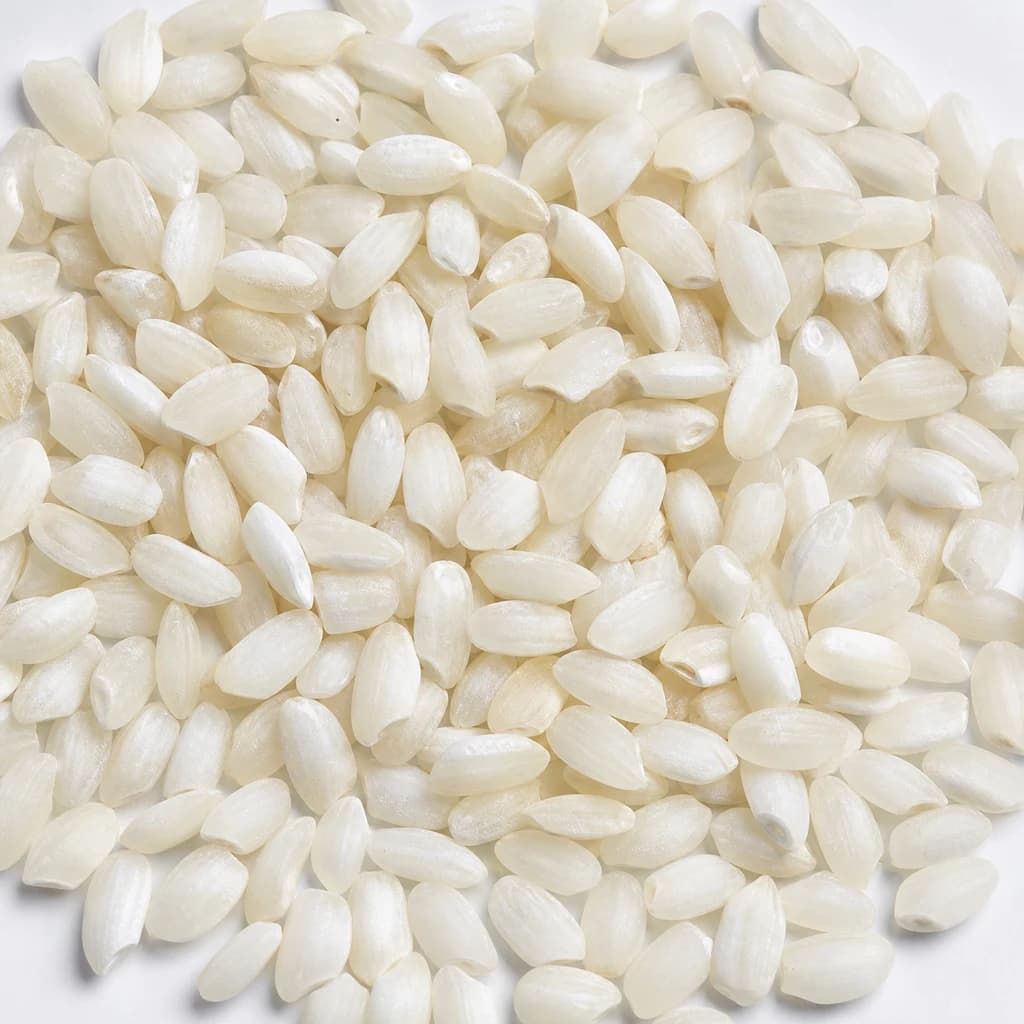
Arborio Rice
Plump, starchy rice that makes risotto creamy
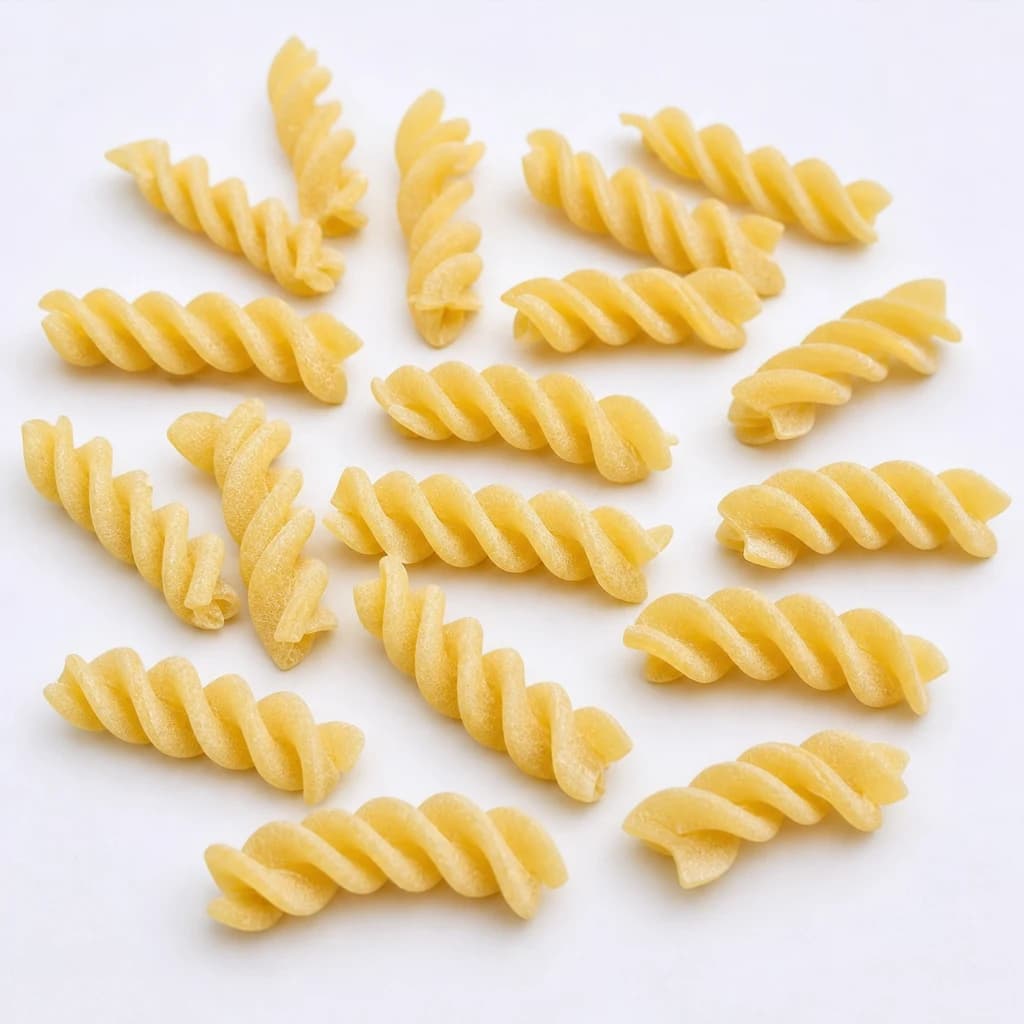
Fusilli
Spiraled pasta that twirls up sauce and dresses cold salads
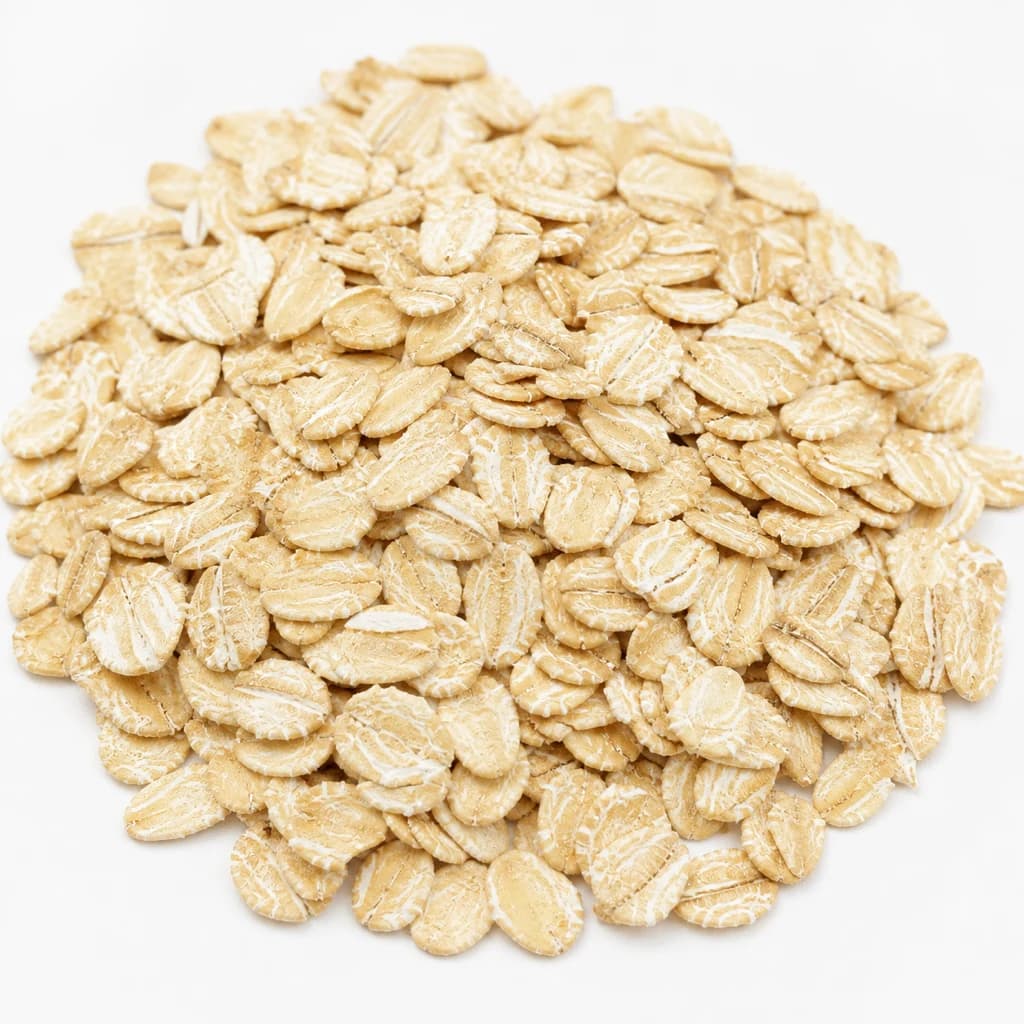
Rolled Oats
Hearty flakes for porridge, granola, and chewy cookies