Heat & Fire
Earth-Oven Cooking
Cooking food underground over hot stones for slow, smoky, communal feasts.
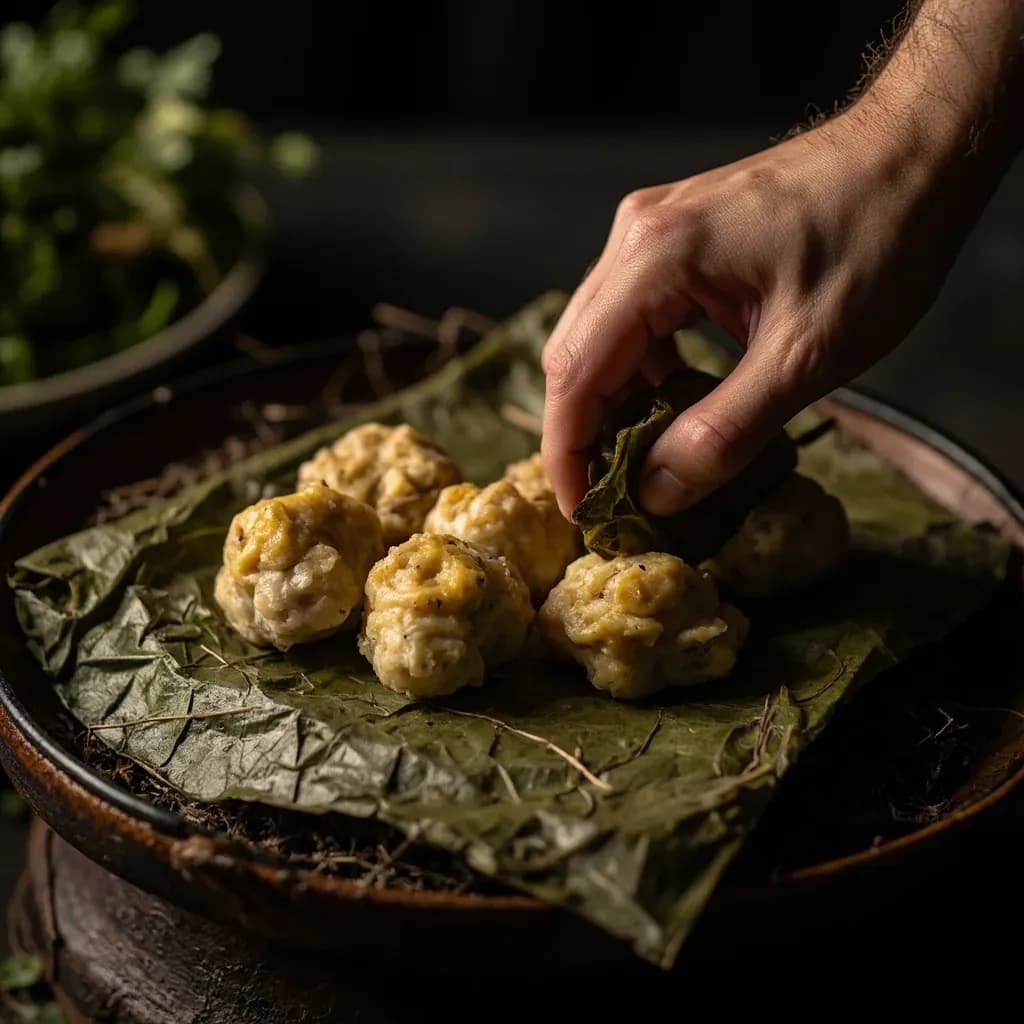
Earth-oven cooking buries food over fire-heated stones in a covered pit, where trapped heat and steam slow-cook it for hours. It is the Pacific umu, hangi, lovo, and mumu traditions used for whole pigs, root vegetables, and parcels of meat at feasts. Leaves and earth seal the pit to hold heat and lend an unmistakable smoky, steamed flavor.
Earth-oven cooking is one of humanity's oldest thermal techniques: a pit is dug, stones are heated in a hardwood fire until they glow, and food is laid on or between them, then sealed beneath wet vegetation and a mound of earth. The stones act as a massive thermal reservoir, while the wet covering converts escaping heat into steam, so food cooks simultaneously by radiant heat from below, conducted heat from contact, and a gentle envelope of moist, smoky vapor. The result is a distinctive character — fall-apart tender meats, sweet earthy root vegetables, and a subtle smoky-floral perfume from the leaf wrapping — that no oven, smoker, or grill can fully replicate.
The method scales naturally from a backyard pit feeding a dozen people to a ceremonial hāngi or imu that roasts a whole hog for a hundred. It is forgiving in time (the pit holds heat for hours) but unforgiving in safety: the wrong stone can explode, the wrong wood can resin the food, and a lifted cover costs you the meal. Master the fire, the stone, and the seal, and the earth does the rest — slowly, quietly, and with a depth of flavor that defines the cuisines built around it.
- Difficulty
- Hard
Types & varieties
Māori (New Zealand) pit oven using volcanic stones, lined and covered with wet sacking and earth; central to gatherings and pōwhiri.
Samoan and broader Polynesian earth oven, often above-ground or in a shallow pit; food is placed on heated stones and covered with banana and breadfruit leaves.
Fijian earth oven similar to umu; the pit is lined with leaves and food is layered with hot stones between bundles.
Hawaiian underground oven and the root of the word 'kalua'; classics include whole pig, taro, and sweet potato.
Hawaiian pit-roasted technique originally done in an imu; the term now broadly describes slow-cooked, shredded pit pork.
Andean (Peruvian) method layering hot stones with marinated meats (alpaca, lamb, chicken), potatoes, and habas, sealed under earth.
Pre-Columbian Caribbean and Mexican earth oven; the etymological ancestor of the word 'barbecue.'
New England pit bake of Wampanoag origin, layering seaweed over hot stones to steam lobster, clams, corn, and potatoes.
Earth oven of Papua New Guinea and parts of Indonesia; heated stones under banana leaves, often for sweet potato and pork.
Chiloé Archipelago (Chile) pit bake lined with stones and nalca leaves, cooking shellfish, native potatoes, and meats together.
How to do it
- 1
Choose a site and dig the pit
Pick a flat, non-flammable spot clear of tree roots and structures. Dig a pit roughly 60–90 cm deep and 1–1.5 m wide for a typical family hāngi or lovo; scale up by 30–50% for a whole pig. Pile the excavated soil close by for covering.
- 2
Select and load the stones
Use fist- to head-sized basalt or granite only — never river rock, limestone, sandstone, or shale. Stack them loosely in the pit to keep airflow gaps, then light hardwood on top and around them. Burn for 2–3 hours until stones are evenly gray-white or glowing and the flames have died to a deep coal bed.
- 3
Prepare the food
Portion meat into fist-sized pieces or leave whole (pork shoulder, whole chicken). Season simply with salt; stuff cavities with lemon, garlic, and woody herbs. Wrap each piece in 2–3 banana, ti, or cabbage leaves, then in a damp cloth or foil. Root vegetables (kumara, potato, whole onion) need only a single leaf wrap.
- 4
Open the oven and assemble the bundles
Rake aside ash and unburnt wood with green sticks — never bare hands. Lay a bed of wet sacking or fresh green leaves over the stones, then arrange wrapped food on top with 5–10 cm between bundles. Tuck extra hot stones between and atop large pieces to keep heat even.
- 5
Cover and seal
Lay a second layer of wet sacking and green leaves over the food, then mound the reserved soil 15–20 cm thick, pressing it down firmly to seal. In Polynesian practice, a wet canvas or old blanket goes on just before the earth. Leave the pit sealed and undisturbed.
- 6
Cook by time, not by peeking
Small birds and root vegetables: 2–3 hours. Pork shoulder, lamb shoulder, whole chicken: 3–4 hours. Whole hog or large lamb: 6–8 hours. Trust the time; lifting the cover costs 30–60 minutes of effective heat.
- 7
Unearth, rest, and serve
Rake off soil, lift sacks and leaves, and transfer bundles to a clean tray. Rest 10–15 minutes, unwrap, brush off any clinging ash rather than washing it into the meat, and serve with the pan juices poured over. The pit will hold enough heat to rewarm bread or keep food serviceable for another hour.
How an earth oven actually cooks
Three heat transfer mechanisms work at once inside a sealed pit, and understanding them is what separates a good cook from a guesser.
- Radiant heat: the glowing stones sit directly beneath the food, delivering intense downward heat that crisps and caramelizes the lower surface — this is what gives wrapped meat and root vegetables their characteristic browned, sweet crust.
- Conducted heat: contact between food, leaves, and stones transfers heat evenly through the bundle, so even thick shoulders and whole birds cook through without dry edges.
- Steamed heat: the wet covering (sacking, leaves, sometimes a soaked blanket) flashes the pit's remaining heat into a blanket of low-pressure steam that permeates every wrap, keeping proteins moist and carrying light smoke compounds into the food.
Cultural respect and attribution
Hāngi, imu, lovo, pachamanca, curanto, and clambake are not interchangeable styles — they are living traditions tied to specific peoples (Māori, Native Hawaiians, Pasifika communities, Andean peoples, the Chiloé peoples, the Wampanoag and other Northeastern nations). For cooks outside those traditions, learning the method should go hand in hand with learning the names, the occasions, and the protocols that surround them.
Common uses
Tips & pitfalls
- Use only dense, dry igneous stones — basalt or granite. Any rock that has sat in water traps moisture that flashes to steam and can explode violently when heated.
- Burn the stones for a full 2–3 hours. Cold spots in the stone bed are the single most common reason for undercooked food.
- Double-wrap each bundle: an inner foil or cloth layer keeps ash and grit out, and an outer leaf wrap delivers the characteristic flavor. A single layer rarely does both jobs.
- Wet the top covering (sacking, old blanket, leaves) before mounding earth over it. The steam it generates keeps meat moist and helps filter smoke evenly through the pit.
- Hardwood only. Pine, eucalyptus, cedar, or any treated timber will resin the stones and give the food a chemical, kerosene-like off-flavor that no amount of seasoning can mask.
- Pre-salt meat and stuff cavities with aromatics (lemon, garlic, rosemary) rather than bathing it in wet marinades, which dilute smoke contact and can leach into the ash bed.
- Don't lift the cover to check progress. Plan your cooking time carefully and trust it — every peek costs heat and extends the cook substantially.
- Keep the cook zone clear of children and never work the pit in an enclosed or poorly ventilated space; deep pits in still air can accumulate carbon monoxide.
Good to know
- Origin
- Prehistoric; ethnobotanical evidence to at least 30,000 years ago, developed independently by many cultures worldwide.
- Heat source
- Wood-fired stones, traditionally dense igneous rock such as basalt or granite.
- Cooking temperature
- Stones reach 250–400°C (480–750°F) at loading; pit interior settles to 150–200°C (300–400°F) during cooking.
- Typical cooking time
- 2–4 hours for whole birds, pork shoulder, lamb, or root vegetables; up to 6–8 hours for a whole hog.
- Pit dimensions
- Roughly 30–90 cm deep and 1–1.5 m wide for a family pit; scale up 30–50% for a whole pig.
- Typical foods
- Whole chicken, pork shoulder, lamb, fish, root vegetables (kumara, potato, taro, yams), breads and puddings.
- Wrapping
- Banana leaves, ti leaves, cabbage leaves, corn husks, or damp cloth and burlap; foil is often used as an inner wrap in modern practice.
- Flavor profile
- Smoky, earthy, faintly floral from leaf wrapping; moist, almost steamed texture from trapped moisture.
- Scale
- Naturally communal — a single pit typically feeds 20 to 100+ people.
- Stone rule
- Never use river rock, sandstone, shale, or limestone; only dense, dry igneous stone is safe.
Also called
Umu · Hangi · Lovo · Mumu · Earth-Oven Baking
Dishes that rely on it
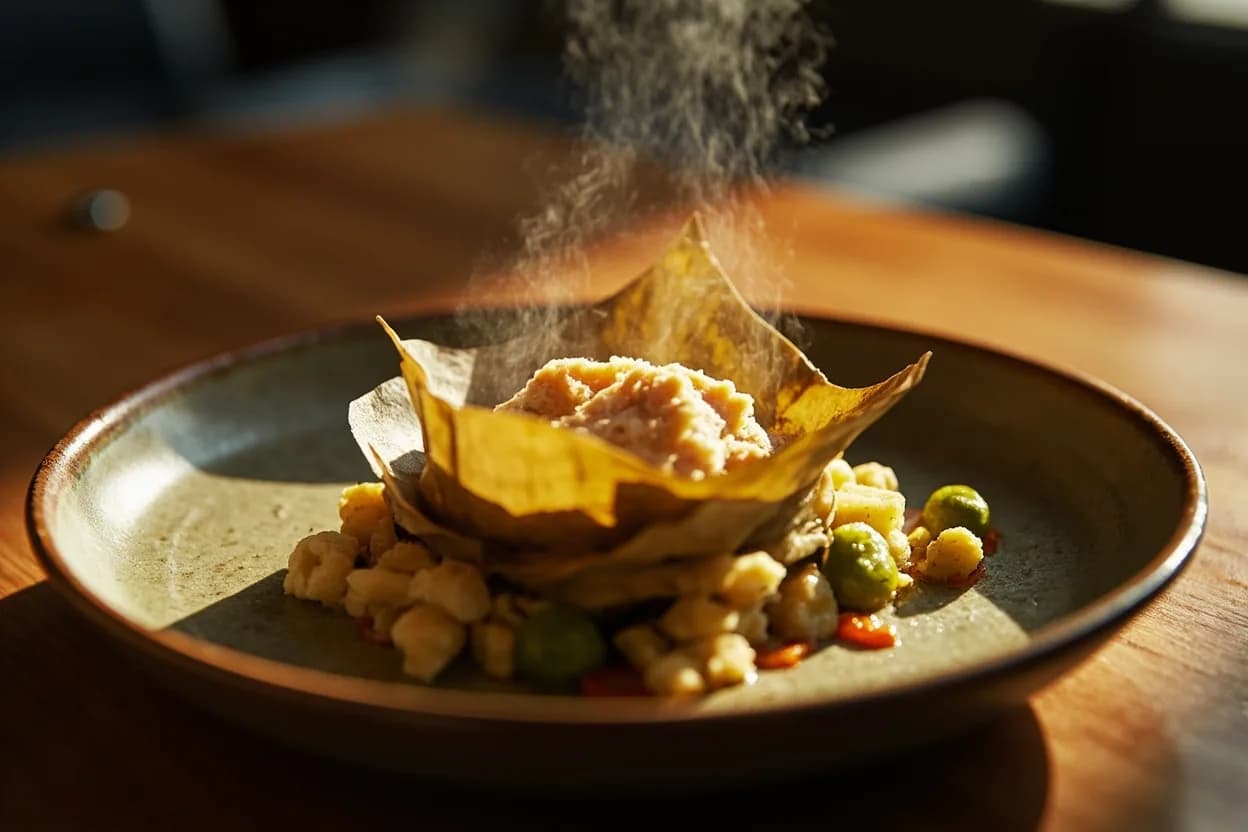
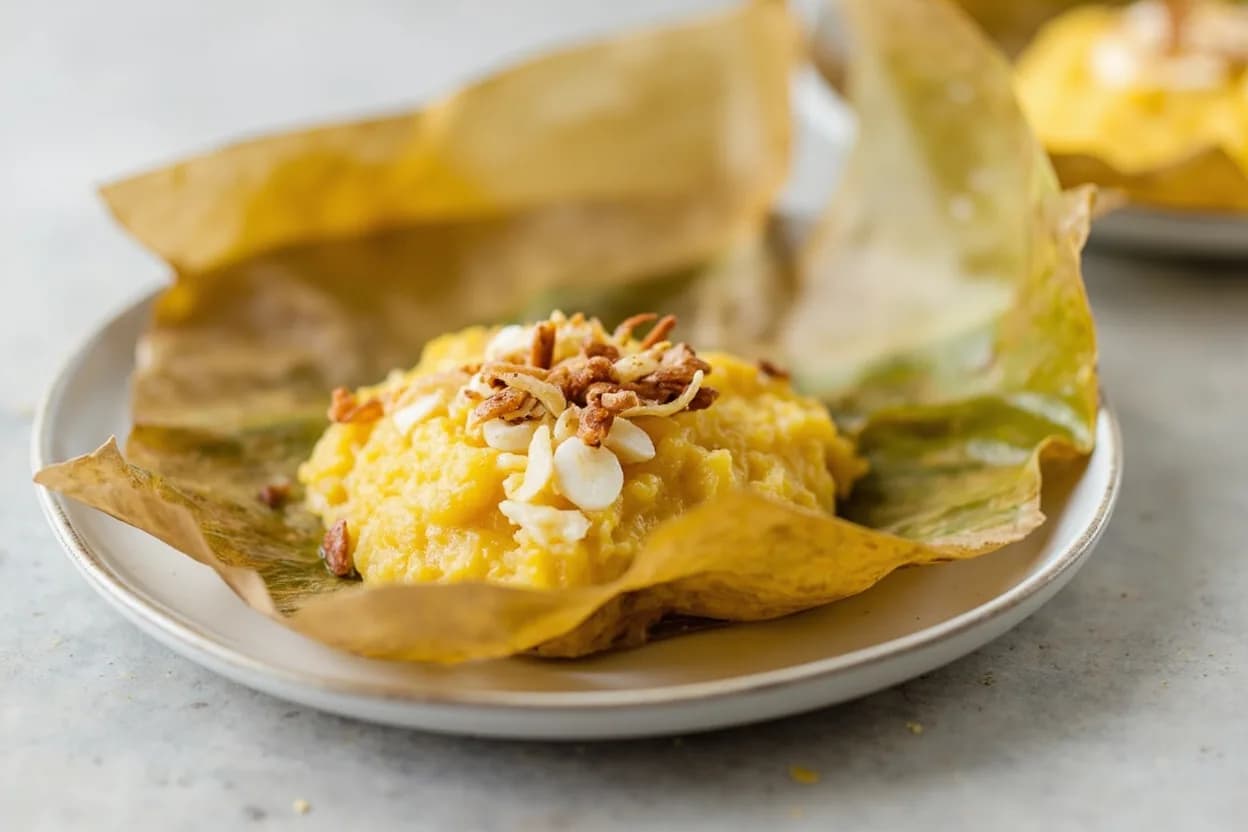
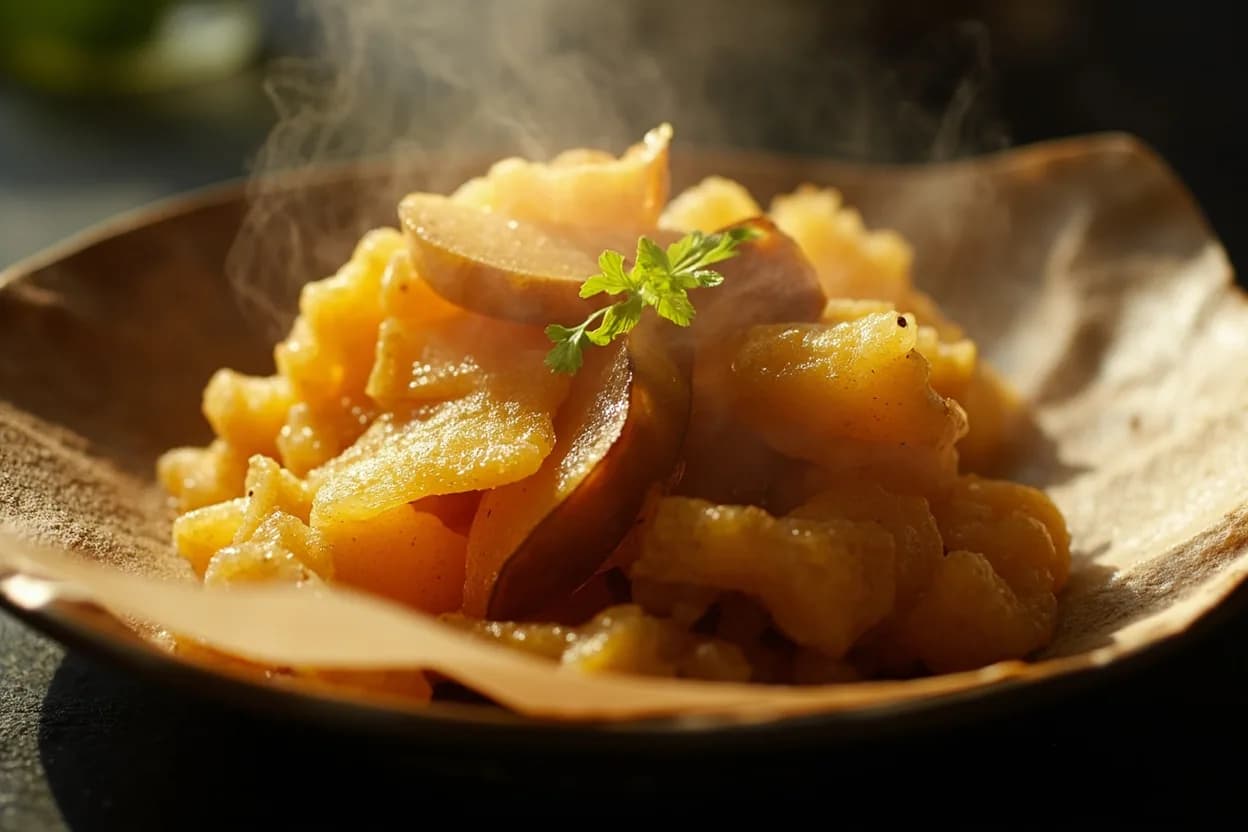
Related

Sear
Blast the surface hot for a deep-browned, savory crust

Sauté
Cook quickly in a little fat over lively heat, tossing as you go

Stir-Fry
Toss bite-sized pieces over roaring heat for fast, smoky cooking

Pan-Fry
Crisp food in a shallow layer of hot fat, turning once or twice

Deep-Fry
Submerge in hot oil for an all-over crackling crust

Roast
Cook uncovered in dry oven heat for browned edges and tender centers

Bake
Cook with steady, surrounding oven heat — the soul of bread and pastry

Broil
Hit food from directly above with fierce overhead heat