Proteins
Beef Cheek
Collagen-rich facial muscle that turns meltingly tender when braised; the heart of barbacoa.
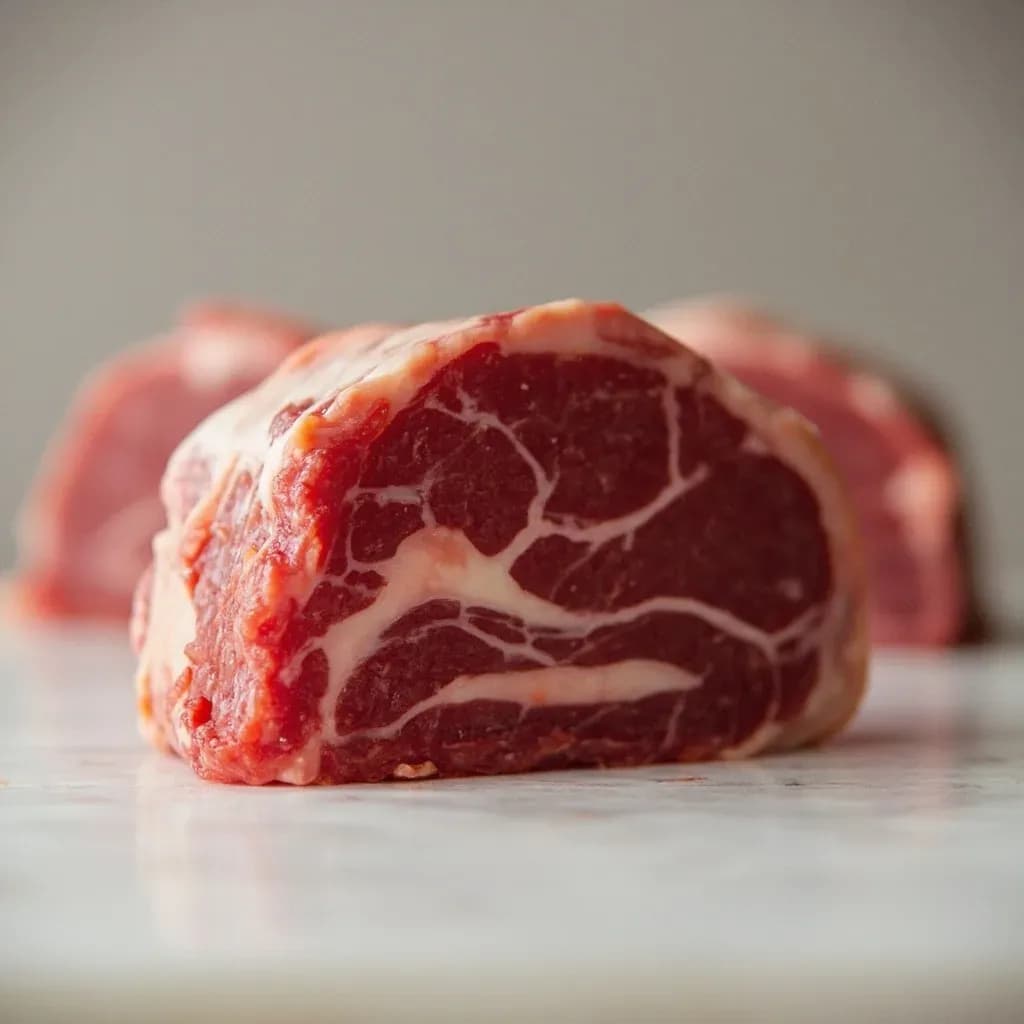
Beef cheek is the heavily worked facial muscle of cattle, dense with connective tissue that breaks down into rich gelatin over long, slow cooking. It is ideal for braising and slow-cooking, becoming meltingly tender in dishes like Mexican barbacoa, Italian guancia di manzo, and hearty stews. The result is deeply beefy, succulent meat with a silky texture.
The beef cheek is the masseter muscle—the cow's jaw. It works constantly throughout the animal's life, which is why it's tougher than almost any other cut. But that constant use means extraordinary collagen development. When cooked low and slow, that collagen melts into gelatin, transforming a rock-hard muscle into something that yields completely to the fork. The flavor is more intense than typical braising cuts—deeper, slightly mineral, with a beefiness that holds its own against bold seasonings. For a long time, cheeks went mostly to ground beef or pet food in the United States, making them one of the best-value premium cuts available when you can find them. Each animal yields only two cheeks, typically sold as a pair.
The cheek's anatomy matters practically: a thick silver skin (fascia) runs along one face and must be removed before cooking, or it will remain rubbery no matter how long you braise. Beneath the outer membrane lies moderate marbling—trimmable but useful for flavor. The raw color is strikingly dark, almost purple, signaling both myoglobin richness and the active nature of this muscle. The cooking challenge is not technical but temporal: patience is the primary ingredient, and the transformation is among the most dramatic in butchery.
For barbacoa, the canonical Mexican preparation, the cheek is unsurpassed. The fat cap and intermuscular fat render completely, the fibers separate into silky strands, and the meat absorbs bold spices without losing its identity. In Franco-Belgian carbonnade, the cheek's structural integrity holds better than other cuts through a multi-day wine marinade and long braise. In fine dining, a single whole cheek, wine-braised and served with its reduced glossy sauce, makes a composed and impressive main course.
- Measured in
- g
- Storage
- Fridge
Types & varieties
Slightly firmer texture, more mineral, deeper color; more collagen-rich due to active jaw use
Milder flavor, slightly more intramuscular fat; more forgiving for beginners
Parchment-like silver skin and heavy surface fat removed; cleaner to cook
Sold with outer membrane and fat cap intact; requires trimming before cooking
Trimming the Beef Cheek
Proper trimming is essential and non-negotiable. The silver skin running along one face of the cheek will not render, even after hours of cooking—it stays rubbery and tight. Use a sharp boning knife and work against the grain of the fascia, keeping the blade flat against the meat surface. Remove any heavy surface fat deposits, but leave moderate marbling intact; this fat renders during braising and contributes to the final silkiness. A properly trimmed cheek should look clean and ready to sear, with no connective membrane visible.
- Work with a sharp boning knife; a dull blade crushes rather than cuts the fascia
- Remove ALL visible silver skin—this is not optional
- Trim heavy surface fat but retain moderate marbling
- Trim just before cooking, not days ahead, to preserve moisture
Barbacoa: The Canonical Preparation
Barbacoa is the use that defines beef cheek in American kitchens. The traditional Mexican method involves pit-roasting wrapped in maguey leaves, which imparts a smoky depth difficult to replicate indoors. The modern adaptation uses a Dutch oven with aromatics and chiles. The key steps are marinating overnight in an acidic bath (lime juice or apple cider vinegar with cumin, Mexican oregano, and garlic), searing hard, then braising with guajillo and ancho chiles, chipotle in adobo, and enough liquid to steam without boiling. After 3–4 hours, the cheek shreds effortlessly into silky strands. The braising liquid becomes the taco sauce—reduce it, taste it, and adjust salt. Serve with warm corn tortillas, white onion, cilantro, and lime.
- Marinate 12–24 hours in acidic liquid with aromatics
- Use guajillo and ancho chiles for authentic color and flavor
- Chipotle in adobo adds smoke and depth
- Shred while warm; cold cheek will firm up and lose texture
- Reduce braising liquid to sauce consistency; this IS the dish
Common uses
Tips & pitfalls
- Trim thoroughly: remove the thick silver skin (fascia) running along one face and any heavy surface fat; this membrane will not render and stays rubbery even after hours of cooking.
- Marinate 12–24 hours before braising — the meat benefits significantly from an acidic pre-bath (lime juice, vinegar, or wine) with aromatics, especially for Mexican preparations.
- Sear hard in a ripping-hot pan with high-smoke-point fat before adding liquid; the Maillard crust contributes essential flavor depth to the final dish.
- Use enough liquid to reach one-third to halfway up the meat — cheek needs to steam as much as poach; fully submerged cheek becomes waterlogged and loses intensity.
- Braise at 300–325°F (150–160°C) for 3–4 hours minimum; the meat is ready when it yields completely to gentle pressure from tongs and can be pulled apart with two forks without resistance.
- Rest in its braising liquid for at least 30 minutes, ideally overnight; the collagen continues converting to gelatin as it cools and the meat reabsorbs the concentrated juices.
- Reduce the strained braising liquid separately to make a natural glossy sauce — no starch thickener needed; it will emulsify and gloss naturally from the gelatin.
- Common mistake: rushing the cooking with high heat — this yields a tough, dry result; low and slow is the only path to the characteristic melt.
- Common mistake: underseasoning — the heavy connective tissue masks salt penetration during cooking; season aggressively before searing or brine the meat.
Nutrition
Energy
356 kJ · per 100 g
Where the calories come from
Protein
12.1g
24% DV
Carbs
0g
0% DV
Fat
3.7g
5% DV
Fiber
0g
0% DV
Sugars
0g
of which
Sodium
97mg
4% DV
Source · USDA FoodData Central · approx. Beef, variety meats and by-products, tripe, raw
View on FDC →In the shops
Matched grocery products
No matched grocery products for Beef Cheek yet.
Good to know
- Cut type
- Muscle from the cow's masseter (jaw)
- Collagen content
- Very high — ideal for long, slow cooking methods
- Typical weight
- 1–2 lbs (0.5–1 kg) per cheek; pair sold together
- Flavor
- Deeply beefy, slightly mineral; more intensity than typical braising cuts
- Texture raw
- Extremely tough and fibrous; requires long cooking
- Texture cooked
- Meltingly tender, silky, gelatinous when properly braised
- Color raw
- Dark red, almost purple — darker than most cuts
- Fat content
- Moderate marbling beneath outer membrane; trimmable
- Difficulty
- Low — the challenge is time, not technique
- Refrigerated shelf life
- 2–3 days
- Frozen shelf life
- 6–12 months
- Primary cuisines
- Mexican (barbacoa), Franco-Belgian (carbonnade), Italian, Eastern European
Substitutes
- Beef shank — Similar collagen density and behavior; slightly less beefy intensity; good 1:1 substitute for braising purposes
- Oxtail — Comparable gelatin content and long-cooking response; smaller bones make it better for saucy preparations; substitute at equal weight
- Beef short ribs — Higher fat content; acceptable for braises but loses the cheek's signature silky, shreddable texture; use for a more decadent result
- Chuck roast — Workable but significantly less collagen-rich; will not achieve the same gelatinous body; cut into large pieces to maximize surface area
- Pork cheek — Not a beef substitute but shares the same collagen-to-tender transformation; useful for non-beef preparations
Pairs with
Also called
Barbacoa · Cabeza · Beef Head Meat · Ox Cheek
Related
Egg
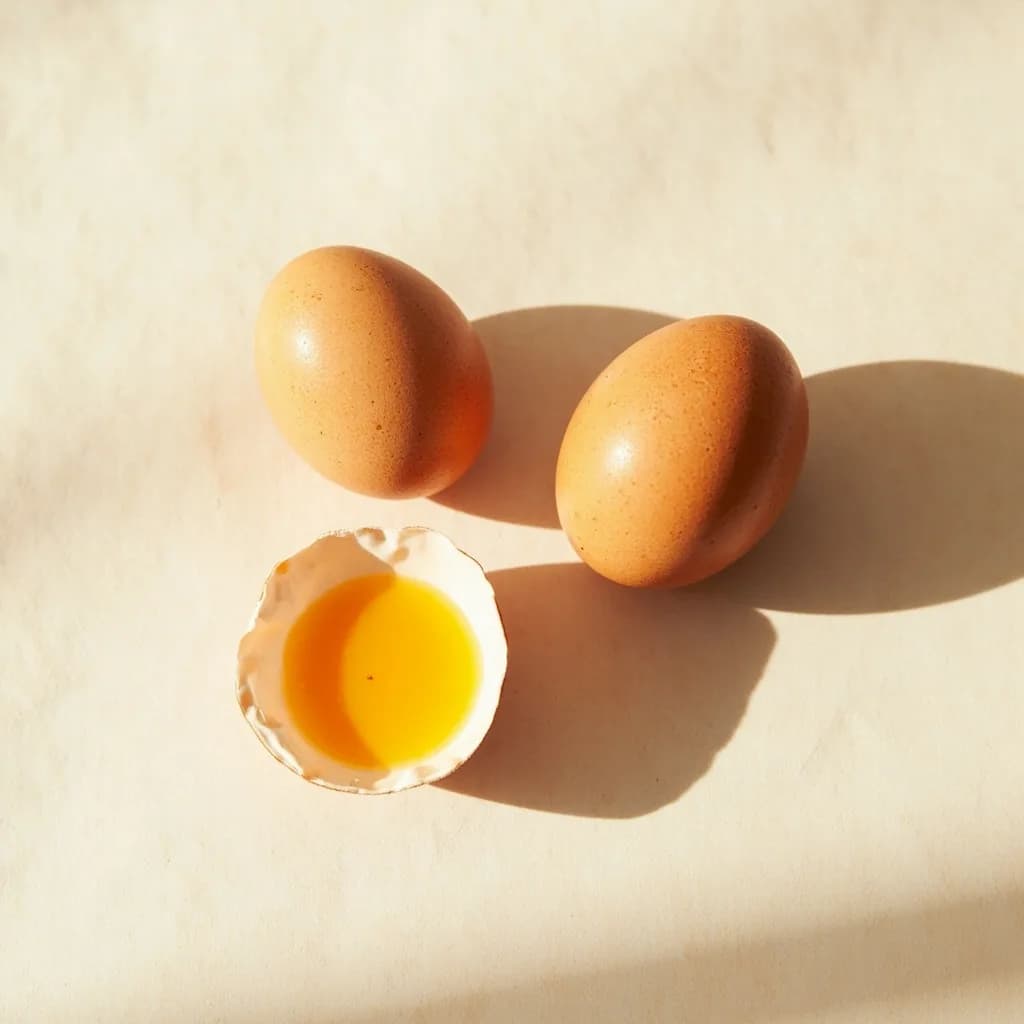
The kitchen's everything ingredient — bind, leaven, enrich, or fry
Chicken Breast
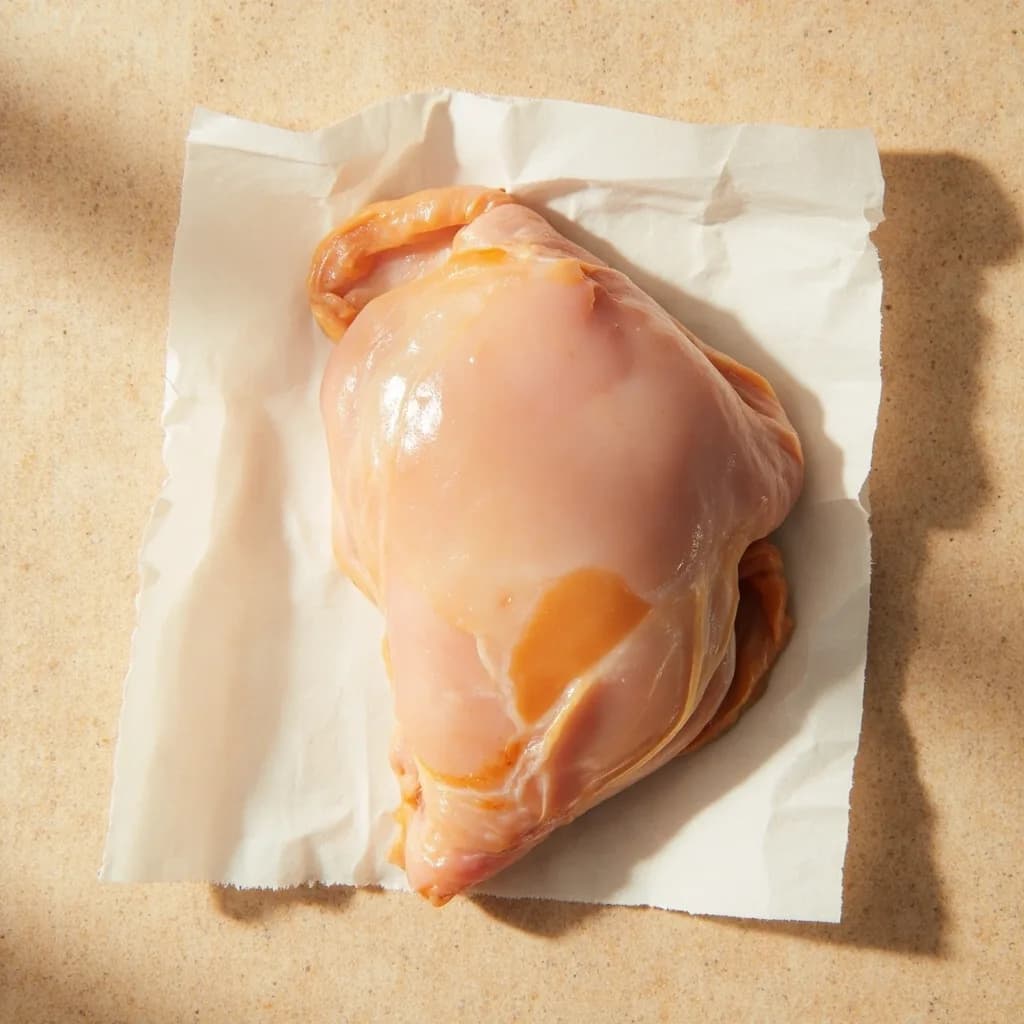
Lean, quick-cooking white meat for everyday dinners

Ground Beef
Versatile minced beef for burgers, ragù, tacos, and meatballs
Pork Loin
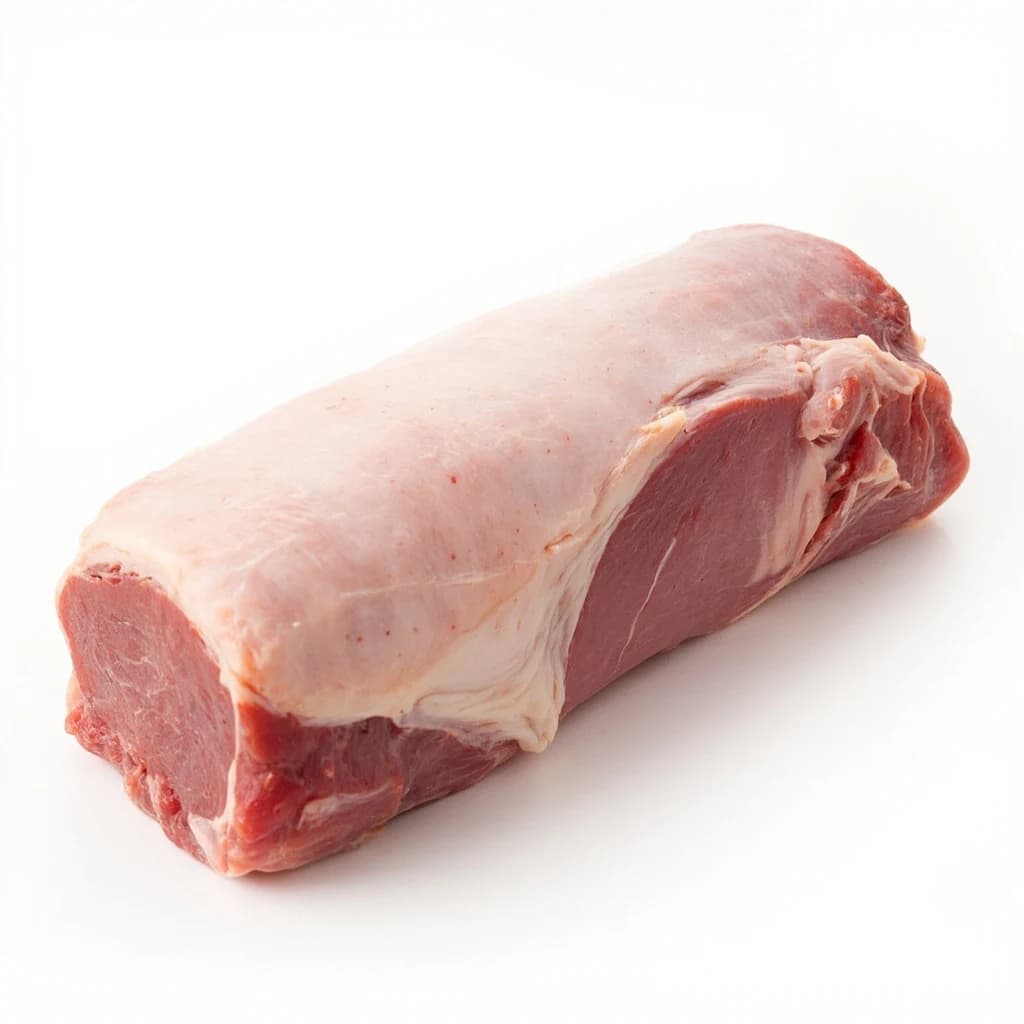
Lean, tender roasting cut that stays juicy with care
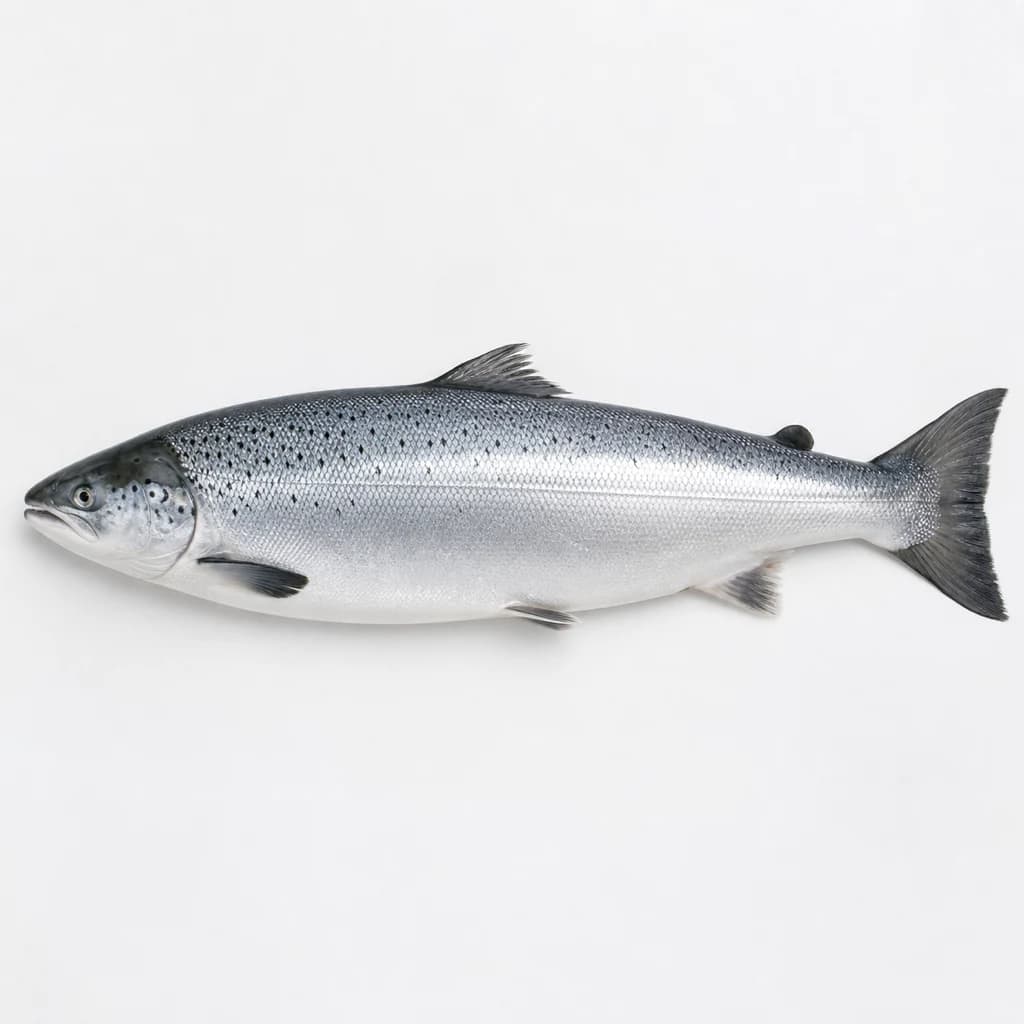
Salmon
Rich, rosy fish that roasts, grills, or cures beautifully

Egg White
Pure protein that whips to airy peaks for meringue and more
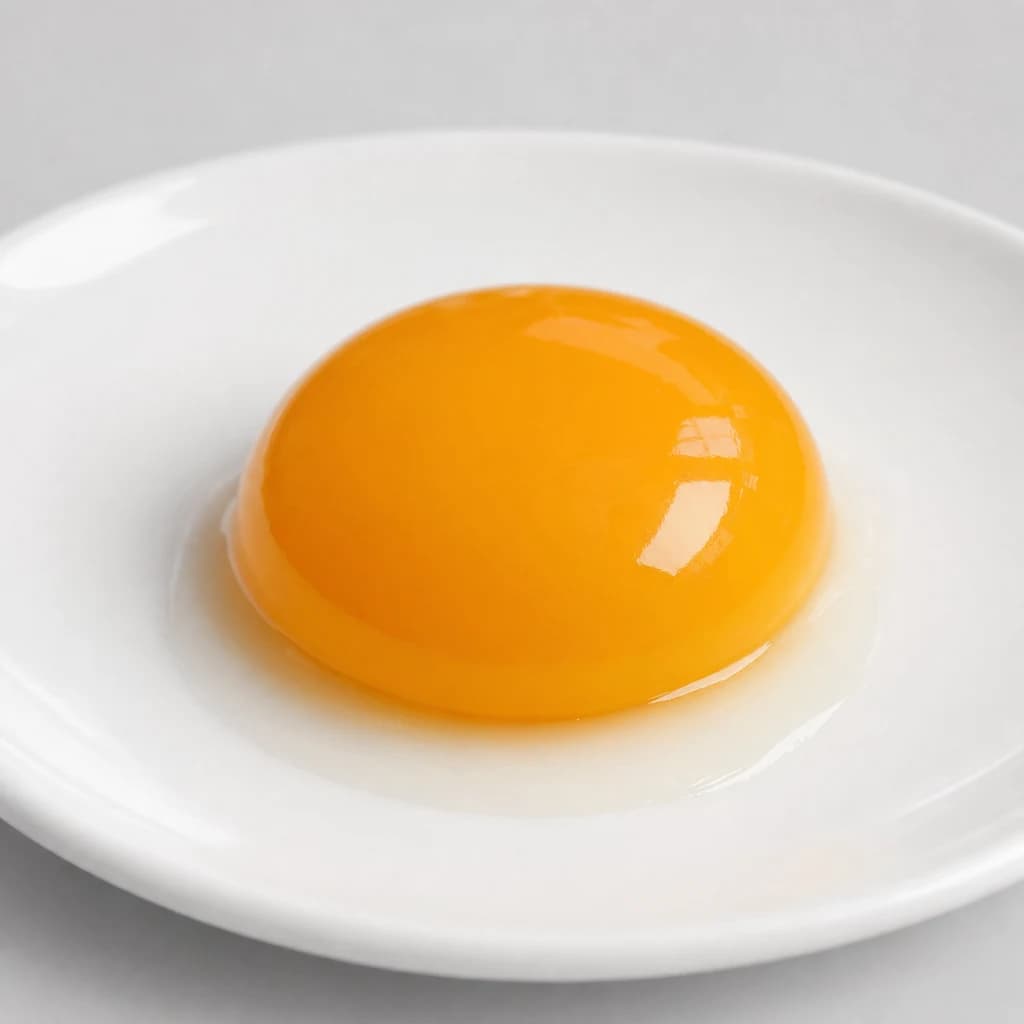
Egg Yolk
Rich, golden yolk for custards, mayonnaise, and pasta

Quail Egg
Tiny, speckled eggs for garnishing and elegant bites