Proteins
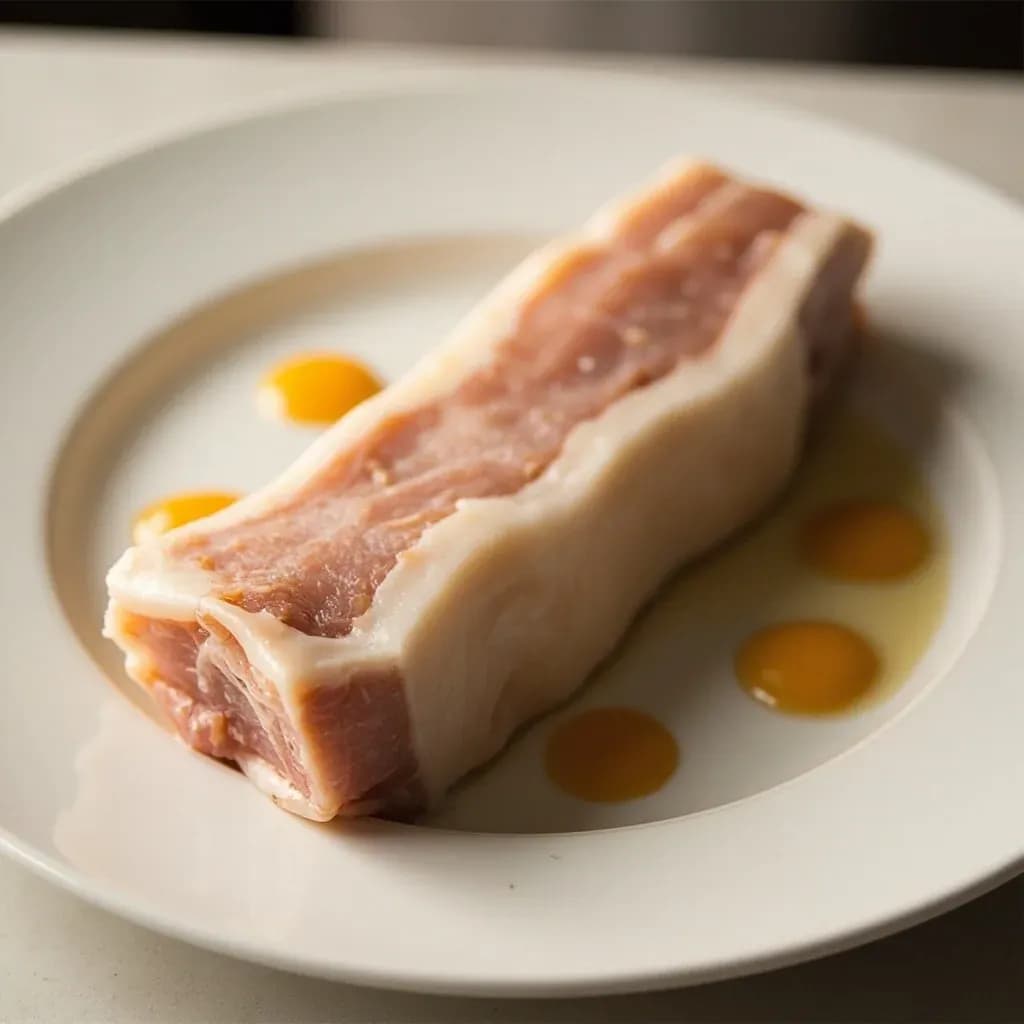
Pork Jowl
Fatty cured pork cheek; the basis of Italian guanciale for carbonara and amatriciana.
Pork jowl is the fatty cut from a pig's cheek, prized for its high fat-to-meat ratio and deep flavor. Cured and seasoned, it becomes guanciale, the traditional fat for Roman pasta dishes like carbonara and amatriciana, where it renders into a silky, peppery base. Fresh jowl can also be braised or smoked.
Pork jowl is the cheek and muzzle section of the pig—a fatty cut that was historically prized by peasant cooks for its abundant fat and low cost. Unlike the more familiar pork belly, jowl carries a higher proportion of fat to lean, with a thin ribbon of meat running through it. The fat is firm, white, and exceptionally clean-tasting when rendered, producing lard with a subtle pork flavor superior to commercial substitutes. Fresh pork jowl must be cooked before eating, but it transforms into a remarkable cooking fat or flavoring agent; it is also the raw material for guanciale, the cured jowl that defines Roman pasta cooking. The cut is increasingly available at specialty butcher shops and Asian markets, where it is often sold for Chinese braising applications. Its rich, porky, intensely fatty character makes it a distinctive ingredient that behaves differently from belly in both raw and cured forms.
- Measured in
- g
- Storage
- Fridge
Types & varieties
Uncured cheek; must be cooked before eating; used for lard rendering and as a flavor base in braises and beans
Italian cured jowl; salt-cured with black pepper and sometimes sage or garlic; not smoked; aged minimum 3 months for proper texture and flavor development
Cured and cold-smoked; common in American South; sold in large rashers or whole; significantly saltier than fresh
Jowl cured like pork belly bacon; thinner and greasier than belly bacon; can be used as a bacon substitute in some applications
Common uses
Tips & pitfalls
- Look for jowls with firm white fat and minimal odor; avoid yellowed or rancid-smelling fat, which indicates oxidation
- Always remove the outer skin and any sinew before cooking fresh jowl unless you are making stock
- Render fat slowly over low heat around 275°F (135°C) for clean-flavored lard with maximum crispy rendered bits
- Do not confuse pork jowl with pork belly—they have different fat-to-lean ratios and behave differently in recipes
- When making guanciale, cure for at least 3 weeks; shorter cures produce textural and flavor issues
- Cured jowl like guanciale can be used without cooking; render in a dry pan only to crisp it for serving
- Smoked jowl is significantly saltier than fresh; taste and reduce or eliminate additional salt in recipes
- Cut against the grain when slicing fresh jowl for grilling to minimize chewiness
Nutrition
Energy
2741 kJ · per 100 g
Where the calories come from
Protein
6.4g
13% DV
Carbs
0g
0% DV
Fat
69.6g
89% DV
Fiber
0g
0% DV
Sugars
0g
of which
Sodium
25mg
1% DV
Source · USDA FoodData Central · Pork, fresh, variety meats and by-products, jowl, raw
View on FDC →In the shops
Matched grocery products
No matched grocery products for Pork Jowl yet.
Good to know
- Type
- Fresh pork cut; the cheek and muzzle area of the pig
- Fat Content
- 50–70% fat by weight, with a thin layer of lean muscle
- Cured Form
- Guanciale (salt-cured with black pepper; not smoked; minimum 3 months aging)
- Storage Fresh
- 2–3 days refrigerated; up to 6 months frozen
- Storage Cured
- 4–6 weeks refrigerated, wrapped airtight; freezes well
- Yield Trimmed
- Approximately 20–30% loss when removing outer skin and sinew
- Typical Weight
- Whole jowl: 1–2 lbs (0.5–1 kg); retail cuts often 8–12 oz pieces
- Flavor Profile
- Rich, porky, mild; more intensely fatty than ham-like belly
Substitutes
- Pork Belly — Less fatty and less intensely porky; acceptable for most cooked applications but produces an incorrect result for true guanciale
- Pancetta — Italian belly bacon; not a true substitute for jowl but acceptable in pasta sauces when guanciale is unavailable
- Salt Pork — Very salty with high fat content; rinse thoroughly and render before using; common in New England and British cooking
- Smoked Bacon — Imparts smokiness that fresh or cured jowl lacks; acceptable for American Southern applications but avoid for Italian dishes
Also called
Guanciale Cut · Pork Cheek · Hog Jowl
Appears in these dishes
Related
Egg
The kitchen's everything ingredient — bind, leaven, enrich, or fry
Chicken Breast
Lean, quick-cooking white meat for everyday dinners

Ground Beef
Versatile minced beef for burgers, ragù, tacos, and meatballs
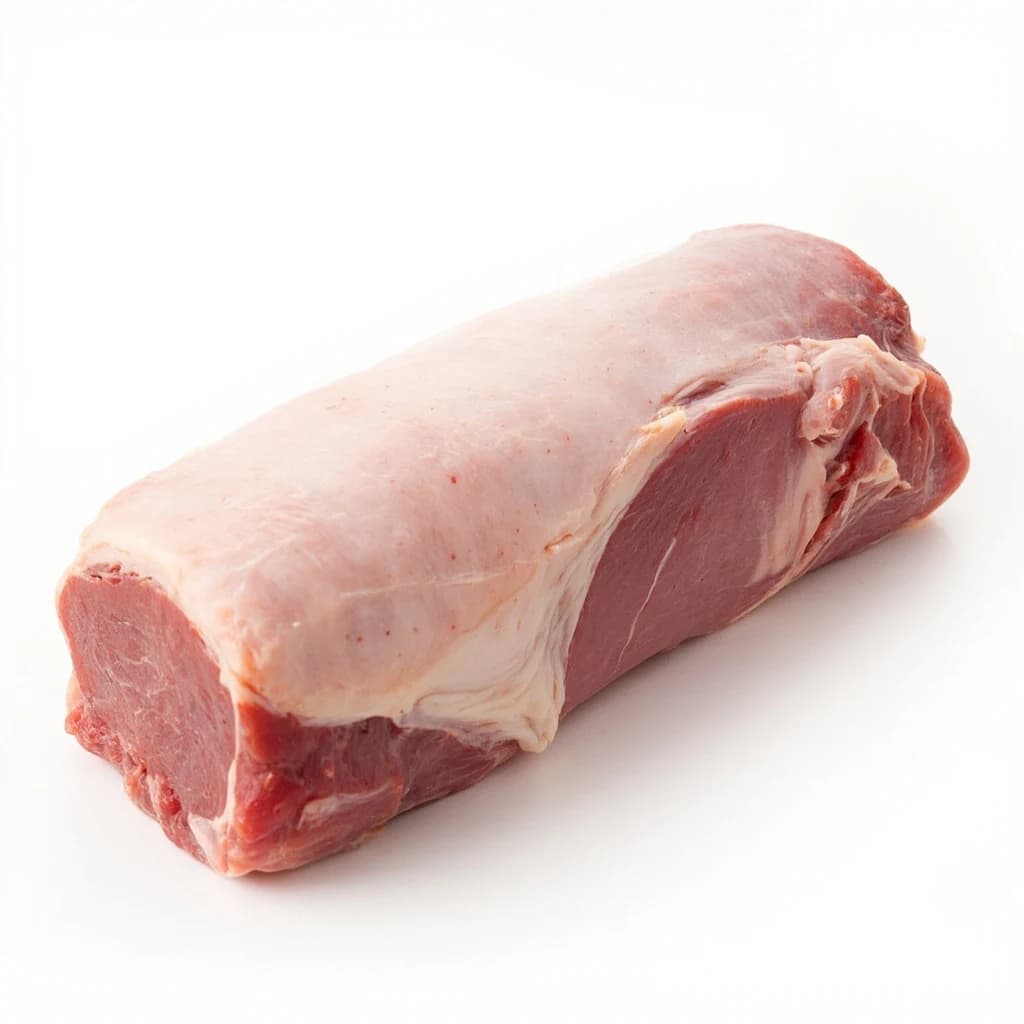
Pork Loin
Lean, tender roasting cut that stays juicy with care
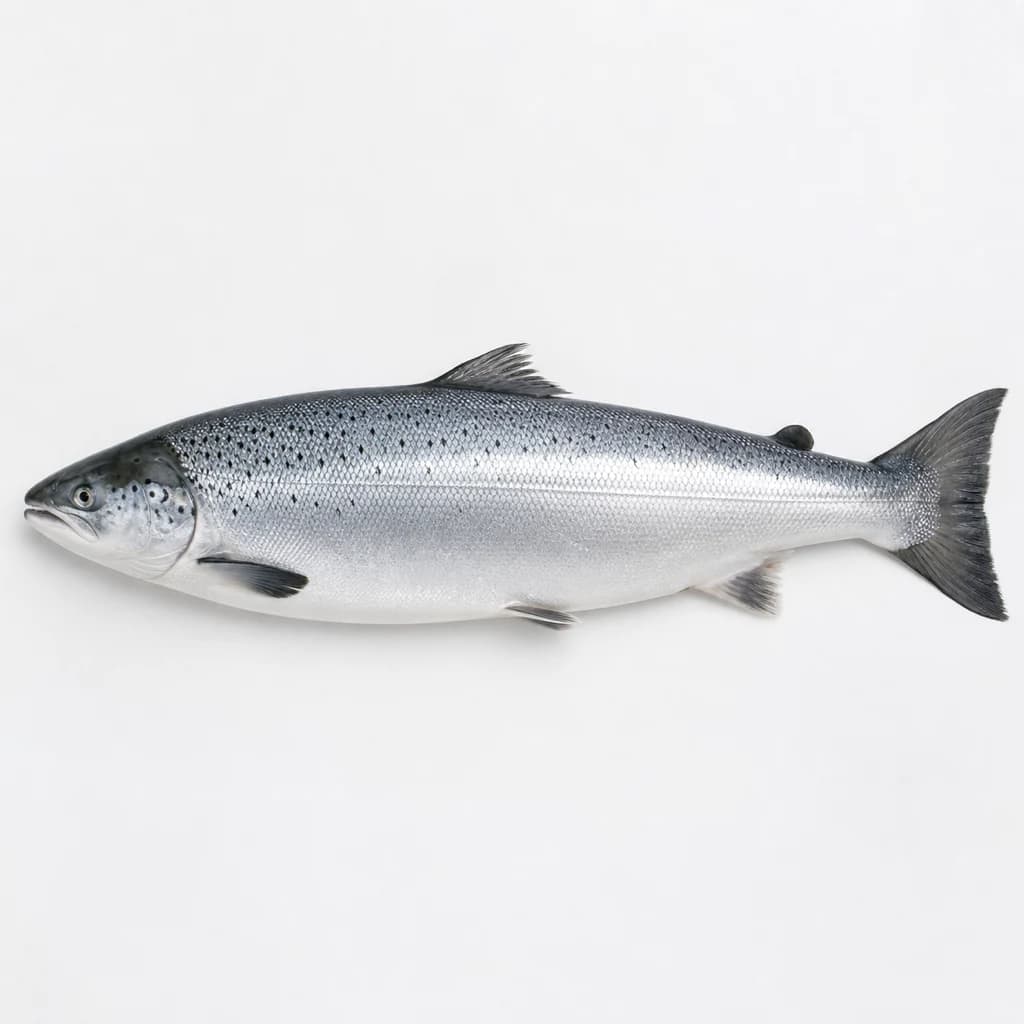
Salmon
Rich, rosy fish that roasts, grills, or cures beautifully

Egg White
Pure protein that whips to airy peaks for meringue and more
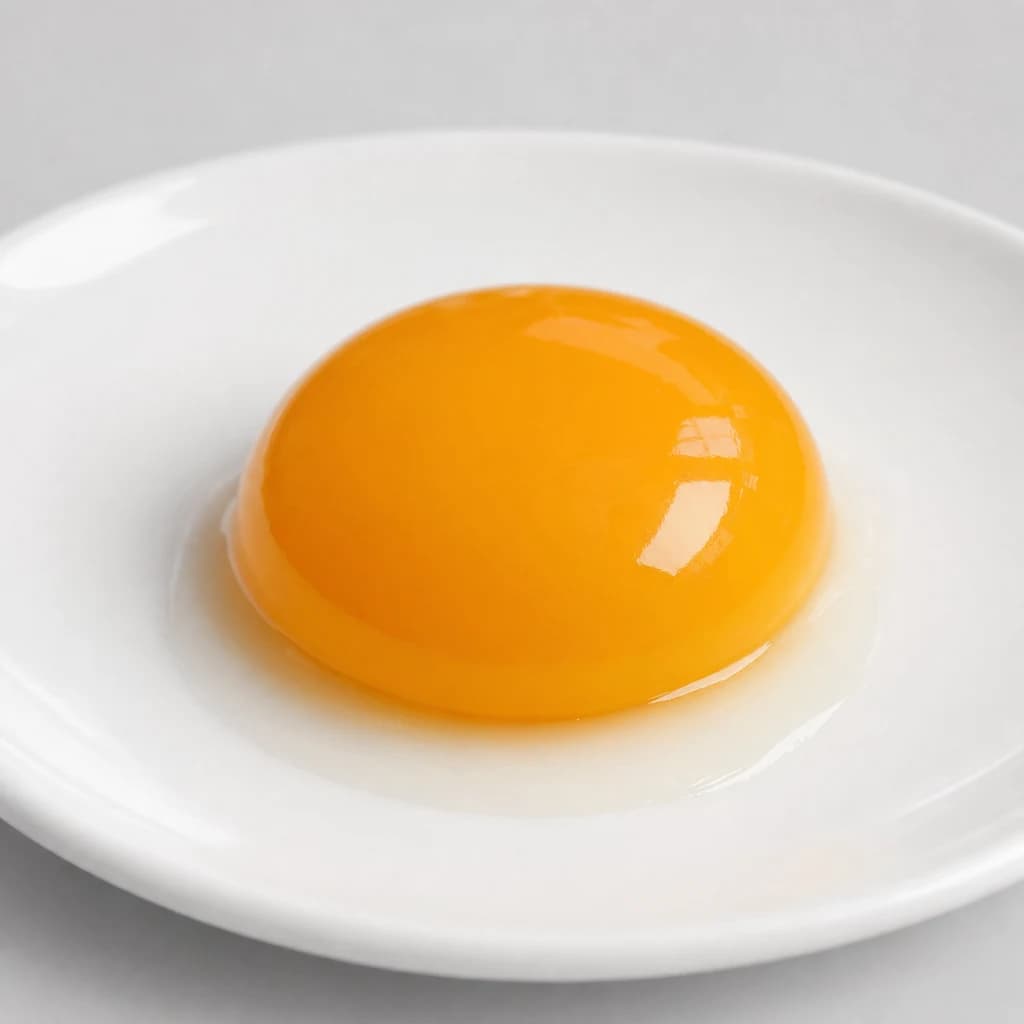
Egg Yolk
Rich, golden yolk for custards, mayonnaise, and pasta

Quail Egg
Tiny, speckled eggs for garnishing and elegant bites