
Transform & Preserve
Proof
Let yeasted dough rest and rise until airy and ready to bake
Proofing rests yeasted dough in a warm spot so the yeast produces gas and the dough swells, developing flavor and the structure for a good rise. It's a make-or-break step in bread and pastry. Judge it by feel — properly proofed dough springs back slowly from a gentle poke.
Proofing (or proving) is the rest that lets yeasted dough rise — the yeast ferments sugars, releasing carbon dioxide that inflates the gluten network while acids and alcohols develop flavor. It's both a leavening step and a flavor step: a slow, cool proof builds far more complex taste than a fast, warm one. The word covers the bulk fermentation after kneading and the final rise of shaped dough before baking. Reading proof by feel rather than the clock is the real skill — under-proofed dough bakes dense, over-proofed dough collapses, and properly proofed dough springs back slowly from a gentle poke.
- Difficulty
- Easy
Types & varieties
The first rise of the whole dough mass after kneading, building strength and flavor.
The rise of shaped loaves or rolls just before baking.
A long, slow proof in the fridge for deeper flavor and easier scheduling.
A faster rise in a warm spot or proofing box when time is short.
How to do it
- 1
Cover the dough
Place kneaded dough in a lightly oiled bowl and cover so the surface doesn't dry out and crust.
- 2
Find the right warmth
Set it somewhere warm for speed or cool for flavor; consistency matters more than exact temperature.
- 3
Let it rise (bulk)
Wait until the dough is noticeably puffed, roughly doubled, and airy when you handle it.
- 4
Shape and proof again
Shape the dough, then let it rise a second time until puffy but not collapsing.
- 5
Run the poke test
Gently press a fingertip in; if the dent fills back slowly, it's ready to bake.
- 6
Bake without delay
Get a perfectly proofed dough into a hot oven promptly before it tips into over-proofing.
The science
Yeast consumes the sugars in dough and exhales carbon dioxide, which the elastic gluten network traps as expanding bubbles — that's the rise. The same fermentation produces organic acids, alcohols, and aromatic byproducts that give bread its flavor, and these develop more fully during long, cool proofs. Over-proof and the yeast exhausts its food and the gluten over-stretches, so the structure weakens and the loaf collapses; under-proof and there's too little gas for a good rise.
Common mistakes
Proofing trips up bakers more than any other step.
- Proofing by the clock instead of by feel — temperature changes everything.
- Over-proofing, leaving dough so slack it deflates in or before the oven.
- Under-proofing, giving dense bread with a tight crumb.
- Letting the surface dry out uncovered, forming a skin that fights the rise.
Common uses
Tips & pitfalls
- A turned-off oven with the light on makes a gentle proofing box.
- Cold overnight proofing both deepens flavor and fits baking into your schedule.
- The poke test beats the clock every time.
- Cover dough well; a dried skin restricts the rise and bakes tough.
- Warmer rises faster but tastes flatter — trade speed for flavor when you can.
Good to know
- Temperature
- Warm (24–27 °C) for speed; cool/fridge for flavor and control
- Bulk rise
- Roughly until doubled, ~1–2 hrs at room temperature
- Final proof
- Until puffy and springs back slowly, ~30–90 min
- Poke test
- Dent fills back slowly = ready; springs right back = under; stays = over
- Cold proof
- Overnight in the fridge (retarding) deepens flavor
Also called
prove · rise · ferment dough
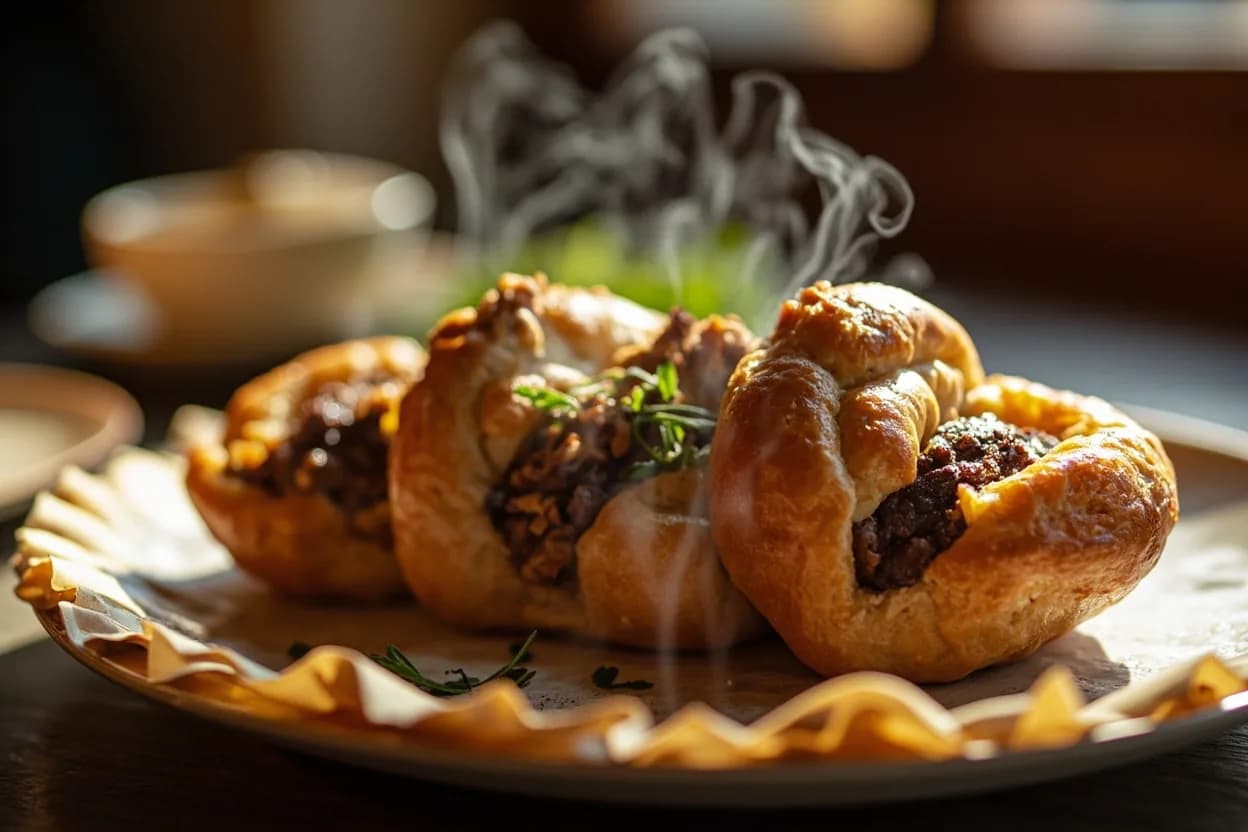
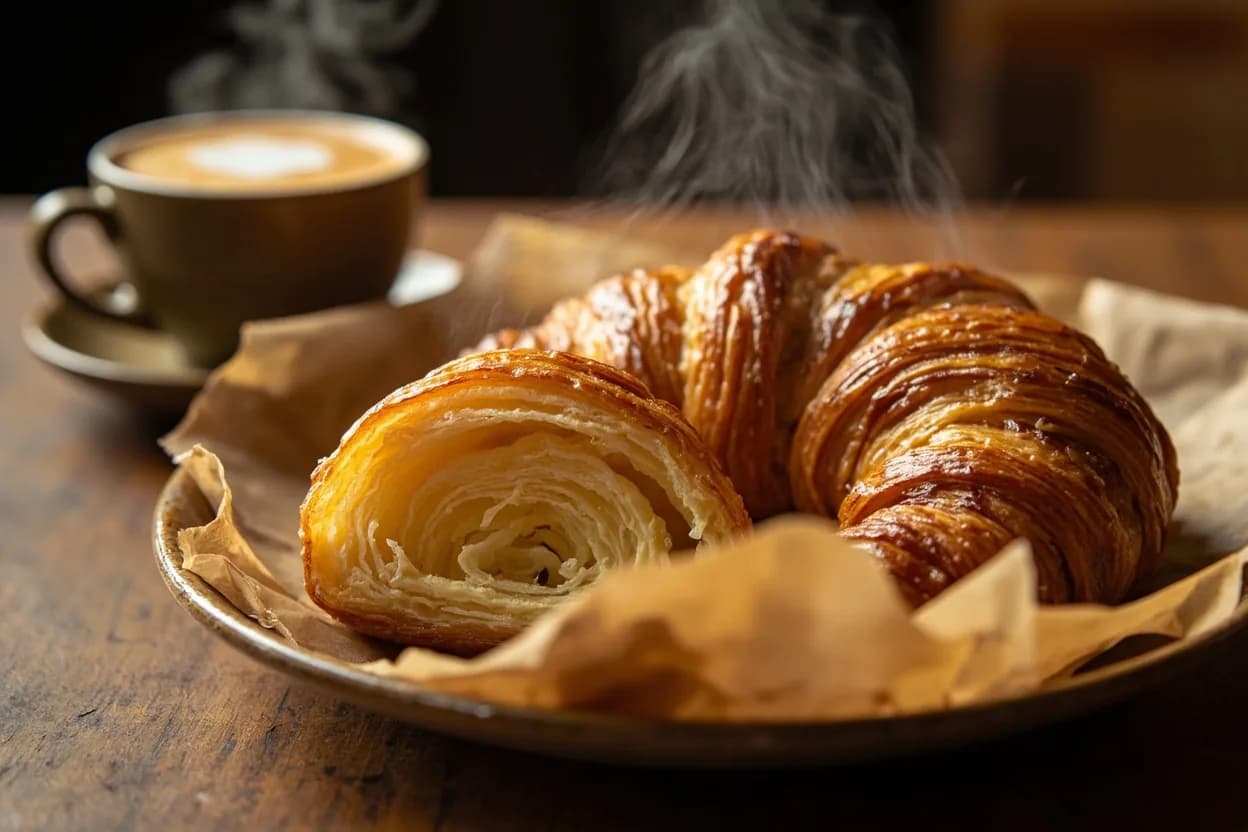
Dishes that rely on it
Related

Confit
Cook slowly submerged in fat for silky tenderness and keeping

Cure
Draw out moisture with salt and time to preserve and concentrate

Pickle
Steep in acidic brine for bright, tangy, crunchy preservation

Ferment
Let friendly microbes transform food into tangy, complex flavor

Marinate
Soak in a seasoned mix to flavor and tenderize before cooking

Brine
Soak in salt water so meat stays juicy and seasoned throughout

Dehydrate
Slowly dry out moisture to concentrate flavor and extend shelf life

Cold-Smoke
Perfume cured food with smoke without cooking it through