Water & Steam
Slow Stew (Wei)
A very gentle, prolonged Chinese simmer that tenderizes tough cuts and melds deep flavor.
Wei is a Chinese slow-stewing method that holds food at a very low, steady simmer for a long time in a covered pot. The gentle prolonged heat breaks down tough connective tissue and lets the seasonings infuse deeply into the meat and broth without boiling it dry. It is used for hearty, comforting braises and soups where collagen melts into a silky, rich liquid.
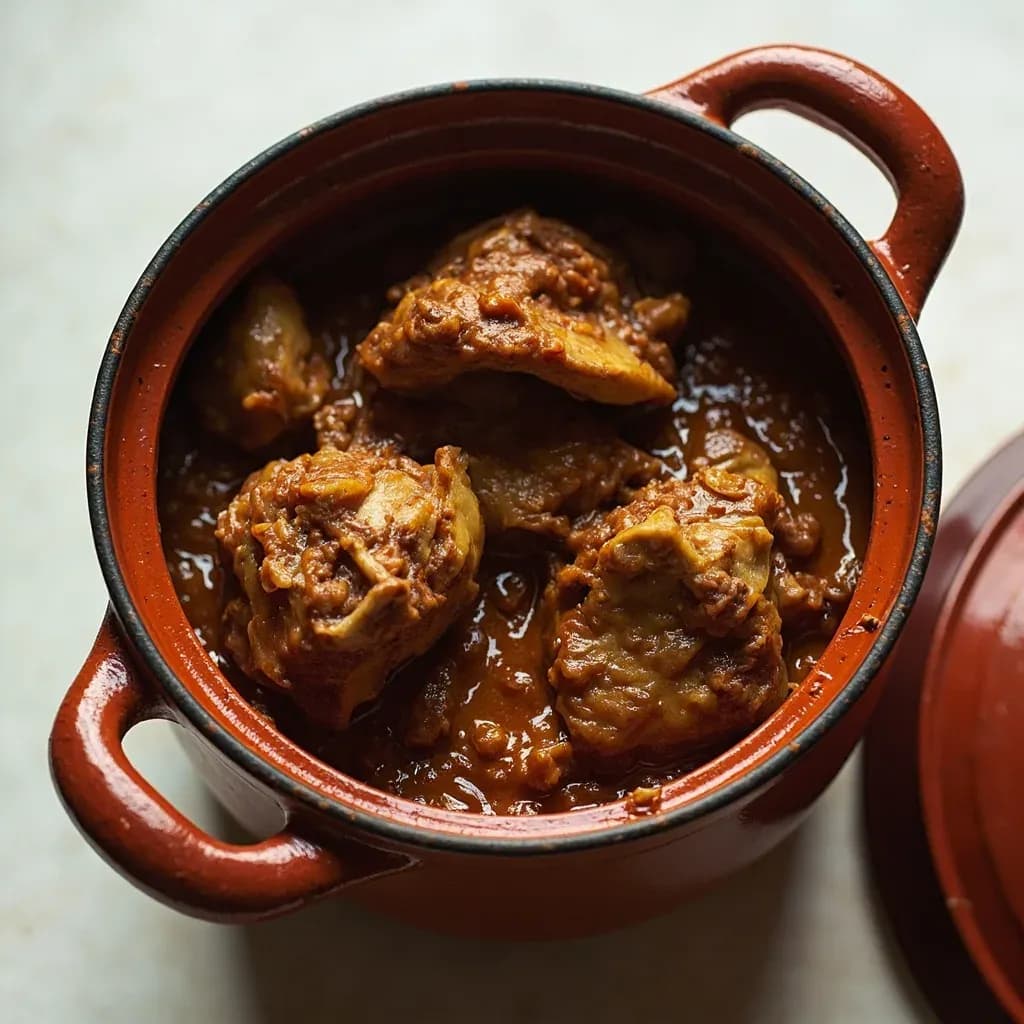
煨 (wēi) is the gentlest, most unhurried member of the Chinese moist-heat family — a slow, sealed, steam-led simmer that coaxes tough, collagen-rich ingredients into a state no quicker method can reach. The defining feature is heat held well below the boil, at what cooks call 'fish-eye water' (鱼眼水), where the liquid only trembles and a few pinhead bubbles cling to the pot wall. Combined with a tightly lidded, thick-walled clay pot and just enough liquid to barely cover the main ingredient, that low steady temperature turns sinew to silk over hours and produces broths of remarkable depth and clarity.
It matters because the toughest, most flavorful ingredients — oxtail, pork trotter, old hen, dried herbs, lotus seeds — only surrender their character when given time and restraint. A rolling boil would tighten the proteins and cloud the broth; 煨 does the opposite, slowly hydrolyzing collagen into gelatin and drawing soluble flavor out of the ingredients without driving off the aromatics. It is the technique behind many of the great Chinese tonic soups (药膳), banquet centerpieces like whole winter melon or coconut soup, and any clear, deep-flavored stock meant to be drunk from a spoon.
In practice, 煨 is less a recipe than a discipline: choose the right vessel, build the pot once, seal the rim, and largely leave it alone. The active work is measured in minutes; the real attention is careful heat control and a willingness not to lift the lid.
- Difficulty
- Medium
Types & varieties
Historical method where food — often wrapped in lotus leaf, paper, or dough — is buried in the residual heat of a hearth or in hot ash; very long, very gentle.
Modern home and restaurant form using a sand or clay pot on low stove heat; the everyday interpretation of 煨.
Plain slow-stew with water and a few aromatics (ginger, scallion, optionally a little Shaoxing wine); used for clear tonic soups like whole chicken or pork.
Slow-stew built around Chinese tonic herbs — codonopsis, astragalus, goji, dried longan, red dates — paired with meat or poultry.
The main ingredient is sealed inside its own shell or casing (whole coconut, whole winter melon, sometimes a whole chicken stuffed and re-sewn) and slow-stewed, capturing every drop of essence.
How to do it
- 1
Choose the right pot and ingredients
Use a thick-walled sand pot (砂锅) or other heavy clay vessel with a tight lid. Trim tough meats of excess surface fat (keep some for body), soak dried ingredients until pliable, and prepare aromatics — smashed ginger, white scallion sections, and optionally a small splash of Shaoxing wine.
- 2
Cold-blanch for clarity (optional but recommended)
For meat and poultry destined for a clear broth, place the raw pieces in cold water, bring slowly to a bare simmer for 3–5 minutes, then drain and rinse. This drives out blood and scum before the long 煨 begins.
- 3
Build the pot
Return the blanched ingredients to the rinsed sand pot with aromatics. Add water — cold for a fuller, slightly cloudy result, hot for a clear consommé-style result — until the liquid just covers the main ingredient. For very long 煨s, leave 2–3 cm of headroom.
- 4
Bring up slowly, then drop the heat
Bring to the boil over medium heat, skim any foam that rises in the first 15–20 minutes, then immediately reduce to the lowest possible setting. The target is 鱼眼水: the surface trembles and a few pinhead bubbles cling to the pot wall, but there is no rolling.
- 5
Seal and commit
Wet a strip of cloth, a ring of flour-and-water dough, or a sheet of parchment and run it around the rim of the lid before closing — this is the defining step of 煨. Once sealed, do not lift the lid; trust the time and the trapped steam.
- 6
Cook for the long haul
Hold at fish-eye water for 2 to 6 hours depending on the ingredient: about 2 hours for chicken, 3–4 hours for pork and older hens, 4–6+ hours for oxtail, tendon, and herbal soups. A heat-diffuser ring under the pot is invaluable on strong stoves.
- 7
Finish and rest
Turn off the heat and leave the sealed pot undisturbed for 15–30 minutes. Then lift the lid away from your face (hot steam), skim surface fat, and season very lightly — a pinch of salt, a few drops of soy, or a thread of sesame oil if the recipe calls for it.
- 8
Serve from the pot
Bring the whole sand pot to the table on a trivet. The clay holds heat so well that the 煨 will keep gently steaming for another 20 minutes, which is part of the appeal.
How 煨 Differs from Its Cousins
Chinese cooking has a small constellation of long, gentle moist-heat methods, and they are easy to confuse. The differences show up in the liquid level, the lid, and whether the dish begins with a sear.
- 炖 (dùn) is the closest cousin: also gentle and prolonged, but with slightly more liquid and a touch higher temperature; 煨 is drier, more steam-led, and usually longer.
- 煲 (bāo) refers to open or loosely covered soup-making on the stove — broth-led rather than steam-led, often associated with Cantonese soup pots and a faster, fuller simmer.
- 焖 (mèn) is a sealed braise that almost always begins with a sear and finishes in a thicker, reduced sauce; 煨 begins with raw or blanched ingredients in a thin, clear liquid, and never with browning.
Adapting 煨 to a Modern Kitchen
The defining element of 煨 is not the fuel but the equilibrium: a sealed pot, very low heat, and enough time for steam to do the work. If a Western stove cannot hold a true fish-eye simmer without cycling on and off, finish the dish in a 120–130 °C / 250–265 °F oven in a lidded Dutch oven set in a water bath — the gentle, even radiant heat reproduces the clay-pot effect almost exactly. Induction cookers in particular benefit from a cast-iron heat-diffuser ring, which turns their precise but aggressive low-end output into the soft, sustained warmth 煨 needs.
Common uses
Tips & pitfalls
- Hold the pot at 'fish-eye water' — if you can hear a rolling boil, the heat is already too high; the surface should only tremble and a few pinhead bubbles should cling to the pot wall.
- Start with cold water when you want a cloudy, full-bodied broth (it draws out proteins slowly); start with hot water when you want a clear, consommé-style result.
- Skim foam once in the first 15–20 minutes, then leave the lid on and do not peek — every lid lift drops the pot out of its gentle equilibrium.
- Seal the rim of the lid with a strip of wet cloth, parchment, or a flour-and-water dough ring to keep steam inside; this is what distinguishes 煨 from an ordinary simmer.
- Salt at the very end. Salt added early tightens proteins, clouds the broth, and toughens the meat you are trying to soften.
- Cut meat into uniform, fist-sized pieces so they finish at the same time; small pieces disintegrate in a long 煨, while oversized chunks stay tough.
- Pre-soak dried ingredients — lotus seeds, red dates, dried scallop, tonic herbs — in cool water until pliable so they cook evenly through the long 煨.
- Use the smallest burner you have, or set a heat-diffuser ring under the pot; gas stoves throttle more smoothly than induction for true 煨 temperatures, and the diffuser bridges the gap.
- Common mistake: lifting the lid 'just to check.' 煨 is not braise-and-taste; trust the time and the sealed pot, and rest it covered off the heat for 15–30 minutes before opening.
Good to know
- Chinese name
- 煨 (wēi)
- Origin
- Classical Chinese; the character originally referred to cooking food wrapped and buried in hot embers or ash
- Family
- Long, gentle moist-heat methods alongside 炖 (dùn), 煲 (bāo), and 焖 (mèn)
- Heat level
- Well below a boil — traditionally held at 'fish-eye water' (鱼眼水), tiny bubbles barely breaking the surface
- Liquid ratio
- Minimal — just enough to barely cover the main ingredient or to generate steam in a sealed pot; steam-braising as much as liquid-braising
- Typical duration
- 2 to 6+ hours, sometimes overnight on dying embers
- Best vessel
- Thick-walled sand pot (砂锅) or other heavy, heat-retaining clayware; tight-fitting lid, often sealed with wet cloth or dough
- Typical ingredients
- Tough meats, dried beans and seeds, whole poultry, roots, Chinese tonic herbs
- Resulting texture
- Fork-tender proteins, silky connective tissue, clear-to-opaque broths with deep, rounded flavor
- Difficulty
- Low active work, high attention to heat control
Also called
wei · slow stewing
Dishes that rely on it
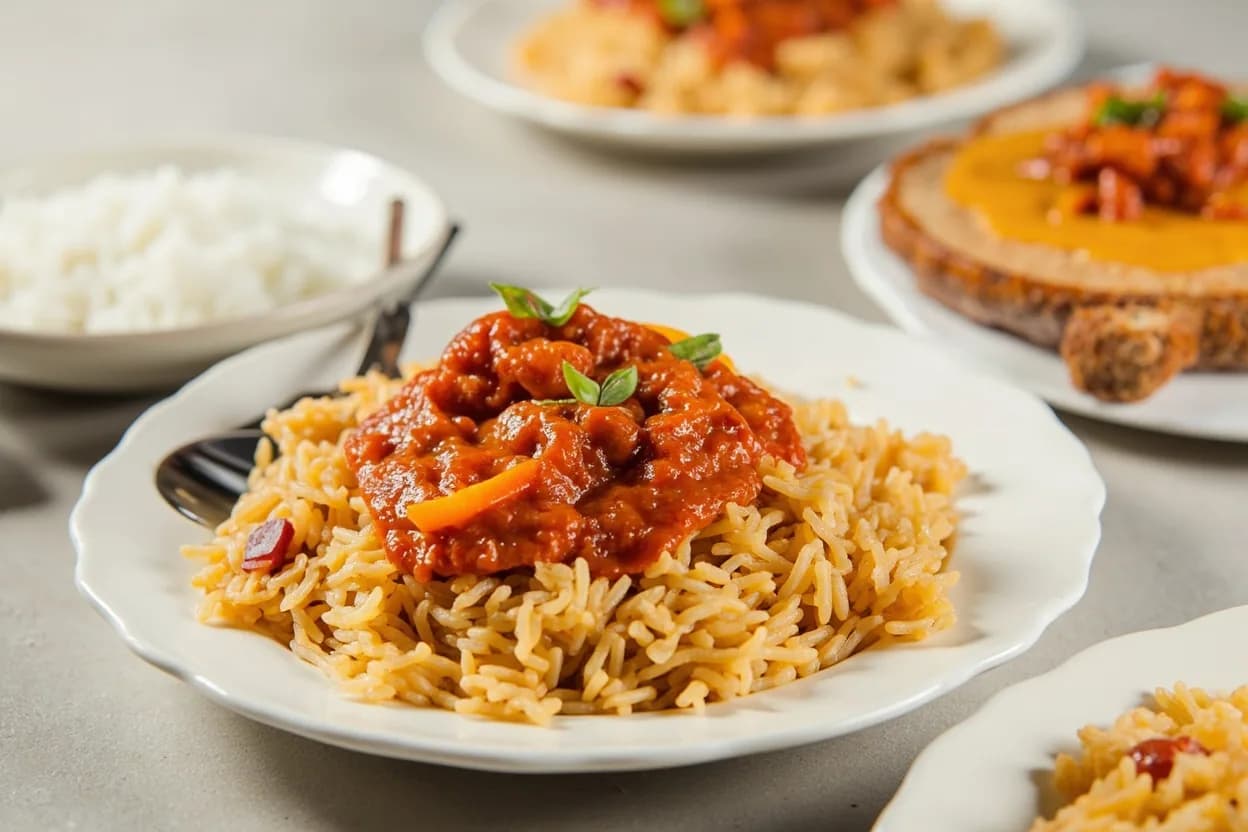
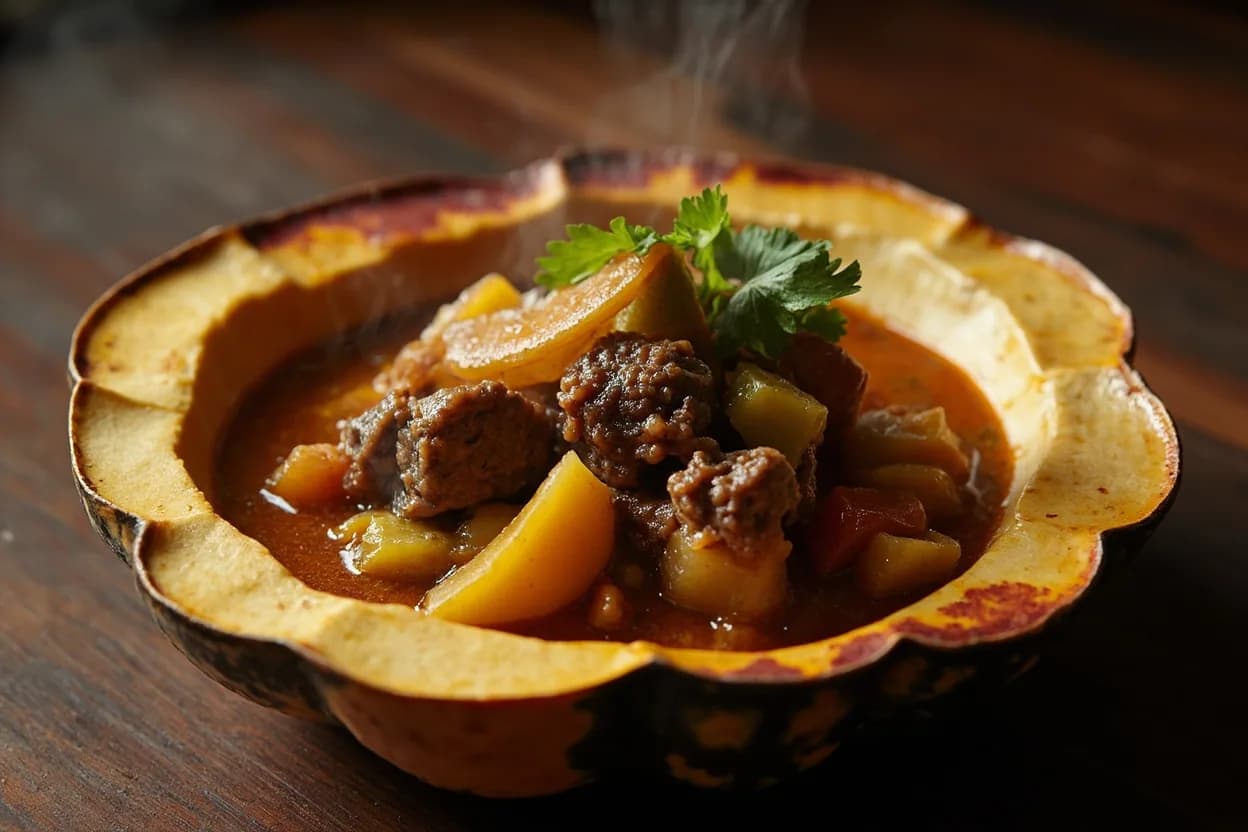
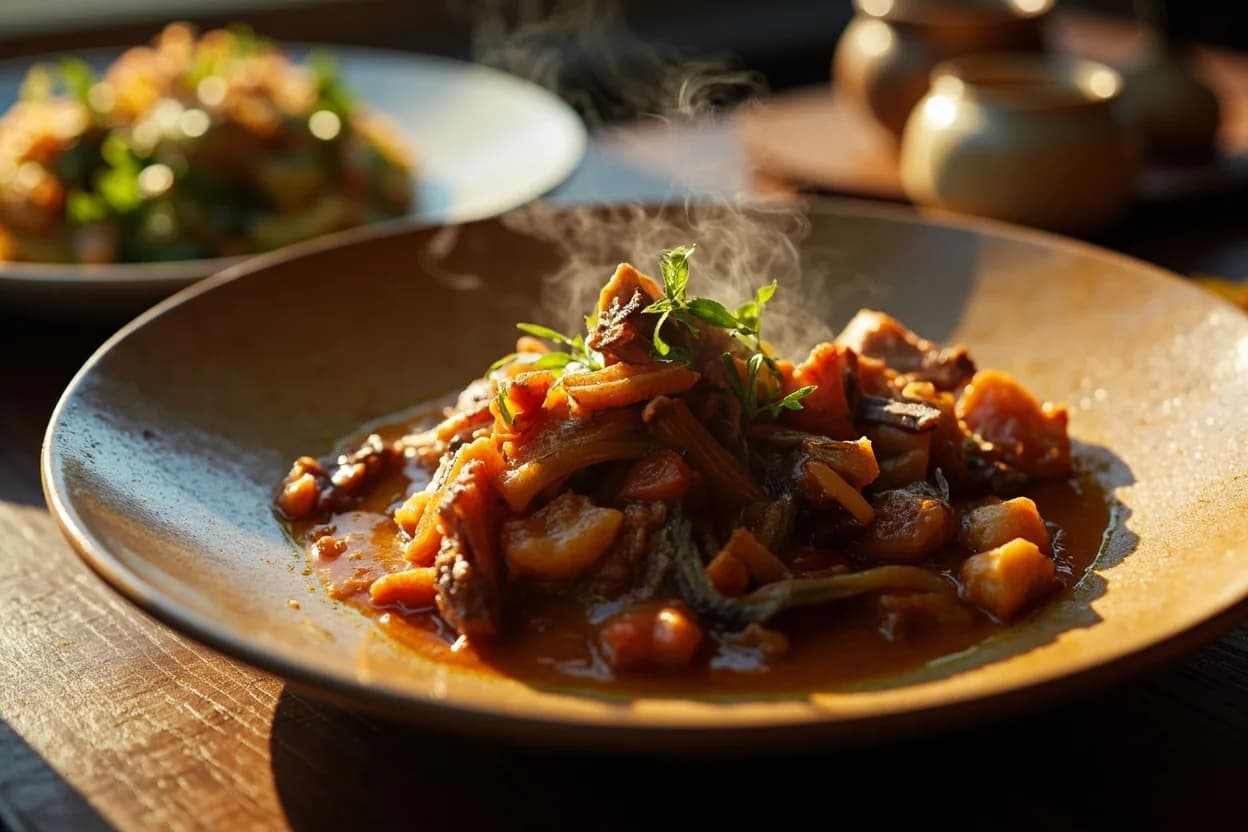
Related

Boil
Cook in vigorously bubbling liquid at full rolling heat

Simmer
Hold liquid at a gentle shimmer for tender, unhurried cooking

Poach
Cook gently in barely-trembling liquid for silky, tender results

Steam
Cook in rising vapor to keep color, nutrients, and shape intact

Blanch
Plunge briefly in boiling water, then shock cold to lock color

Braise
Sear, then cook slow in a little liquid until fall-apart tender

Stew
Simmer bite-sized pieces fully submerged into a rich, unified pot

Sous-Vide
Seal and cook in precise warm water for edge-to-edge doneness