Transform & Preserve
Alkaline Cooking (Nixtamalization)
Simmering corn in slaked lime to loosen hulls, boost nutrition, and unlock masa flavor.
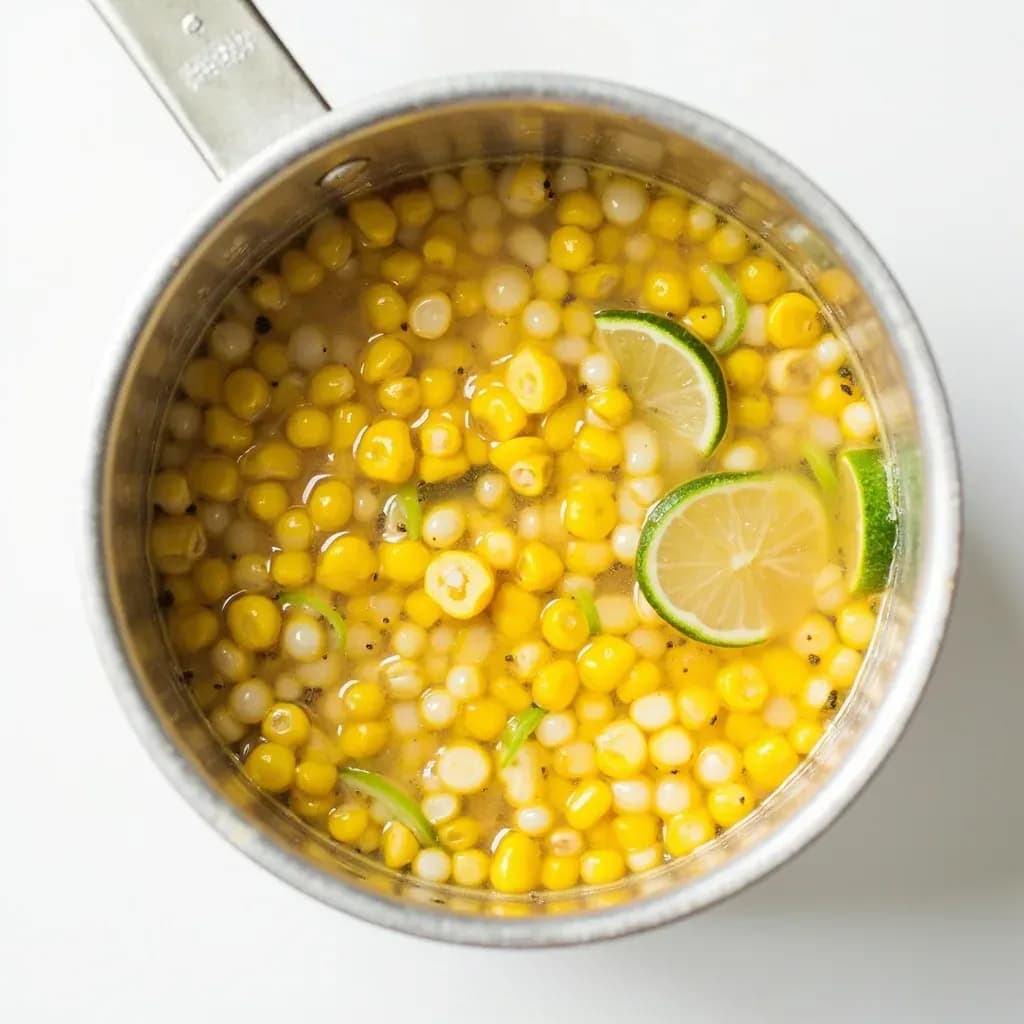
Alkaline cooking, or nixtamalization, soaks and simmers dried corn in a solution of slaked lime (calcium hydroxide) or wood ash. The alkali loosens the kernel hulls, releases bound niacin to prevent pellagra, and develops the distinctive flavor and dough-forming ability needed for masa, tortillas, and hominy. The corn is rinsed before grinding to remove the loosened skins and excess lime.
Nixtamalization is the slow alkaline simmer-and-soak that turns hard, indigestible dried corn into the soft, pliable kernels — called nixtamal — from which real masa is ground. The Nahuatl word combines nextli (lime ashes) and tamalli (cooked corn dough), and the technique has been practiced in Mesoamerica for at least 3,500 years. Cooks simmer field corn in a dilute solution of food-grade calcium hydroxide (cal), then let it steep off-heat for hours, and finally rinse away the loosened pericarp. What sounds like a simple hulling trick is actually a four-in-one transformation: the alkali softens the kernel's tough protein matrix so it can be ground, releases bound niacin to prevent pellagra, adds bioavailable calcium to the grain, and strips off the pericarp that carries most of corn's natural mycotoxin load.
The flavor change is just as important as the nutritional one. Fresh masa smells and tastes nothing like commodity corn — there is a faint mineral, almost flinty aroma and a savory depth that anchors every tortilla, tamale, and atole it touches. That character cannot be replicated by rehydrating masa harina with water alone, which is why cooks who care about real corn flavor learn to nixtamalize at home. The process asks for little equipment and almost no active time, but it does demand patience: a 20–45 minute simmer, an 8–16 hour steep, and thorough rinsing, with the grinding done the same day for the most elastic dough.
Understanding why each step matters is what separates reliable nixtamal from hit-or-miss batches. The simmer hydrates the kernel and opens its structure; the long, cool steep lets the alkaline reaction penetrate all the way to the center; the rinsing removes both the slippery hulls and the bitter, soapy residue of unused cal. Skip or shorten any one of these and the masa will be coarse, crumbly, or sharp-tasting — workable, but never right.
- Difficulty
- Medium
Types & varieties
The standard Mesoamerican method using food-grade calcium hydroxide; produces the characteristic aroma and flavor of real masa.
Traditional in parts of Oaxaca, Chiapas, and the Yucatán; uses potassium carbonate from wood ash for a softer, earthier masa.
US Southern preparation that uses sodium hydroxide to remove hulls from dent corn for grits and pozole-style hominy; kernels are rinsed, never ground into masa.
Cooked nixtamal is dried and stone-ground into instant flour (Maseca, Bob's Red Mill); convenient, but not a substitute for fresh masa.
The cloudy, bitter steeping liquor reboiled with milk, piloncillo, cinnamon, vanilla, and (for champurrado) chocolate into atole, or used to thin masa.
How to do it
- 1
Measure and rinse the corn
Weigh 1 kg (about 2.2 lb) dried field corn — preferably a dent variety or a heritage maíz criollo. Pick out stones and damaged kernels, rinse in cool water, and drain.
- 2
Make the alkaline solution
In a stainless steel, glass, or enameled Dutch oven, combine 2–2.5 L of water with about 10 g (roughly 1 tablespoon) food-grade calcium hydroxide. Whisk until the cal mostly dissolves; the water will turn milky white.
- 3
Add corn and bring to a simmer
Stir in the rinsed corn. Bring to a boil over high heat, then drop to a low simmer. Skim any foam that rises to the surface.
- 4
Simmer 20–45 minutes
Simmer gently until the hulls begin to slip and the kernels turn slightly chalky at the tips. Dent corn cooks in 20–30 minutes; flint and heritage varieties (cacahuazintle, olotillo, bolita) may need 40–45 minutes.
- 5
Steep off-heat 8–16 hours
Cover the pot, move it off the burner, and steep at room temperature overnight. Keep the corn fully submerged by at least 5 cm; top up with water if the level drops.
- 6
Drain and reserve the liquor
Pour the nixtamal into a colander set over a bowl. Save the cloudy steeping liquor (nejayote) in a sealed jar in the fridge if you want to make atole or thin masa later.
- 7
Hull and wash
Rub handfuls of kernels against each other, against a slotted nylon mesh, or between your palms under cool running water to slip off the pericarp. Work in batches and change the rinse water 3–5 times until it runs clear and the kernels no longer feel soapy or gritty.
- 8
Check the doneness
Cut a kernel in half. The center should look uniformly hydrated and chalky with no white starchy core, and the pericarp should slide off with a light pinch.
- 9
Grind into masa
Pass the nixtamal through a molino fitted with a fine plate, or pulse in a strong food processor in small batches. Add rinse water a tablespoon at a time until the dough forms a cohesive, slightly tacky ball that holds together when pressed.
- 10
Rest, form, and cook
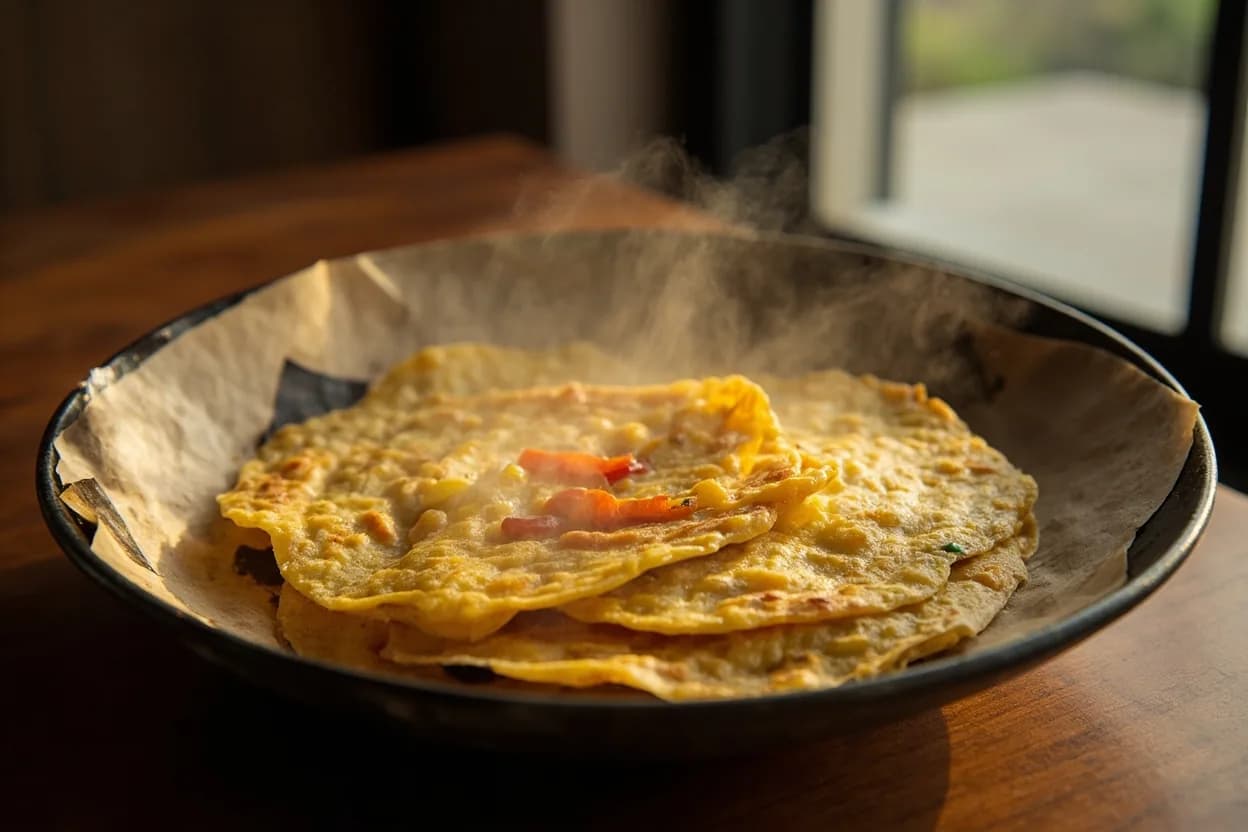
Let the masa rest 20–30 minutes so the moisture equalizes. Then press into tortillas between two plastic sheets and cook on a hot comal 60–90 seconds per side, or beat in fat and broth for tamale dough. Store leftover nixtamal or masa as directed in the facts above.
What the alkaline actually does
Calcium hydroxide is a strong base, and corn's outer layers — the pericarp and the aleurone — are built from tightly cross-linked proteins and hemicellulose. The alkaline bath breaks those bonds in two places: it dissolves the pectin that glues the pericarp to the endosperm, which is why the slippery hulls slip off under running water, and it partially hydrolyzes the endosperm proteins, which is why the cooked kernel softens all the way through and grinds into a cohesive, slightly tacky dough rather than a sandy meal. The same reaction liberates nicotinic acid from a bound, unabsorbable form — the original pellagra story of the American South — and deposits calcium from the cooking water directly into the kernel.
- Pericarp slip: alkaline dissolves the pectin layer binding hull to endosperm.
- Endosperm softening: protein matrix is partially hydrolyzed so the kernel grinds cohesively.
- Niacin release: bound B3 becomes bioavailable, preventing pellagra in corn-heavy diets.
- Calcium uptake: roughly 25–30 mg per 100 g of finished masa.
- Mycotoxin reduction: most aflatoxins and fumonisins ride on the pericarp and are rinsed away with it.
Reading the nixtamal
Before you grind, learn the three quick tells of properly cooked nixtamal. They save you from a batch of bitter, gritty tortillas and from over-processing the kernel.
- Pinch test: rub a kernel between thumb and forefinger. The pericarp should slide off cleanly with almost no pressure.
- Cut test: slice a kernel in half lengthwise. The interior should look uniformly chalky and hydrated, with no starchy white core and a darker 'chalk ring' roughly one-third of the way in from the edge.
- Wash test: after 3–5 rinses with rubbing, the kernels should feel slick but not soapy or gritty, and the rinse water should run clear rather than milky or slimy.
Troubleshooting common failures
Most nixtamal problems come down to under-soaking, under-rinsing, or wrong corn. A short reference for what went wrong and how to fix it next time.
- Masa cracks at the edges when pressed: too dry, or it rested too long before forming. Knead in rinse water a tablespoon at a time until a ball of dough holds its shape without splitting.
- Masa tastes sharp, bitter, or soapy: residual cal. Rinse the nixtamal one or two more times until the water runs completely clear.
- Masa is sandy and won't hold together: kernels were undercooked or steeped too short. Recook in a fresh cal solution for 15–20 minutes and steep another 4–6 hours, then rinse again.
- Tortillas are gummy and tough: over-ground, or the dough is too wet. Let the masa rest 20–30 minutes so the moisture equalizes, then press.
- Flavor is flat and 'corny' rather than mineral and savory: commodity feed corn was used, or the steeping liquor was discarded too soon. Seek out heirloom maíces and reserve the nejayote.
Common uses
Tips & pitfalls
- Use only food-grade cal labeled for nixtamalization or pickling — agricultural or construction 'hydrated lime' is not food-safe and will taste harsh, bitter, or chemical.
- Never use aluminum; calcium hydroxide is caustic enough to pit the surface and leach off-flavors. Stainless, glass, or enameled cast iron are all safe.
- Keep the corn submerged by at least 5 cm throughout the entire steep, or the top kernels won't rehydrate evenly and your grind will be patchy.
- Rinse aggressively — 3 to 5 changes of water — until the wash water runs clear and the kernels feel slick but not soapy; residual cal is the single most common cause of bitter tortillas.
- Grind the nixtamal the same day you cook it; overnight nixtamal is fine, but stale nixtamal ground the next day makes drier, less elastic masa.
- If you can't get good masa-quality corn locally, source heirloom maíces (Masienda, Rancho El Trece, or a nearby tortillería); commodity feed corn works but produces flatter-flavored masa.
- Save the nejayote in a sealed jar in the fridge for up to a week; reboil it with milk, piloncillo, cinnamon, vanilla, and chocolate for champurrado, or stir a few spoonfuls into masa that is drying out.
- Freeze nixtamal in 500 g portions in zip-top bags with the air pressed out; thaw overnight in the fridge before grinding.
Good to know
- Also known as
- Nixtamalization; from Nahuatl nextli (lime ashes) + tamalli (cooked corn dough)
- Origin
- Mesoamerica, with archaeological evidence 3,500+ years old from sites in Mexico and Guatemala
- Primary alkaline agent
- Food-grade calcium hydroxide, Ca(OH)₂, sold in Mexico as 'cal'
- Secondary alkaline agents
- Wood-ash potash (potassium carbonate, potasa); sodium hydroxide in some industrial processes
- Cal-to-corn ratio
- About 1–2% of dry corn weight by mass; roughly 10 g (1 tablespoon) per 1 kg corn
- Timing
- 20–45 min simmer, then 8–16 h steep off-heat; 12–24 h end-to-end
- Yield
- 1 kg dried corn yields about 1.5–1.8 kg nixtamal, or 1.2–1.4 kg fresh masa
- Equipment
- Stainless steel, glass, or enameled pot (never aluminum); nylon scrubber or slotted mesh for hulling; molino or food processor for grinding
- Nutritional effect
- Frees bound niacin (prevents pellagra), adds ~25–30 mg calcium per 100 g masa, improves protein digestibility, and significantly reduces aflatoxin and fumonisin levels
- Storage of nixtamal
- Refrigerate covered up to 2–3 days with a little water; freeze in portions up to 3 months
- Storage of fresh masa
- Use same day for tortillas; refrigerate 1–2 days; freeze tightly wrapped for 1–2 months
- Difficulty
- Easy to execute; timing and thorough rinsing determine quality
Also called
Cooking with Cal · Nixtamalization · Liming
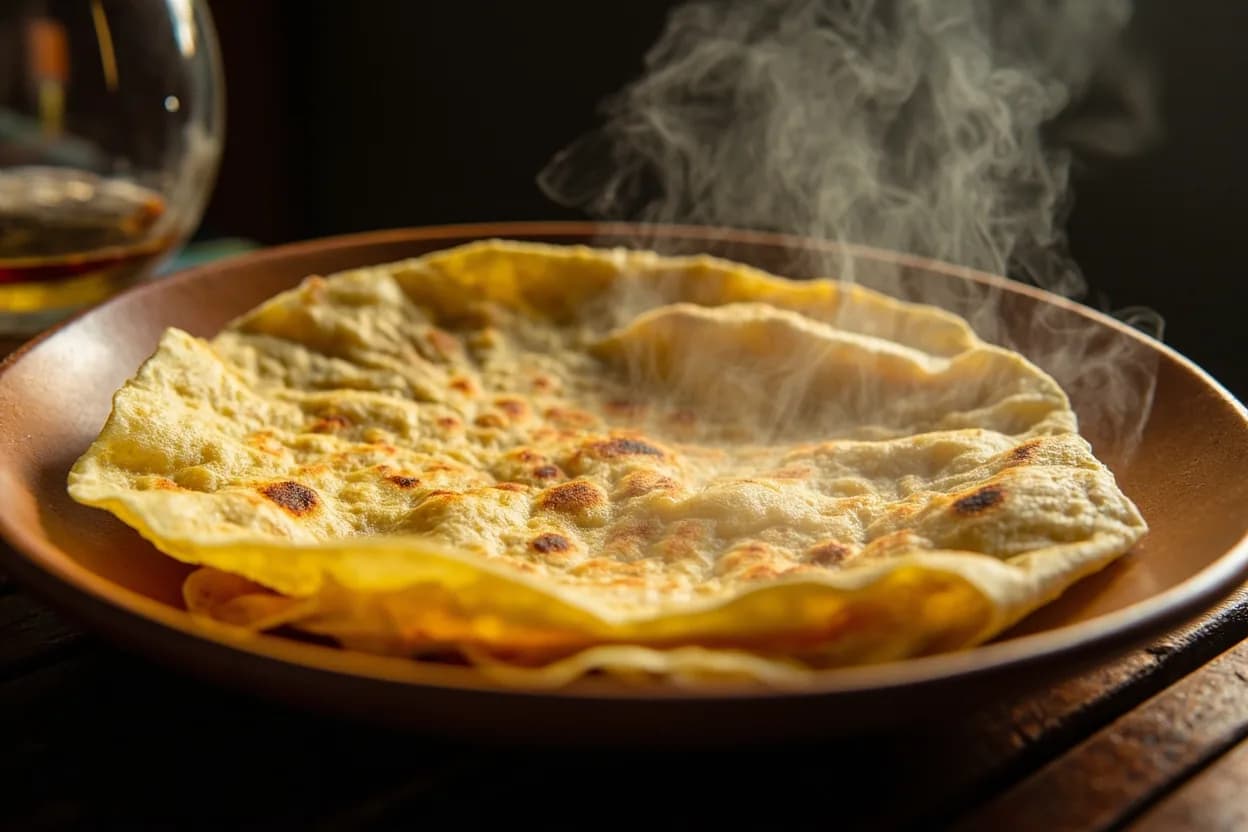
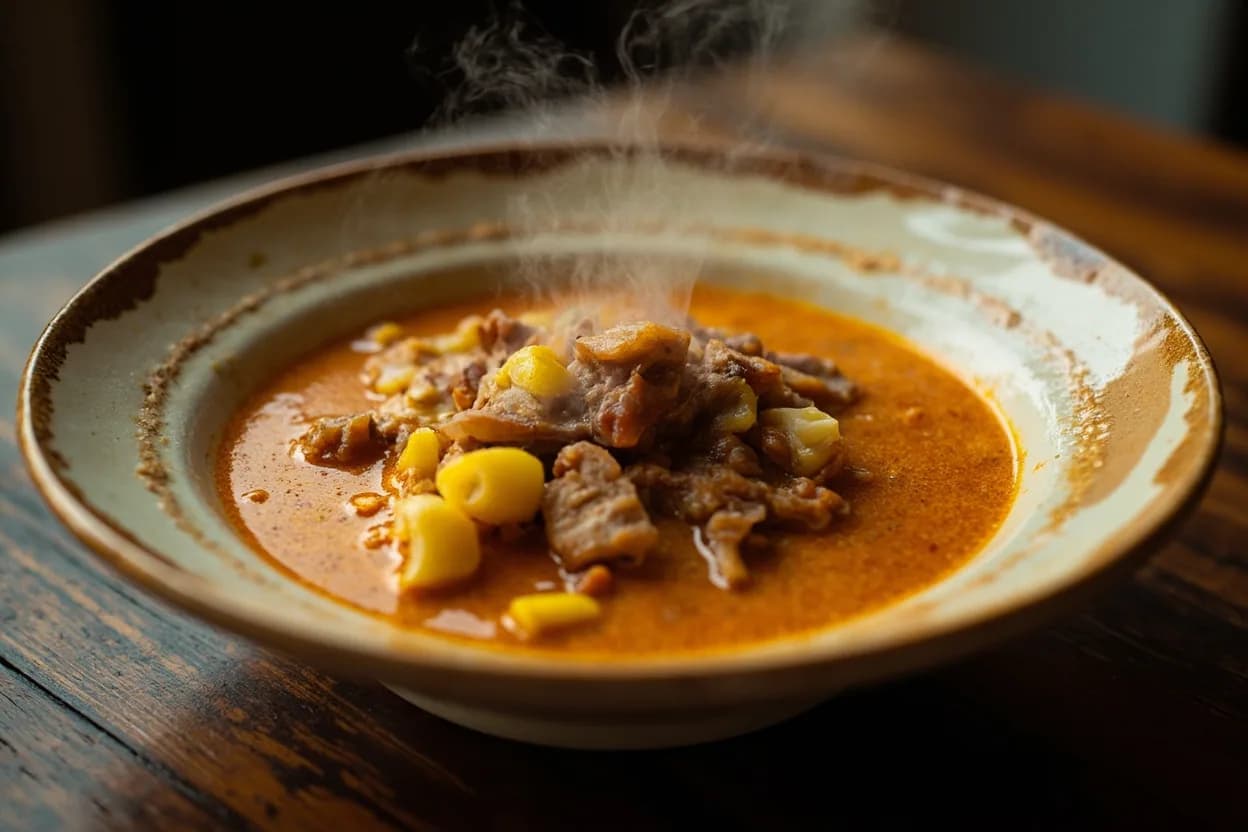
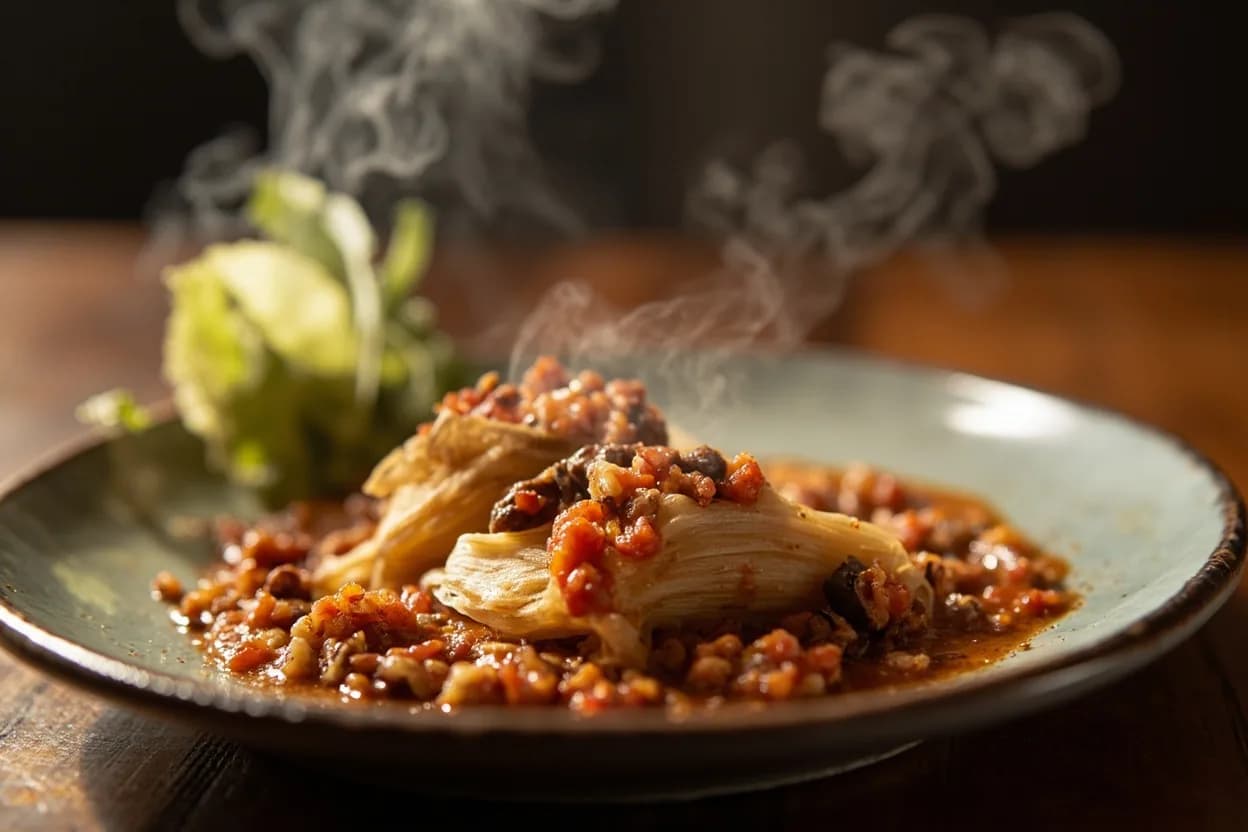
Dishes that rely on it
Related

Confit
Cook slowly submerged in fat for silky tenderness and keeping

Cure
Draw out moisture with salt and time to preserve and concentrate

Pickle
Steep in acidic brine for bright, tangy, crunchy preservation

Ferment
Let friendly microbes transform food into tangy, complex flavor

Marinate
Soak in a seasoned mix to flavor and tenderize before cooking

Brine
Soak in salt water so meat stays juicy and seasoned throughout

Dehydrate
Slowly dry out moisture to concentrate flavor and extend shelf life

Cold-Smoke
Perfume cured food with smoke without cooking it through