Knife Skills
Shaving
Cutting paper-thin sheets or curls off a firm food with a blade or slicer.
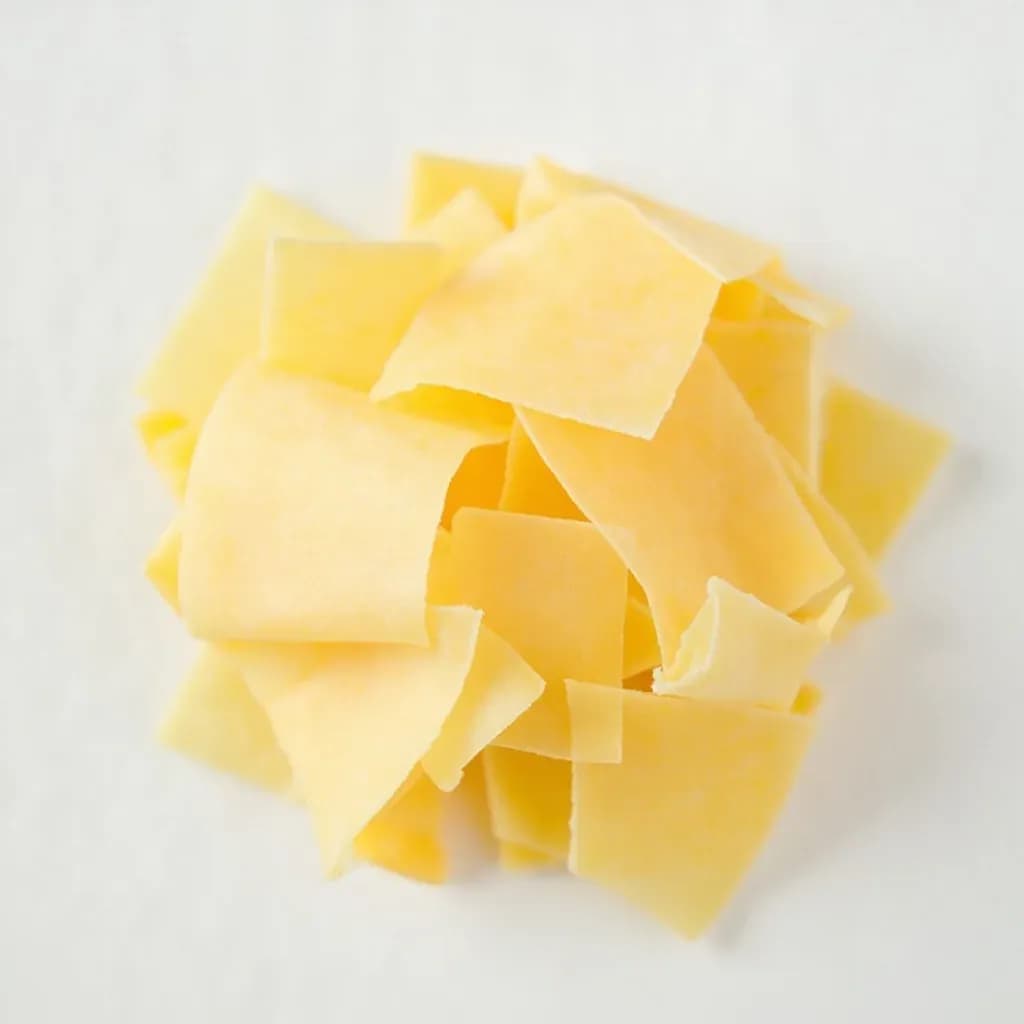
Shaving slices food into translucent, paper-thin sheets or curls, typically with a sharp knife, mandoline, peeler, or truffle slicer. It's used for finishing touches like ribbons of bottarga, lardo, hard cheese, or truffle that melt or drape over a dish. The extreme thinness changes the texture entirely, letting intense ingredients dissolve on the tongue rather than chew.
Shaving is the practice of removing paper-thin sheets or delicate curls from a firm food with a blade, peeler, or specialty slicer. It produces pieces thinner than a slice but more defined than a grate, often under a millimeter thick, and its purpose is less about portioning than about aroma, surface area, and visual texture. A few grams of truffle shaved over pasta can scent the whole bowl; a curl of Parmesan laid on hot soup melts on contact; a ribbon of zucchini wraps neatly around a filling in place of pasta. The behavior of the cut depends on three variables working together: the food must be firm and cold so the edge passes through cleanly rather than dragging or smearing, the blade must be sharp enough to glide without pressure, and the angle must be shallow so the cut is a slice across the surface, not a dig into it. In a professional kitchen the term is most closely tied to truffle work and Parmesan curls; at home it usually means chocolate garnish and vegetable ribbons pulled with a Y-peeler.
- Difficulty
- Medium
Types & varieties
Hard aged cheeses such as Parmigiano-Reggiano, Grana Padano, Pecorino Romano, aged Gouda, and Manchego. A Y-peeler or cheese plane makes curls; a knife makes chips.
Whole fresh truffles sliced paper-thin with a dedicated truffle slicer or mandoline, usually tableside over pasta, eggs, or risotto.
Bars of dark, milk, or white chocolate scraped with a vegetable peeler or shaved with a knife for dessert garnish or hot drinks.
Long ribbons or sheets pulled from carrots, zucchini, cucumber, asparagus, radish, or kohlrabi with a peeler, used raw in salads or as wraps.
Cold blocks of butter shaved into thin curls with a cheese plane or peeler to finish vegetables, steaks, or pastry.
Firm specimens such as king oyster or porcini sliced thin with a mandoline or sharp knife for raw carpaccio.
Prosciutto, jamón, or bresaola cut almost paper-thin by hand with a long thin knife or by machine.
Cloves sliced paper-thin with a knife for quick sautéing without burning; a microplane produces a finer, paste-like texture that behaves differently in the pan.
How to do it
- 1
Select and prepare the food
Choose a firm, dry item such as a wedge of aged cheese, a whole truffle, a chocolate bar, or a straight vegetable. Chill it until firm; 15 to 30 minutes in the freezer speeds clean shavings for cheese and chocolate and makes truffles easier to slice without crumbling.
- 2
Choose the right tool
Use a Y-peeler for cheese and chocolate curls, a straight or adjustable truffle slicer for truffles, a mandoline set to its thinnest setting for uniform vegetable sheets, and a sharp chef's or paring knife when a peeler will not reach, such as a curved mushroom or a large round.
- 3
Secure the food
Anchor the item on a stable board with your non-dominant hand curled into a claw, fingertips tucked behind the knuckle. For round vegetables and whole truffles, cut a flat side first so the piece sits without rolling.
- 4
Set the angle
Hold the blade almost parallel to the surface for the thinnest, most translucent shave. Raise the leading edge by roughly 10 to 20 degrees if you want a thicker curl or chip.
- 5
Take the shave
Pull the blade across the food in one long, smooth stroke. Do not saw. Let the tool's sharpness do the work; pressure should be light, almost like peeling a label off a jar.
- 6
Catch or direct the shavings
Shave directly over the serving dish, a sheet pan, or a sheet of parchment so the fragile pieces do not have to be moved again. For tableside work, shave over the plate just before serving to preserve aroma.
- 7
Repeat and store
Continue in overlapping strokes, rotating the food as the shaved face widens. Use truffle shavings within minutes, transfer cheese and chocolate to an airtight container and refrigerate for a few hours at most, and keep vegetable ribbons in cold water with a damp towel if you must hold them.
Choosing the right tool
Tool choice matters more than knife skill. A peeler works best on long, flat surfaces like a wedge of cheese or a bar of chocolate because it pulls a continuous ribbon. A mandoline set to its thinnest setting is the right answer when uniformity matters, especially for vegetable sheets or truffle rounds. A truffle slicer is essentially a horizontal mandoline with a fine adjustment, designed so the truffle does not need to be braced against a moving blade. A plane-style cheese shaver is the traditional tool for Parmesan curls and excels on hard, dry cheeses. Reach for a sharp knife when the food is curved, like a mushroom cap, or when you want chips rather than ribbons.
- Y-peeler: cheese curls, chocolate curls, vegetable ribbons
- Straight or adjustable truffle slicer: truffles and other small round items
- Mandoline, thinnest setting: uniform vegetable sheets, mushroom carpaccio
- Cheese plane: traditional Parmesan and other hard aged cheeses
- Sharp chef's or paring knife: curved items, chips, and any case where a peeler will not reach
Temperature and grip
Cold is non-negotiable for most shavings. A wedge of Parmesan left at room temperature smears and tears no matter how sharp the peeler; the same wedge after 20 minutes in the freezer gives clean, brittle curls. Chocolate behaves the same way, which is why pastry kitchens often chill bars before garnishing. For round vegetables, cut a flat side first so the item sits flush on the board. Brace with your non-dominant hand in a claw, fingertips tucked behind the knuckle, and let the tool do the work. Pressure is the enemy of a clean shave; if you have to push, the blade is not sharp enough or the food is not cold enough.
Common uses
Tips & pitfalls
- Chill the food thoroughly. Cold Parmesan or a cold truffle shaves cleanly; the same items at room temperature smear and tear.
- Match the tool to the food. A peeler on a truffle is frustrating, a truffle slicer on a wedge of cheese is overkill, and a dull knife ruins every food in this category.
- Hold the blade at a shallow angle, almost flat, for the thinnest results. Lift the leading edge slightly for thicker curls or chips.
- Shave over the finished dish, a sheet pan, or parchment. Shavings are fragile and stick to the first surface they touch, so moving them after the fact usually breaks them.
- Work in long, smooth strokes. Sawing tears delicate items like truffles and shreds soft cheese.
- For Parmesan curls, shave along the long side of the wedge to get the largest, most photogenic ribbons. Shaving across the short side produces small chips better suited to a garnish sprinkle.
- Clean and dry the blade between passes. Moisture causes chocolate to clump and cheese to drag.
- Time the shave to service. Truffle aroma peaks for only 10 to 15 minutes after cutting, so do not shave until the dish is plated and ready to be eaten.
Good to know
- Typical thickness
- Under 1 mm for most shavings; truffle slices are often 0.2–0.5 mm.
- Food state required
- Firm and thoroughly chilled. Soft or warm items tear, drag, or smear under the blade.
- Common tools
- Y-peeler, swivel peeler, straight vegetable peeler, truffle slicer, mandoline on its thinnest setting, sharp chef's or paring knife, plane-style cheese shaver.
- Difficulty
- Beginner to intermediate. Success depends more on tool choice and food temperature than on knife skill.
- Flavor efficiency
- Very high. A small amount of product releases disproportionate aroma and coverage.
- Aroma window
- Truffle shavings peak for 10–15 minutes after cutting; cheese and chocolate hold longer but also benefit from same-day use.
- Origin
- Long-standing European technique; truffle shaving entrenched in French and Italian fine dining from the 19th century; chocolate shavings as garnish appear in 19th-century patisserie.
- Position in cut hierarchy
- Thinner than a slice, more defined than a grate. Best chosen when you want presence on the plate, not just incorporation.
Also called
Shaving (Bottarga/Lardo) · Shaving Spit Meat
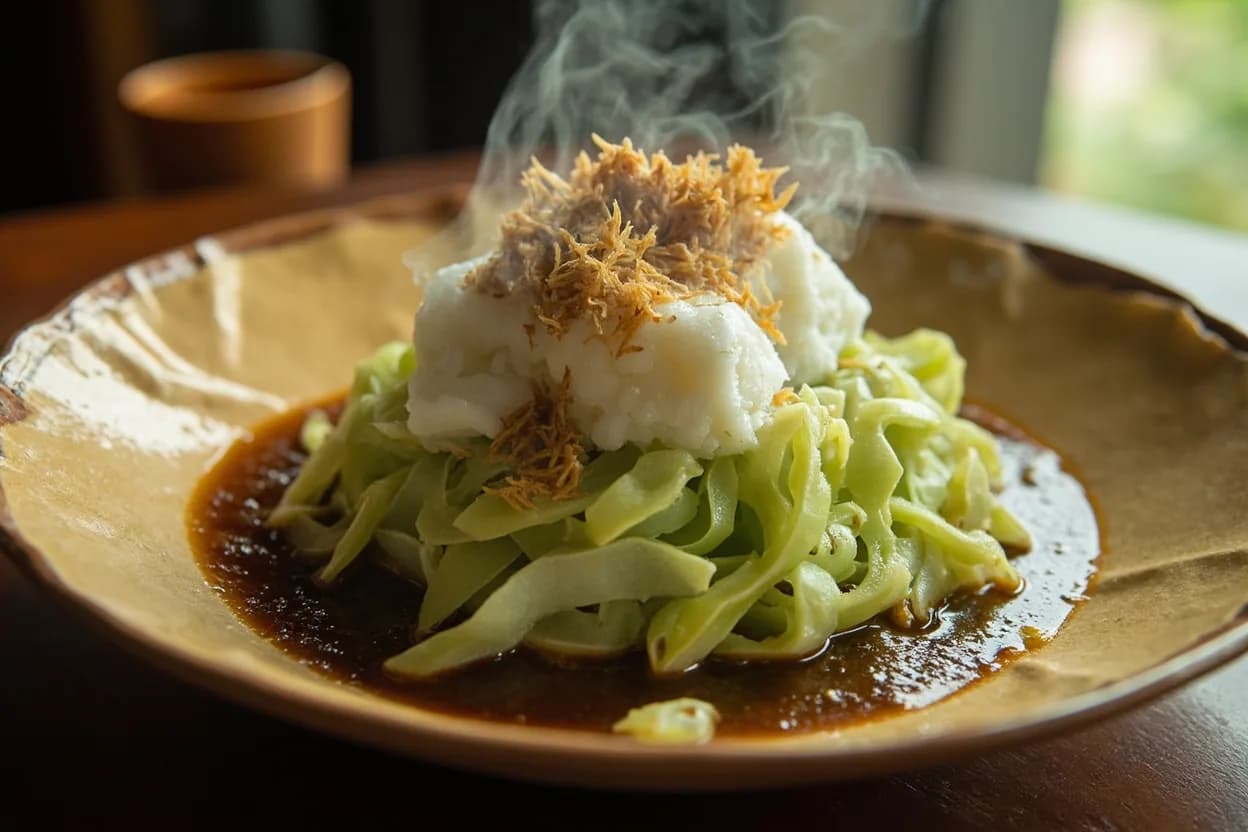
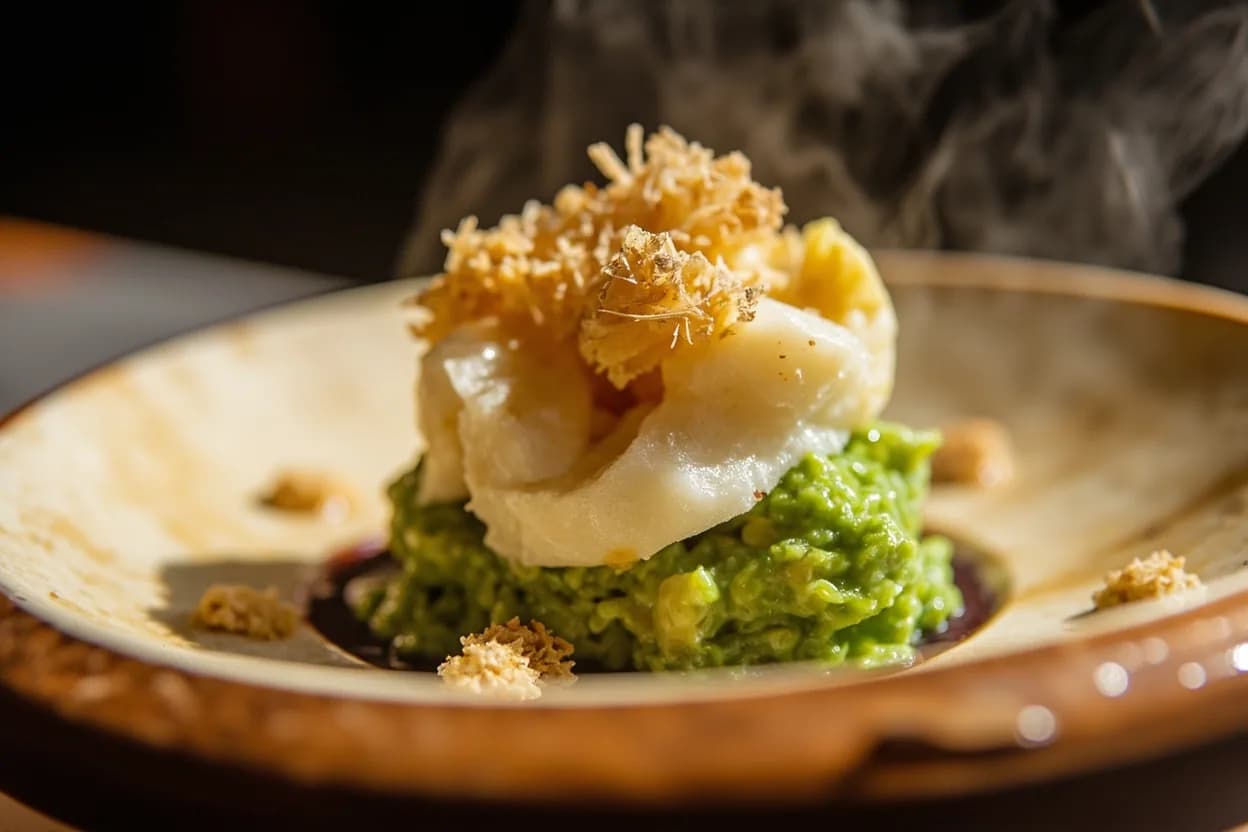
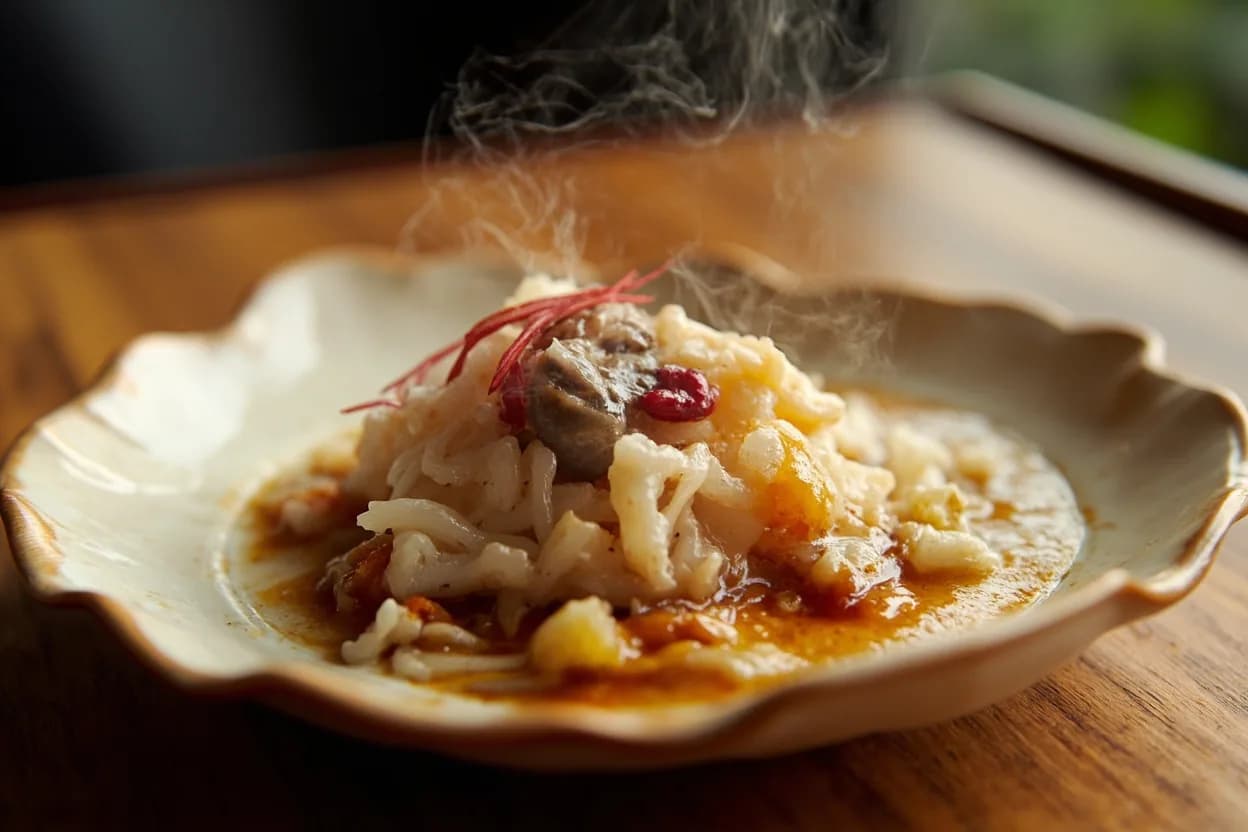
Dishes that rely on it


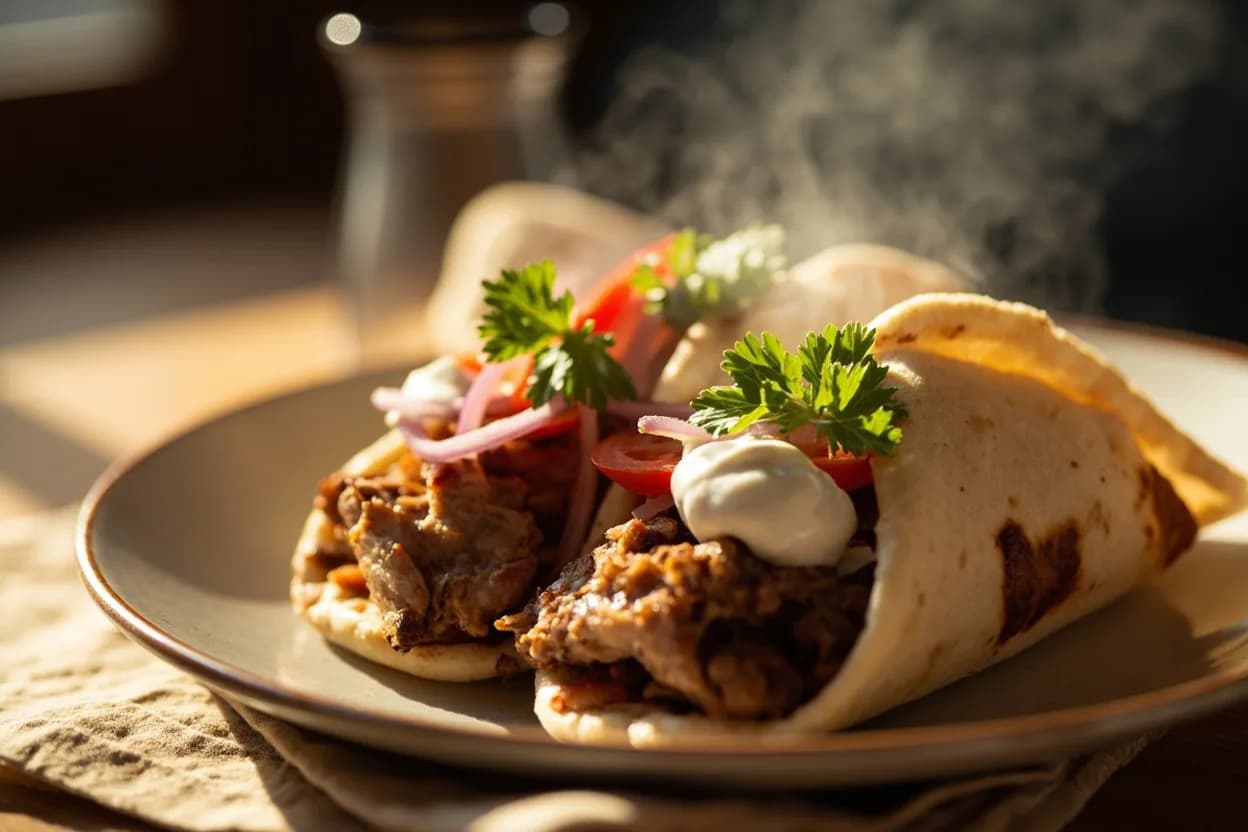
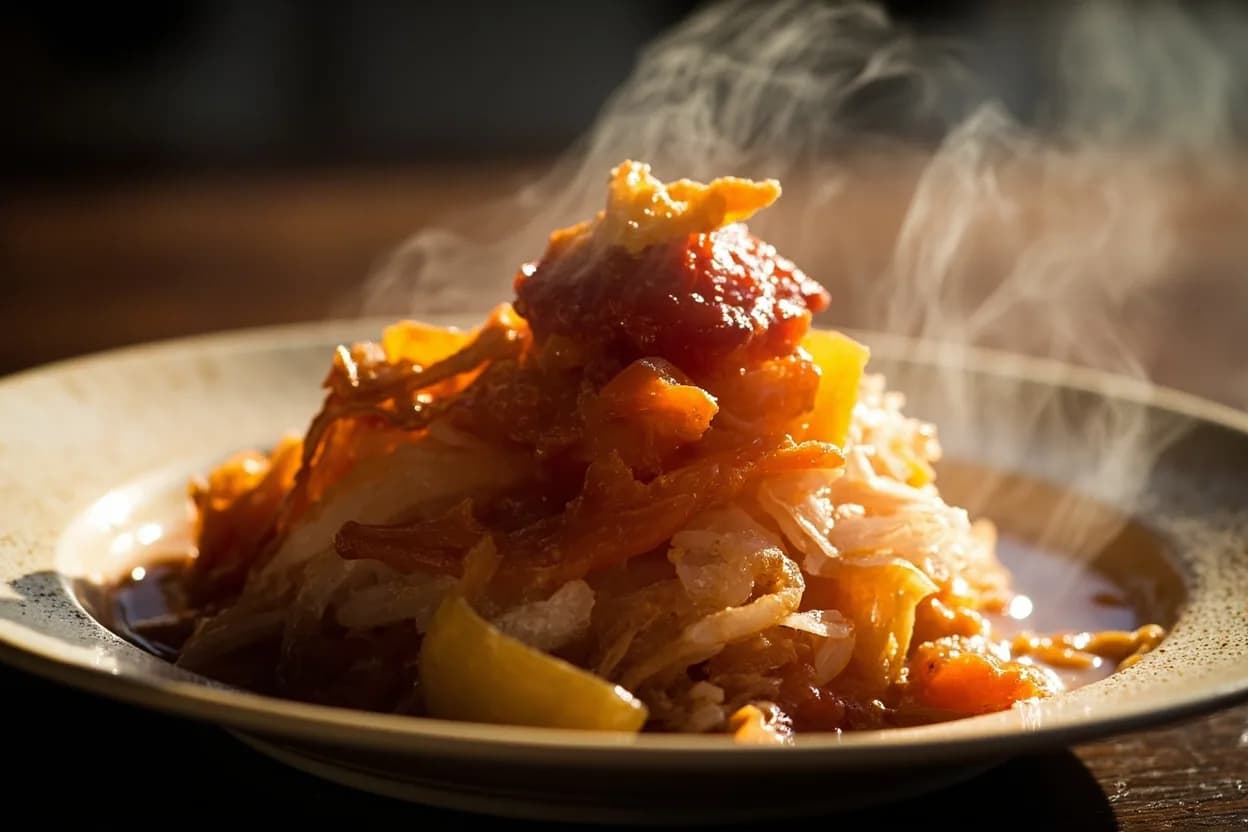
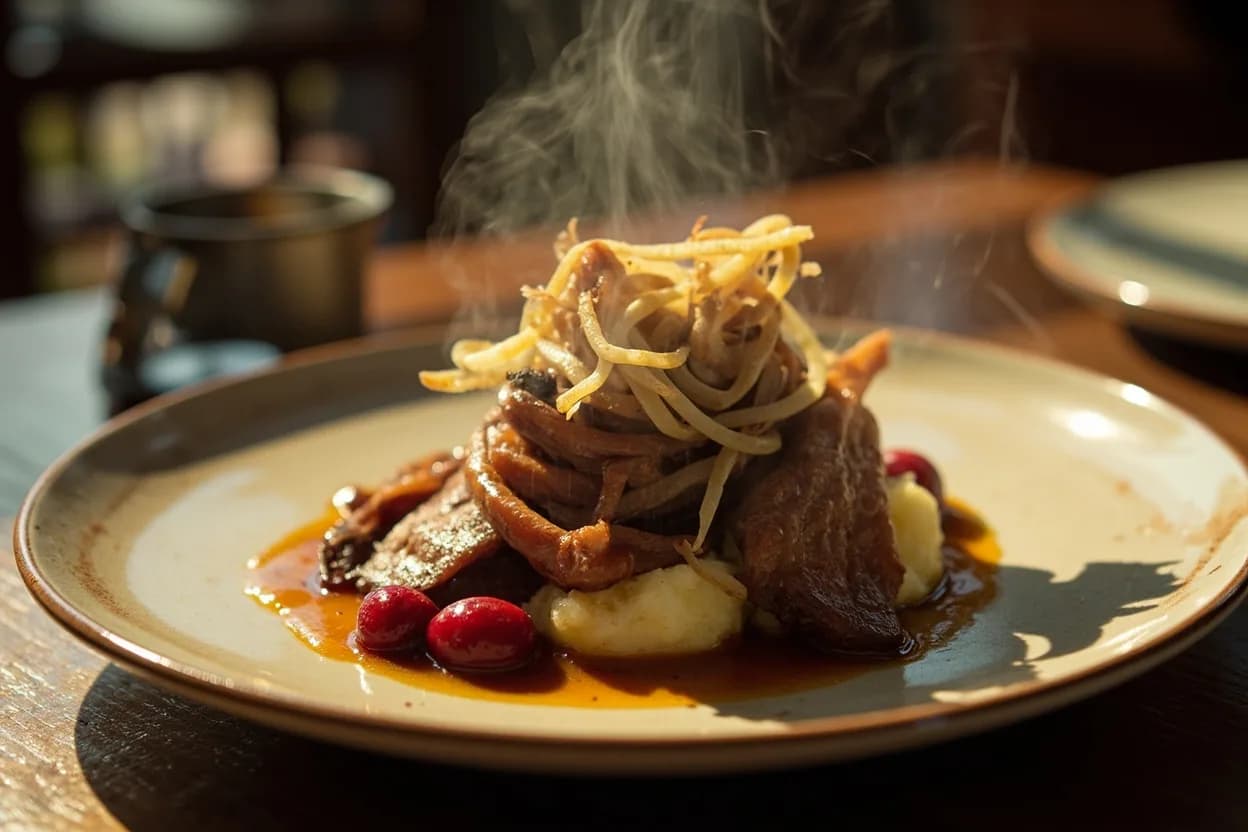
Related

Chop
Cut into rough, irregular pieces — the everyday workhorse cut

Dice
Cut into uniform cubes for even cooking and a tidy look

Mince
Cut as fine as possible so flavor melts evenly into the dish

Slice
Cut into even, flat pieces for consistent cooking and presentation

Julienne
Cut into thin matchsticks for fast cooking and elegant garnish

Brunoise
Cut into tiny, precise cubes — the finest dice in the kitchen

Chiffonade
Roll and slice leafy greens into delicate ribbons

Batonnet
Cut into tidy sticks, thicker than julienne — think classic fries