Transform & Preserve
Agrodolce (Sweet-and-Sour Cooking)
Building an Italian sweet-and-sour balance by reducing sugar and vinegar into a glossy glaze.
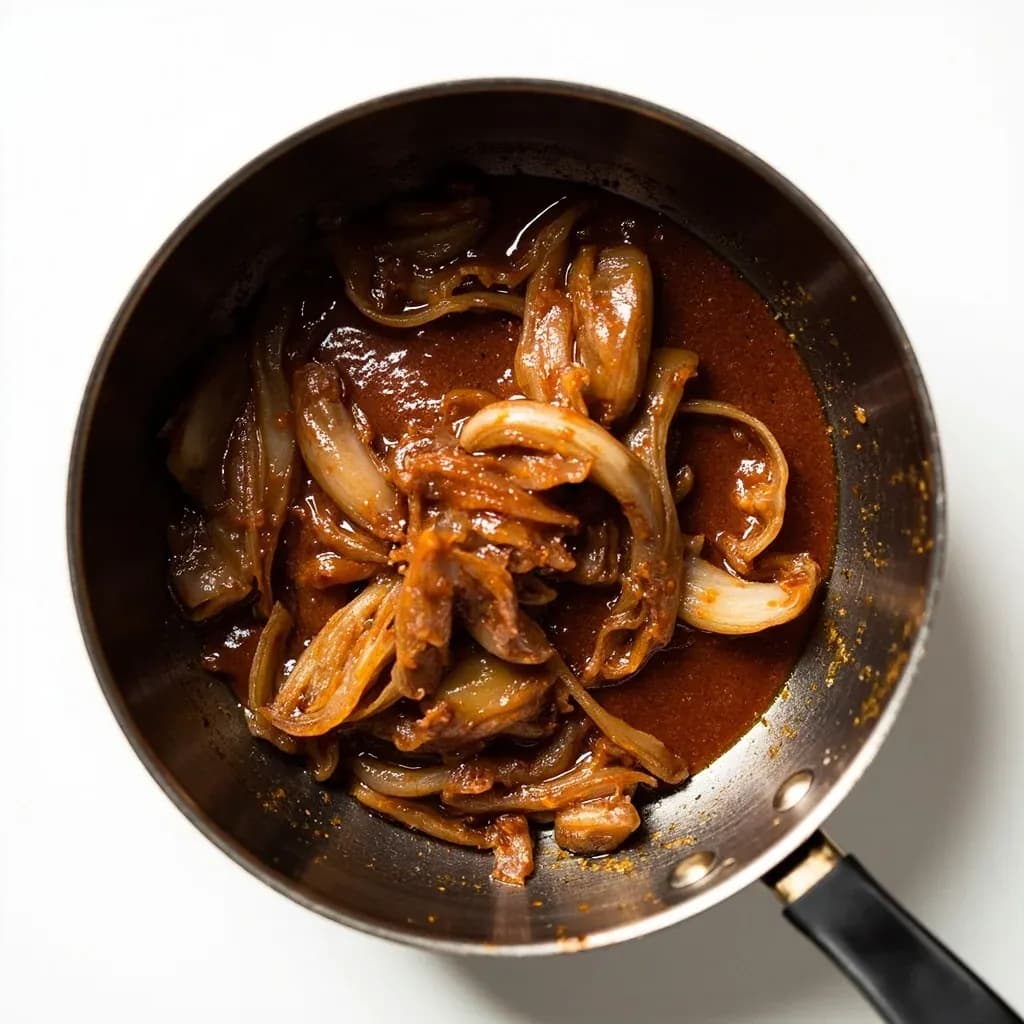
Agrodolce is the Italian technique of balancing sweet and sour, usually by reducing vinegar with sugar or honey into a syrupy sauce that dresses vegetables, meats, or fish. The name literally means sour-sweet, and the reduction is often deepened with raisins, onions, or aromatics. It both flavors and lightly preserves, as in caponata or sweet-and-sour cipollini onions.
Agrodolce is the Italian cook's tool for landing any dish on the bright, balanced edge between fat and acid. At its core it is nothing more than vinegar and sugar reduced together until they become a glossy, lightly syrupy liquid that coats whatever it meets — but in that simplicity lies an enormous range. The same pot of agrodolce can be a quick finishing drizzle for grilled radicchio, the braising liquid that softens a hunk of pork shoulder over two hours, or a cold condiment spooned next to a wedge of pecorino fresco. What you are really doing when you build an agrodolce is engineering contrast: the sugar rounds out the sharp bite of the vinegar, the vinegar cuts through richness, and a pinch of salt at the end ties the whole thing into a single, coherent flavor.
The technique rewards cooks who taste as they go rather than measuring. Vinegars vary wildly in acidity and sweetness — a sharp young wine vinegar will need more sugar and more reduction than an aged balsamic that already reads as dessert — so a fixed recipe is less useful than an internal target: the sauce should cling to the back of a spoon, look like warm honey, and taste balanced enough that you could drink a spoonful on its own. Mostarda, Chinese sweet-and-sour, and British sweet-sour sauces share the same flavor family but reach it by different means; Italian agrodolce is uniquely thin and glossy, relying on reduction alone rather than a starch thickener, which is exactly why it works as both a cooking medium and a table condiment.
- Difficulty
- Easy
Types & varieties
Often built on tomato or wine with raisins, pine nuts, celery, and onion; the hallmark of caponata and pesce in agrodolce.
Onion- and wine-vinegar based, frequently with raisins; classic on fegato alla veneziana and baccalà.
Northern Italian relative using candied or preserved fruit and mustard essential oil; served with bollito misto.
Small pearl onions slowly cooked in the sweet-sour syrup; a classic contorno and antipasto.
Braised artichokes finished in a vinegar-sugar reduction, often with mint and parsley.
Modern variation using aged balsamic as both the acid and a portion of the sweetness, requiring less added sugar.
Honey replaces refined sugar for a more floral profile; common in Sardinian and Tuscan preparations.
How to do it
- 1
Choose your acid and sweetener
Select the vinegar (red or white wine vinegar, sherry vinegar, aged balsamic, or a blend) and sweetener (white sugar, brown sugar, honey, or a mix). A 2:1 vinegar-to-sugar volume ratio is a workable starting point, but taste and adjust — softer or aged vinegars need less sugar than sharp young ones.
- 2
Build an aromatic base (optional but recommended)
Sweat thinly sliced onion or shallot in a tablespoon of olive oil over medium-low heat until soft and translucent, about 5–7 minutes. Add garlic, a bay leaf, a few peppercorns, a small cinnamon stick, or a strip of lemon zest as desired; cook 1 minute more to release their flavors into the fat.
- 3
Deglaze and reduce the acid
Pour in the vinegar (and a splash of wine, stock, or fruit juice if using). Simmer gently until the liquid reduces by roughly one-third and the harsh raw-acid edge softens, about 3–5 minutes. This concentration step is what gives the finished agrodolce its depth.
- 4
Add the sweetener
Stir in the sugar or honey and bring back to a low simmer. Dissolve fully before moving on; undissolved sugar crystals will seize and grit at higher heat.
- 5
Reduce to the right texture
Simmer until the sauce coats the back of a spoon — lightly syrupy and glossy, usually 5–10 minutes depending on volume. It should flow slowly when the spoon is tilted, not run like water and not pull into a stiff thread.
- 6
Season and adjust
Add a pinch of salt, taste, and rebalance. More vinegar for brightness, more sugar for roundness, a splash of water if it tightens too much, or a small knob of butter whisked in off the heat for sheen and a silken mouthfeel.
- 7
Use as braise, glaze, or condiment
Toss with blanched or roasted vegetables, use as a cooking liquid for braised meat or fish, or strain and serve warm or at room temperature as a finishing sauce. The same pot of agrodolce can do all three in the same week.
Sicily and Venice, two takes on the same idea
The two regional poles of agrodolce tell you almost everything about how flexible the technique is. Sicilian agrodolce grew up under Arab and North African influence, where sugar, dried fruit, and pine nuts were everyday pantry items; the result is a richer, often tomato-based syrup that cloaks eggplant in caponata or sweet-sours a whole braised fish. Venetian agrodolce reflects the trade with the Levant: onion cooked soft as a base, wine vinegar for sharpness, a handful of raisins for body. Both versions rely on the same reduction logic, but the Sicilian leans sweet-spiced while the Venetian leans savory-bright. Knowing which one you are after — or which one your ingredients want — is half of cooking agrodolce well.
- Sicilian: tomato or wine base, raisins, pine nuts, celery, and onion.
- Venetian: sweated onion, wine vinegar, bay leaf, modest sweetener, occasional raisins.
- Both reduce to a glossy, nappe-like consistency; the difference is aromatics, not method.
How Italian agrodolce differs from other sweet-and-sour traditions
The Italian version is thinner and more transparent than its cousins abroad, because it relies on reduction alone rather than a starch thickener. That keeps the acidity bright and the texture slick, so the same liquid can finish a steak, glaze an onion, or pool under a piece of cheese. Recognizing what agrodolce is not helps you avoid the most common misstep: turning it into a syrupy glaze that flattens the dish rather than sharpening it.
- Chinese sweet-and-sour: built on Shaoxing wine, soy, ginger, and often ketchup or tomato paste; thickened, opaque, and far saltier.
- British sweet-sour sauces: typically flour- or cornstarch-thickened; used as gravies for pork or ham.
- Latin agridulce: closer to Italian agrodolce, often with fruit or chiles, used as a cooking and finishing liquid.
- Mostarda: same flavor family, but the fruit is left whole and a mustard-oil kick makes it a cold condiment for warm meats.
Choosing your acid
The single biggest decision is which vinegar to pour into the pot, because the vinegar determines both the flavor and how much sugar you will need. Tasting the vinegar before you start — really tasting it — is the habit that separates cooks who make flat agrodolce from cooks who make vivid ones.
- Red wine vinegar: classic, sharp, assertive; needs full sugar reduction to feel balanced.
- White wine vinegar: lighter and more neutral; a good clean base for fish or vegetables.
- Sherry vinegar: nutty and already a little sweet; use less sugar.
- Aged balsamic: dessert-like on its own; reduce gently and consider skipping added sugar entirely for a finishing drizzle.
- Apple cider or fruit vinegars: welcome in modern agrodolce, especially with pork or autumn fruit.
Common uses
Tips & pitfalls
- Taste the vinegar before you start: cheap or harsh wine vinegar will dominate the finished sauce, while a good balsamic or sherry needs far less added sugar.
- Reduce the vinegar by about one-third before adding sugar — this concentrates the acid flavor and prevents a thin, watery glaze.
- Aim for syrupy, not caramelized. Once sugar is in the pan, stop reducing the moment the sauce coats the spoon; further reduction turns it into candy.
- Salt is essential. A pinch at the end ties sweet and sour together and prevents the sauce from tasting flat or syrupy.
- Add a knob of butter off the heat for a silken, restaurant-style finish and a little extra gloss.
- Build complexity with aromatics, but keep them restrained: a single bay leaf, a few peppercorns, or a strip of lemon peel is often enough to carry the dish.
- If the glaze breaks or seizes while cooling, rewarm gently with a splash of water or stock and whisk — it will re-emulsify.
- Don't overcrowd the pan when glazing vegetables; the pieces will steam in the liquid rather than coat and reduce properly.
- Pair with herbs that tolerate acidity: bay, sage, rosemary, thyme, and mint are reliable; delicate herbs like basil are best added at the very end or as a raw garnish.
Good to know
- Origin
- Italy, with strong regional traditions in Sicily (Arab-influenced) and Venice (Levantine trade influences)
- Etymology
- Italian 'agro' (sour) + 'dolce' (sweet)
- Core components
- Vinegar (wine, balsamic, or sherry) reduced with sugar or honey to a glossy syrup
- Texture target
- Coats the back of a spoon; nappe-like, glossy, not watery and not caramelized
- Typical ratio
- Roughly 2:1 vinegar to sugar by volume, adjusted to taste and intended use
- Common additions
- Onion, garlic, bay leaf, raisins, pine nuts, cinnamon, clove, citrus zest, reduced wine
- Best for
- Braising meats, glazing vegetables, finishing fish, balancing rich or oily dishes
- Active time
- 10–20 minutes for the reduction itself; longer when used as a braising medium
- Difficulty
- Easy to intermediate — forgiving but requires tasting and adjusting
- Storage
- Keeps refrigerated in a sealed jar for 2–3 weeks; freezes well for several months
Also called
Sweet and Sour · Sweet-Sour Reduction
Dishes that rely on it
Related

Confit
Cook slowly submerged in fat for silky tenderness and keeping

Cure
Draw out moisture with salt and time to preserve and concentrate

Pickle
Steep in acidic brine for bright, tangy, crunchy preservation

Ferment
Let friendly microbes transform food into tangy, complex flavor

Marinate
Soak in a seasoned mix to flavor and tenderize before cooking

Brine
Soak in salt water so meat stays juicy and seasoned throughout

Dehydrate
Slowly dry out moisture to concentrate flavor and extend shelf life

Cold-Smoke
Perfume cured food with smoke without cooking it through