Transform & Preserve
Tare Building
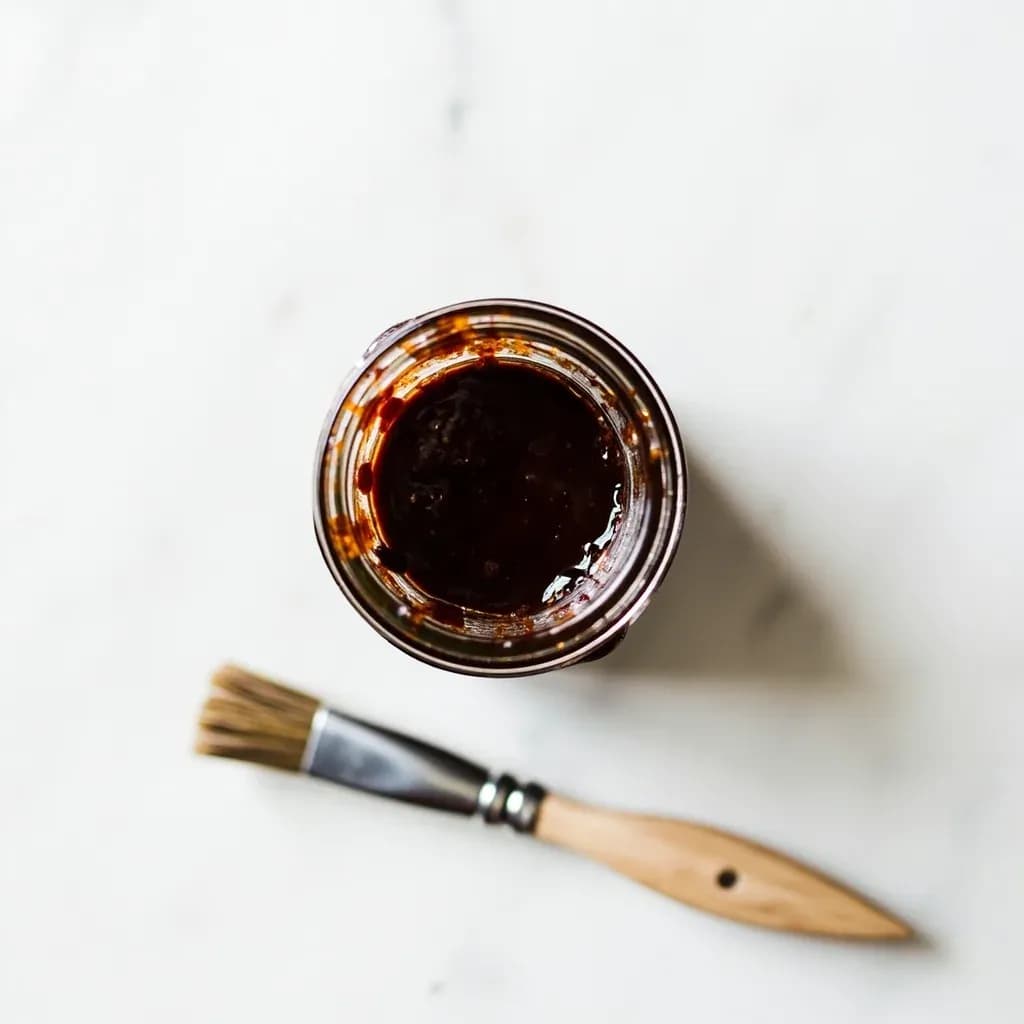
Layering and reducing soy, mirin, and aromatics into a concentrated seasoning base.
Tare building is the Japanese craft of simmering and concentrating soy sauce, mirin, sake, and aromatics into a deeply savory seasoning base used for ramen, yakitori, and glazes. Many cooks keep a perpetual tare, repeatedly topping it up and reducing it so flavor deepens over time. The balance of salt, sweetness, and umami defines a shop's signature taste.
Tare is the concentrated seasoning backbone of much of Japanese cooking, a few spoonfuls of which can carry an entire bowl of noodles, a glaze of grilled meat, or a dip for raw vegetables. Building it is a technique as much as a recipe: you layer salty, sweet, and umami elements, hold them at a bare simmer, and reduce until the liquid coats a spoon and reads richer on the tongue. The reward for this patience is a seasoning base that can be measured into dishes by the tablespoon, giving the cook repeatable, deep flavor without rebuilding a sauce from scratch each night.
The discipline rests on three pillars that the cook tastes and adjusts deliberately. Salt comes from soy sauce (in shoyu and miso styles) or sea salt (in shio style); sweetness from mirin and sugar; umami from soy itself and from steeped dashi elements like kombu, dried shiitake, bonito, and miso. A tare that is too sharp usually needs a teaspoon more mirin, a tare that tastes heavy lifts with a splash of sake, and a flat tare usually needs more soy or a longer steep rather than more salt.
How a tare behaves is governed by the simmer, not the clock. A hard boil drives off the volatile aromatics of sake and mirin and scorches sugar against the pan; a gentle hold concentrates flavor while keeping the sauce glossy. Most tares are reduced by one-third to one-half, strained, and stored cold, ready to be measured into broth, brushed onto skewers, or whisked into a marinade. Once the framework is clear, regional and personal variations fall into place easily, from the sweet-savory warishita of Kanto sukiyaki to the deep, dashi-rich shoyu tare of Tokyo ramen.
- Difficulty
- Medium
Types & varieties
The most widespread style, built on koikuchi shoyu with mirin, sake, and aromatics. Used as ramen seasoning, sushi rice seasoning, and a base for dipping sauces.
Built on red or white miso (sometimes blended) with soy, mirin, and aromatics; the defining seasoning in miso ramen, whisked in off heat to preserve live cultures and aroma.
Lightest style, anchored on sea salt or a salt-koji infusion with kombu, niboshi, and aromatics; used in shio ramen and lighter dipping sauces.
Heavily reduced soy-mirin-sake-sugar glaze with kombu, bonito, and aromatics; brushed repeatedly onto grilled skewers to build lacquered flavor.
Thinner, fruit- or sesame-leaning dipping sauce often finished with grated daikon, garlic, or sesame; rarely reduced hard.
Sweet-savory simmered sauce of soy, mirin, sake, and sugar in roughly equal-weight proportions; cooked at the table with sukiyaki.
Lighter soy-dashi-mirin concentrate used for soba, udon, and tempura dipping; usually more dashi-forward and less reduced than ramen tare.
A diluted, often sweeter tare used to flavor soft-boiled ramen eggs; sometimes the same pot as ramen tare with extra mirin and water.
How to do it
- 1
Choose the flavor anchor
Decide on the tare style first: shoyu, miso, or shio. This sets the salt source and determines whether the base will be reduced hard (yakitori, ramen) or kept thin (yakiniku, dipping).
- 2
Measure the liquid trio
Combine koikuchi shoyu, mirin, and sake in roughly equal parts as a starting template, then adjust by style. Add 1 to 2 tablespoons of sugar per cup of liquid for ramen and yakitori; leave sugar low for dipping-style tares.
- 3
Prep the aromatics
Slice ginger, smash garlic, cut scallion whites, and gather dried spices such as star anise or dried chili. Soak kombu and dried shiitake in cold water for 20 to 30 minutes if using, reserving the soaking liquid as a bonus dashi boost.
- 4
Toast aromatics (optional)
Warm a heavy saucepan over low heat, add a teaspoon of neutral oil, and gently toast garlic, ginger, and dry spices for 30 to 60 seconds until fragrant. This step adds a roasted depth that skipping leaves on the table.
- 5
Combine and bring to a bare simmer
Pour in the soy-mirin-sake mixture (plus the kombu and shiitake soaking liquid if using) and add the kombu, shiitake, scallion whites, and whole spices. Heat slowly and hold at the smallest visible simmer; do not let it boil.
- 6
Skim, then reduce
Skim any gray foam in the first 5 minutes. Simmer uncovered for 20 to 40 minutes, depending on the target concentration, until the tare lightly coats a spoon and tastes glossier and saltier than the starting liquid.
- 7
Adjust balance
Taste on a small spoon, cooled slightly. Add sugar to round harshness, a splash of sake to lift weight, or a few drops of soy to sharpen. Miso-based tares are whisked in off heat at this stage to preserve live cultures and aroma.
- 8
Strain and clarify
Pull the kombu before the final 10 minutes; remove aromatics and spices. Strain through a fine-mesh sieve, then optionally through a coffee filter or layered muslin for a clear tare suitable for clear broths.
- 9
Cool and store
Cool to room temperature in a glass or stainless container, then transfer to a clean glass bottle or jar. Refrigerate and use within 4 to 8 weeks, or freeze in small portions for several months.
- 10
Use and refresh
Measure tare by the tablespoon or milliliter when seasoning broth, rice, or marinades. Replenish by topping the jar with a fresh batch of the same proportions; the older tare acts as a starter, deepening the next round.
The three pillars of balance
Tare building is governed by three axes the cook can taste and adjust at any point in the simmer. Salt comes from soy sauce in shoyu and miso styles, or from sea salt or salt koji in shio style; it is the loudest flavor and the easiest to overdo. Sweetness from mirin and sugar softens the salt, rounds sharp edges, and helps a glaze caramelize on grilled foods. Umami, the savory depth, comes from the soy itself and from steeped dashi elements: kombu for glutamates, dried shiitake for guanylates, bonito and niboshi for inosinates, and miso for a fermented, rounded note. The pillars are tasted on a small spoon, slightly cooled, and rebalanced deliberately rather than guessed at from the recipe card.
- A teaspoon more mirin softens a harsh or salty tare.
- A splash of sake lifts weight and reopens the aromatics after a long reduction.
- A pinch of sugar rounds sharp soy without making the tare taste sweet.
- Miso is whisked in off heat to preserve live cultures and bright aroma.
Reduction behavior and how to read it
Most tares are reduced by one-third to one-half, but the cook's job is to taste the finish, not to time it. The right endpoint is when the tare lightly coats the back of a spoon, looks glossier than the starting liquid, and reads noticeably saltier and rounder in the mouth. Over-reduction flattens aromatics, drives the sauce toward syrup, and makes it harder to dilute back into broth without losing the gloss. A useful habit is to reserve a small amount of un-reduced base before simmering; it can be used to adjust finished dishes or to soften a batch that has gone too far.
- Stop the simmer when a spoon drawn through the tare leaves a brief, clear trail.
- If the tare tightens on cooling, thin it with a little sake, water, or dashi when using.
- Skim surface foam in the first 5 minutes to keep the finished sauce clear and clean.
- Strain through a fine mesh, then optionally a coffee filter or muslin, for a tare that will not cloud a clear broth.
Storage, refresh, and reuse
Tare is one of the most useful ingredients to keep on a refrigerator shelf because a small jar, used by the spoonful, can season a week of cooking. Cool it fully before bottling, since warm tare in a closed jar can sour quickly and may crack glass from thermal shock. A clean glass bottle or jar with a tight lid keeps most tares four to eight weeks refrigerated; miso- and alcohol-rich tares last several months. The spent aromatics and dashi trimmings from one batch are worth simmering again with a fresh round of liquids to make a lighter second-pass tare for vegetables or rice.
- Cool completely, then transfer to a clean glass jar or bottle; never seal hot.
- Freeze in ice cube trays for portioned use, popping cubes into broths and marinades.
- Top up an older jar with a fresh batch of the same proportions; the older tare acts as a starter, deepening the next round.
- Reuse spent kombu, shiitake, and aromatics in a second, lighter tare for vegetables or rice.
Common uses
Tips & pitfalls
- Simmer, never boil: a hard boil drives off mirin and sake aromatics, dulls sweetness, and can scorch sugars against the pan.
- Toast dry aromatics like garlic, ginger, and dried chili in a drop of oil before adding liquid; this deepens the base without bitterness.
- Add kombu and dried shiitake at the start and remove before the final 10 minutes; overcooking kombu turns it slimy and grassy.
- Skim surface foam early; it carries proteins and harsh notes that muddy the finished sauce.
- Reduce by taste, not by clock: stop when the tare coats the back of a spoon and reads saltier and glossier than the starting liquid.
- Strain through a fine mesh, then optionally a coffee filter or muslin, for a clear tare that will not cloud a clear broth.
- Reserve some un-reduced base to adjust finished dishes; over-reduced tare is hard to rescue without diluting flavor.
- Cool fully before bottling; warm tare in a closed jar can sour quickly and may crack glass if sealed hot.
Good to know
- Origin
- Japan; the word tare (垂れ/タレ) refers to a concentrated seasoning sauce used as a flavor base or glaze.
- Function
- Acts as the seasoning backbone in many Japanese dishes, carrying salt, sweetness, umami, and aromatics in a single concentrated liquid measured in by the spoonful.
- Core liquids
- Soy sauce (koikuchi shoyu), mirin, and sake form the classic trio; sugar balances salt, and aromatics add depth.
- Pillars of balance
- Salty (soy or salt), sweet (mirin and sugar), and umami (soy, dried shiitake, bonito, kombu, miso) are the three axes to taste and adjust throughout the build.
- Reduction target
- Typically reduced by roughly one-third to one-half to concentrate flavor without becoming syrupy, sticky, or bitter.
- Simmer temperature
- Held at a bare simmer, never a rolling boil, to preserve alcohol aromatics from sake and mirin and to avoid scorching sugars.
- Yield and time
- Roughly 1 to 2 cups of finished tare from 2 to 3 cups of starting liquid; 10 to 20 minutes of prep plus 20 to 45 minutes of simmering.
- Storage
- Refrigerated in a clean glass jar or bottle, often keeps 4 to 8 weeks; freezes well in ice cube trays or small containers for several months.
Also called
Making Tare · Ramen Tare
Related

Confit
Cook slowly submerged in fat for silky tenderness and keeping

Cure
Draw out moisture with salt and time to preserve and concentrate

Pickle
Steep in acidic brine for bright, tangy, crunchy preservation

Ferment
Let friendly microbes transform food into tangy, complex flavor

Marinate
Soak in a seasoned mix to flavor and tenderize before cooking

Brine
Soak in salt water so meat stays juicy and seasoned throughout

Dehydrate
Slowly dry out moisture to concentrate flavor and extend shelf life

Cold-Smoke
Perfume cured food with smoke without cooking it through