Transform & Preserve
Mold Inoculation
Introducing beneficial molds or cultures to start a controlled fermentation.
Mold inoculation seeds a substrate with a chosen culture, such as Penicillium for blue and bloomy cheeses, Aspergillus oryzae (koji) for miso and sake, or starters for cured sausage. The culture is added by spraying, dusting, or mixing, then incubated under controlled humidity and temperature. The right strain and conditions steer flavor while crowding out unwanted microbes.
Mold inoculation is the deliberate seeding of a food with a known fungal culture so that a specific, predictable fermentation takes hold. It is not the same as letting mold happen — the cook selects the species, applies it in controlled amounts, and then shapes the environment (temperature, humidity, salt, oxygen) so the chosen organism beats back wild contaminants. The result is flavor, texture, and safety profiles that could not be reproduced reliably through spontaneous fermentation.
The technique underpins three of the world's great mold-driven foods: bloomy-rind and blue cheeses in Europe, koji-based ferments in East Asia, and tempeh in Indonesia, with a smaller supporting role on the surface of cured meats. Each is built on a particular fungus — Penicillium camemberti on Brie, P. roqueforti in Stilton, Aspergillus oryzae on steamed rice for sake and miso, Rhizopus oligosporus binding cooked soybeans — and each demands its own narrow window of temperature and humidity. Get those conditions right and the mold does the work; get them wrong and a faster, uglier competitor takes over.
In practice, inoculation is less about technique than about restraint: apply a small amount of culture evenly, keep everything clean, then leave the food alone while the mold colonizes. Modern producers buy freeze-dried powders, frozen suspensions, or pre-grown grain inoculum, but the underlying act — putting a chosen spore on a chosen substrate and giving it conditions it likes — has not changed in centuries.
- Difficulty
- Hard
Types & varieties
Penicillium camemberti, sometimes with P. candidum or Geotrichum candidum; forms the bloomy rind on Brie, Camembert, and similar cheeses.
Penicillium roqueforti for Roquefort, Stilton, and Danish Blue; P. glaucum for a milder, often Gorgonzola-style profile.
Aspergillus oryzae on steamed rice; base for sake, amazake, mirin, and many miso styles.
A. oryzae on steamed barley; used in certain miso and shoyu variants.
A. oryzae or A. sojae on cooked soybeans; a stage in traditional tamari and Chinese soy sauce.
Rhizopus oligosporus, sometimes blended with R. oryzae; binds cooked soybeans into a sliceable white cake.
Penicillium nalgiovense and P. candidum applied to salami, country ham, and saucisson to suppress spoilage and aid drying.
Commercial blends that combine Geotrichum candidum with P. camemberti to balance flavor, rind texture, and color.
How to do it
- 1
Prepare the substrate
Cook, pasteurize, or otherwise ready the base: milk for cheese, steamed grain for koji, cooked soybeans for tempeh, or a dried sausage surface for salami. Adjust moisture and salt where appropriate, and cool the substrate to the temperature the chosen culture requires.
- 2
Sanitize tools and the environment
Sterilize vessels, lids, and utensils, and wipe down work surfaces. Inoculation is a race between the chosen mold and any wild contaminants; a clean environment gives the culture the head start it needs.
- 3
Apply the mold culture
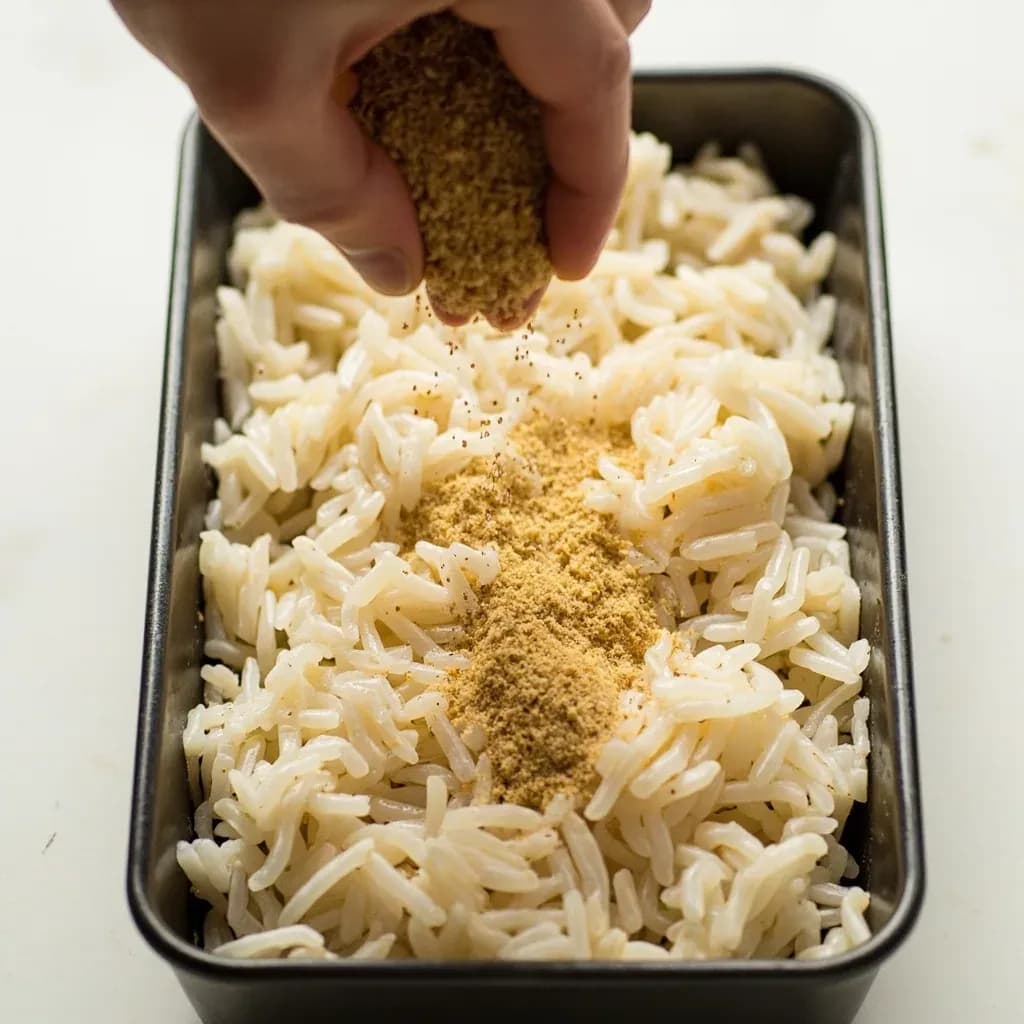
Distribute spores evenly over or through the substrate. Dust freeze-dried powder onto cheese curds during salting, sprinkle tane-koji onto steamed grain, mix tempeh starter into dehulled cooked soybeans, or wash or dip sausages in a spore suspension. Avoid clumping — uneven application produces patchy growth.
- 4
Control incubation conditions
Hold the inoculated substrate at the temperature and humidity the culture requires: 12–15°C and 90–95% RH for bloomy-rind cheese; 8–12°C for blue cheese; 28–32°C with good air exchange for koji; 30–32°C for tempeh. Turn, flip, or vent as needed to prevent hot spots and keep gas exchange even.
- 5
Manage ripening
Monitor pH, moisture, and visible growth. Flip bloomy-rind cheese regularly and watch for Mucor contamination (long white whiskers replacing short fuzzy growth). Pierce blue cheese with needles once acidity is right so oxygen reaches the interior and P. roqueforti sporulates into blue-green veins. Stop koji incubation when the grain is just covered in white mycelium and smells sweet, not ammoniacal. Harvest tempeh as soon as the beans are bound into a firm white cake.
- 6
Harvest and store
Stop the process at the desired development: wrap bloomy-rind cheese once the rind is fully formed, refrigerate blue cheese, dry or refrigerate koji, cook or refrigerate tempeh, and continue aging salami until internal moisture targets are reached.
How Mold Inoculation Differs from Contamination
Spontaneous mold on food is almost always an indicator that something has gone wrong. Inoculated mold is the opposite: a chosen organism introduced in a known quantity into a sanitized substrate, then encouraged by controlled temperature, humidity, and gas exchange. The distinction matters because a desirable mold given half a chance will usually outgrow wild species like Mucor or Aspergillus niger — but only if it gets there first, and only if the environment stays in its favor.
- Sanitized substrate + chosen spore = inoculation; open-air food + unknown spore = contamination.
- Wild competitors like Mucor grow faster than P. camemberti and will dominate if humidity is too high or sanitation slips.
- Geotrichum candidum is technically a yeast-like fungus, but cheesemakers treat it as part of the same inoculation practice.
Choosing a Culture
Each mold has a substrate it likes and conditions it tolerates. Penicillium roqueforti thrives in salty, low-pH cheese paste and survives oxygen-poor interiors until pierced. Aspergillus oryzae needs clean, cooked, starchy grain and a narrow temperature band. Rhizopus oligosporus prefers protein-rich, near-neutral legumes. Substituting one for another — putting koji mold into cheese, or blue-cheese spores onto rice — almost always fails because the environment cannot support it.
- P. roqueforti tolerates the salt levels of blue cheese; A. oryzae does not and needs clean cooked grain.
- Most commercial cultures are freeze-dried powders, frozen suspensions, or pre-grown grain inoculum (tane-koji).
- Viability of freeze-dried cultures drops over months of warm or humid storage — keep them cold and dry.
Common uses
Tips & pitfalls
- Sanitize everything; warm, starchy, or protein-rich substrates are an open invitation to wild mold, and Mucor or Aspergillus niger will outrun your culture given the chance.
- Match the culture to the substrate: salt-tolerant P. roqueforti belongs in cheese, not in koji, and A. oryzae will not thrive in dairy.
- Hold tempeh at 30–32°C, not higher; above about 35°C the mold sporulates and the cake turns black and bitter.
- Pierce blue cheese only after the paste is properly acidified (pH ~4.5–4.7); piercing too early causes the wheel to split and lose moisture.
- Keep bloomy-rind humidity tightly controlled at 90–95%; anything higher encourages long whiskery Mucor that outruns P. camemberti.
- For koji, leave steamed grain loose and turn it during incubation so the mycelium gets air — packing it down creates anaerobic pockets that stall the culture.
- Apply mold at the right moment: dust blue-cheese spores onto curds during salting, and add white-rind culture to the milk or drained curds before molding.
- Keep inoculated batches separate from any open-air fermentation in the same kitchen; airborne spores drift and cross-contaminate easily.
Good to know
- Definition
- Deliberate application of a known fungal culture (typically Penicillium, Aspergillus, or Rhizopus) to a food to drive a controlled fermentation.
- Cheese Earliest Use
- P. roqueforti was described from Roquefort caves in 1809; the blue-cheese practice behind it is centuries older.
- Koji Earliest Use
- Aspergillus oryzae cultivation in East Asia documented for at least 1,000 years; designated Japan's national fungus (kōji-kin) in 2006.
- Tempeh Earliest Use
- Tempeh, made with Rhizopus oligosporus, is native to Indonesia (especially Java) and likely several centuries old.
- Bloomy-Rind Aging
- 12–15°C at 90–95% relative humidity, with regular turning.
- Blue Cheese Aging
- 8–12°C at ~95% RH; cheese is pierced to admit oxygen once the paste reaches pH ~4.5–4.7.
- Koji Incubation
- ~40–48 hours at 28–32°C, with venting or turning; steamed grain must be loose, not packed.
- Tempeh Fermentation
- 24–48 hours at 30–32°C; cultures above ~35°C sporulate and turn black and bitter.
Dishes that rely on it
Related

Confit
Cook slowly submerged in fat for silky tenderness and keeping

Cure
Draw out moisture with salt and time to preserve and concentrate

Pickle
Steep in acidic brine for bright, tangy, crunchy preservation

Ferment
Let friendly microbes transform food into tangy, complex flavor

Marinate
Soak in a seasoned mix to flavor and tenderize before cooking

Brine
Soak in salt water so meat stays juicy and seasoned throughout

Dehydrate
Slowly dry out moisture to concentrate flavor and extend shelf life

Cold-Smoke
Perfume cured food with smoke without cooking it through