Grains & Rice
Rice Koji
Steamed rice inoculated with koji mold, the fermentation engine for miso, sake, and amazake.
Rice koji is steamed rice cultured with the mold Aspergillus oryzae, which produces enzymes that break down starches and proteins. It is the foundational ferment for miso, sake, soy sauce, mirin, and the sweet drink amazake, and is also used to make shio koji marinades. Its enzymes create deep umami and natural sweetness in finished foods.
Rice koji is steamed short-grain rice that has been carefully inoculated with spores of Aspergillus oryzae and incubated under controlled warmth until the mold's white mycelium envelops every kernel. The result is a softly fragrant, slightly sweet matrix teeming with active enzymes—chiefly amylase, which breaks starches into sugars; protease, which dismantles proteins; and lipase, which works on fats. This enzymatic arsenal is what makes koji the engine of Japanese fermentation: it saccharifies rice for sake and mirin, kick-starts the long breakdown of soybeans in miso, and produces the sweet, thick drink amazake. Unlike commercial enzymes or flavor enhancers, koji delivers these transformations through living activity, and the quality of your koji directly determines the quality of everything you make with it. In fresh form, it has a tender, almost fluffy quality—kernels yield gently under light pressure—and a distinctive aroma of ripe melon and fresh bread dough. Stored properly (refrigerated and used within a week, or frozen in portions), it remains potent enough for tenderizing marinades and building sauces. The mold itself, A. oryzae, is a domesticated, food-safe organism with centuries of safe use; it is taxonomically distinct from harmful relatives and is thoroughly regulated in Japan.
- Measured in
- g
- Storage
- Fridge
Types & varieties
Most common type; clean, mild enzymatic profile; ideal for miso, sake, amazake, and fresh shio koji
Traditional variant with stronger protease activity; preferred for soy sauce production; delivers deeper umami
Produces different flavor compounds; used for specific spirits and specialty ferments
Made from de-hulled brown rice; higher fiber and nutritional content; slightly nuttier flavor; comparable enzyme activity to white rice koji
Cultivar and process optimized for sake brewing; extremely high amylase activity; very soft rice texture when complete
Why Temperature and Moisture Matter
These two variables determine success or failure more than any other factor. Rice that is too wet (above 40% moisture) becomes anaerobic and invites unwanted bacteria. Rice that is too dry (below 30% moisture) cannot support mycelial growth. During incubation, the koji mass generates its own heat—failure to stir and release this heat creates hot spots where the mold dies. Contamination almost always traces back to one of these failures: insufficient temperature control, excessive rice moisture, or compaction that excludes oxygen and traps CO2.
- Maintain 30–35 °C throughout incubation; use a thermometer, not guesswork
- Aim for 35–38% rice moisture; err on the side of slightly firm rather than soft
- Stir every 8–12 hours to release heat and redistribute spores evenly
- Loosely cover, never seal—the mold needs oxygen and must release CO2
Fresh Koji vs. Dried Koji
Fresh rice koji and dried commercial koji are fundamentally different products. Fresh koji contains live, active enzymes at full potency; dried koji has been pasteurized, reducing enzyme activity to 30–50% of fresh. For applications that depend on enzymatic action—marinades, tenderizing, fermentation starters—use fresh koji or make your own. Dried koji is acceptable for flavoring and sauces where enzyme activity is secondary, but do not substitute it 1:1 in recipes expecting fresh koji. If using dried koji, hydrate it minimally and use more than the fresh equivalent if enzymatic action is needed, though results will still differ.
- Fresh koji: use within 48 hours for maximum enzyme activity, or freeze immediately in portioned airtight containers
- Dried koji: acceptable for non-enzymatic uses like seasoning powders and flavoring; not suitable for fermentation starters or tenderizing applications
- Commercial shio koji paste: pre-made koji-salt-water mixture; convenient for seasoning and tenderizing but adds salt and may contain preservatives
Common uses
Tips & pitfalls
- Steam rice to a moist but not wet consistency—aim for 35–38% moisture content; overcooked rice becomes mushy and anaerobic, inviting unwanted bacteria
- Cool steamed rice to exactly 35 °C (95 °F) before mixing in spores; above 40 °C the mold struggles to establish, below 30 °C bacterial contamination risk rises sharply
- Use a clean, food-safe container; the rice mass will self-heat during incubation—monitor and stir every 8–12 hours to release heat and redistribute spores for even growth
- Koji is complete when kernels are uniformly covered in white fluff and smell intensely sweet and floral, like ripe melon or bread dough; any gray, pink, or green discoloration indicates contamination—discard immediately
- For maximum enzyme activity, use fresh koji within 48 hours of production or freeze immediately in airtight portions
- Commercial dried koji is pasteurized and suitable for sauce-making but has significantly reduced fresh enzymatic power—do not substitute 1:1 in applications requiring enzymatic action
- If making shio koji, use non-iodized salt (sea salt or kosher) to avoid inhibiting koji enzymes; typical ratio is 1 part koji to 3–4 parts rice by weight with 10–15% salt
- Do not seal koji tightly during incubation—carbon dioxide must escape; loosely cover with clean cloth or breathable film
Nutrition
Nutrition
No USDA FoodData Central match for Rice Koji yet. We surface a per-100 g profile once a generic whole-food entry is matched and verified.
In the shops
Matched grocery products
No matched grocery products for Rice Koji yet.
Good to know
- Latin name
- Aspergillus oryzae
- Primary enzymes
- Amylase (starch → sugar), protease (protein breakdown), lipase (fat breakdown)
- Incubation temperature
- 30–35 °C (86–95 °F)
- Incubation time
- 40–48 hours for standard white rice koji
- Rice moisture target
- 35–38% before inoculation (steamed but not wet)
- Physical form
- Steamed rice kernels fully coated in white mycelium; soft, fragrant, slightly sweet
- Shelf life
- Up to 1 week refrigerated; 3+ months frozen (enzyme activity declines over time)
- pH when mature
- Slightly acidic, typically 5.5–6.0
Substitutes
- Commercial shio koji paste — Pre-made mixture of koji, salt, and water; suitable for seasoning and tenderizing but adds salt and may contain preservatives; not a true 1:1 substitute in fermentation recipes
- Sake lees with koji — Byproduct of sake brewing containing spent koji; weaker enzymatic activity but adds similar flavor compounds; best for sauces and glazes rather than fermentation starters
- Dried koji — Dehydrated commercial koji; rehydrates poorly but still contains enzymes; acceptable for non-enzymatic applications like flavoring; enzyme power is 30–50% of fresh koji
- Malted rice (sake mai) — Different fungal species (usually Aspergillus niger or Rhizopus); not a true substitute for rice koji in traditional Japanese fermentations
Pairs with
Also called
Koji · Kome Koji · 麹
Related

White Rice
Fluffy long-grain rice — the neutral base for almost any meal

White Bread
Soft sandwich loaf for toast, sandwiches, and crumbs
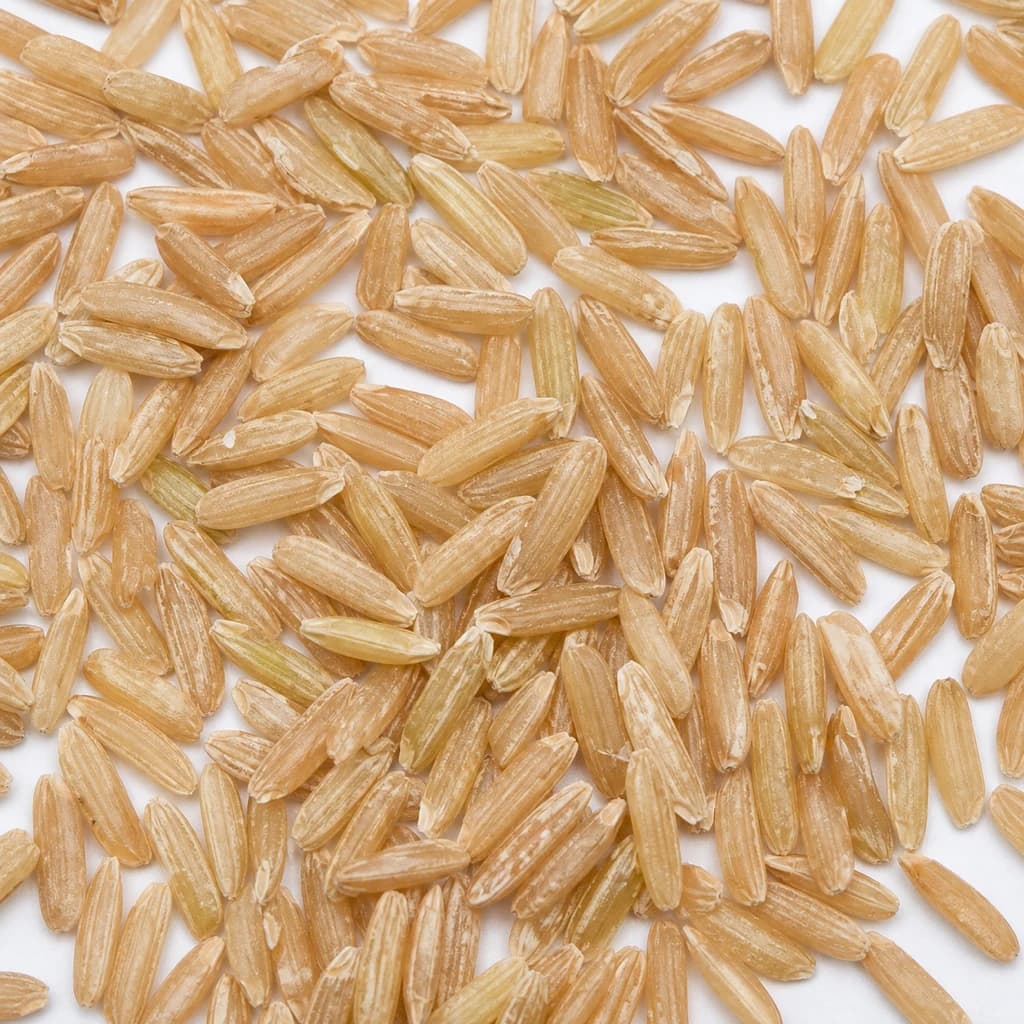
Brown Rice
Nutty, whole-grain rice with chew and extra fiber

Basmati Rice
Fragrant, long-grain rice that cooks up light and separate
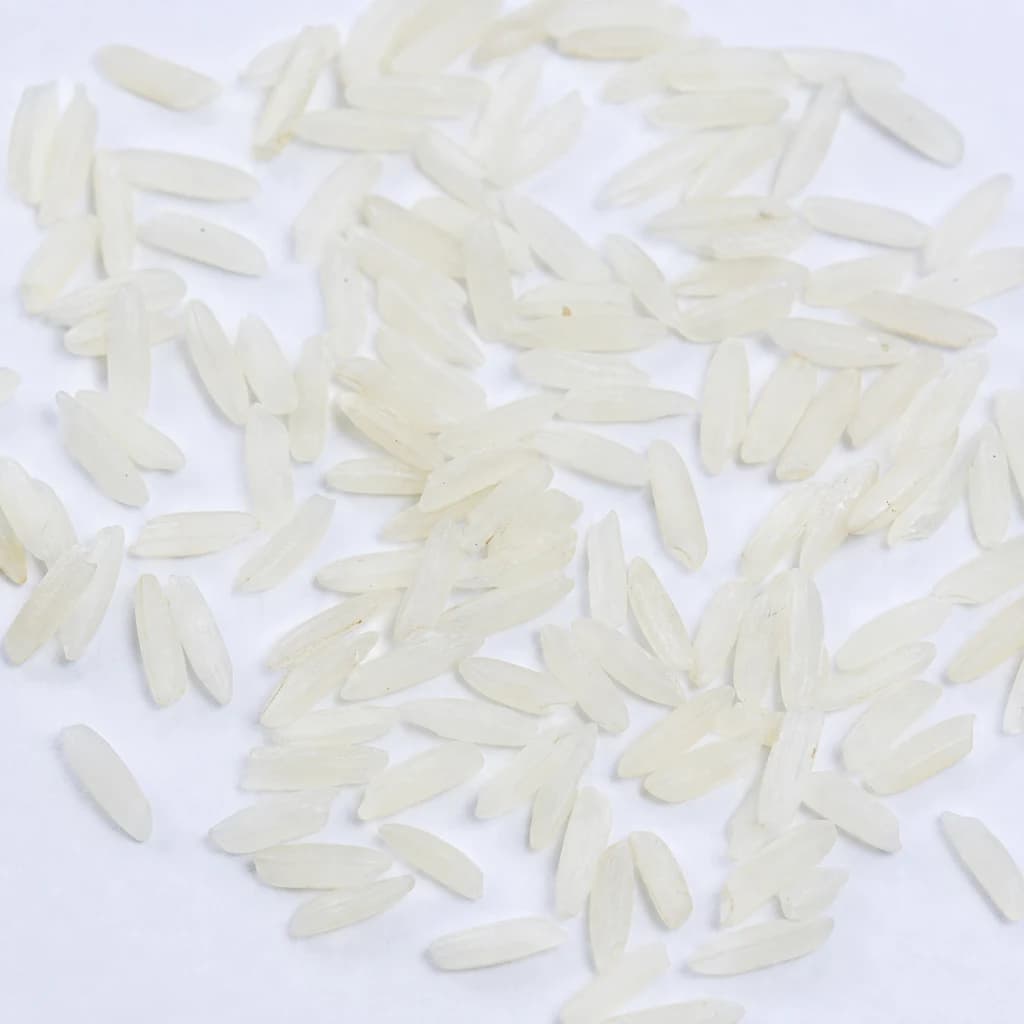
Jasmine Rice
Soft, floral-scented rice that's the pillar of Thai meals
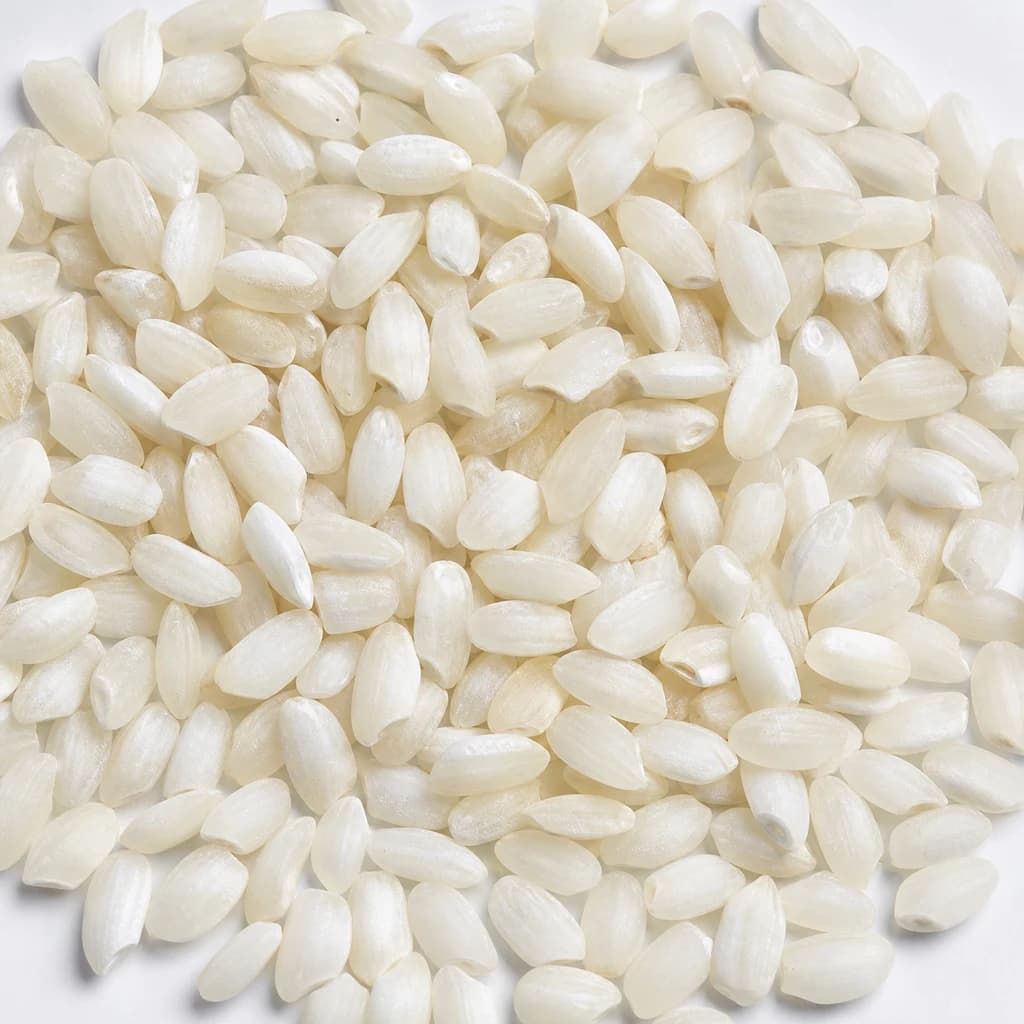
Arborio Rice
Plump, starchy rice that makes risotto creamy
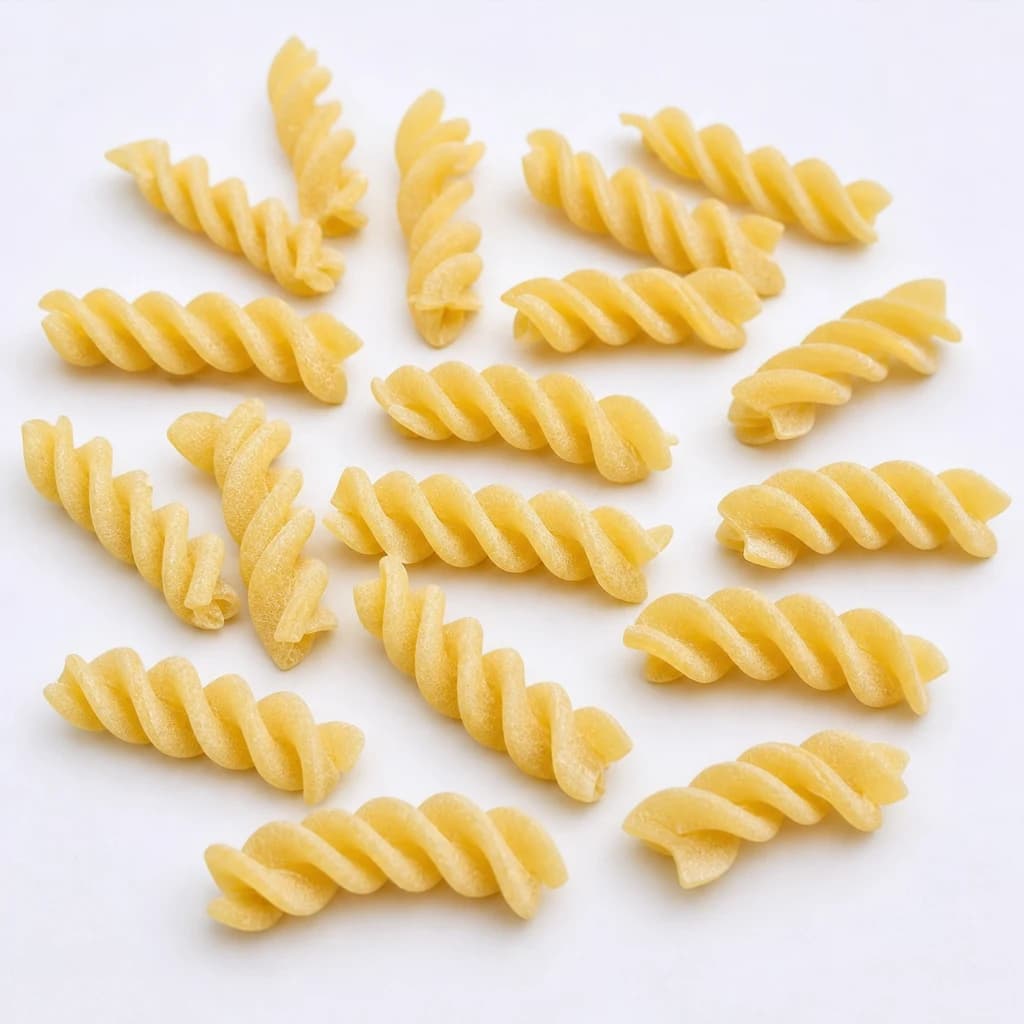
Fusilli
Spiraled pasta that twirls up sauce and dresses cold salads
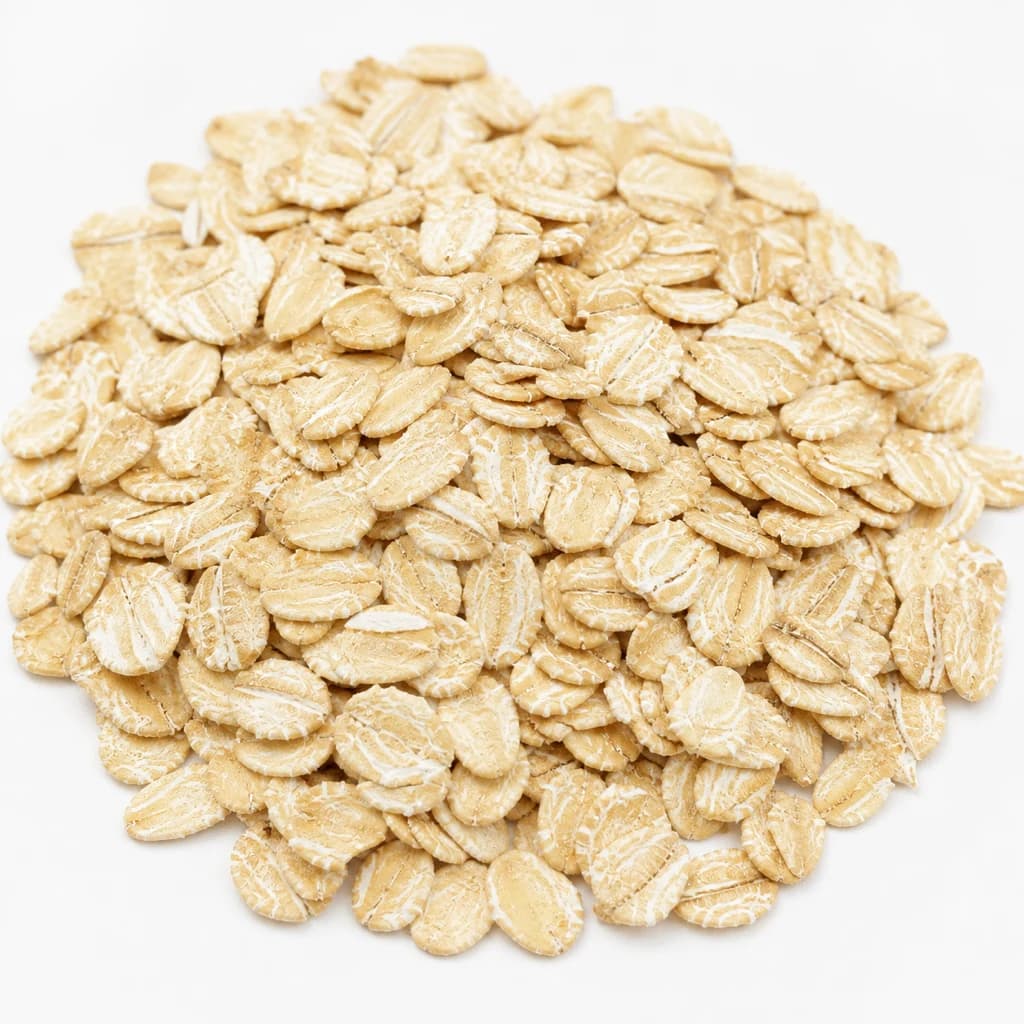
Rolled Oats
Hearty flakes for porridge, granola, and chewy cookies