Grains & Rice
Barley Koji
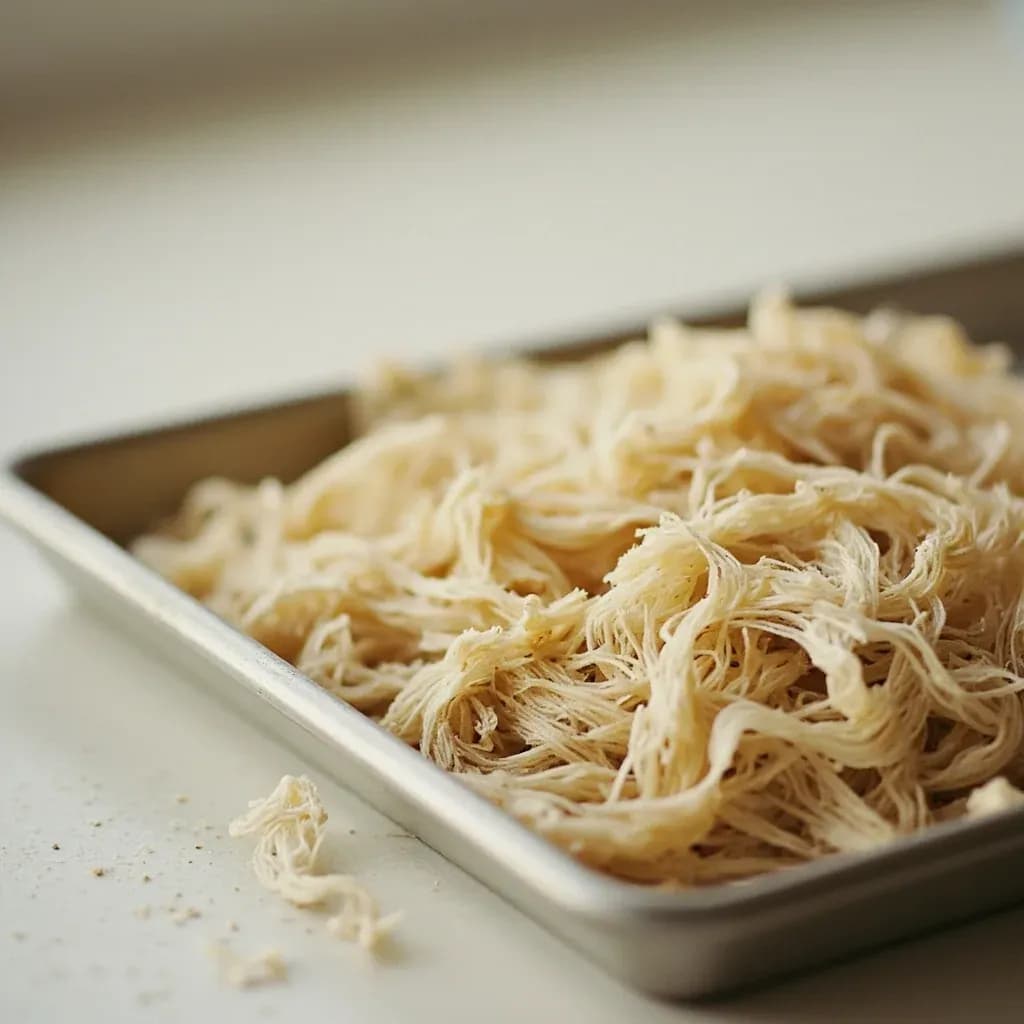
Steamed barley inoculated with koji mold, the fermentation base for barley miso and shochu.
Barley koji is steamed barley grown with the mold Aspergillus oryzae, which coats the grains with enzymes that break down starch and protein. It is a key starter for fermenting barley miso (mugi miso), amazake, soy sauce and shochu. The koji contributes deep umami and a sweet, fermented aroma to the finished products.
Barley koji is steamed barley that has been inoculated with Aspergillus oryzae spores and cultured under warm, humid conditions until the grains are bound together by a fluffy white mycelium. This living fermentation starter transforms humble barley into an enzyme factory: the mold produces amylases that break starch into sugars, proteases that liberate amino acids, and cellulases that break down cell walls. The result is a sweet, deeply umami-rich ingredient that drives some of Japan's most cherished fermented foods and beverages.
Unlike the ubiquitous rice koji used for sake and soy sauce, barley koji occupies a specific niche—it is essential for mugi miso (barley miso) and mugi shochu, where it imparts a bolder, earthier, more cereally sweetness than rice-based starters. The choice of barley affects final flavor significantly: barley koji produces products with a distinctive grain-forward character and nutty, honeyed notes in miso, while shochu made from barley koji carries a clean, sweet depth distinct from its sweet potato or rice counterparts. For home fermentationists, barley koji is actually more forgiving to culture than rice koji because barley grains are less prone to clumping and allow better airflow, reducing contamination risk—but it still demands the same temperature discipline.
- Measured in
- g
- Storage
- Fridge
Allergens
Types & varieties
Prepared by professional koji makers; consistent quality; available frozen or refrigerated from Japanese grocery suppliers and online specialty retailers
Made by inoculating steamed, cooled barley with koji spores; requires temperature-controlled incubation space and attention to humidity; more economical for frequent users
Common uses
Tips & pitfalls
- Steam barley until fully cooked but still intact—undercooked barley does not provide enough accessible starch for enzyme action; overcooked turns to paste and clumps
- Cool steamed barley to precisely 35–40°C before inoculation; temperatures above 45°C kill the spores, below 30°C the mold grows too slowly and contaminants win
- Maintain incubation humidity above 80%—dry koji stops growing and develops harsh, bitter notes instead of sweet enzymes
- During incubation, gently agitate or turn the barley every 12–18 hours to distribute spores evenly and prevent anaerobic pockets
- The koji is ready when grains are bound by white fluffy mycelium and smell intensely sweet and mushroomy—stop immediately when mycelium turns gray-green (over-incubation leads to spore formation and bitterness)
- Never use barley koji that smells sour, alcohol-sharp, or rotten—proper barley koji smells pleasant and sweet
- Toast lightly in a dry pan before grinding as a seasoning for maximum aromatic impact
- When using for miso, the enzymatic activity continues during fermentation, so balance sweetness against fermentation time
Nutrition
Nutrition
No USDA FoodData Central match for Barley Koji yet. We surface a per-100 g profile once a generic whole-food entry is matched and verified.
In the shops
Matched grocery products
No matched grocery products for Barley Koji yet.
Good to know
- Type
- Fermentation starter / cultured grain
- Origin
- Japan, integral to Japanese fermentation tradition
- Primary mold
- Aspergillus oryzae (koji mold)
- Form
- Whole barley grains bound in a loose, fluffy mass by white-green mold mycelium
- Enzymes produced
- Amylases, proteases, cellulases
- Aroma
- Sweet, warm, slightly floral with pronounced umami; reminiscent of fresh sourdough starter mixed with mushrooms
- Shelf life (refrigerated)
- 7–14 days maximum for fresh product
- Shelf life (frozen)
- Up to 6 months; thaw in refrigerator before use
- Color (properly cultured)
- White to pale greenish-gray mycelium; grains remain yellow-to-tan beneath
- Yield
- 1 kg dried barley produces approximately 1.1–1.2 kg finished barley koji
Substitutes
- Rice Koji — Most common substitute; enzymes differ slightly (more alpha-amylase, less glucoamylase), producing a thinner, more alcoholic fermentation base; use 1:1 in shochu production but miso texture will differ noticeably
- Yellow Soy Koji — Contains both grain and soybean; higher protease activity; good for savory applications but will impart soy flavor; not suitable for shochu or clean-sweet fermentation bases
- A. oryzae Spore Powder Alone — Can be applied directly to other grains, but without pre-made barley koji the enzyme profile is less established; not a direct substitute in existing recipes
Pairs with
Also called
Mugi Koji · Barley Malt Koji
Related

White Rice
Fluffy long-grain rice — the neutral base for almost any meal

White Bread
Soft sandwich loaf for toast, sandwiches, and crumbs
Brown Rice
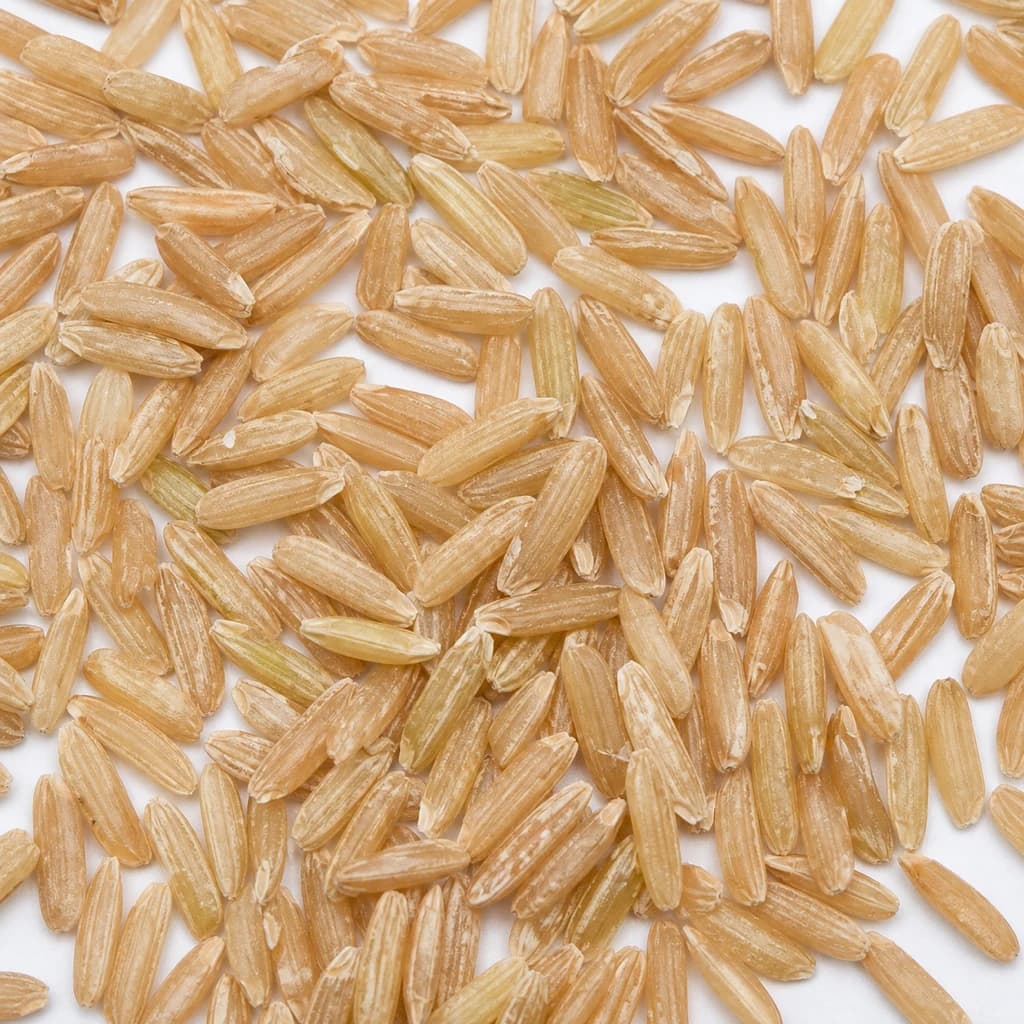
Nutty, whole-grain rice with chew and extra fiber

Basmati Rice
Fragrant, long-grain rice that cooks up light and separate
Jasmine Rice
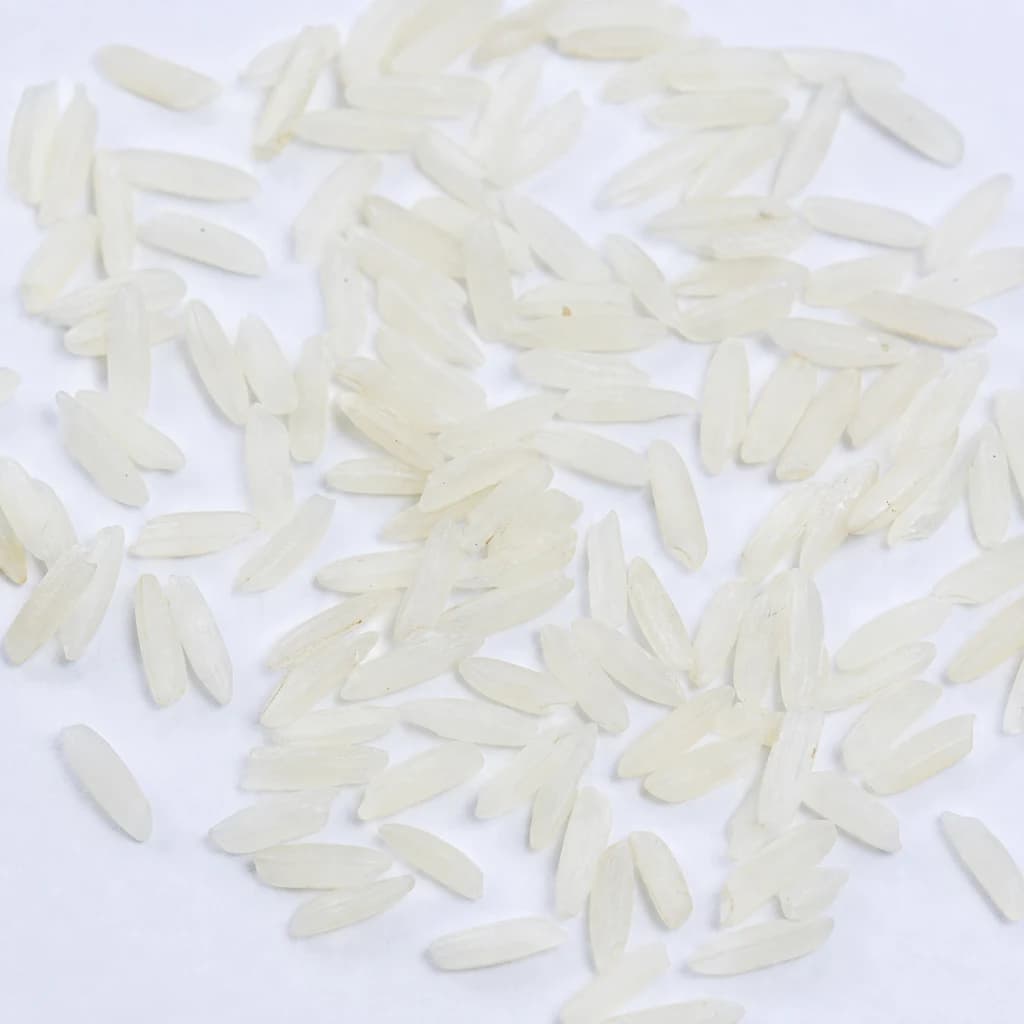
Soft, floral-scented rice that's the pillar of Thai meals
Arborio Rice
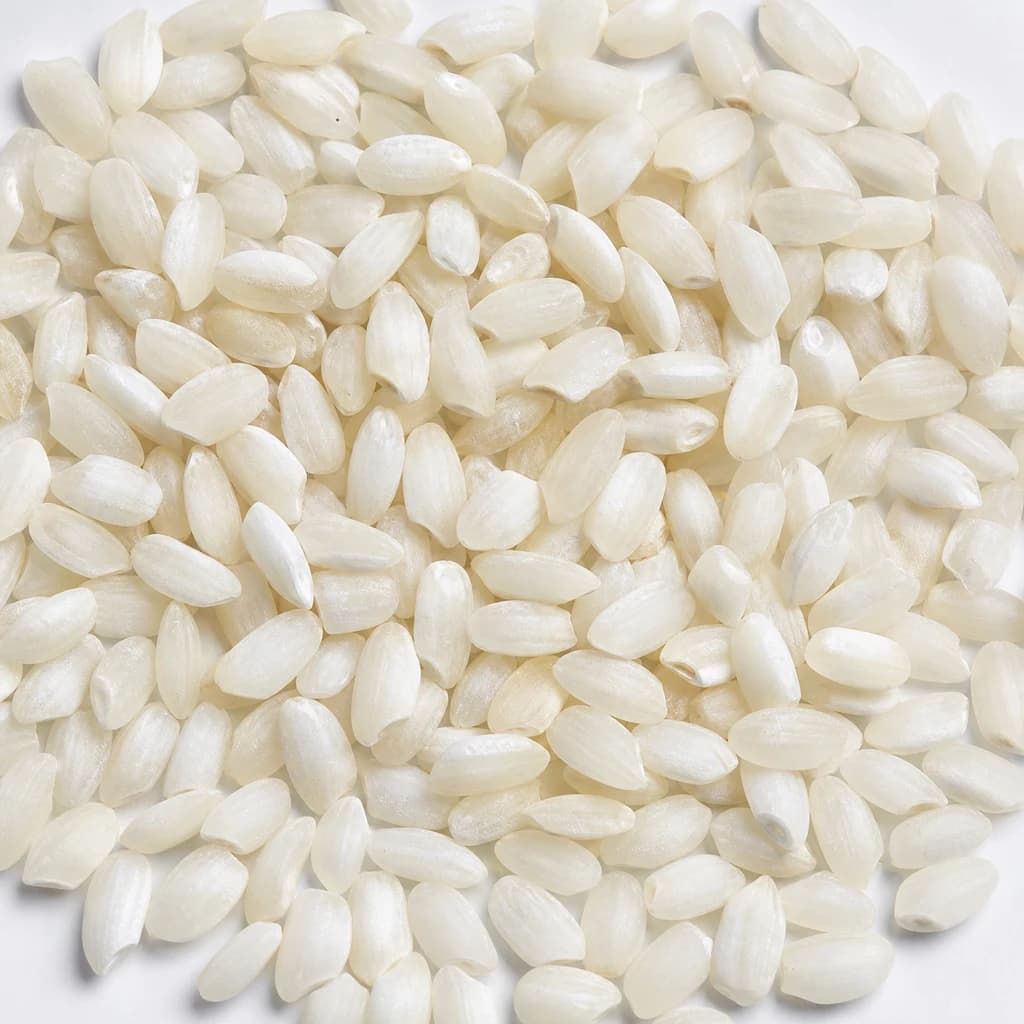
Plump, starchy rice that makes risotto creamy
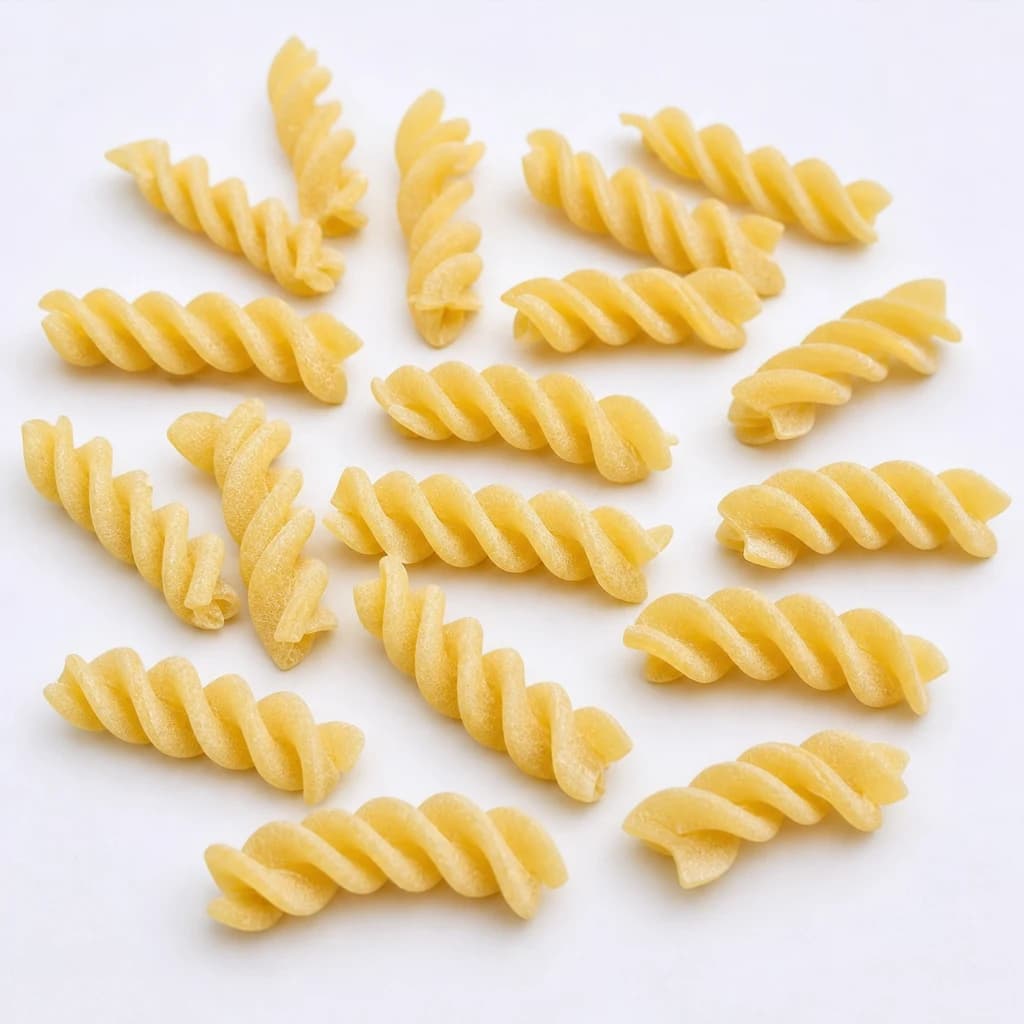
Fusilli
Spiraled pasta that twirls up sauce and dresses cold salads
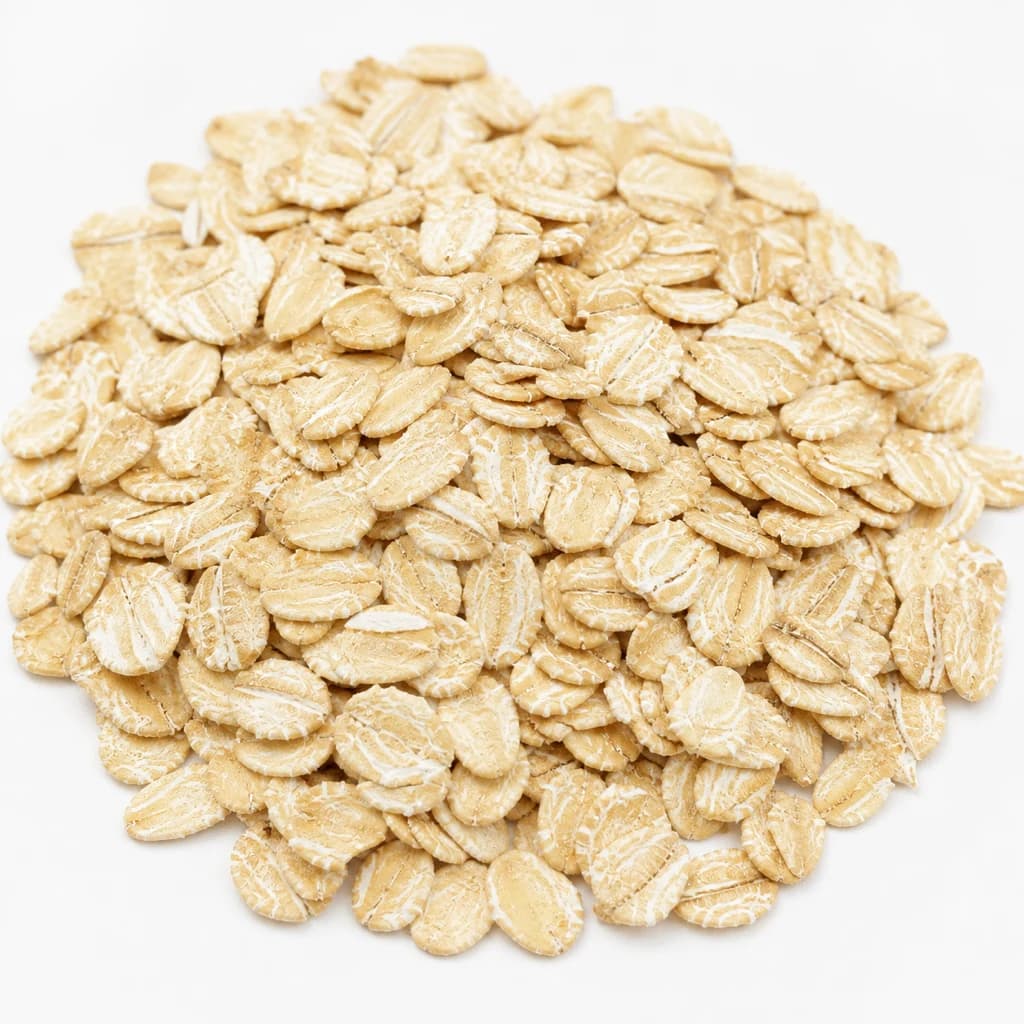
Rolled Oats
Hearty flakes for porridge, granola, and chewy cookies