Prep & Assembly
Portioning
Dividing food into consistent serving-size pieces by weight, count, or eye.
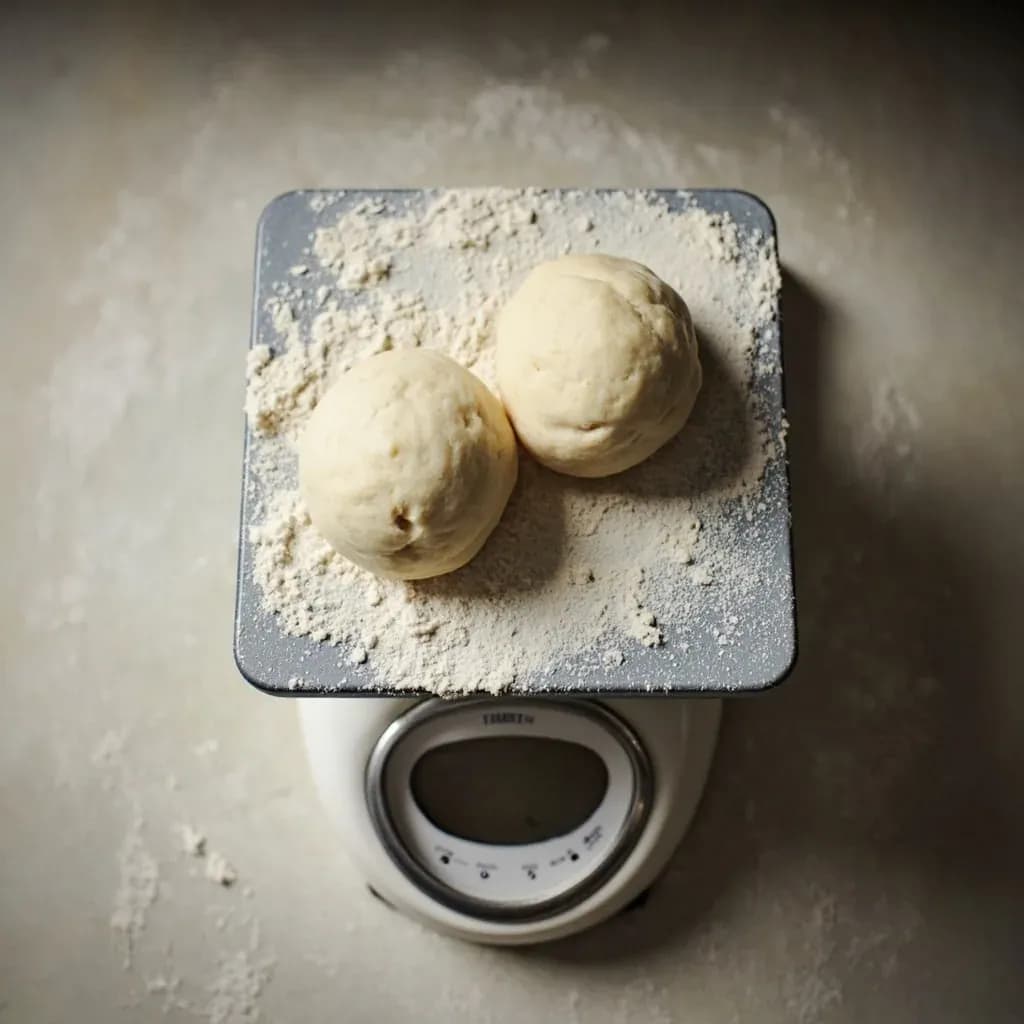
Portioning splits a larger batch of dough, batter, meat, or any prepared food into uniform units so each serving is equal and cooking is even. Cooks scale by weight for precision, as in bread dough, or divide by count and eye for speed in a busy kitchen. Consistent portions matter for predictable cooking times, fair servings, and accurate cost control.
Portioning is the controlled division of prepared food into uniform individual servings — the unglamorous step that makes every plate, tray, and bag that follows look like it was made by the same hand. It can be done by weight on a scale, by volume with a scoop or ladle, by simple count, or by eye in a practiced cook's hand, and each method has its place depending on what is being divided and how fast it needs to happen. In a professional kitchen, portioning is the silent engine behind plate consistency, banquet uniformity, recipe costing, and honest nutrition labels; in a home kitchen, it is the difference between a meal-prep Sunday that actually delivers the same lunch every day and one that quietly creeps upward in calories and food cost over the course of a month. The behavior of the food matters as much as the tool: doughs and braised meats portion cleanly when cold and well-rested, rice compacts as it cools and under-portions if scooped late, and proteins lose 20–30% of their weight between raw and cooked, so the target number on the recipe always needs to be interpreted in context.
- Difficulty
- Easy
Types & varieties
Using a scale to divide food to a target gram or ounce — the most accurate method, standard in bakeries, butcheries, and fine-dining plating.
Using scoops, ladles, or measuring cups — standard for uniform items like cookies, muffins, rice, soups, and stews.
Dividing by item count (three shrimp per plate, one chicken breast per serving, twelve pieces per tray) — common for plated proteins and hors d'oeuvres.
Estimating portions by eye or hand geometry (a palm-sized protein is roughly 3–4 oz of cooked boneless meat) — common in fast-paced service where speed outweighs gram-level precision.
Dividing the total yield of a recipe by a target number of servings to get portion size per unit — the planning step that sets the targets every other method works toward.
How to do it
- 1
Set the target portion size
Read the standardized recipe or service spec and confirm whether the target is raw weight, cooked weight, volume, or count. Note any expected yield loss from trimming, cooking shrinkage, or evaporation so you know what the final plate should look like.
- 2
Select and prepare the portioning tool
Choose the appropriate scale, disher, ladle, or knife. Zero or tare any scale with its plate, paper, or container in place. Keep color-coded dishers and ounce-marked ladles grouped where you can grab them by sight in service.
- 3
Bring the food to the right state
Temper or chill as needed. Cold but pliable items — butter, cookie dough, sausage meat, terrine — portion cleanly and hold their shape; ice-hard or steaming-hot items are awkward to divide accurately.
- 4
Divide the batch
Weigh, scoop, ladle, or cut sequentially. For doughs, terrines, and braised meats, use a bench scraper for square, clean cuts rather than tearing with a knife. For sauces and soups, fill the ladle level to the rim on every pass.
- 5
Verify consistency
Spot-weigh or spot-count 5–10 random portions against the target. If the run is drifting, nudge the next portion slightly up or down. Numbered dishers pair well with a quick check-weigh of one piece per batch.
- 6
Plate, store, or cook as required
Place portioned items on sheet pans, hotel pans, plates, or vacuum bags. Label with weight, count, and date where relevant so the next cook or the reheater knows what they have.
- 7
Record yield for costing
Note the actual total portions produced against the recipe's expected yield. Use any gap between planned and actual yield to refine the standardized recipe the next time it goes out.
Understanding disher numbers
The numbering system on portion scoops is one of those quietly clever bits of kitchen shorthand that rewards learning. The number stamped into the bowl (or printed on the handle) is the number of level scoops that fit into one US quart, which means the bigger the number, the smaller the portion. A #8 disher delivers roughly 4 fl oz (118 mL) per scoop — the right size for a generous muffin or a medium cookie; a #16 is about 2 fl oz (59 mL), the workhorse size for portioning cookie dough, stuffing, and cream puffs; a #24 yields about 1.33 fl oz (40 mL), used for small cookies, quenelles, and small cream-puff or profiterole fills. Once you know three or four sizes that match your regular recipes, you can grab by handle color alone and stop calculating mid-service. The size of the finished baked good depends on the disher number as much as on the recipe, which is why standardized bakery recipes always specify the scoop.
- Number = scoops per US quart; bigger number means smaller portion.
- #8 ≈ 4 fl oz / 118 mL — muffins, large cookies, melon balls.
- #16 ≈ 2 fl oz / 59 mL — standard cookies, stuffing, cream puffs.
- #24 ≈ 1.33 fl oz / 40 mL — small cookies, quenelles, profiteroles.
- Color-coded handles (yellow #8, blue #16, red #24) let cooks grab by sight.
Raw vs. cooked portion targets
Recipes that don't specify which weight they mean are a common source of silent over- or under-portioning. A steak labeled '8 oz portion' in a recipe can mean 8 oz raw on the receiving docket or 8 oz cooked on the plate — and the difference is enormous, because a raw steak typically lands at 5–6 oz after grilling to medium, and a braised short rib can lose a third of its weight. The safe habit is to write the target on the ticket in both forms (raw weight in, cooked weight out) and to adjust your raw purchase accordingly: if the menu promises an 8 oz cooked portion, order roughly 11–12 oz raw to allow for shrinkage and trim. The same logic applies to roasted chicken (raw breast at 7 oz cooks down to about 5 oz) and to most stewed or braised meats, where connective tissue and rendered fat both disappear into the sauce.
- Always confirm whether a recipe target is raw or cooked weight before portioning.
- Plan for 20–30% cooking loss on most proteins; more on well-done, less on rare.
- Bone-in cuts need 6–8 oz raw to deliver a typical 4–6 oz cooked serving.
- Weigh a sample of finished portions to confirm shrinkage assumptions in your kitchen.
Common uses
Tips & pitfalls
- Always tare the scale with any plate, container, or paper on it before weighing portionable food — a 1 oz tare error costs you 1 oz per cover.
- Match disher size to the application: too large compacts and tears tender mixtures like muffin batter; too small gives flat, spread cookies.
- Decide whether the target weight is raw or cooked, then adjust for the expected 20–30% protein shrinkage — don't let the menu price eat the difference.
- Portion cold, firmed fats, doughs, pâtés, and terrines straight from the cooler; they release cleanly and hold the shape you cut.
- Use a bench scraper for clean cuts through dough, terrine, and braised meat rather than sawing with a knife, which drags and tears.
- Spot-check 5–10 random portions during any run to catch drift before it ships to the dining room.
- Resist the urge to 'give a little extra' — a quarter-ounce over on a hundred covers is about a pound and a half of food cost vanished, and it compounds fast across a busy service.
- For sauce and soup service, use a fixed-volume ladle sized to the plate or bowl rather than free-pouring; it's faster and more consistent.
- Scoop cooked rice and grains while they're hot and fluffy — they compact as they cool and will under-portion if you wait.
Good to know
- Definition
- Dividing prepared food into uniform individual servings by weight, volume, count, or visual estimate.
- Primary Tools
- Digital kitchen scale, portion scale (mechanical), numbered portion scoop / disher, ladle, measuring cup, bench scraper.
- Disher Sizing
- The number stamped on a portion scoop equals the number of level scoops per US quart — a #8 makes 8 portions per quart (about 4 fl oz / 118 mL each); a #16 makes 16 per quart (about 2 fl oz / 59 mL); a #24 makes 24 per quart (about 1.33 fl oz / 40 mL).
- Disher Color Code
- Many commercial dishers use a color-coded handle by size — yellow #8, blue #16, red #24 — so a cook can grab the right tool by sight in service.
- Typical Protein Portion
- Boneless cooked meat or fish main course: 4–6 oz (113–170 g); bone-in cuts: 6–8 oz (170–227 g) raw; restaurant steak portions commonly 8–12 oz raw (227–340 g) before trim loss.
- Starch & Vegetable Portion
- Cooked starch side: about ½ cup / 4 oz (113 g); cooked vegetable side: 4 oz (113 g); salad greens base: 2 oz (57 g).
- Pre- vs Post-Cook Loss
- Proteins typically lose 20–30% weight during cooking (more for well-done, less for rare), so raw and cooked portion targets are not interchangeable.
- Food Cost Relevance
- Standardized portioning is the basis for food-cost percentage in food service; targets commonly fall between 28–35% of menu price.
Also called
Dividing · Scaling · Portion Control · Weighing
Dishes that rely on it
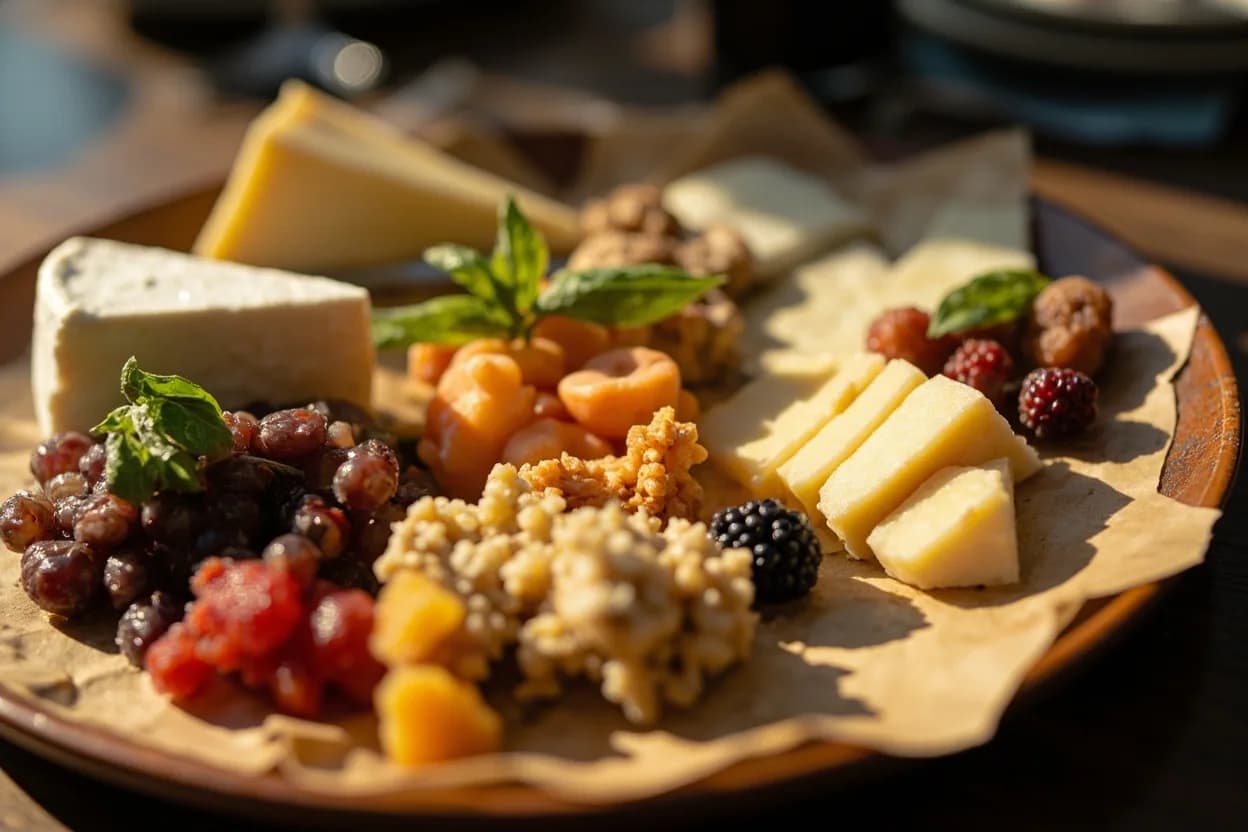
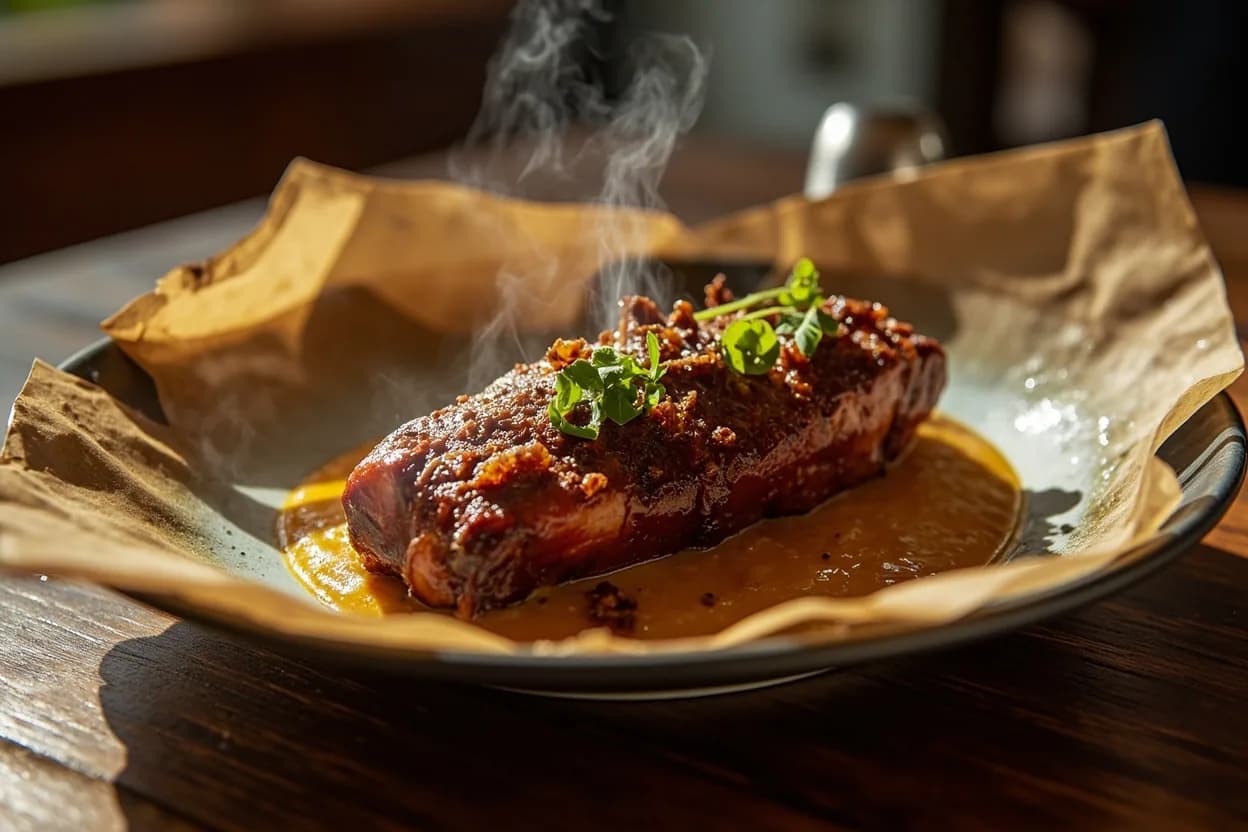
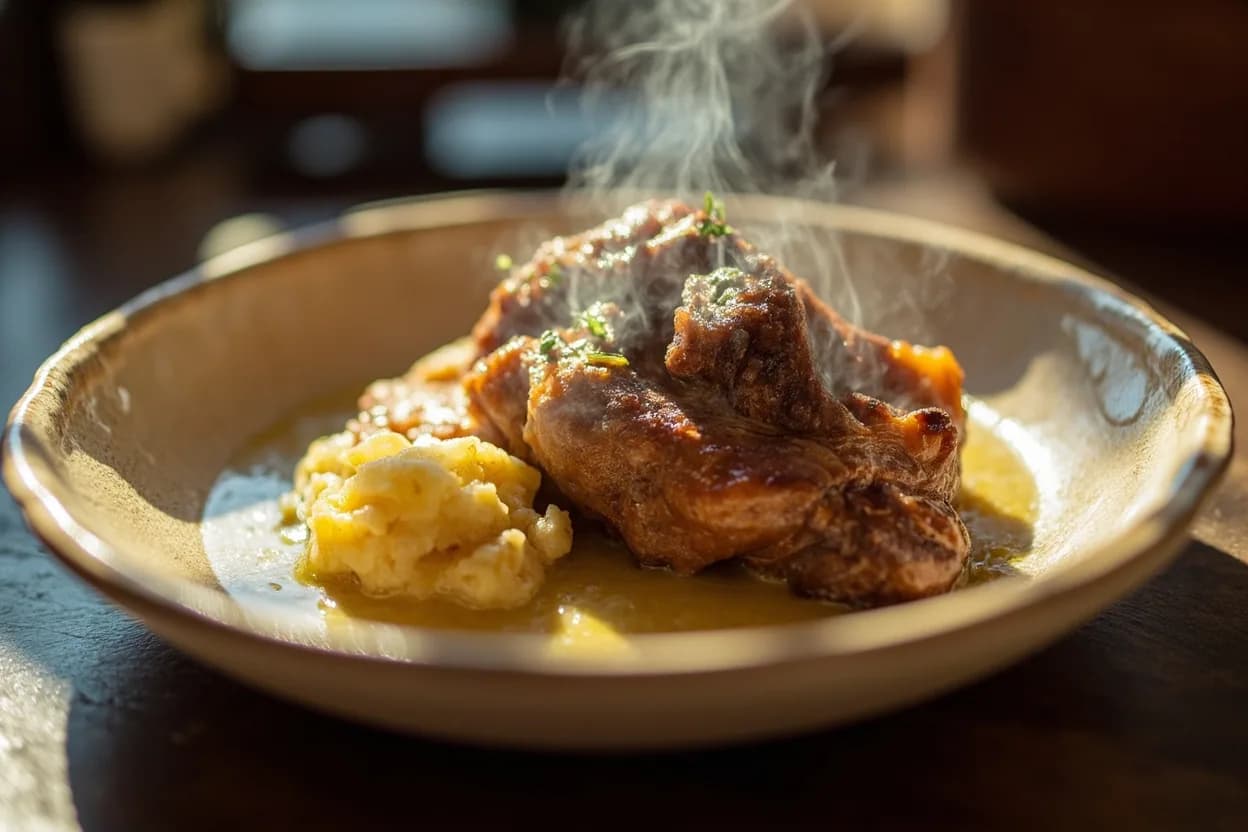
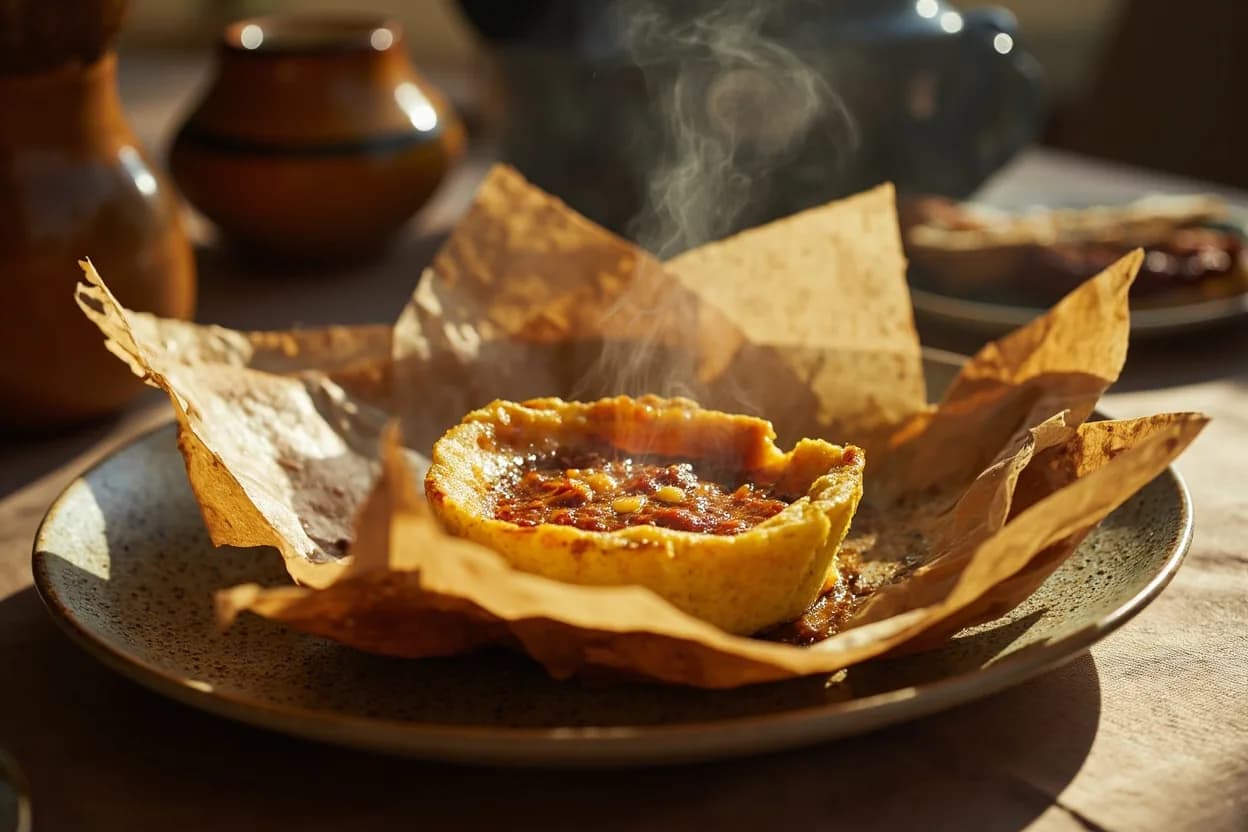
Related

Whisk
Beat ingredients smooth and aerated with a looping wire motion

Sift
Pass dry ingredients through mesh to aerate and remove lumps

Strain
Pour through mesh to separate solids from liquid for a smooth result

Filter
Pass liquid through fine material to clarify out the smallest particles

Rice
Press cooked potatoes through small holes for fluffy, lump-free texture

Mash
Crush soft cooked food into a rustic, creamy purée

Grind
Crush food into a coarse to fine texture, from spices to meat

Grate
Shred food into fine bits against a sharp-toothed surface