Heat & Fire
Charcoal Grilling
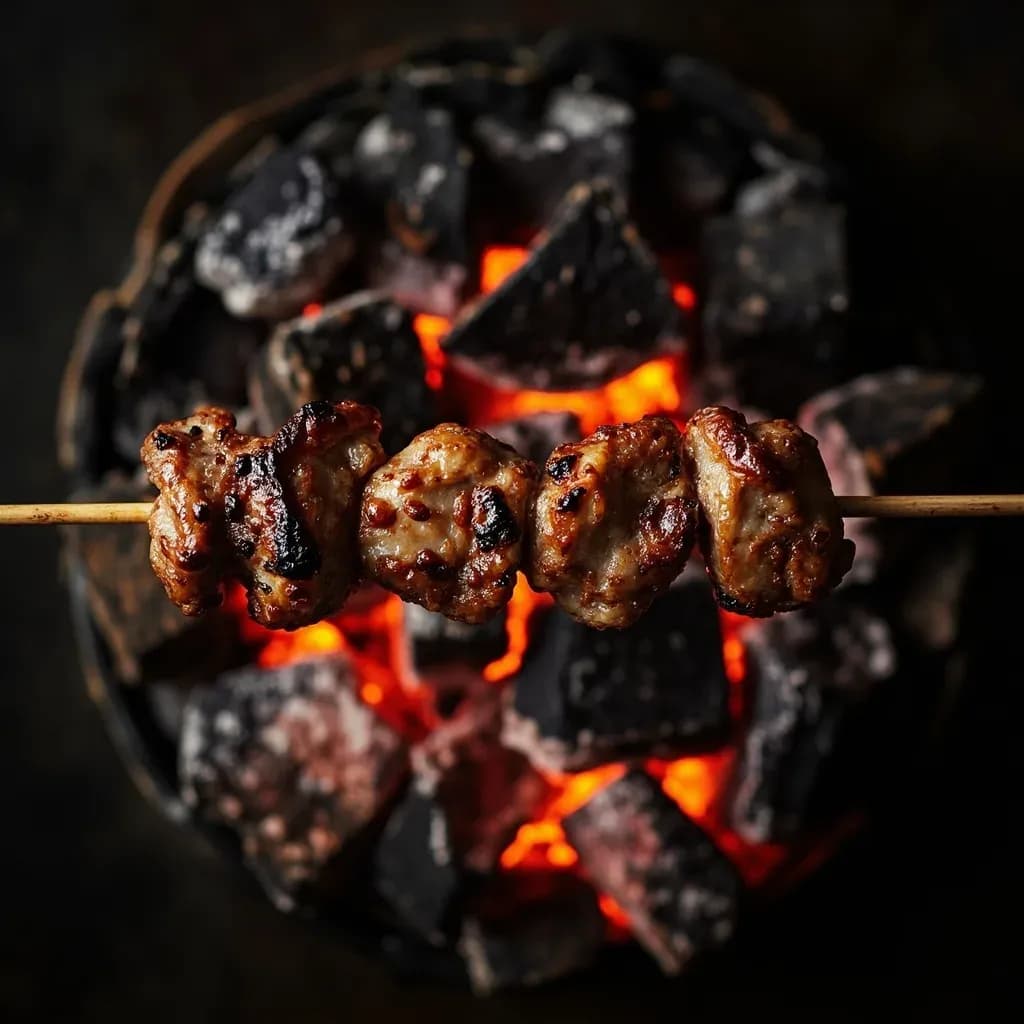
Grilling over glowing charcoal for high heat, smoky char, and skewered meats.
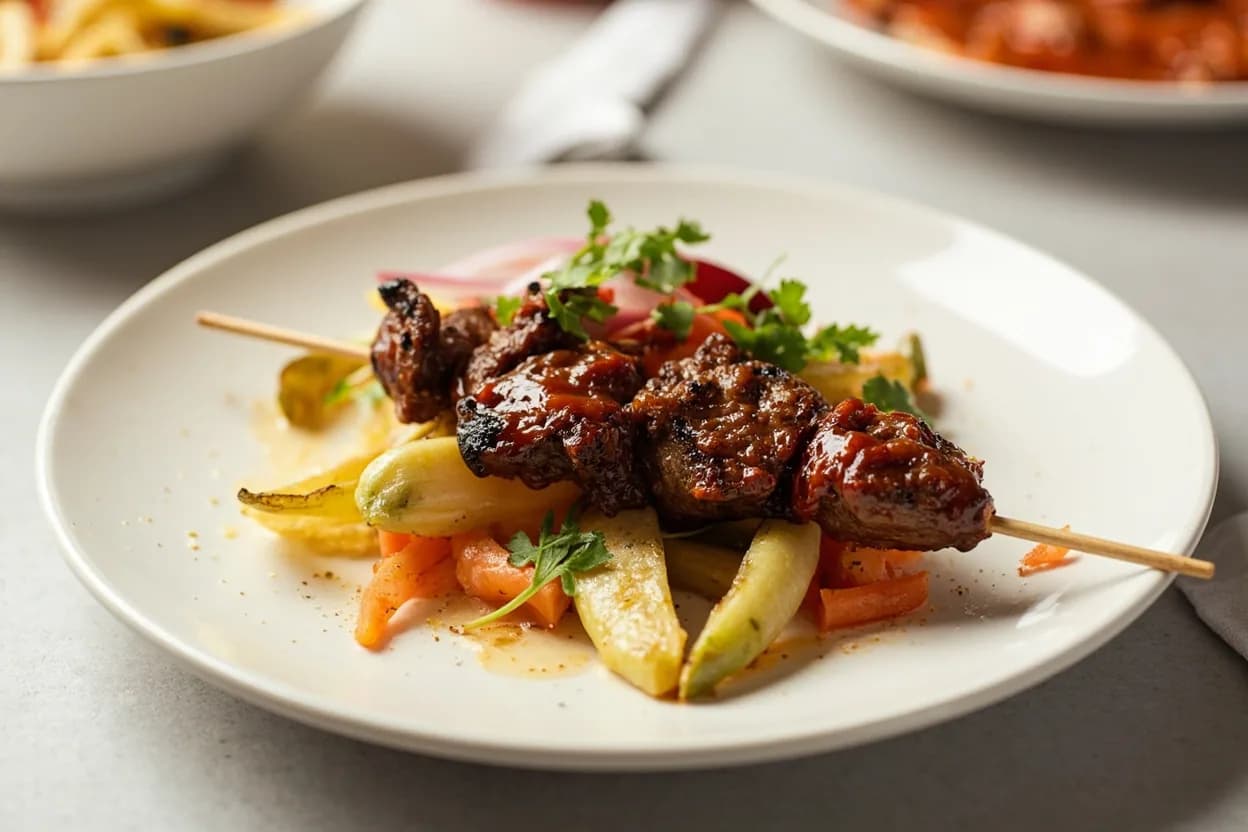
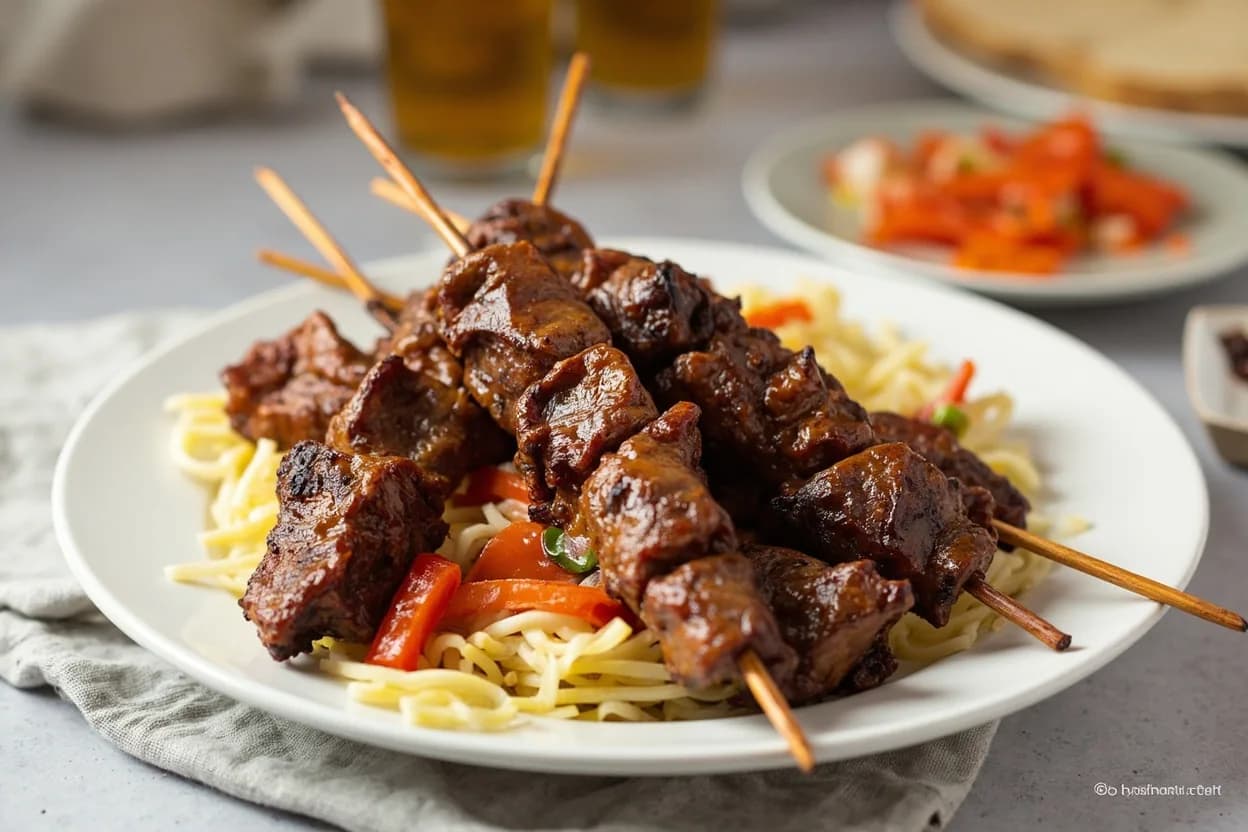
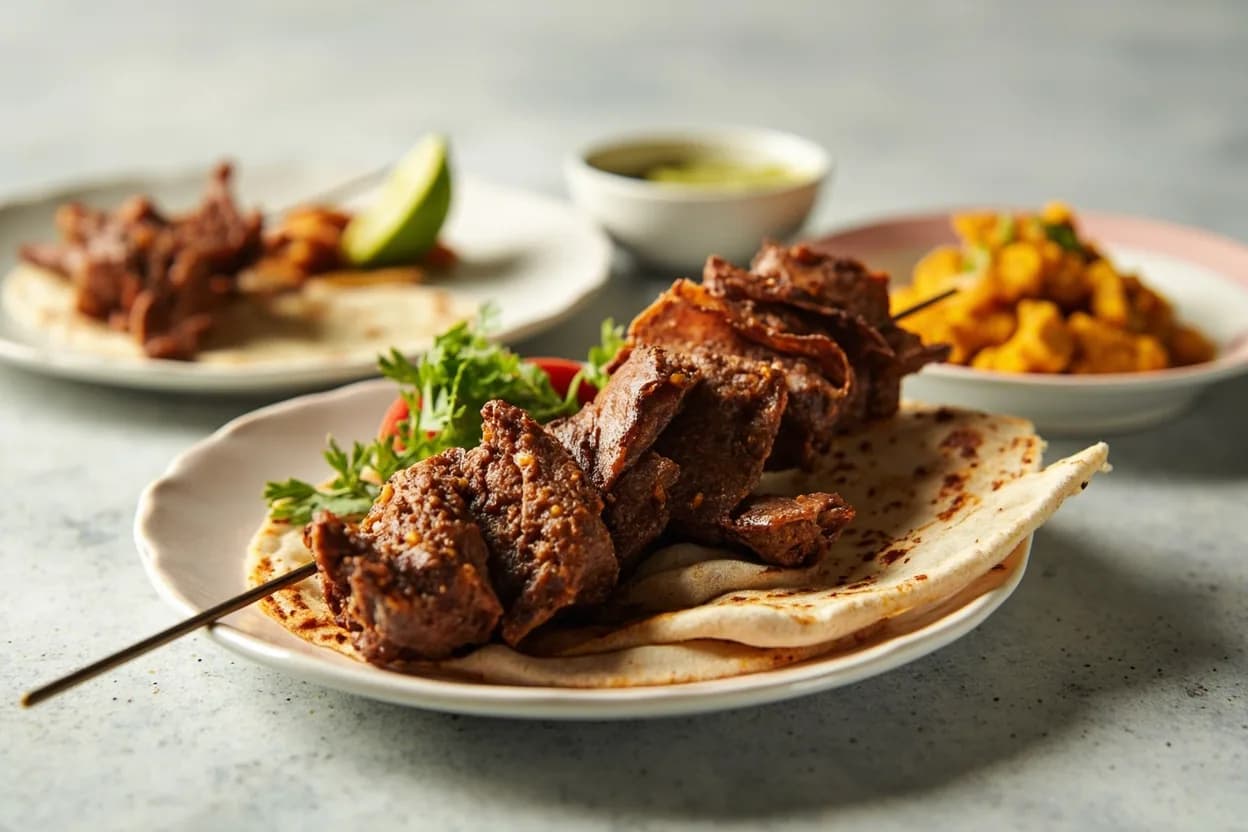
Charcoal grilling cooks food over burning charcoal, whose intense radiant heat and faint smoke give a distinctive char and flavor. It is the method behind Filipino ihaw, South Asian tikka and seekh kebabs, and skewered street grilling everywhere. Letting the coals burn to glowing embers before cooking gives steady heat without sooty flame.
Charcoal grilling is the practice of cooking food over glowing, ashed-over coals in a kettle, kamado, barrel, hibachi, or open cart grill. The fuel itself does most of the work: as the carbon in the charcoal oxidizes, it releases intense radiant heat (roughly 500–700 °F just above the grate, with sear zones briefly exceeding 700 °F) and a thin, hot layer of air that sears the surface of whatever touches the metal. The two practical consequences are a hotter grate than most gas grills can deliver and a flavor profile built from combusting fat, drippings, and any wood chunks laid on the coals — carbonyls, pyrazines, and phenolic smoke compounds that gas simply cannot reproduce.
The cook's job, beyond lighting the fire, is to control three variables: fuel load, airflow (bottom and top vents), and the geometry between food and coals. Direct grilling puts food over the fire for fast, high-heat work; indirect grilling banks the coals to one side and cooks with the lid down, turning the grill into a convection oven that can handle whole birds and ribs. Most experienced cooks build a two-zone fire by default, because it gives them a hot side to sear and a cool side to finish thicker cuts gently, and it provides a safe harbor when a flare-up is about to scorch the food.
The other quiet virtue of charcoal is the ritual of it: the chimney starter, the wait for ash, the smell of the first match. None of that affects flavor on its own, but the slower, more deliberate sequence forces the cook to plan a fire and manage it, and that habit produces better grilled food than the convenience of a knob turn ever has.
- Difficulty
- Medium
Types & varieties
Food placed directly over the hot coals; thin cuts, burgers, steaks, chops, kebabs, vegetables — typically under 20 minutes total.
Coals banked to one or both sides, food in the center, lid closed; roasts whole chickens, ribs, pork shoulder, large fish — functions like a convection oven.
Standard setup with a hot side and a cool side (and optionally a third finishing/safety zone) for searing then moving food to finish gently.
Japanese skewered poultry and seafood over white binchotan charcoal, which burns at very high heat with almost no flame or visible smoke.
Small open charcoal brazier, short-distance grilling at intense heat for yakitori, isobe-yaki, and shellfish.
Long, narrow or open-front grills designed for dozens of skewers (asado de tira, gori-gui) over hardwood coals at sustained heat.
Spit-roasted over a ring of coals or with a drip pan in the center; whole chicken, porchetta, leg of lamb.
Indirect low-and-slow cook with wood chunks added for heavier smoke flavor; ribs, brisket, whole hog.
How to do it
- 1
Choose and load the charcoal
For searing and short cooks use lump charcoal (hotter, less ash); for long, even burns use briquettes. Fill a charcoal chimney about two-thirds full — roughly 50–60 briquettes or the equivalent volume of lump.
- 2
Light the charcoal
Stuff the chimney's bottom chamber with crumpled newspaper or a paraffin cube and light it. Allow 10–15 minutes; flames will roar up through the coals.
- 3
Wait for ash-over
When the top coals are coated in a light grey ash, pour them into the grill. Black, flame-kissed coals are too fresh — they will flare food and taste acrid.
- 4
Set up zones
For most cooks, bank all coals to one half of the grill for a two-zone fire. On a kettle or barrel, leave the opposite side empty; food finishes there with the lid on. On a kamado, use the deflector plate for indirect roasts.
- 5
Preheat the grate
Set the cooking grate in place, close the lid, and let it preheat 3–5 minutes so the metal is properly hot. Open bottom and top vents fully to bring the grill to cooking temperature.
- 6
Clean and oil the grate
Scrub the hot grate with a stiff wire brush, then rub it with a paper towel dipped in high-smoke-point oil (grapeseed or canola) held in long tongs. Oiling prevents sticking and helps mark the food.
- 7
Sear over direct heat
Lay food on the hot side at an angle, leave it undisturbed for 1–3 minutes to develop grill marks, rotate 45–90° for crosshatch, then flip once. Avoid moving food more than necessary.
- 8
Finish over indirect heat if needed
Move thicker cuts (whole chicken, bone-in pork chops, ribeyes over 1.5 in) to the cool side, close the lid, and cook to target internal temperature with vents adjusted for airflow.
- 9
Manage temperature with vents
Bottom vent controls oxygen feed (more open = hotter); top vent controls exhaust and smoke draw. To lower temperature, narrow both; to raise it, open both. Small adjustments go a long way once the grill is at temperature.
- 10
Check doneness and rest
Use an instant-read thermometer (125 °F / 52 °C for medium-rare steak, 145 °F / 63 °C for pork with a 3-minute rest, 160 °F / 71 °C for ground meat, 165 °F / 74 °C for poultry). Transfer to a warm plate, tent loosely with foil, and rest 5–10 minutes before slicing.
- 11
Extinguish and dispose of ashes
Close all vents to snuff the fire. After at least 12 hours (or once fully cold), transfer ashes to a metal container with a tight lid; never put warm coals in plastic, wood, or regular trash.
Choosing charcoal
The two fuels behave differently and reward different uses. Lump charcoal is pure carbonized hardwood — oak, hickory, maple, or a blend — sold in irregular chunks. It lights faster, burns hotter, leaves very little ash, and contributes a cleaner flavor, which is why it's the default for high-heat searing and for clean-flavor grills like the Japanese shichirin. Briquettes are sawdust and charcoal fines compressed with a starch or mineral binder into uniform pillows. They ignite more slowly but burn longer and at a steadier rate, and their uniform shape makes it easier to bank an even two-zone fire for a multi-hour cook. Most American backyard barbecue cooks reach for briquettes; most steakhouse chefs and yakitori masters reach for lump.
- Lump: hotter, cleaner flavor, fast lighting, low ash — best for searing and for grills under 18 inches.
- Briquettes: longer, more predictable burn, easy to arrange in zones — best for indirect roasts and long cooks.
- Match the fuel to the grill: kamados and kettles with tight vents benefit from briquettes' steady burn; open hibachis reward lump's heat.
Building a two-zone fire
A two-zone fire is the single most useful arrangement on a charcoal grill. Pile all the ashed-over coals on one half of the charcoal grate and leave the other half empty; the cooking grate above both halves is now divided into a direct (hot) zone and an indirect (cool) zone. Food sears on the hot side and finishes on the cool side with the lid down, mirroring how a frying pan and an oven work in tandem on a stovetop. For a three-zone fire, add a small pile in the middle or split the coals into two banks with a small gap, giving the cook a buffer between aggressive sear and gentle finish.
- Bank coals to one side; leave the opposite grate empty.
- Sear on the hot side, then slide to the cool side and close the lid to finish.
- Adjust temperature with the bottom vent (oxygen in) and top vent (exhaust out).
- Add a drip pan under the cool side for whole birds and long roasts to catch fat and prevent flare-ups.
Managing smoke and wood
Smoke flavor on a charcoal grill comes mostly from dripping fat hitting hot coals, augmented by any hardwood you add. For short, high-heat cooks, a single small chunk of oak or hickory is plenty. For longer indirect cooks, 2–4 fist-sized chunks of wood buried in the coals add a steadier smoke stream. Fruit woods (apple, cherry) are milder and pair with poultry and pork; hickory and pecan are mid-weight and classic with pork and ribs; mesquite is the most aggressive and suits beef but burns fast, so use it sparingly.
- Use wood chunks for cooks over 30 minutes; chips burn out in 10–15 minutes.
- Fruit woods for poultry and pork; hickory and pecan for ribs and brisket; mesquite for short, hot beef cooks.
- Keep the lid down between flips to channel smoke across the food rather than letting it escape.
Common uses
Tips & pitfalls
- Use a chimney starter with newspaper or a paraffin cube — never lighter fluid, which leaves a petrochemical taste on the food.
- Wait until coals are 60–70% covered in grey ash before cooking; black coals flare food and deposit soot.
- Build a two-zone fire for nearly every cook: a hot side for searing and a cool side for finishing thicker cuts.
- Scrub the grate hot, then oil it with a folded paper towel dipped in high-smoke-point oil held with tongs — seasoning the grate, not the food, is what prevents sticking.
- Pat meat dry and season just before grilling; wet food steams instead of searing and won't develop char.
- Use wood chunks rather than chips for cooks longer than 30 minutes; if using chips, soak them only briefly or not at all before adding to the coals.
- Don't press burgers with a spatula — squeezing expels fat, causes flare-ups, and dries out the patty.
- Rest grilled meat 5–10 minutes under loose foil so juices redistribute; slicing too early drains them onto the board, not into the bite.
- Stagger charcoal refills for long cooks rather than dumping fresh coals onto a small, fading fire, which causes a temperature spike and a flush of acrid smoke.
- Pour used coals into a metal bucket with a tight lid; they retain enough heat to melt plastic or ignite trash for many hours.
Good to know
- Primary heat source
- Burning lump charcoal or briquettes producing radiant and conductive heat at 500–700 °F above the coals (sear zones briefly exceed 700 °F).
- Charcoal types
- Lump charcoal (pure hardwood, irregular pieces, burns hotter and cleaner) and briquettes (compressed charcoal dust with starch binder, uniform shape, longer and more even burn).
- Preheating time
- 15–25 minutes from lighting to ashed-over coals ready for cooking; a chimney starter cuts that to 10–15 minutes for the coals themselves plus 3–5 minutes for the grate.
- Fuel consumption
- Roughly 1–1.5 lb (0.45–0.7 kg) of charcoal per hour of medium grilling; a standard kettle holds about 5–6 lb.
- Heat transfer
- Primarily conductive (grate to food) and radiant (glowing coals); convective (trapped hot air) when the lid is closed; a small amount of smoke-flavor deposition from wood and drippings.
- Internal temperature targets
- 125 °F / 52 °C for medium-rare beef, 145 °F / 63 °C for pork (USDA revised in 2011, with a 3-minute rest), 160 °F / 71 °C for ground meat, 165 °F / 74 °C for poultry.
- Closely related cuisines
- Argentine asado, Brazilian churrasco, Korean gogi-gui, Japanese yakitori, American barbecue, South African braai, Turkish mangal.
- Difficulty
- Beginner for direct grilling of steaks and burgers; intermediate for indirect roasting of whole birds and long, lid-down cooks.
Also called
Grilling over Charcoal · Skewer Grilling · Ihaw
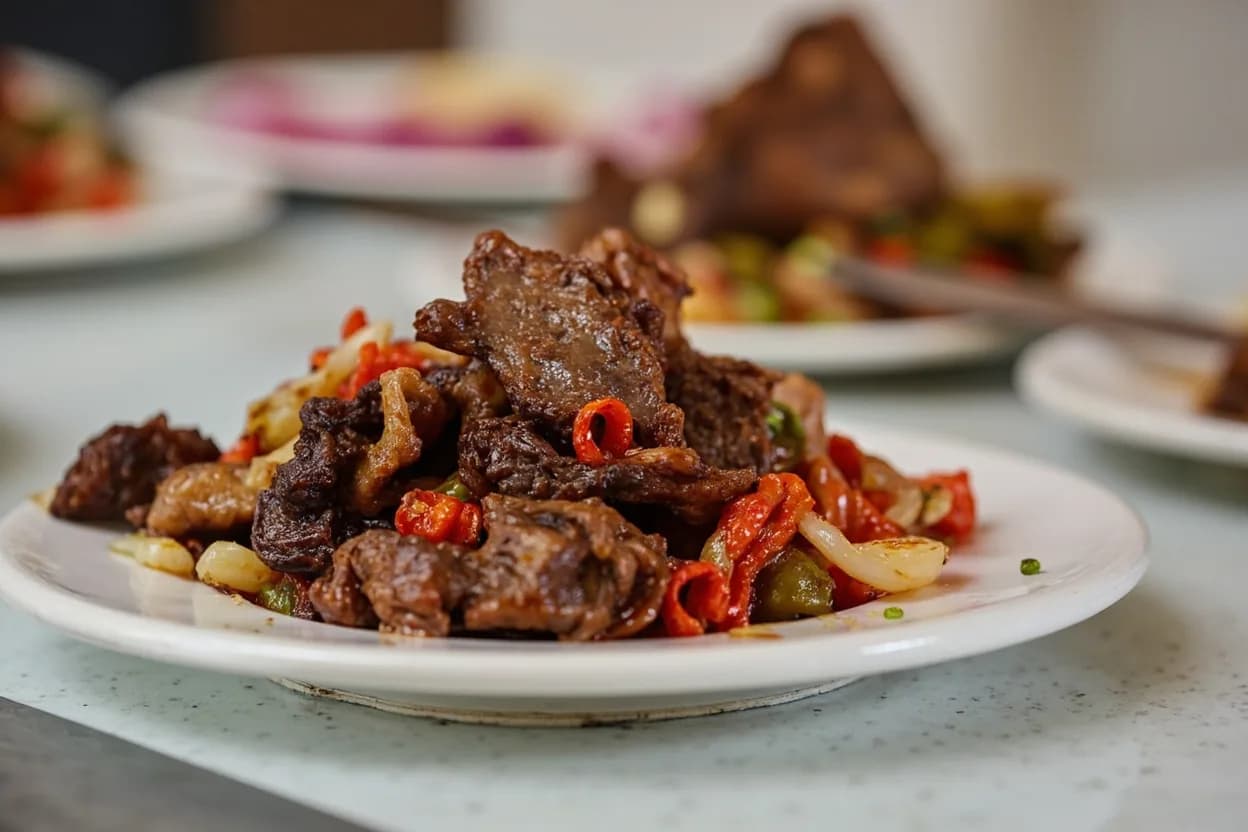
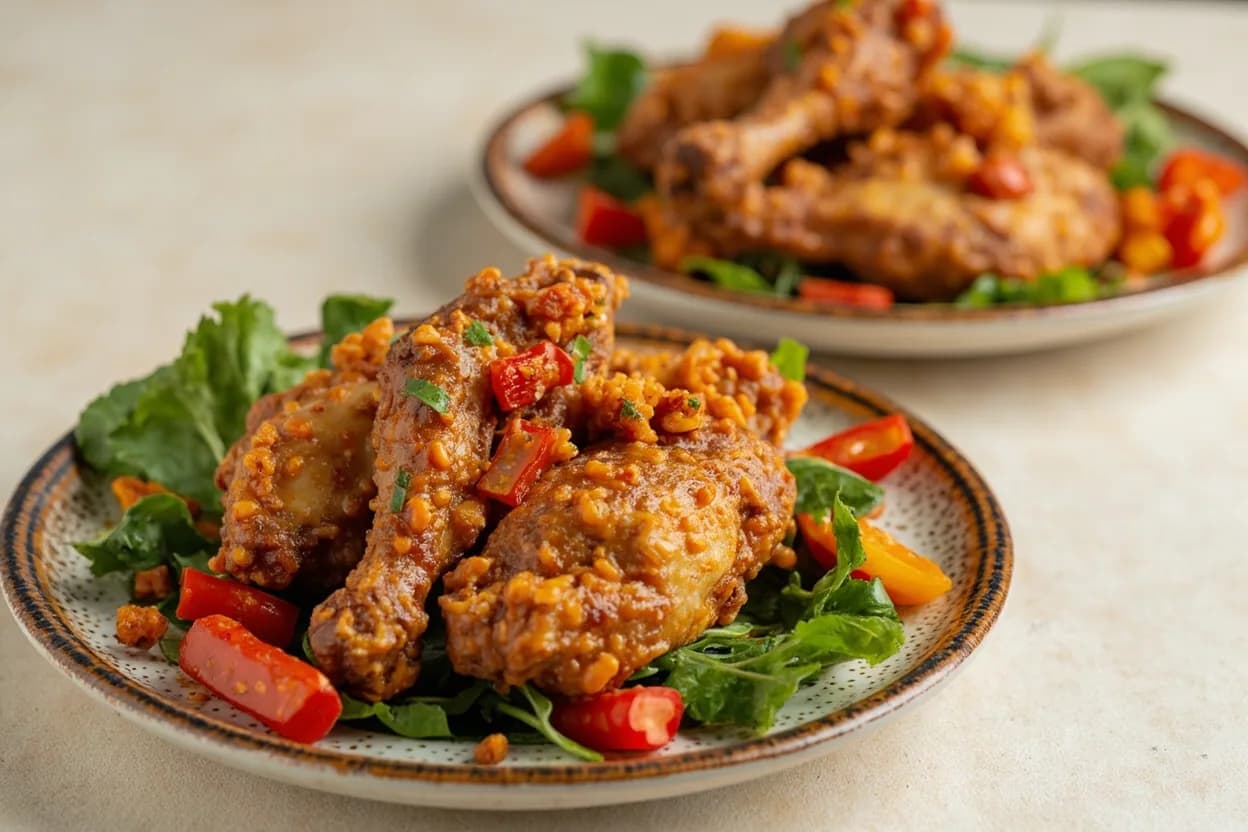
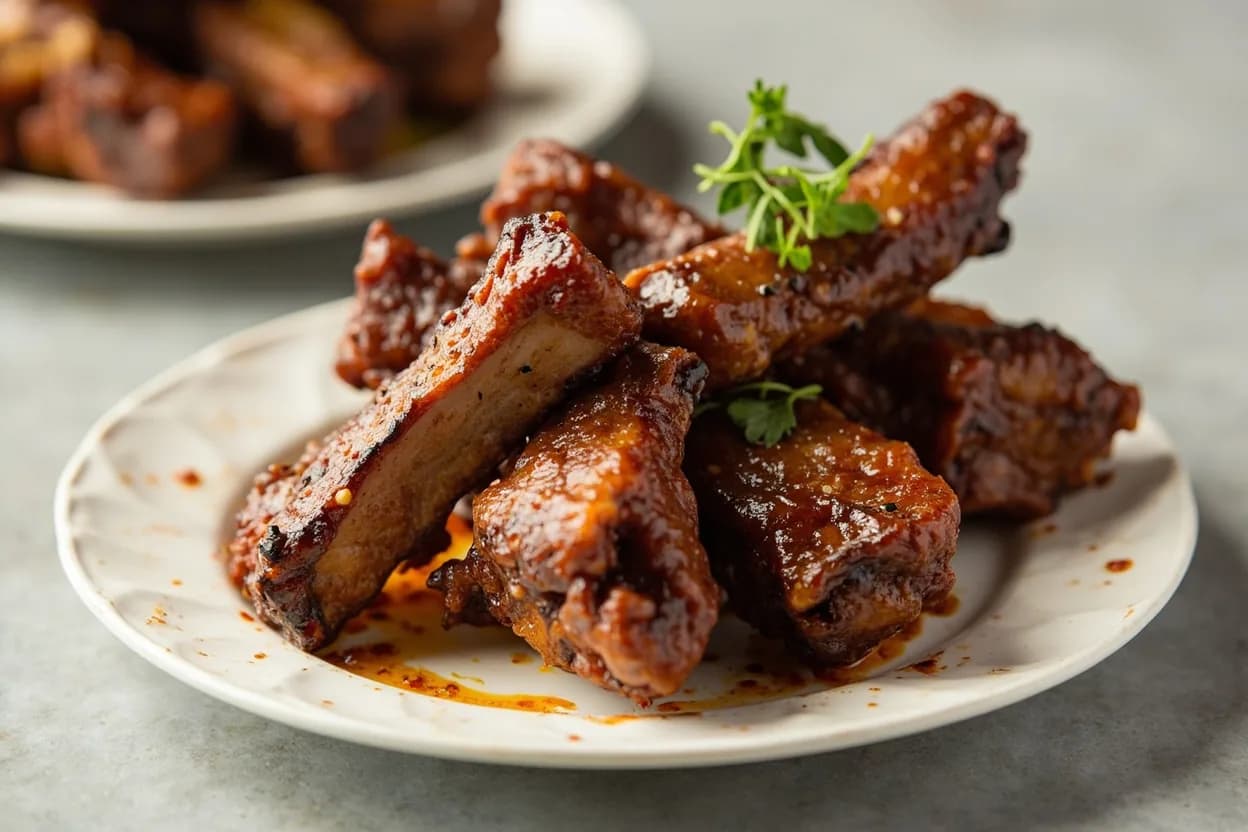
Dishes that rely on it
Related

Sear
Blast the surface hot for a deep-browned, savory crust

Sauté
Cook quickly in a little fat over lively heat, tossing as you go

Stir-Fry
Toss bite-sized pieces over roaring heat for fast, smoky cooking

Pan-Fry
Crisp food in a shallow layer of hot fat, turning once or twice

Deep-Fry
Submerge in hot oil for an all-over crackling crust

Roast
Cook uncovered in dry oven heat for browned edges and tender centers

Bake
Cook with steady, surrounding oven heat — the soul of bread and pastry

Broil
Hit food from directly above with fierce overhead heat