Transform & Preserve
Sulfiting
Treating food or wine with sulfur dioxide to prevent browning and microbial spoilage.
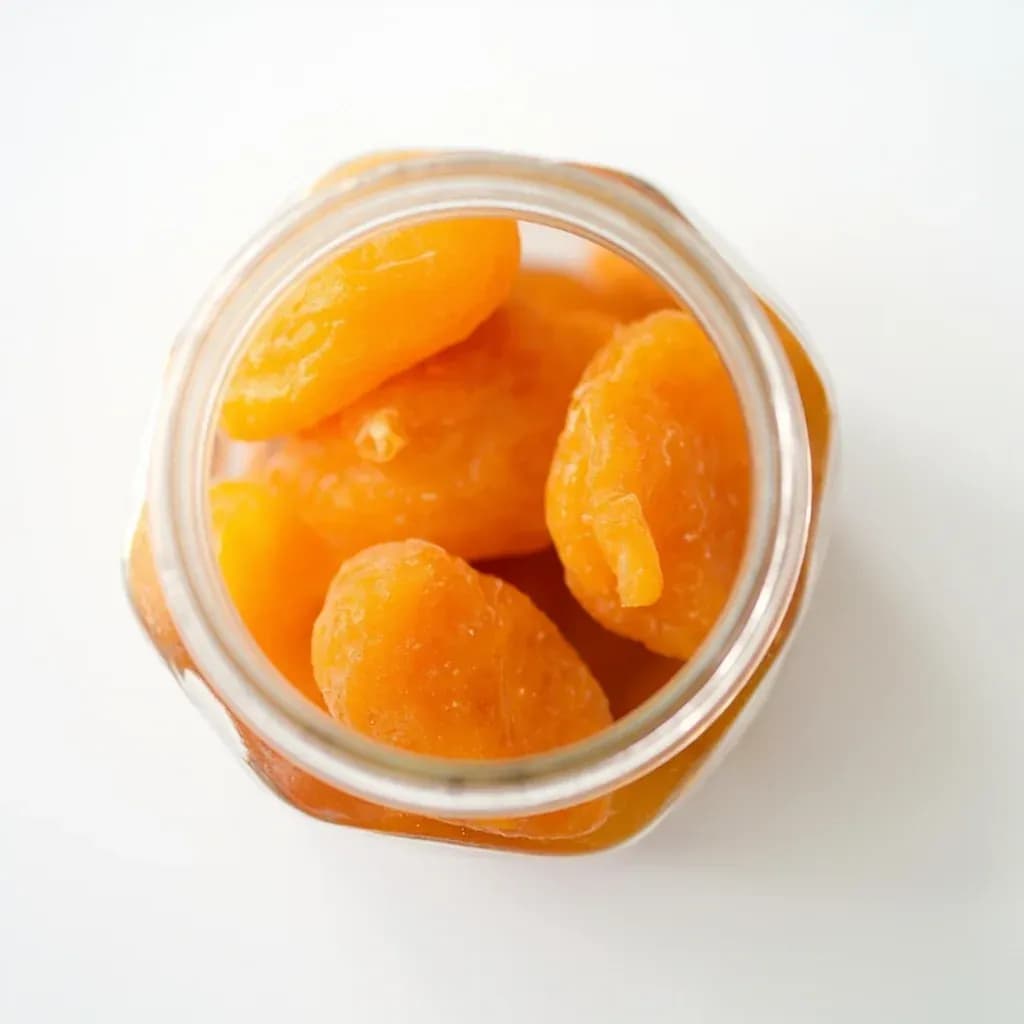
Sulfiting adds sulfur dioxide or sulfite salts to foods and beverages to inhibit oxidation, browning, and unwanted microbes. It is widely used in winemaking, dried fruit, and some preserved vegetables to protect color and extend shelf life. Because sulfites are a regulated allergen for sensitive people, treated products must be labeled.
Sulfiting is the controlled application of sulfur dioxide (SO2), or any of its salts that release SO2 in solution, to a food or beverage. It does three distinct jobs at once: it knocks back spoilage bacteria and wild yeasts, it scavenges oxygen so that cut fruit and finished wine don't oxidize, and it deactivates the polyphenol oxidase enzymes that otherwise turn apple slices, peeled potatoes, and bruised grapes brown. That combination is why sulfites have been the default preservative in winemaking, cider, and dried fruit since antiquity, and why they remain useful in the modern kitchen despite tighter labelling rules.
The active species is molecular SO2 — the uncharged form that diffuses across microbial cell walls — and its concentration depends sharply on pH. In an acidic must at pH 3.0, roughly 6 percent of the free sulfite pool exists as molecular SO2; raise the pH to 4.0 and that share drops below 1 percent. Sulfiting therefore works best in naturally acidic foods (wine, cider, fruit purées, vinegar-based pickles) and poorly in low-acid vegetable brines, where it has to be paired with another hurdle like heat or acidity.
For the home cook, two practical applications cover almost everything: a Campden-tablet dose in juice or must before fermentation, and a dilute metabisulfite dip before drying apples, pears, apricots, or bananas. Both are cheap, predictable, and effective when dosed to a measured target rather than guessed.
- Difficulty
- Medium
Types & varieties
The active molecule itself, used industrially as a compressed gas or generated in situ by burning sulfur.
Preferred for wine, cider, and mead; about 58 percent SO2 by weight and highly soluble.
Standard choice for food dips and commercial dried-fruit brines; about 67 percent SO2 by weight.
Used in some commercial dried-fruit brines and pickle processing.
An older home-preserving salt with lower available SO2; mostly displaced by the bisulfite/metabisulfite forms today.
Pre-weighed KMS tablets, typically 0.44 g each, designed for small-batch winemakers and cider makers.
Combustible pellets burned inside drying cabinets to fumigate whole or sliced fruit with SO2 gas.
How to do it
- 1
Pick the target concentration
Decide what you are protecting. For a clean wine or cider must, 25–50 mg/L total SO2 is typical; for visibly mouldy fruit, push to 80–100 mg/L. For a pre-drying fruit dip, 0.1–0.3 percent metabisulfite in water (1–3 g per litre) is the standard working range. Calculate powder mass from the nominal SO2 content: roughly 58 percent for KMS, 67 percent for NaMS.
- 2
Weigh or count the dose
Use a kitchen scale that reads to 0.1 g, or count whole Campden tablets (each tablet is about 0.44 g of KMS, delivering roughly 250 mg of SO2). Never estimate; the effective window is narrow, and an over-dose shows up as a struck-match off-flavour in finished wine.
- 3
Dissolve before application
Stir the powder into a small volume of cool, chlorine-free water — roughly 50 mL per gram is comfortable — until fully clear. Crush tablets lightly and dissolve the same way. Skipping this step leaves grit at the bottom of the vessel and creates hot spots that can scorch fruit or bleach patches of must.
- 4
Add to the food or must
For wine or cider, pour the solution into the vessel, stir thoroughly, and seal. For drying fruit, submerge slices for 5–15 minutes so every surface is wetted, then drain on a rack. For chamber fumigation of whole or sliced fruit, light a sulfur candle inside an enclosed drying cabinet for the time on the product label — usually a few minutes per cubic metre.
- 5
Let the SO2 settle before pitching yeast
In a fermenting must, wait 12–24 hours after sulfiting before adding your yeast starter. This window lets the SO2 suppress competing wild yeasts and bacteria, and gives the free-SO2 level time to fall to something the cultured strain can tolerate. Pitching immediately is the most common cause of stuck ferments in home winemaking.
- 6
Test and replenish at key points
In wine and cider, measure free SO2 at racking and again just before bottling using a Ripper titration or an aeration-oxidation test. Aim for roughly 0.5–0.8 mg/L molecular SO2 — about 30 mg/L free at pH 3.3, 50 mg/L at pH 3.5. For drying fruit, watch for mould during the first 48 hours of drying; a second light fumigation will rescue a slow batch.
Why pH governs everything
When you add a bisulfite or metabisulfite to a liquid, it forms an equilibrium between three species: molecular SO2, bisulfite ion (HSO3⁻), and sulfite ion (SO3²⁻). Only the molecular form is microbicidal and only it diffuses into cells. The proportion that exists as molecular SO2 depends almost entirely on pH. As a rule of thumb, at pH 3.0 about 6 percent of total free SO2 is in the active form, at pH 3.5 about 2 percent, and at pH 4.0 less than 1 percent. This is why a 30 mg/L free SO2 reading in a clean Riesling is meaningfully protective while the same number in a high-pH apple wine is almost decorative. If your must or juice tests above pH 3.6, you have two choices: dose far more SO2 (often impractical), or lower the acidity with tartaric or citric acid before sulfiting.
- Molecular SO2 is the only antimicrobial species; everything else in the solution is essentially an oxygen-scavenger.
- Raising pH from 3.0 to 3.6 cuts the active fraction to roughly a third — a small pH slip costs a lot of protection.
- Free SO2 ≠ total SO2. Bound SO2 (tied up by aldehydes and sugars) is not protective, so always test free SO2, not total.
Reading the label rules
Sulfiting sits inside one of the most tightly regulated corners of the food world. In the United States, any packaged food with more than 10 ppm residual SO2 must declare 'contains sulfites' on the label. The FDA has banned the application of sulfites to fresh fruits and vegetables sold for raw consumption since 1986, a rule triggered by a series of severe asthmatic reactions in restaurant diners. The European Union operates on a separate, generally stricter framework, with wine caps of 210 mg/L for reds and 400 mg/L for some dessert wines, and E-numbers E220 through E228 covering the various salts. Most countries require disclosure on dried fruit, wines, and preserved condiments, and 'no added sulfites' wines must rely on alternative preservation such as sterile filtration, ascorbic acid, and cold storage.
Common uses
Tips & pitfalls
- Always dissolve the powder in a small amount of cool water first. Dropping crystals directly into must creates local hot spots that can scorch fruit and produces inconsistent protection.
- Do the pH math before you dose. A must at pH 3.8 needs roughly twice as much total SO2 as the same must at pH 3.3 to deliver the same antimicrobial action; if the pH is already high, drop the acidity first instead of piling on sulfite.
- Store opened KMS in an airtight, opaque container. It oxidizes and loses potency quickly when exposed to air and humidity, so a half-used bag from last season is usually no better than guesswork.
- Rinse equipment thoroughly after sulfiting. Even a thin film of residual SO2 left in a carboy or barrel will inhibit the next yeast pitch or fermentation and can produce hydrogen sulfide off-odours later.
- Avoid sulfiting fresh produce that will be eaten raw — the practice is restricted in many jurisdictions and can produce visible black spots on bruised or damaged tissue.
- Handle powders outdoors or with good ventilation; the dust can trigger bronchospasm in asthmatic users, and burning sulfur candles should only be lit in a sealed chamber, never in a living space.
- If a finished wine smells of struck match or rotten eggs, it is over-sulfited. Rack with aeration to drive off excess or blend with an unsulfited lot rather than waiting for it to 'blow off' on its own.
- Ascorbic acid is a useful complement, not a substitute: it scavenges oxygen and prevents browning but does not knock back microbes, so swap it in only when colour protection is the only goal.
Good to know
- Active compound
- Sulfur dioxide (SO2), applied directly or released from bisulfite/metabisulfite salts
- Functional classes
- Antimicrobial, antioxidant, and polyphenol-oxidase inhibitor — three effects in one dose
- Most common home forms
- Potassium metabisulfite (KMS) for fermentations, sodium metabisulfite (NaMS) for food dips, Campden tablets as a pre-weighed convenience
- Labeling threshold (US)
- Mandatory declaration on packaged foods with more than 10 ppm residual SO2
- Regulatory limits (wine)
- Up to 350 mg/L total SO2 in the US; up to 210 mg/L in EU reds, with higher caps for some dessert wines
- pH dependence
- Active molecular SO2 rises as pH falls; most antimicrobial effect below pH 3.5
- Typical wine dose
- 25–50 mg/L for clean must; 80–100 mg/L for fruit visibly moulded in the field
- FDA restriction
- Sulfites may not be sprayed or applied to fresh fruits or vegetables sold for raw consumption (since 1986)
Also called
Sulfuring · Sulfite Treatment
Related

Confit
Cook slowly submerged in fat for silky tenderness and keeping

Cure
Draw out moisture with salt and time to preserve and concentrate

Pickle
Steep in acidic brine for bright, tangy, crunchy preservation

Ferment
Let friendly microbes transform food into tangy, complex flavor

Marinate
Soak in a seasoned mix to flavor and tenderize before cooking

Brine
Soak in salt water so meat stays juicy and seasoned throughout

Dehydrate
Slowly dry out moisture to concentrate flavor and extend shelf life

Cold-Smoke
Perfume cured food with smoke without cooking it through