Knife Skills
Mincing
Cutting food into very fine pieces so it disperses evenly through a dish.
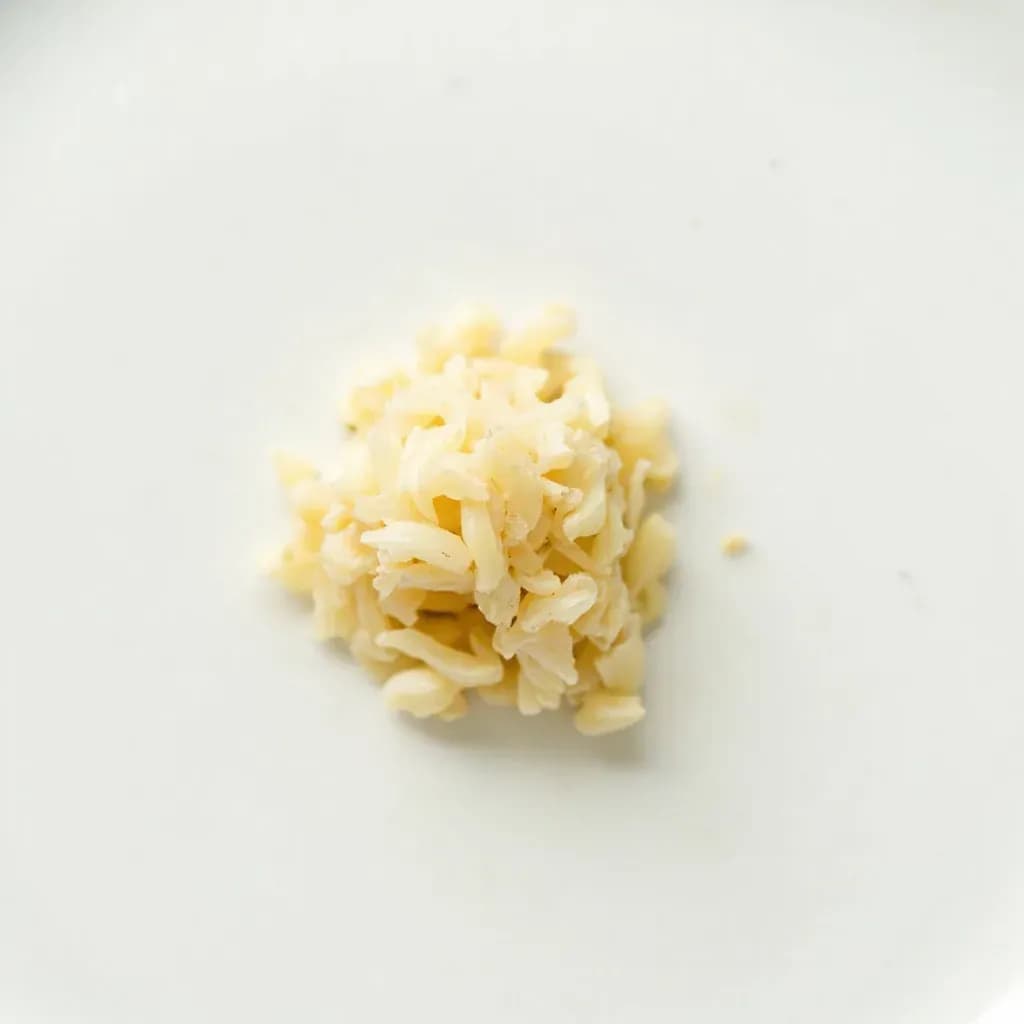
Mincing chops food, classically garlic, ginger, herbs, or aromatics, into the smallest even pieces, finer than a dice, so the flavor spreads throughout a dish and almost melts into it. It's done with a rocking knife, a mezzaluna, or a cleaver depending on the kitchen tradition. Aromatics like garlic release more pungent oils the finer they're cut, which is why mincing tastes stronger than slicing.
Mincing is the practice of cutting food into very small, even pieces — small enough to disperse through a dish without ever announcing themselves as distinct chunks. The piece size typically falls around 1/8 inch (3 mm) for a coarse mince and approaches 1/16 inch (1.5 mm) or finer for a fine one, blurring the line into a paste for soft aromatics like garlic and ginger. The technique is, more than almost any other knife skill, the workhorse of flavor-building: nearly every sauce, sauté, stir-fry, soup, and stew in the savory canon begins with an aromatic that has been minced.
What separates mincing from a fine chop is uniformity and intent. A chopped onion tolerates variation; a minced one does not, because the pieces are small enough to bite but small enough to count — uneven bits cook at different rates, scorch in the pan, or leave raw pockets in a finished sauce. The cut also exposes a tremendous amount of surface area, which is exactly why it is the prep of choice for garlic, shallot, ginger, and fresh herbs: more cut surface means more ruptured cell walls, more released essential oils, and more rapid infusion into fat or liquid.
Mincing is a feel-and-rhythm skill rather than a measurement one. Once the ingredients and knife are right, the work is mostly a steady rocking of the blade — tip anchored, heel rising and falling — while the guiding hand walks the food under the edge. Practiced on parsley and onion, the motion becomes the gateway to every finer cut in the kitchen: a rough mince is the first move toward a brunoise, a chiffonade feeds directly into a fine mince, and a salt-smeared mince is the first step toward a true paste.
- Difficulty
- Easy
Types & varieties
The smallest hand-cut size, around 1/16 inch (1.5 mm); used for garlic, ginger, and herbs where the pieces should nearly disappear into the dish.
Around 1/8 inch (3 mm); used for shallots in vinaigrette, anchovies, capers, and rustic herb garnishes where some texture is welcome.
The standard chef's-knife method: a half-circle rocking motion with the tip anchored, heel rising and falling as the blade walks through the pile.
Achieved by pounding rather than cutting; produces a pulpy, juicy result favored for Thai curry pastes, pesto, and spice pastes.
Performed by a meat grinder or food processor; acceptable for ground meats but generally discouraged for herbs and aromatics, which bruise and oxidize under the blade.
An archaic British use of 'mince' referring to finely chopped dried fruit, suet, and spices bound with spirits — a different thing from a mince cut, but worth disambiguating.
How to do it
- 1
Set up the station
Place a damp kitchen towel or non-slip mat under the cutting board so it cannot walk. Use an 8–10 inch (20–25 cm) chef's knife that has just been honed or sharpened. Have a bench scraper or the flat of the blade ready to gather the food between passes.
- 2
Prep the ingredient
Peel garlic and shallots. Strip herb leaves from tough stems (whole sprigs of thyme are fine). Peel ginger with the edge of a spoon to follow the contours. For citrus zest, use a microplane (no further mincing needed) or a zester, whose longer strips can be chopped finer. Halve rounded items like garlic cloves and shallots lengthwise so a flat side sits flush against the board.
- 3
Make the initial slices
Cut the ingredient into even slices about 1/8 inch (3 mm) thick — lengthwise along the grain for meats, crosswise for aromatics — leaving the slices connected at one end so the stack holds together as a unit.
- 4
Stack and slice across
Turn the slices 90° and cut across them at the same 1/8 inch thickness, again keeping the pieces connected. You now have a fine crosshatch, the same starting point used for a brunoise.
- 5
Rock through the pile
Gather everything into a compact mound. Anchor the knife tip on the board and rock the heel up and down in rapid, even strokes, walking the blade sideways through the mound with each pass. Use a claw grip — fingertips curled inward, knuckle riding the blade — to guide the food and protect the fingertips.
- 6
Re-gather and re-cut
Use the bench scraper to scrape the pile back into a tight mound and rock through it once or twice more. Each pass makes the cut more uniform and brings the size down toward the target. Stop when the pieces are even and as small as the recipe calls for.
- 7
For a garlic paste (optional)
Sprinkle the minced garlic with a pinch of coarse salt. Hold the knife at a low angle, tip down, and scrape and smear the garlic against the board repeatedly. The salt acts as an abrasive, breaking the cells down into a smooth paste in under a minute.
Mincing vs. chopping vs. dicing
The three cuts are often used interchangeably in recipes, but they behave differently in the pan. A chop tolerates uneven pieces; a dice aims for clean, uniform cubes; a mince aims for something smaller still, with pieces close enough in size that they cook in the same instant. The practical difference shows up in a sauté: chopped onions land in distinct, identifiable bites; diced onions disappear into a fond; minced onions melt into the fat and become the seasoning itself. When a recipe asks for a mince, it usually wants the ingredient to vanish into the dish as flavor rather than appear as texture.
Mincing by ingredient
Different foods reward different approaches within the same general technique.
- Garlic: crush under the flat of the blade to break the skin and start the mince; finish with a salt-smeared paste if a smooth result is wanted.
- Ginger: peel with the edge of a spoon to follow the knob's contours, then slice thinly against the grain before rocking through.
- Shallots and onions: halve root-to-tip and make vertical cuts first (leaving the root end intact so the layers hold), then horizontal cuts parallel to the board, then crosswise — the classic three-direction method — to keep layers from sliding under the blade.
- Leafy herbs (parsley, basil, cilantro, mint): stack, roll into a tight cigar (chiffonade), slice into thin strips, then gather and rock through once more.
- Chilies: slit lengthwise and scrape out the ribs and seeds for less heat, then mince the flesh; a chiffonade stack works well here too.
- Nuts: chop with a rocking motion on a dry board; a damp board makes them skate.
- Raw meat: chill the meat nearly to freezing for a clean cut, then slice against the grain, stack, and rock through to the desired fineness.
Common uses
Tips & pitfalls
- Sharpen the knife before you start — a truly sharp edge is the single biggest variable in a clean mince, and a dull blade will crush and bruise rather than slice.
- Anchor the board with a damp towel or non-slip mat; side-to-side rocking transfers force into the counter and will walk an unsecured board across it.
- For garlic, crush the clove under the flat side of the blade first to break the skin and rupture the cells — this both speeds the mince and intensifies the flavor.
- For leafy herbs, stack, roll into a tight cigar (chiffonade), slice crosswise into thin strips, then gather and rock through once more for an even cut.
- Use the claw grip — fingertips curled inward, knuckle riding the blade — to guide the food and protect the fingertips; this lets you cut faster and closer to the edge.
- Do not saw back and forth. A mince is a series of clean downward strokes or one continuous rocking motion; a slicing drag tears cell walls and smears the food.
- Gather the pile with the blade or a bench scraper between every pass; pushing scattered bits back under the knife keeps the cut uniform and prevents a 'muddy' crushed zone on the outside of the mound.
- Chill tender herbs (basil, cilantro, mint) in the freezer for 10–15 minutes before mincing; cold leaves cut cleaner and release less chlorophyll, reducing blackening.
- Avoid the food processor for herbs and garlic in uncooked applications — the high speed oxidizes and bruises them, producing a green, bitter paste instead of bright, fragrant flecks.
- Salt the minced pile lightly and let it sit for a minute; salt draws out moisture, which can either help the mince hold together or be blotted away to concentrate the flavor.
Good to know
- Particle size
- Typically 1/8 inch (3 mm) for a coarse mince, down to 1/16 inch (1.5 mm) or finer for a fine mince; smaller than a fine chop and approaching a paste for soft aromatics.
- Etymology
- From Old French 'mincier' (to make small), from Vulgar Latin 'minutiare'; borrowed into English cooking usage by the late Middle Ages.
- Primary tool
- 8–10 inch (20–25 cm) chef's knife; also done with a santoku, mezzaluna, heavy rocking knife, or cleaver (for meat).
- Cutting motion
- Rocking or chopping with the blade tip anchored to the board while the heel rises and falls in rapid, controlled strokes.
- Knife condition
- Requires a very sharp edge; a dull blade crushes cell walls rather than slicing, bruising herbs and smearing garlic into a wet pulp.
- Commonly minced foods
- Garlic, ginger, shallots, onions, fresh herbs (parsley, chives, thyme, basil), chilies, citrus zest, capers, anchovies, nuts, and raw meat for tartare and forcemeat.
- Cuisine emphasis
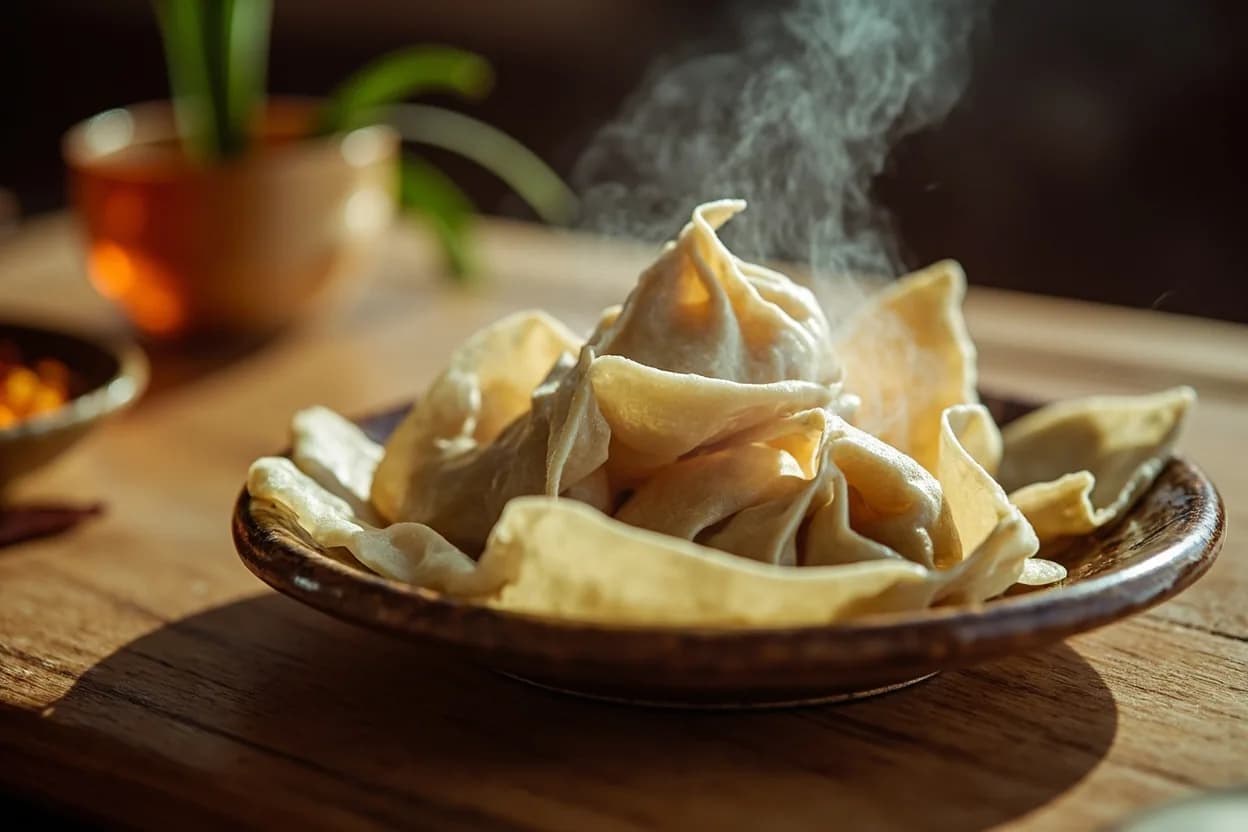
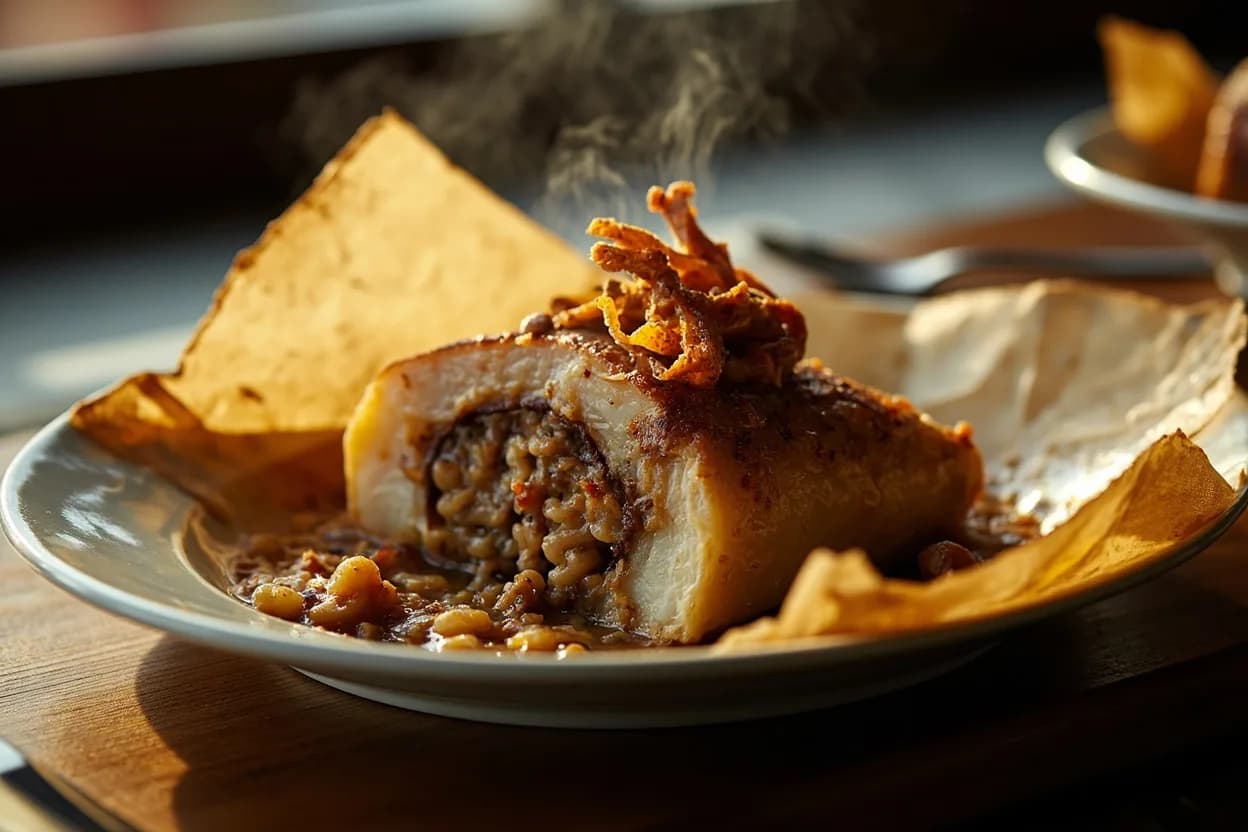
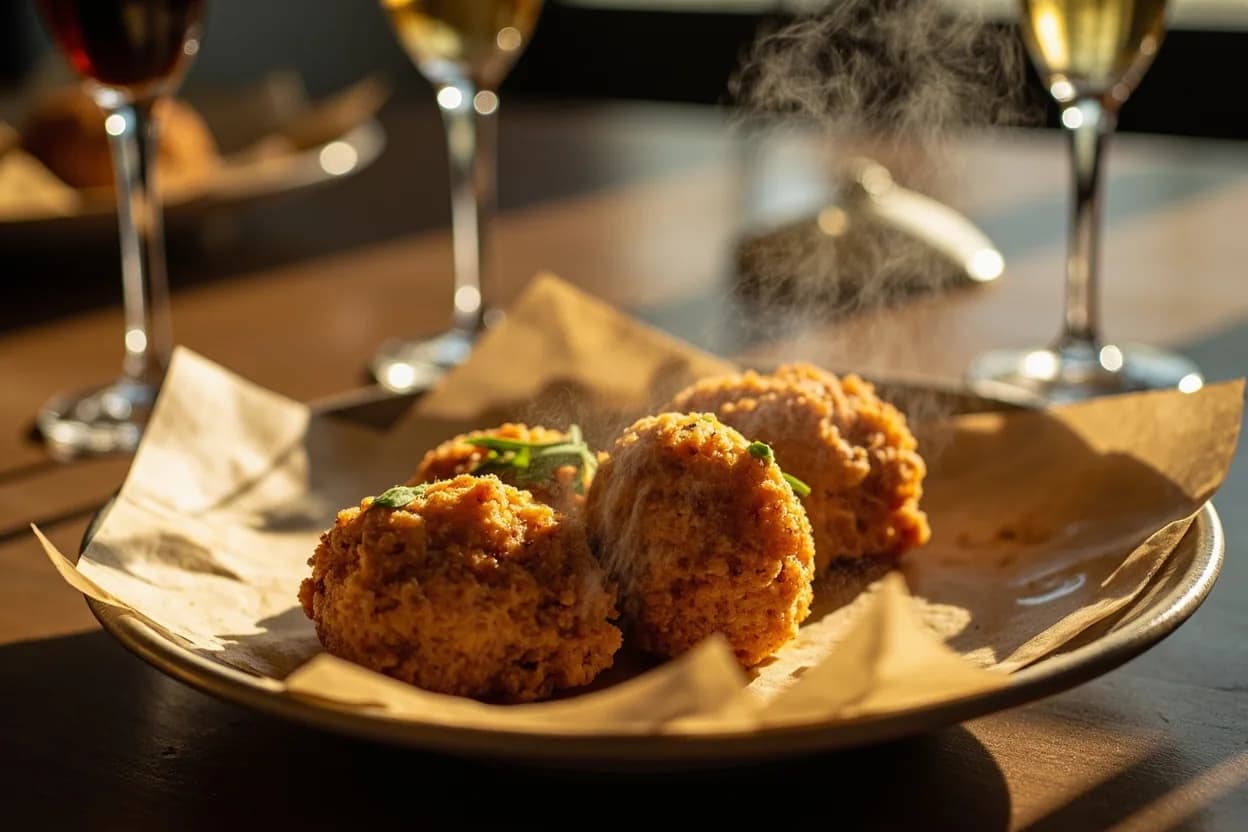
- A defining prep across French (persillade, duxelles, fines herbes), Chinese (aromatics for stir-fry, dumpling fillings), Italian (soffritto, gremolata, pesto), Indian, and Levantine (hummus, tabbouleh) cooking.
- Related finer cuts
- Smaller than a brunoise (3×3×3 mm cubes) when done as a fine mince; larger than a true paste or purée.
- Difficulty
- Beginner-friendly for soft aromatics; precision mincing for garnish work is intermediate to advanced.
- Time
- A single garlic clove takes 20–40 seconds by hand; a small bunch of parsley takes 1–2 minutes.
Also called
Mincing Garlic · Fine Mincing · Mince (Ciseler) · Finely Chopping Herbs
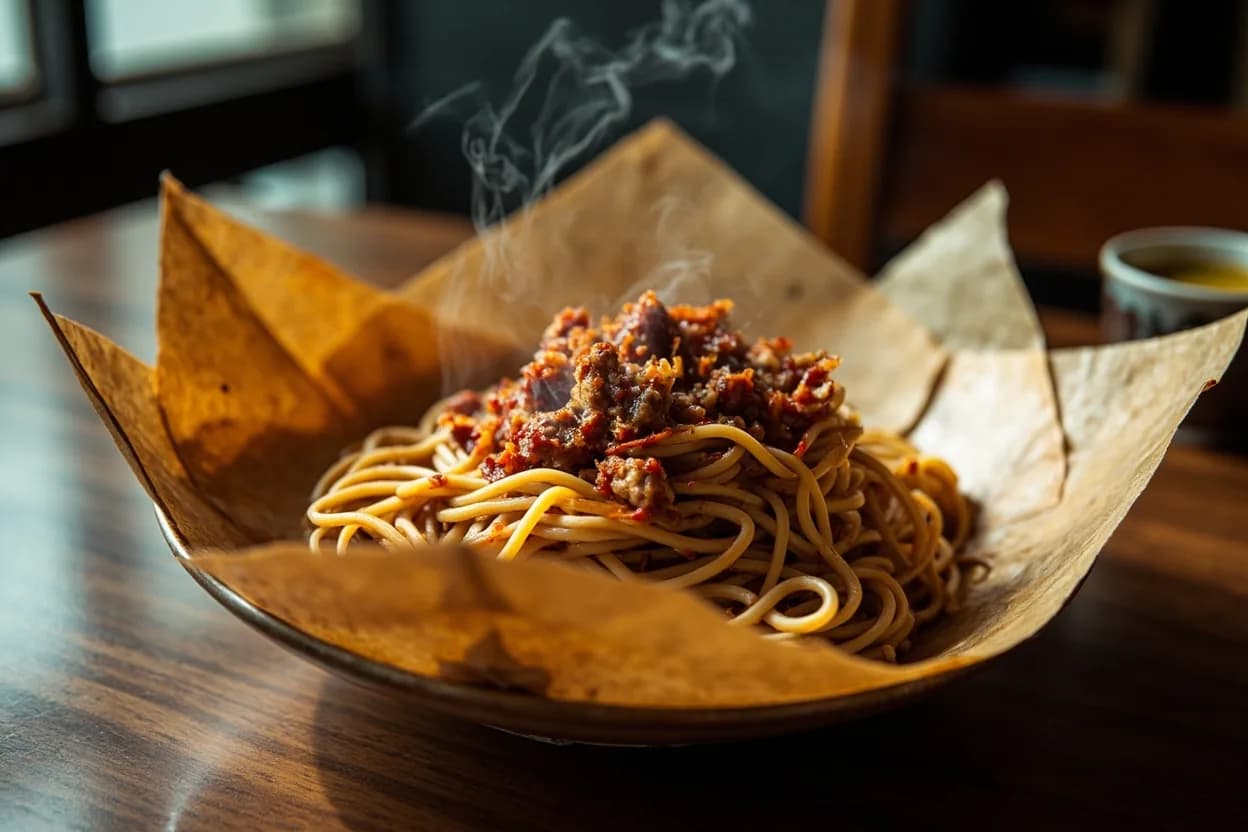
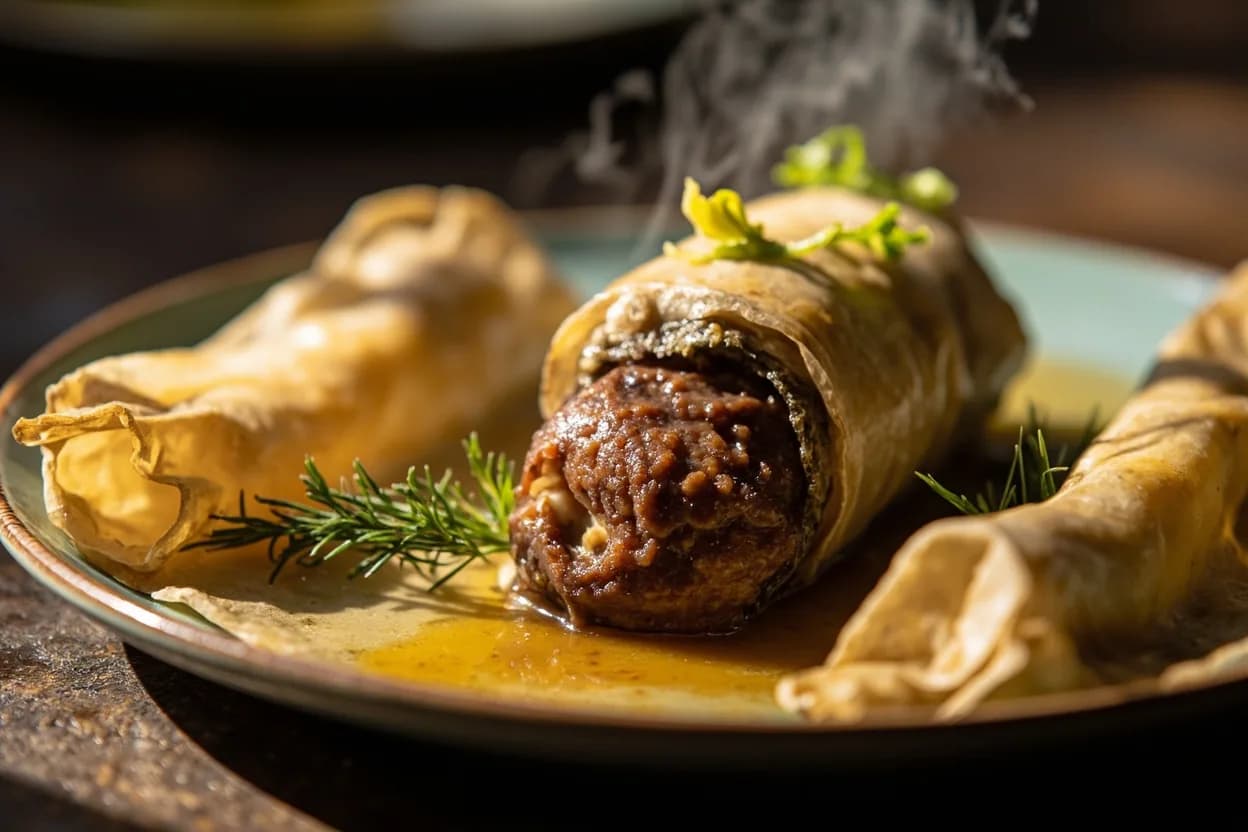
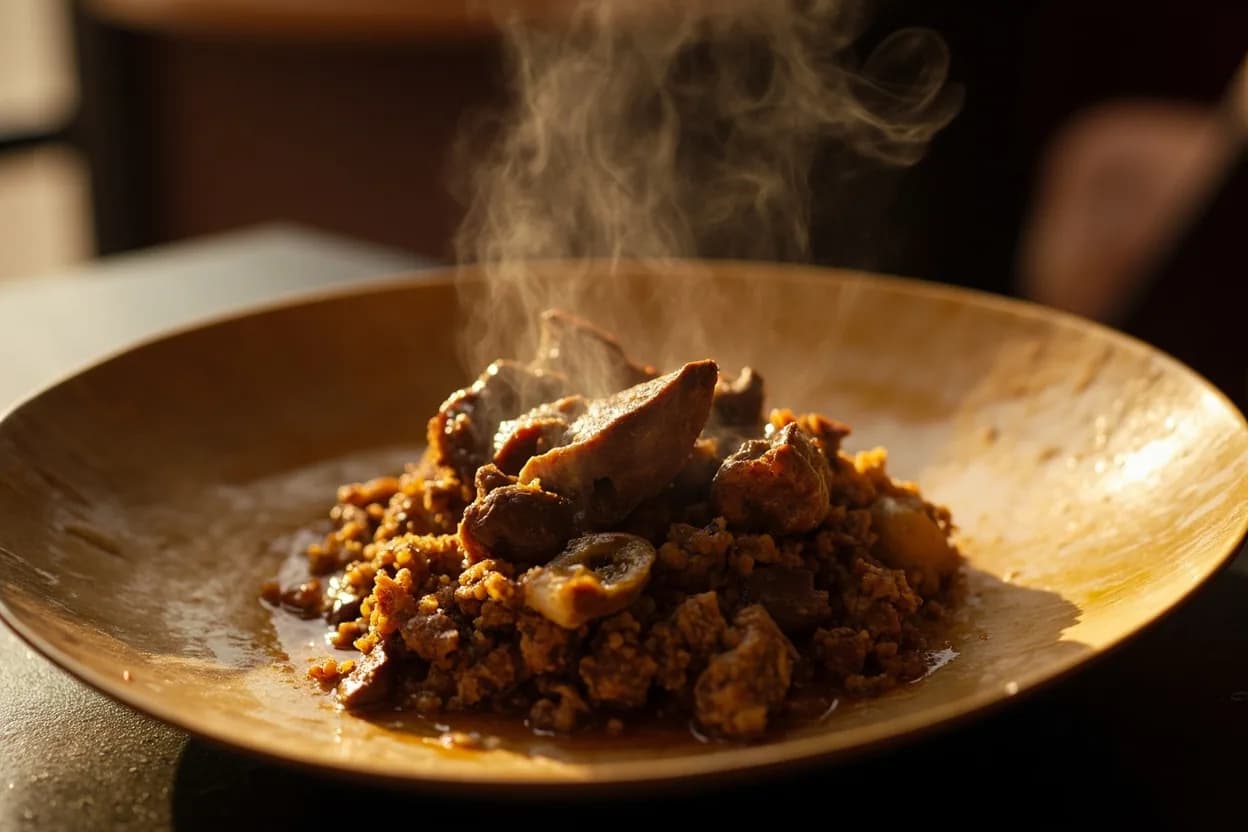
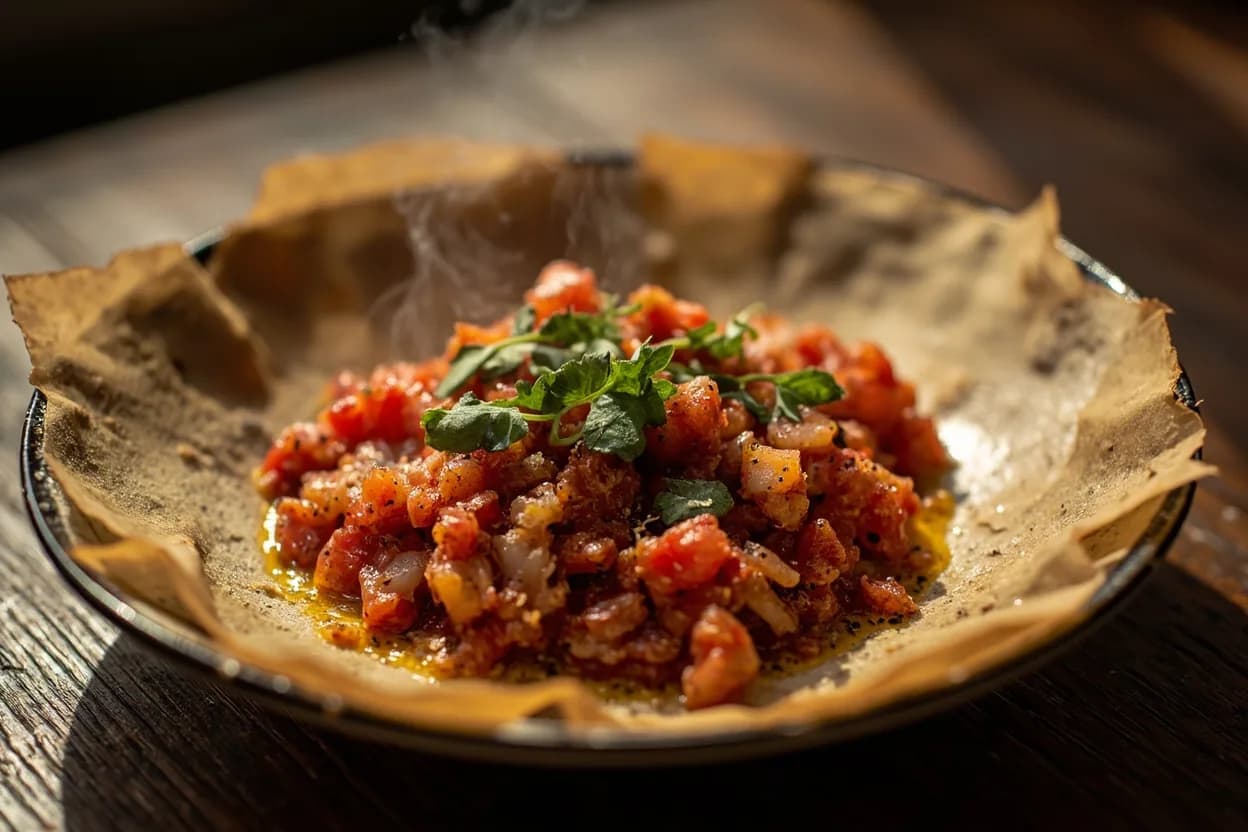
Dishes that rely on it

Related

Chop
Cut into rough, irregular pieces — the everyday workhorse cut

Dice
Cut into uniform cubes for even cooking and a tidy look

Mince
Cut as fine as possible so flavor melts evenly into the dish

Slice
Cut into even, flat pieces for consistent cooking and presentation

Julienne
Cut into thin matchsticks for fast cooking and elegant garnish

Brunoise
Cut into tiny, precise cubes — the finest dice in the kitchen

Chiffonade
Roll and slice leafy greens into delicate ribbons

Batonnet
Cut into tidy sticks, thicker than julienne — think classic fries