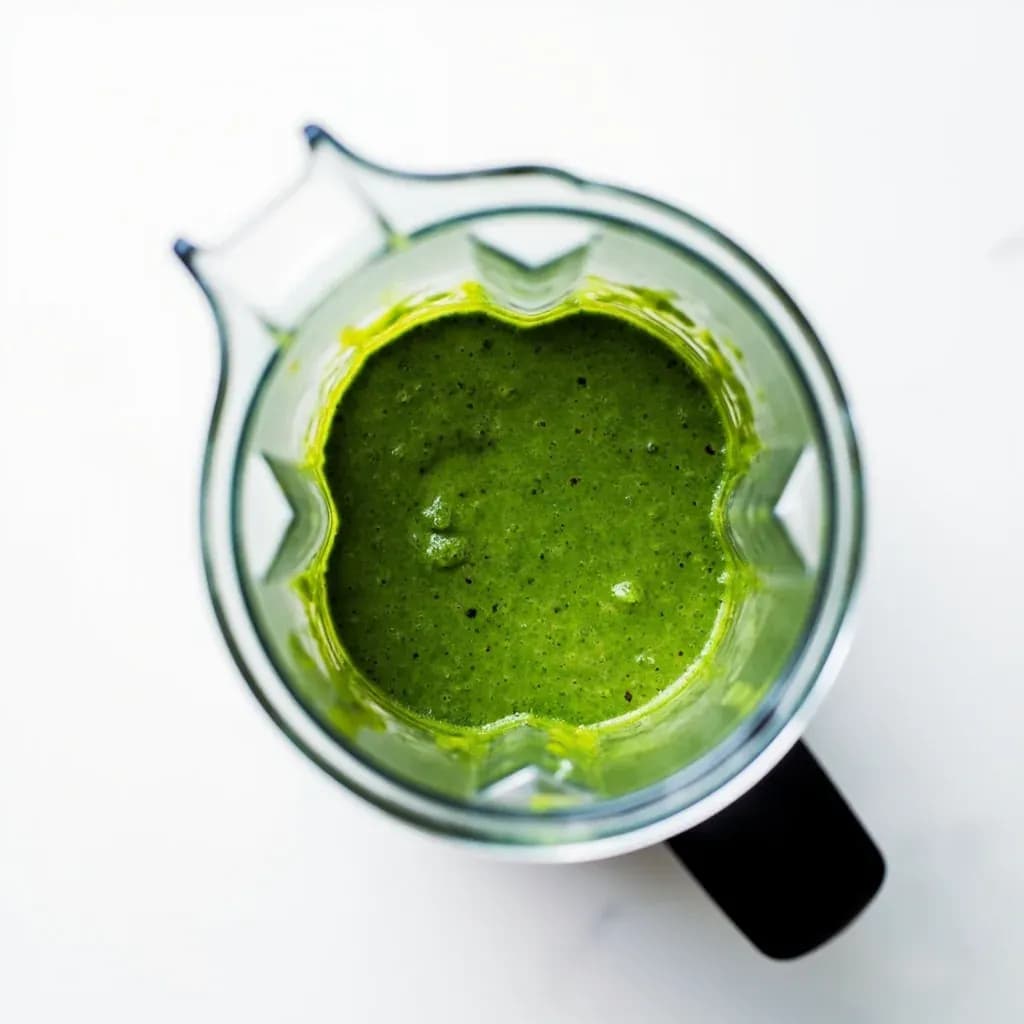
Prep & Assembly
Blending
Combining ingredients into a smooth liquid or purée using a blender or processor.
Blending uses a high-speed blade to break down and combine ingredients into a smooth purée, sauce, juice, or batter. It is essential for soups, smoothies, spice pastes, and emulsified dressings. Blending time and speed control the final texture, from coarse salsa to silky velouté, and incorporating ingredients gradually prevents splashing and uneven results.
Blending is the mechanical reduction of ingredients into a smooth liquid, purée, or fine dispersion using rapidly spinning blades. Unlike whisking or mixing, which combine components without changing their size, blending physically breaks open cell walls, releasing flavour compounds, starches, and pigments that a knife can never reach. This is why a 60-second blend of roasted red peppers, almonds, garlic, and oil produces a sauce with a silkiness that no amount of chopping or stirring can imitate.
The technique covers a wide spectrum of textures, from a chunky pulse-chopped salsa to a pourable, fibre-suspended smoothie, and even extends into light cooking: high-performance machines running five to eight minutes generate enough blade friction to heat cold ingredients to roughly 120 °F (49 °C), the principle behind raw 'hot' soups and warm nut milks. The modern home blender descends from Stephen Poplawski's 1922 drink-mixer patent and Fred Waring's 1935 Waring Blender, but the high-performance category (Vitamix, Blendtec, and their successors) only matured in the 1990s and 2000s, expanding blending into nut butters, flours, and friction-cooked purées.
The cook's main variables are equipment, load order, speed, and time. Get those right and the technique is forgiving; get them wrong and you get a blown-off lid of hot soup, a bitter green sauce, or a mayonnaise that has broken into greasy curds.
- Difficulty
- Easy
Types & varieties
Produces a smooth, lump-free paste or liquid — the classic application (tomato sauce, hummus, baby food).
Fully fluid result with no body — smoothies, gazpacho, cold soups, juices with fibre retained.
Forcing oil into water-based liquids in micro-droplets to create stable suspensions (mayonnaise, vinaigrette, hollandaise).
Requires blades and motor strong enough to fracture ice; use the 'ice' or pulse setting and add small amounts at a time.
High-performance blenders can mill whole spices, grind grain into flour, or make nut butters through sustained friction.
Short bursts with a small amount of liquid incorporate air — useful for frothed milk or light batters.
High-speed blenders running 5–8 minutes can heat contents to ~120 °F / 49 °C via blade friction — the principle behind raw 'hot' soups and warm nut milks.
Short on-off bursts to control texture — used for chunky salsas, pesto, or roughly chopped nuts.
How to do it
- 1
Choose the right tool
Match the equipment to the job: a high-performance blender for nut milks, frozen drinks, and ultra-smooth purées; a standard countertop blender for everyday smoothies and sauces; an immersion blender for soups still in the pot; a food processor for chunky mixtures or anything with dough-like body where you want some texture.
- 2
Prepare the ingredients
Peel, seed, and core as needed. Cut firm produce into roughly 1-inch (2.5 cm) pieces so the blades can catch them. Measure liquids and stack everything in the order it will enter the jar: liquids first, then soft solids, then powders and seeds, with ice or frozen fruit on top.
- 3
Load the jar
Pour liquids in first, add soft ingredients (leafy herbs, yogurt, cooked vegetables), then dry goods, and finish with the hardest or frozen items. Do not exceed the maximum fill line — for hot liquids stay at two-thirds full to allow for expansion and steam.
- 4
Secure the lid and start low
Lock the lid firmly, ensuring the centre cap is in place (or removed and covered with a folded towel, when blending hot liquids). Begin on the lowest speed for 5–10 seconds to dislodge air pockets and pull solids into the blades. This prevents a powdery puff-out and produces a smoother result than starting at high.
- 5
Increase speed and blend to target texture
Ramp the dial to high and blend until smooth, usually 30–90 seconds for most purées and smoothies. Use the tamper through the lid opening to push thick mixtures down if circulation stalls. For chunky results, use short pulses instead of continuous blending.
- 6
Check and adjust
Stop the machine, remove the lid, and inspect the texture. Add a splash of liquid if too thick, or more solid ingredients if too thin, then blend briefly again. Taste and season — salt, acid, and sweetness read differently in a puréed mixture than in chopped form, so adjust in small increments.
- 7
Serve or store
Pour or scrape out immediately. If storing, press plastic wrap directly onto the surface of purées to prevent oxidation, then refrigerate up to 3–4 days. Many blended sauces (pesto, herb sauces, curry pastes) freeze well in ice-cube trays for single-serving portions.
Choosing the right machine
The single biggest variable in blending is the machine, and the machines are not interchangeable. A modest ~200-watt entry-level blender will make a fine smoothie and a respectable mayonnaise, but it will stall on almond butter, leave fibrous strands in gazpacho, and struggle to pulverise ice. A 1,500–1,800-watt high-performance model will turn soaked cashews into pourable cream in about a minute and mill grain into fresh flour in just a few minutes.
- Countertop blender: the all-purpose workhorse for smoothies, puréed soups, sauces, and crushed ice; best for batches of 1–2 L.
- High-performance blender (e.g., Vitamix, Blendtec): the only realistic choice for friction-heated soups, ultra-fine purées, nut butters, and small-batch grain milling.
- Immersion (stick) blender: a handheld wand that blends directly in the pot or container — the safest, least-messy option for hot soups and small jobs.
- Food processor: similar size-reduction with an S-blade in a wider bowl; preferred for chunky mixtures, doughs, and pastry work where you want some texture.
Safety with hot liquids
More blender accidents come from hot liquids than from blades. Steam expands rapidly inside a sealed jar, the contents heat up and steam accumulates below the surface, and the next speed change triggers an eruption that can scald the cook and coat the ceiling. Treat hot soup as a distinct technique, not a casual substitution for cold blending.
- Allow cooked soup to cool 5–10 minutes before blending, or use an immersion blender directly in the pot.
- Always vent the lid (remove the centre cap, or cover the opening with a folded kitchen towel) before starting the machine.
- Start on the lowest speed and increase gradually — never jump straight to high with hot contents.
- For very hot batches, blend in small portions rather than filling the jar past the two-thirds line.
Common uses
Tips & pitfalls
- Layer ingredients correctly: liquids first, then soft items (herbs, yogurt), then hard or frozen items, with ice or nuts on top. The weight of the liquid pulls solids into the blades and prevents air pockets.
- Never fill the jar more than two-thirds for hot liquids, and always vent the centre cap of the lid (or cover the opening with a folded kitchen towel) to release steam and prevent a pressure blow-off.
- Start on the lowest speed and ramp up — this prevents powders from escaping the lid and gives a smoother result than dumping everything in at high.
- For thick mixtures that won't circulate, use the tamper that came with your blender through the lid's opening; never insert a spoon or spatula while the machine is running.
- Cut dense produce (carrots, squash, beets) into 1-inch (2.5 cm) chunks and pre-cook or pre-soak when a smooth result is needed — the blades cut, they don't dissolve.
- Use an immersion (stick) blender for hot pots of soup; it is safer and less messy than transferring boiling liquid to a countertop jar.
- Do not overblend leafy herbs (basil, cilantro, parsley): they oxidise, turn black, and become bitter after a minute in a high-speed blender. Pulse just to chop, then emulsify with oil.
- When making mayonnaise-style emulsions, add the oil in a slow, thin stream with the blender running — patience builds a stable emulsion; rushing breaks it.
- Avoid blending carbonated liquids: the gas expands and can blow the lid. Stir fizzy ingredients in by hand after blending the base.
- Clean the blade base thoroughly after oily or strong-smelling preparations (garlic, fish, curry) — residue will flavour the next batch. A quick blend of warm water with a drop of dish soap, then a rinse, works well.
Good to know
- Technique family
- Mechanical size-reduction and mixing
- Primary equipment
- Countertop blender, immersion (stick) blender, high-performance blender, food processor
- Invented
- 1922 — Stephen Poplawski patented the first blender-style drink mixer in Racine, Wisconsin; Fred Waring's Waring Blender (1935) popularised it for home and professional use
- Power range
- ~200 W (basic home blenders) to 1,500–1,800 W (commercial / high-performance models)
- Blade-tip speed
- Up to ~37,000 RPM in high-performance machines
- Typical duration
- 10 seconds to several minutes, depending on target texture
- Capacity rule of thumb
- Fill jar no more than two-thirds full, especially for hot liquids or anything that expands (e.g., hot soup, frozen fruit)
- Difficulty
- Beginner; main risks are over- or under-processing, lid blow-offs with hot liquids, and broken emulsions
Also called
Pureeing · Licuar · Bater no Liquidificador · Blitzing
Dishes that rely on it
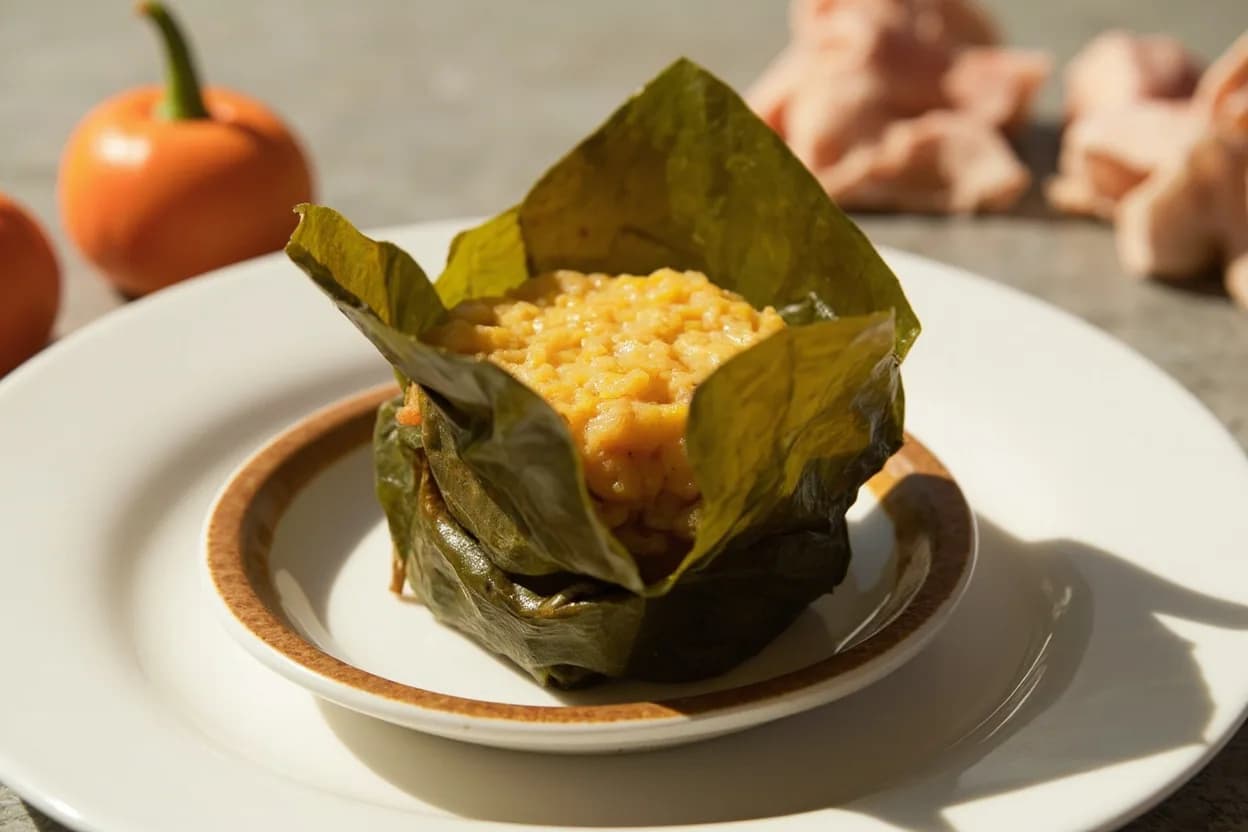
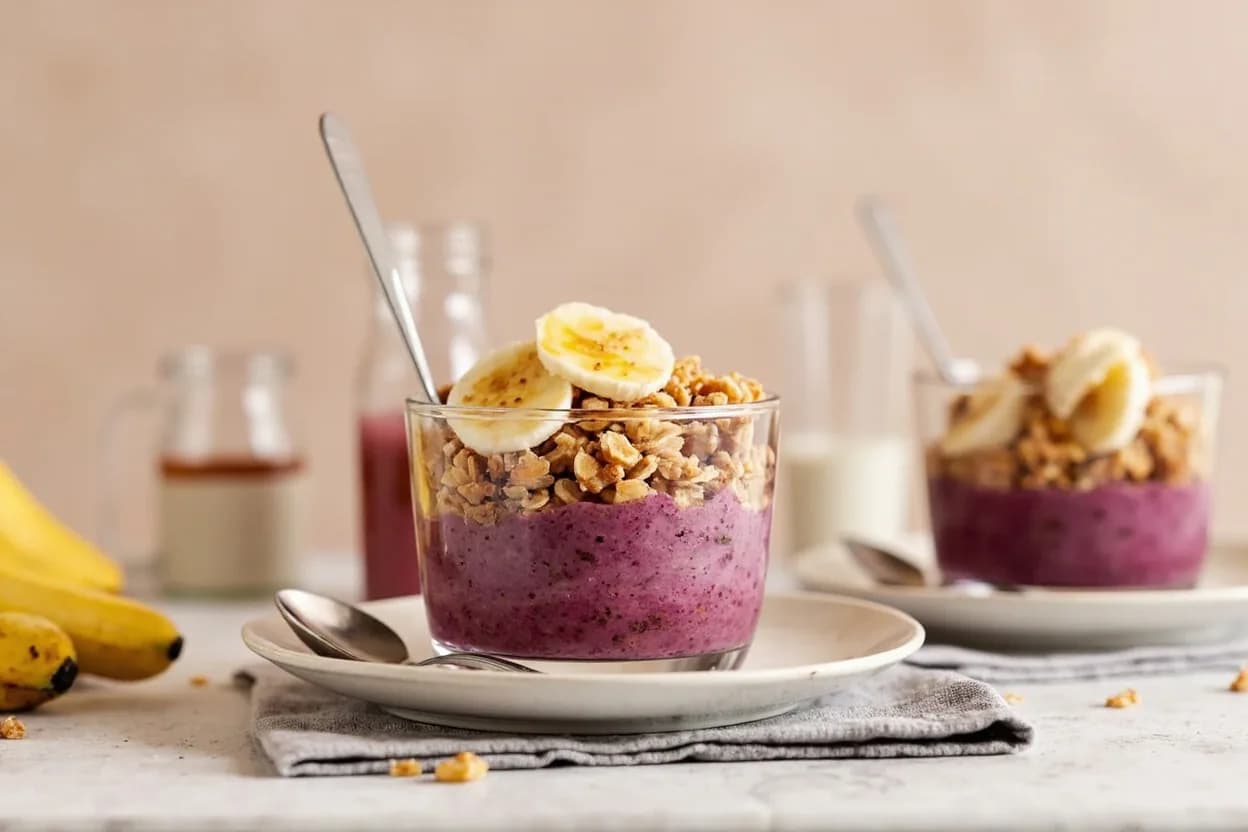
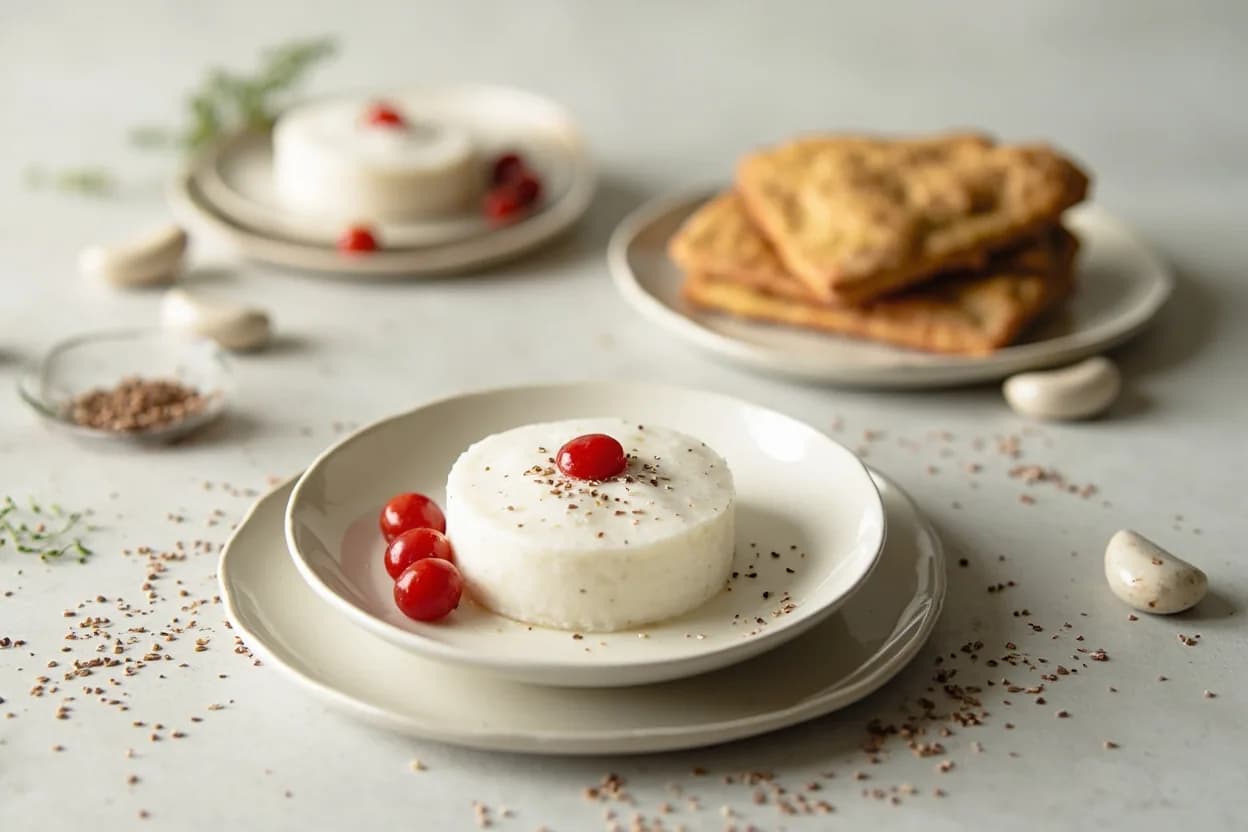
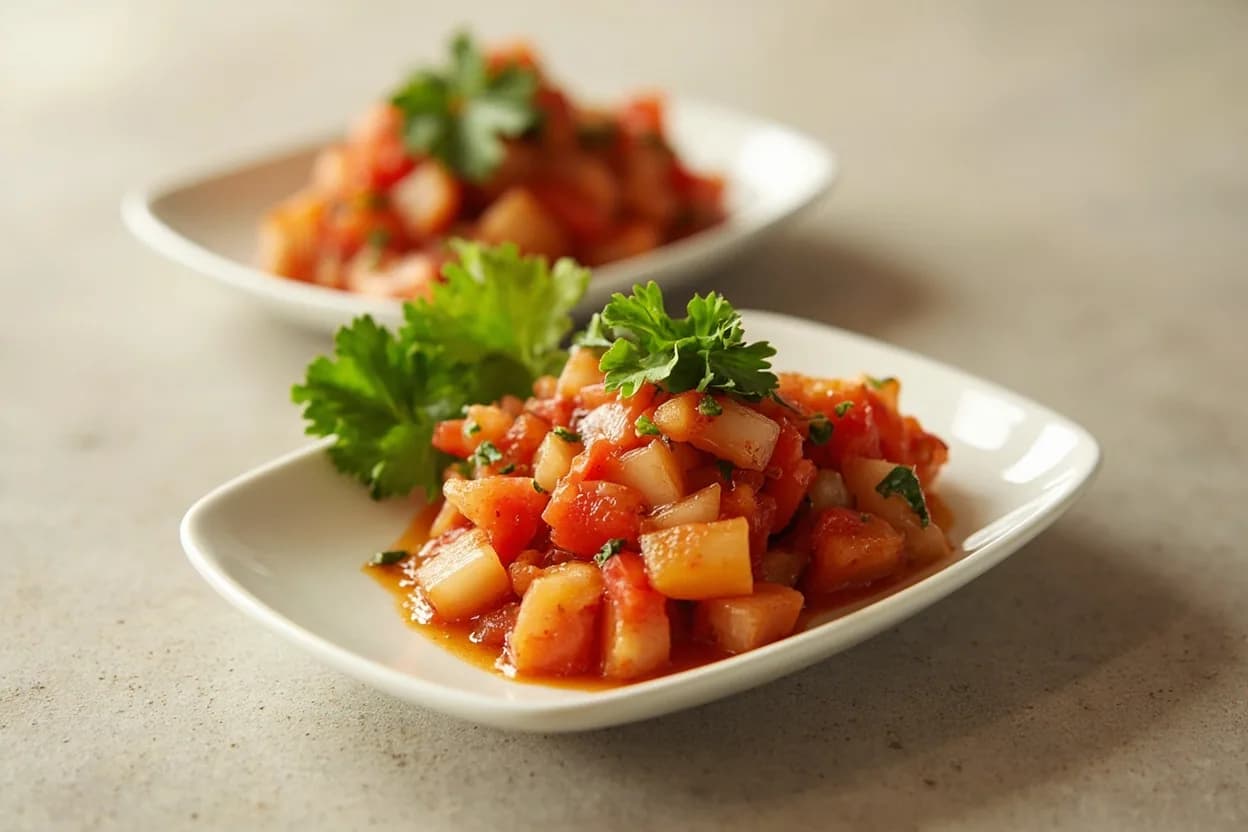
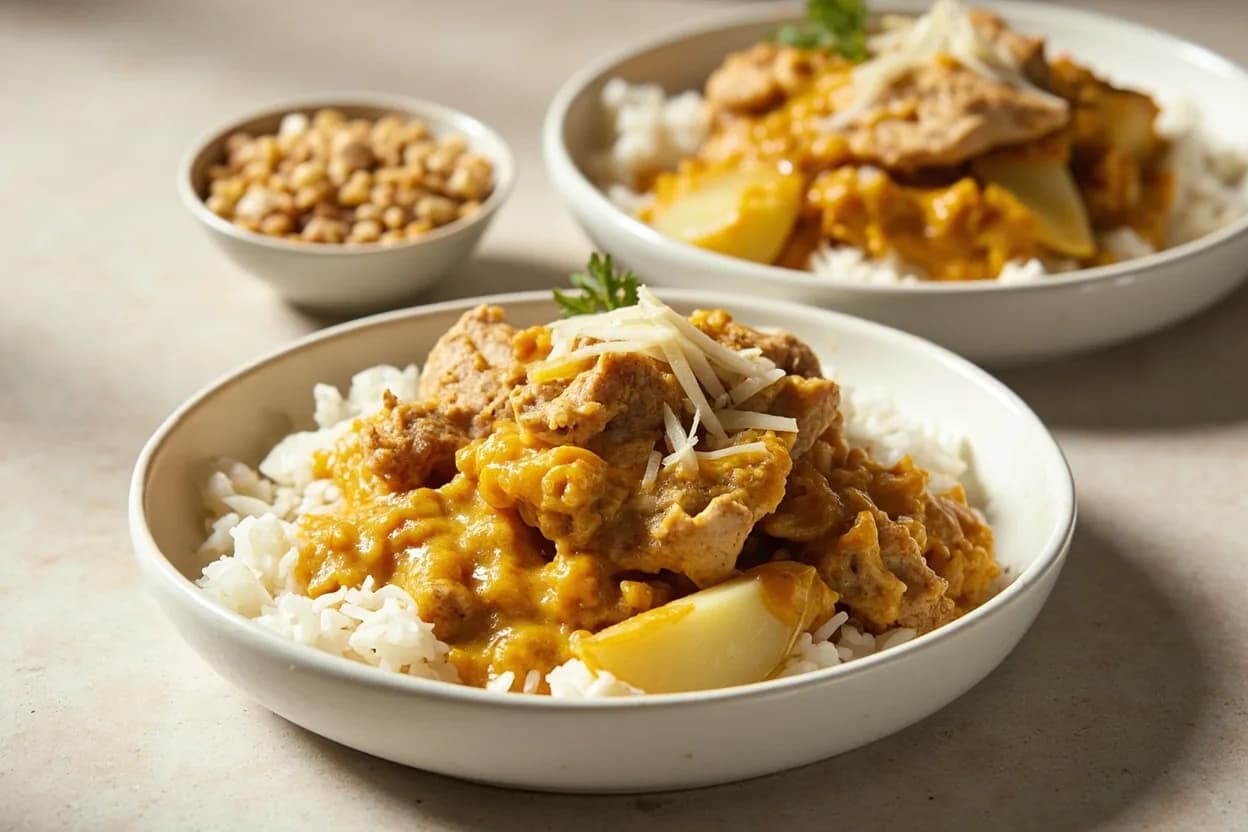
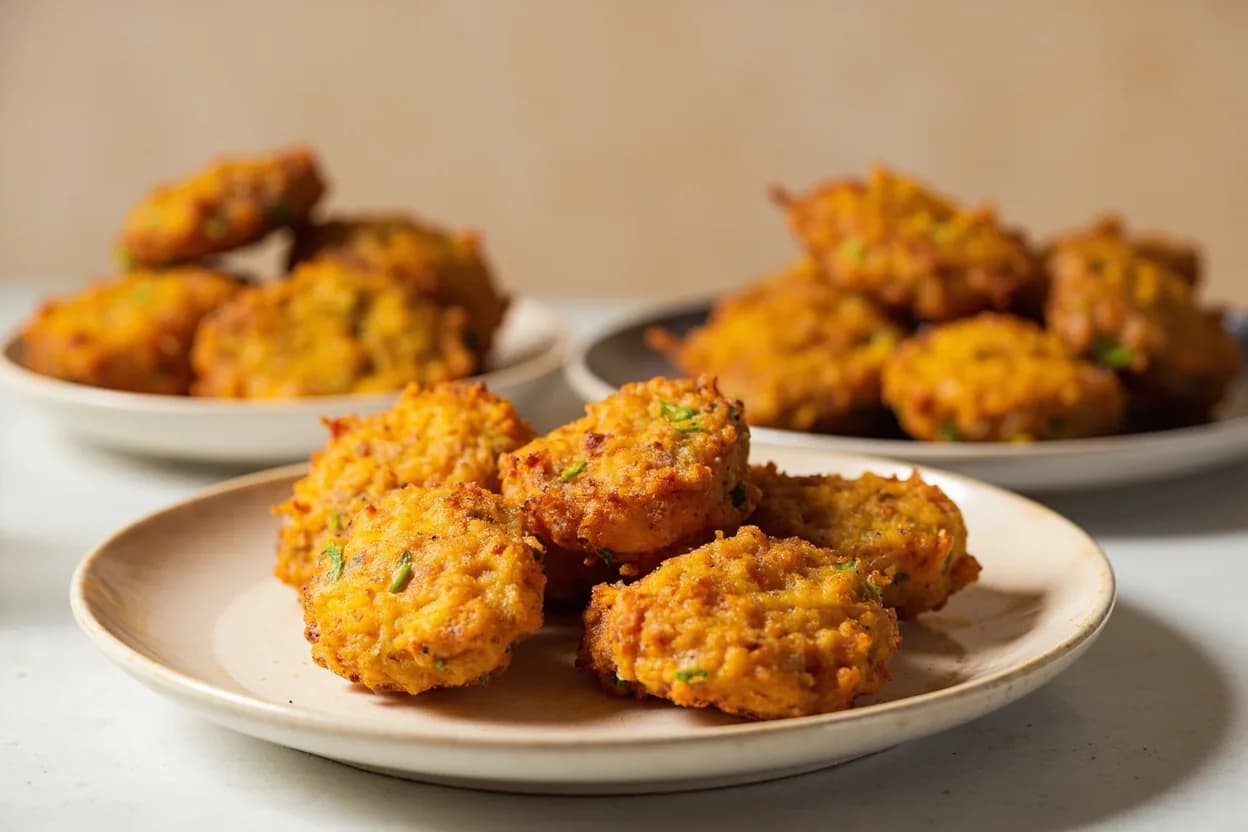
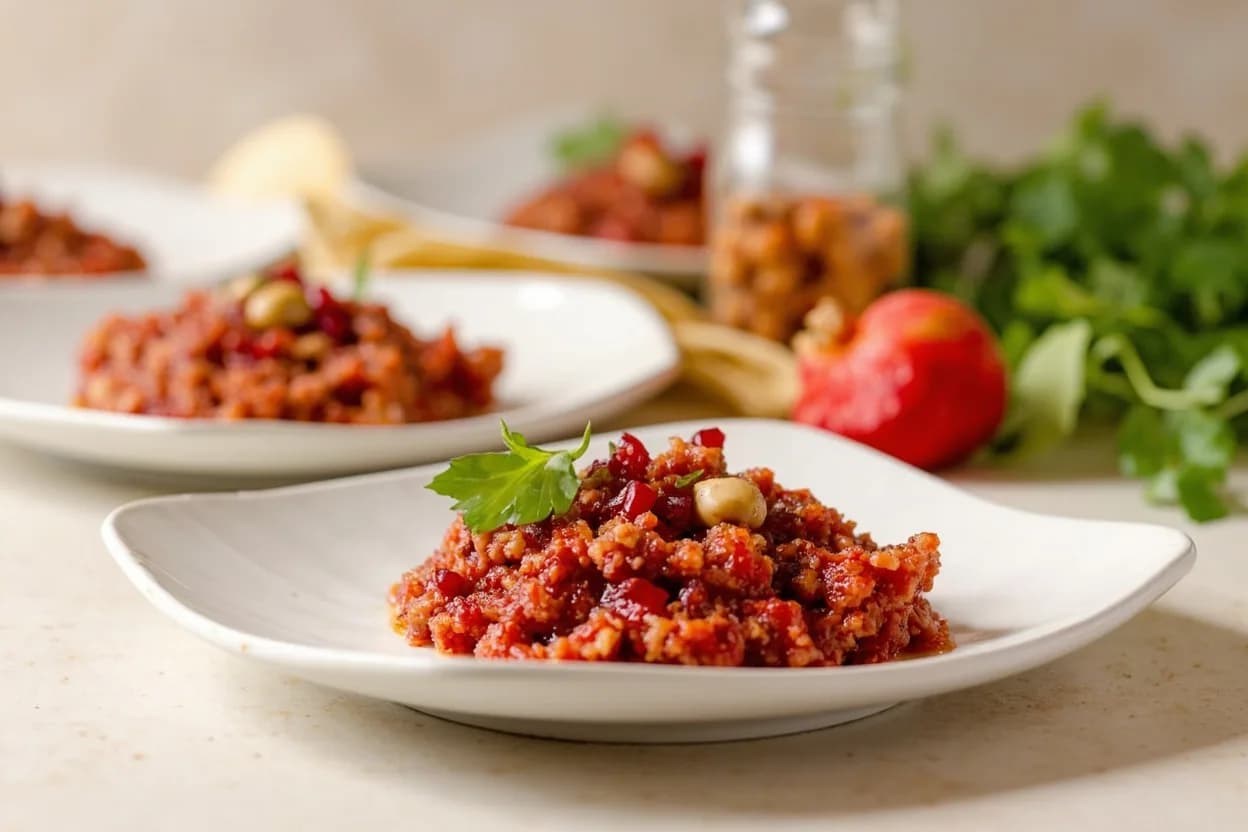
Related

Whisk
Beat ingredients smooth and aerated with a looping wire motion

Sift
Pass dry ingredients through mesh to aerate and remove lumps

Strain
Pour through mesh to separate solids from liquid for a smooth result

Filter
Pass liquid through fine material to clarify out the smallest particles

Rice
Press cooked potatoes through small holes for fluffy, lump-free texture

Mash
Crush soft cooked food into a rustic, creamy purée

Grind
Crush food into a coarse to fine texture, from spices to meat

Grate
Shred food into fine bits against a sharp-toothed surface