Water & Steam
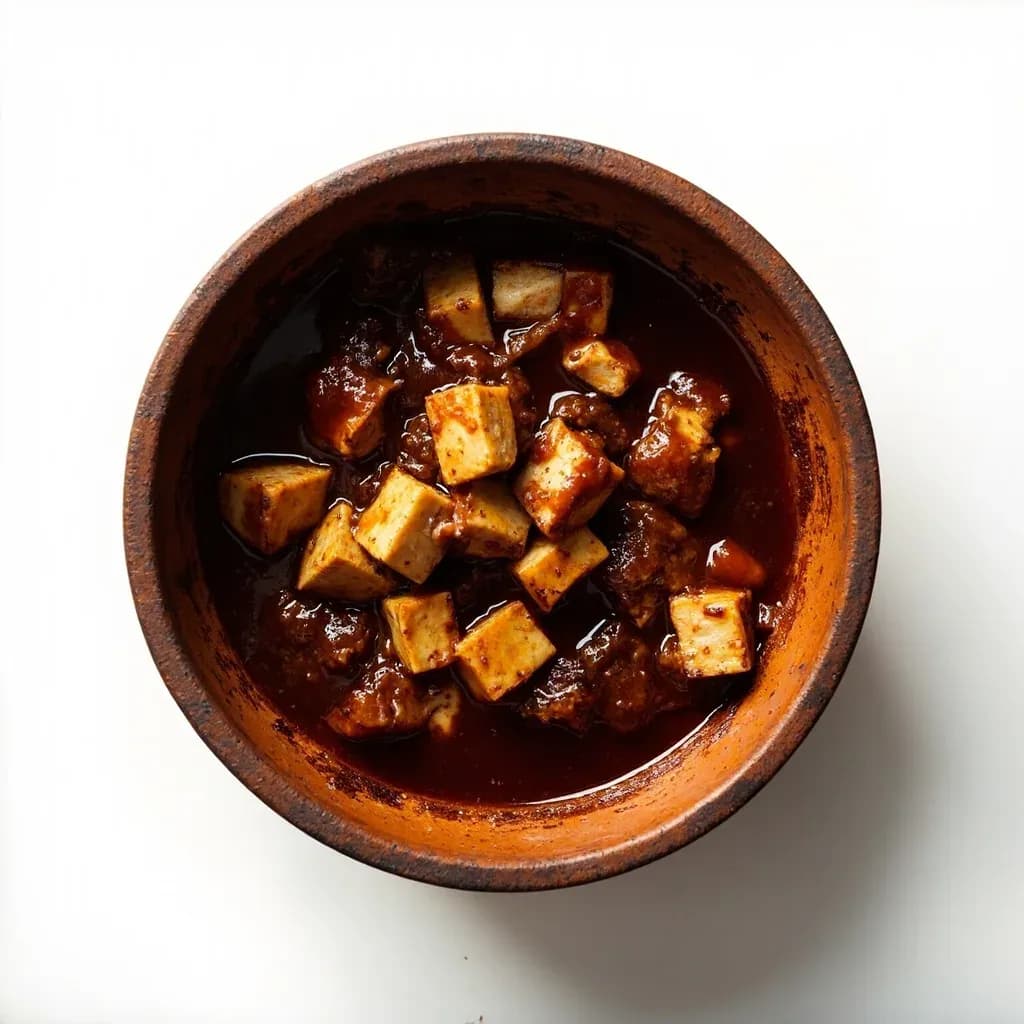
Braising (Marinated Tofu)
Simmering tofu in a seasoned liquid so the porous bean curd soaks up deep, savory flavor.
Braising marinated tofu gently simmers tofu, often pre-marinated or fried, in a flavorful soy- or broth-based liquid until it absorbs the sauce throughout. Because tofu is bland and porous, the slow simmer is what carries flavor into the interior while firming its texture. Pressing or frying the tofu first helps it hold shape and take on more of the braising liquid.
Braising is the workhorse technique for turning tofu's quiet neutrality into the savory center of a meal. It pairs a brief sear with a gentle simmer in soy, mirin or Shaoxing wine, dashi or stock, and aromatics, giving the porous bean curd time to absorb seasoning it cannot generate on its own. Unlike a deep-fry or a grill, the method is low-stakes: forgiving in timing, undemanding in equipment, and adaptable to almost any savory flavor profile.
What makes the technique work is the tofu's structure. Pressed firm or extra-firm tofu holds together through simmering while remaining open enough at the cellular level to absorb liquid — typically 5–10% of its weight in sauce if given the chance. Silken tofu cannot survive the simmer; it dissolves into the liquid. The sear that opens the method is not optional theater: it builds a Maillard crust that no amount of braising time can replicate, and it dries the surface so the sauce clings rather than sliding off.
In practice, the braise is often the marinade. There is usually no separate pre-soak; the simmering liquid does the seasoning work as the tofu rests in the pan. The method spans East and Southeast Asia: Chinese hongshao doufu, Korean dubu jorim, Japanese nimono and agedashi, Sichuan mapo-style simmers, and Thai, Vietnamese, and Malaysian coconut-braised versions all flow from the same basic logic — sear, simmer, glaze, rest.
- Difficulty
- Easy
Types & varieties
Chinese red-braised tofu in a soy-sugar-wine sauce, often with mushrooms, scallions, or pork
Korean soy-braised tofu pan; wide slabs simmered in ganjang, garlic, and gochugaru until the sauce reduces to a sticky coat
Lightly fried tofu pieces rewarmed in a seasoned dashi-based sauce just before serving
Japanese gentle covered simmer in dashi, soy, and mirin, usually with root vegetables; tofu added in the final minutes
Tofu simmered in dashi spiked with miso, finished with wakame or scallion
Wetter cousin of mapo tofu: cubes gently simmered in a chili-bean (doubanjiang) broth, often with ground pork or mushrooms
Home-style Chinese or Italian-leaning braise in tomato with garlic and herbs
Southeast Asian variation with coconut milk, lemongrass, and chili
How to do it
- 1
Press and cut the tofu
Drain a block of firm or extra-firm tofu. Wrap in a clean towel, set on a plate, and weight with a heavy pan for 20–30 minutes. Cut into 2–3 cm cubes, 1.5 cm slabs, or triangles as the recipe dictates, then pat dry.
- 2
(Optional) Pre-marinate briefly
If marinating separately, keep it short — 15–30 minutes in a light, non-saline mixture such as ginger-scallion oil, mild stock, or a touch of soy with sugar. Avoid long soaks in heavy salt, which toughen the surface. Pat dry before searing.
- 3
Sear for crust and depth
Heat a heavy skillet over medium heat with a thin film of neutral oil. Place tofu in a single layer without crowding. Sear 2–3 minutes per side until golden; do not move the pieces before a crust has formed.
- 4
Bloom aromatics
Push tofu to one side. Add minced garlic, ginger, and scallion whites to the cleared area and cook 20–30 seconds until fragrant. Optionally stir in a spoonful of doubanjiang, gochujang, or miso for regional character.
- 5
Add the braising liquid
Pour in soy sauce, mirin (or Shaoxing wine/sake), a small amount of sugar, and dashi or stock — roughly one part soy to two parts liquid, adjusted to taste. Liquid should come ⅓–½ up the tofu. Bring to a bare simmer.
- 6
Simmer gently
Reduce heat to medium-low. Simmer uncovered (for glaze-style dishes like dubu jorim) or partially covered (for nimono-style) for 8–20 minutes, flipping the tofu once halfway. The liquid should shimmer, not bubble vigorously.
- 7
Reduce to a glaze
If the sauce is still thin, raise heat slightly and let it bubble, tilting the pan to coat the tofu. Aim for a glossy, spoonable consistency that clings to the surface — not a watery pool.
- 8
Rest and finish
Off the heat, let the tofu sit in the sauce 5–10 minutes to finish absorbing. Transfer to a plate, spoon over the remaining sauce, and garnish with scallion greens, toasted sesame, or a thread of chili oil.
The three variables that decide success
Almost every failure with this technique comes from one of three places: how wet the tofu is going in, how salty the liquid is, or how violently the liquid moves. Get these right and the dish more or less makes itself.
- Dryness: a 20–30 minute press, plus a pat-dry after cutting, removes the surface water that would otherwise steam the crust away and dilute the sauce.
- Salt balance: a braising liquid should taste slightly under-salted on its own, because the tofu will concentrate it as it absorbs. Oversalting at the start produces rubbery, over-cured edges.
- Gentle simmer: a hard boil fractures tofu into rough-edged curds and clouds the sauce. Aim for a lazy shimmer where small bubbles break the surface only occasionally.
Sauce as seasoning
Because the liquid is doing double duty as braising medium and final glaze, its composition matters more than in a soup-style simmer. A useful working ratio is roughly one part soy sauce to two parts stock or dashi, with a small amount of sugar and a splash of wine; from there, regional accents take over. Glaze-style dishes like dubu jorim want the sauce reduced until it just coats the back of a spoon. Nimono-style dishes want it left looser, because the simmer is covered and the sauce is meant to be ladled over rice.
Common uses
Tips & pitfalls
- Press the tofu for at least 20 minutes — surface moisture is the enemy of both a good sear and even seasoning absorption.
- Sear in a thin film of oil before adding liquid; the Maillard crust gives savory depth that the braise alone cannot build.
- Score the surface in a shallow crosshatch or poke with a toothpick so the liquid penetrates the interior rather than just coating the outside.
- Use cold or room-temperature braising liquid and bring it to a bare simmer — a hard boil fractures tofu and clouds the sauce. This is the single most common mistake.
- If you pre-marinate, use a short (15–30 min) bath in mild seasoning and pat dry; long soaks in heavy salt turn the exterior rubbery.
- Use a wide pan rather than a deep pot — more surface area means faster, more even reduction and better glaze formation.
- Reduce the liquid uncovered at the end to a glossy glaze rather than serving watery sauce that runs off the tofu.
- Rest the tofu off the heat for 5–10 minutes in the reduced sauce so it finishes absorbing before plating.
Good to know
- Cooking method
- Moist-heat simmer in seasoned liquid, with a preliminary sear
- Best tofu type
- Firm or extra-firm; medium works for shorter cooks; silken is unsuitable
- Typical liquid depth
- About ⅓ to ½ up the side of the tofu, then reduced to a glaze
- Heat level
- Medium-low; a bare simmer, never a rolling boil
- Cooking time
- 10–30 minutes total, depending on density and sauce reduction
- Pressing time before cooking
- 20–30 minutes under weight to remove excess water
- Key equipment
- Heavy skillet, sauté pan, or shallow pot with a lid; slotted spatula
- Core flavor builders
- Soy sauce, mirin or Shaoxing wine, sugar, garlic, ginger, dashi or stock
Also called
Tofu Braising · Red-Cooked Tofu
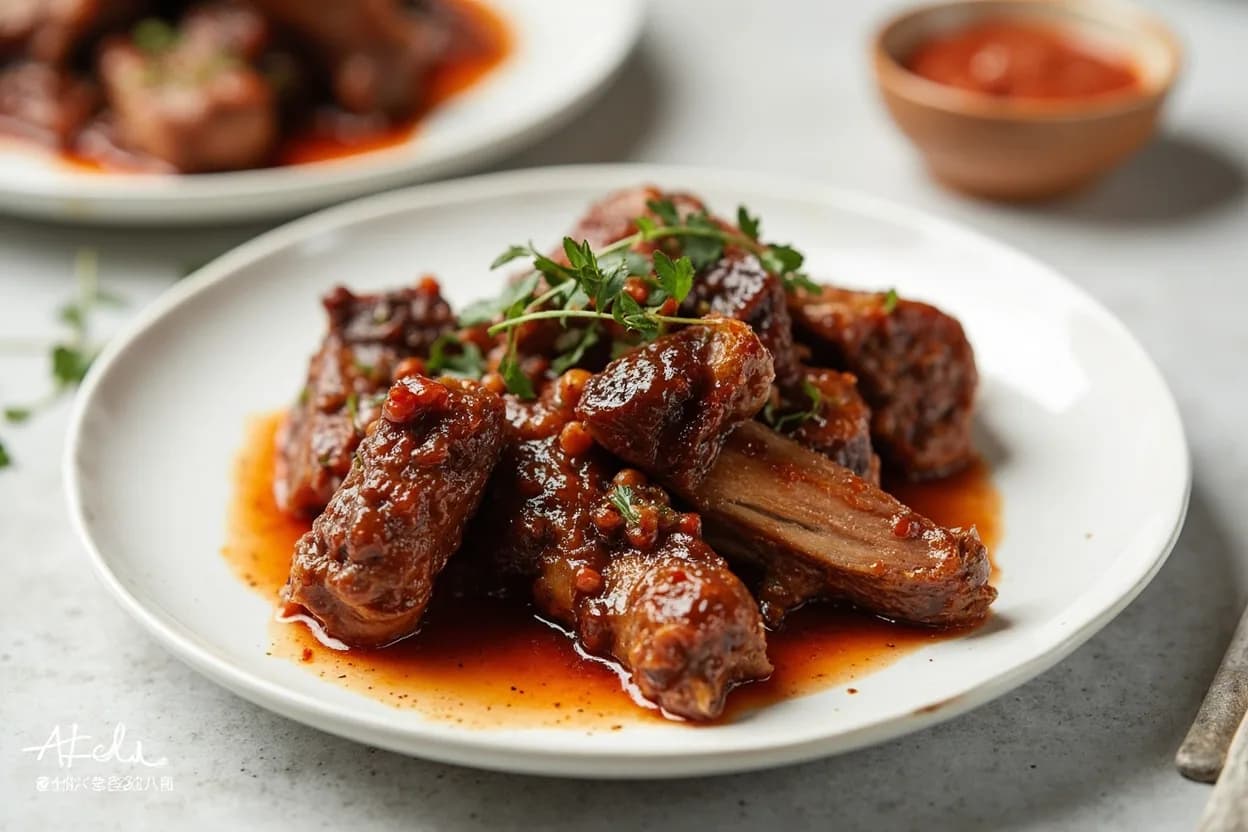
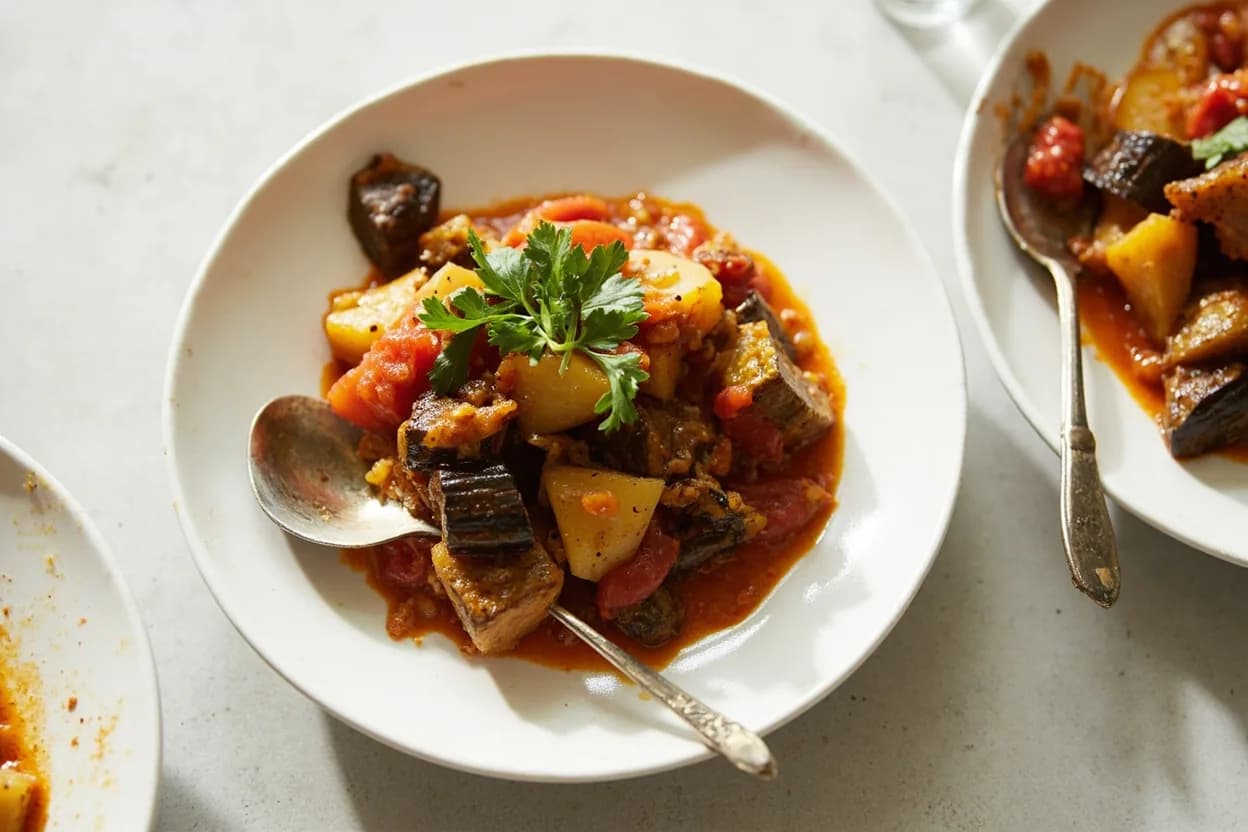
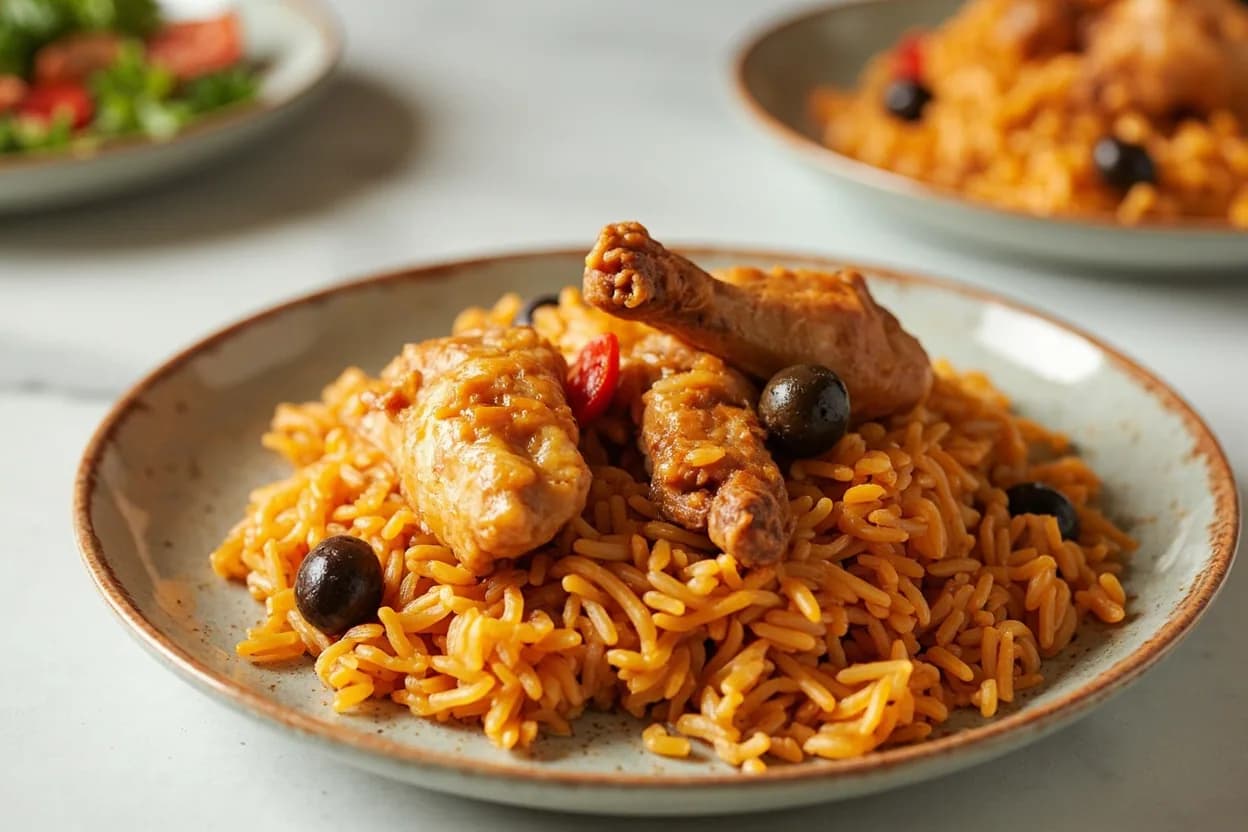
Dishes that rely on it
Related

Boil
Cook in vigorously bubbling liquid at full rolling heat

Simmer
Hold liquid at a gentle shimmer for tender, unhurried cooking

Poach
Cook gently in barely-trembling liquid for silky, tender results

Steam
Cook in rising vapor to keep color, nutrients, and shape intact

Blanch
Plunge briefly in boiling water, then shock cold to lock color

Braise
Sear, then cook slow in a little liquid until fall-apart tender

Stew
Simmer bite-sized pieces fully submerged into a rich, unified pot

Sous-Vide
Seal and cook in precise warm water for edge-to-edge doneness