
Prep & Assembly
Wrap
Enclose food in a leaf, dough, or paper for cooking or serving
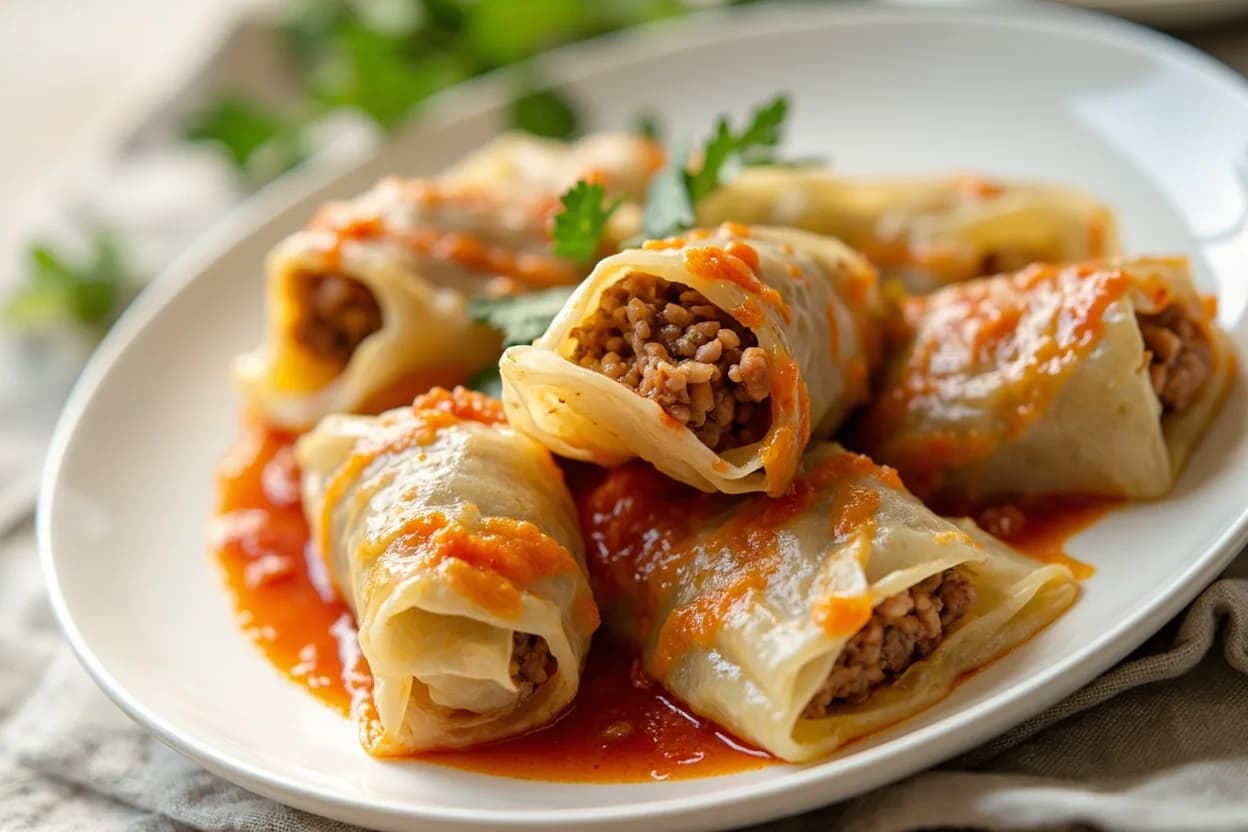
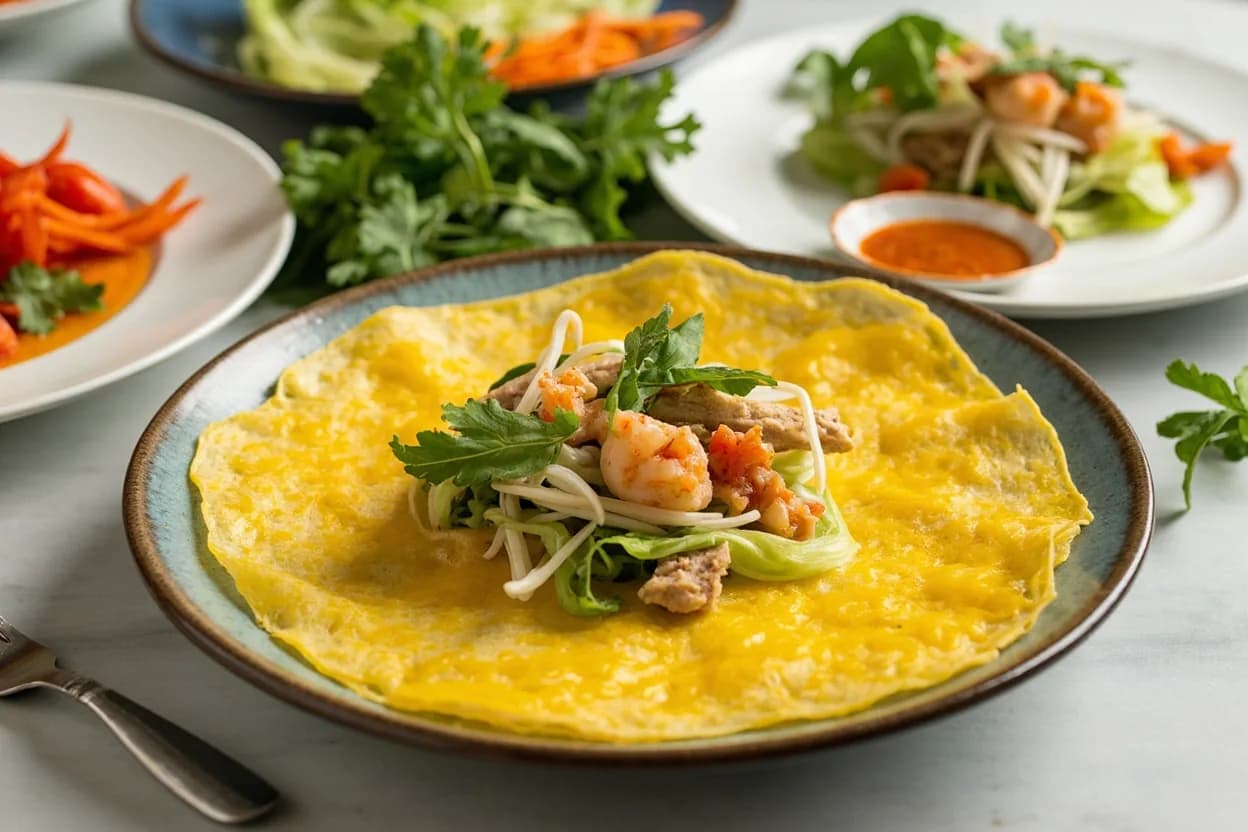
Wrapping encloses food in a leaf, dough, paper, or foil — vine-leaf dolma, en papillote fish, a folded burrito. The wrapper holds shape, traps moisture and aroma, or makes it portable. Fold and seal snugly so nothing escapes during cooking.
Wrapping encloses food in a leaf, dough, paper, or foil — vine-leaf dolma, en papillote fish, a folded burrito. The wrapper holds shape, traps moisture and aroma, or makes it portable. Fold and seal snugly so nothing escapes during cooking.
- Difficulty
- Intermediate
Types & varieties
Parchment parcel that steams food in its own moisture.
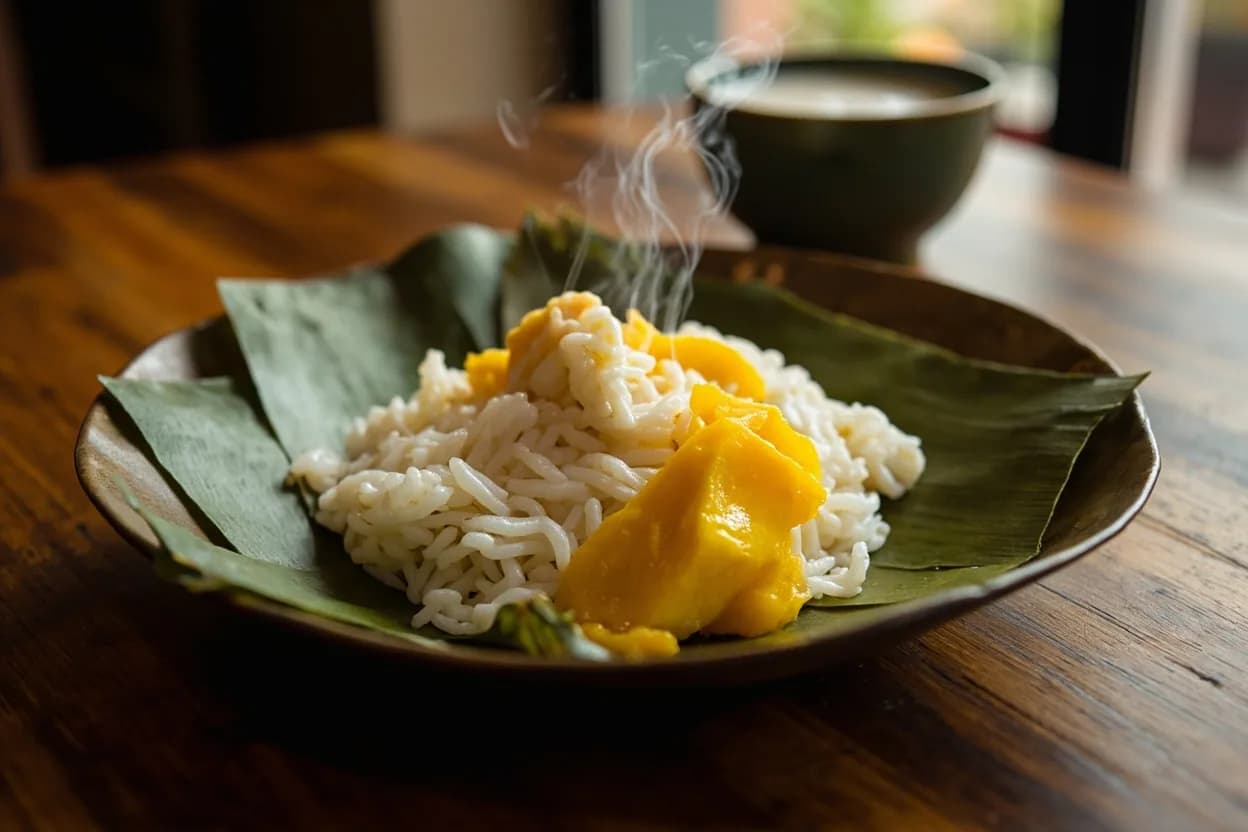
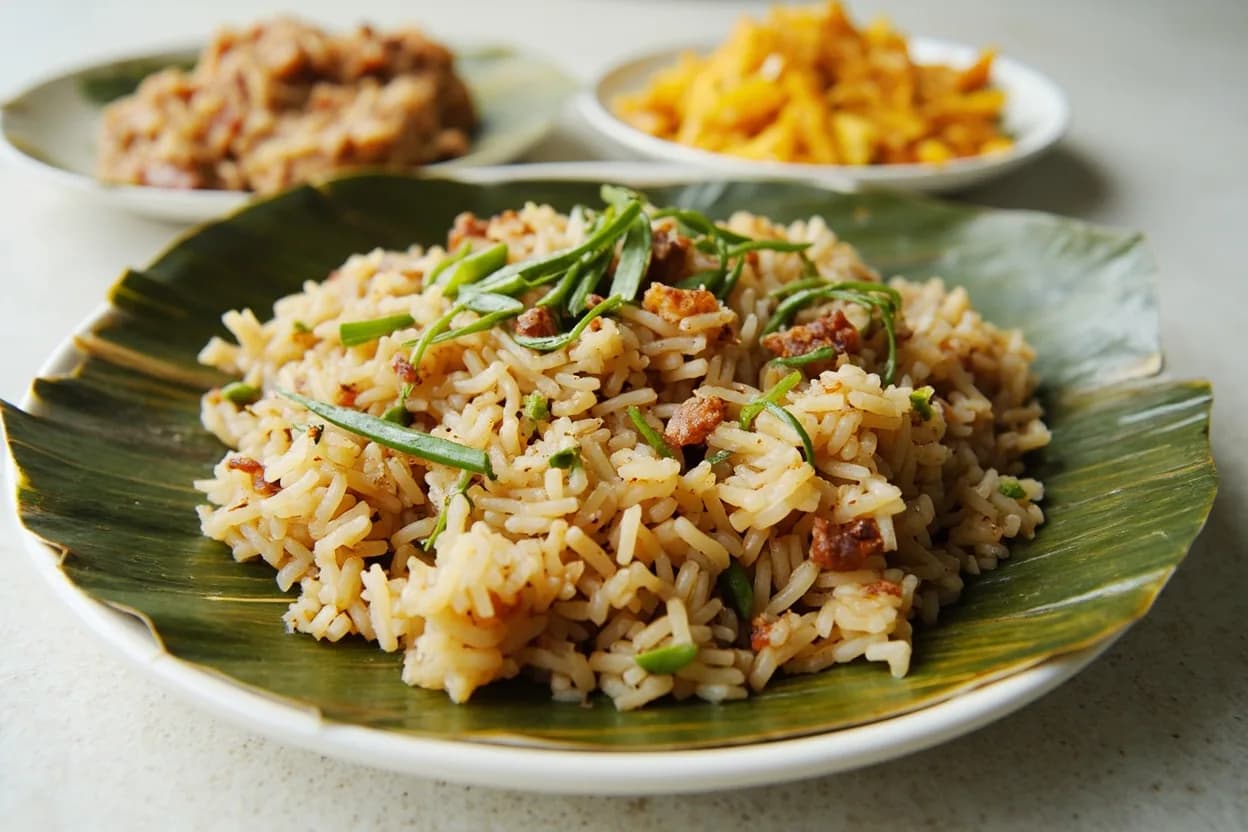
Vine, banana, or cabbage leaves wrap and flavor the filling.
How to do it
- 1
Lay out the wrapper and center the filling.
- 2
Fold the sides over the filling.
- 3
Roll or crimp to seal it snugly.
- 4
Cook seam-side down or as the method requires.
Common uses
Tips & pitfalls
- Blanch sturdy leaves so they fold without cracking.
- Crimp papillote edges tightly to trap the steam.
- Don't overfill — a snug parcel holds together better.
Good to know
- Tool
- Leaves, dough, parchment, or foil
- Best for
- Parcels, dolma, burritos, en papillote
- Difficulty
- Intermediate — a tidy fold takes practice
Also called
wrap up · parcel
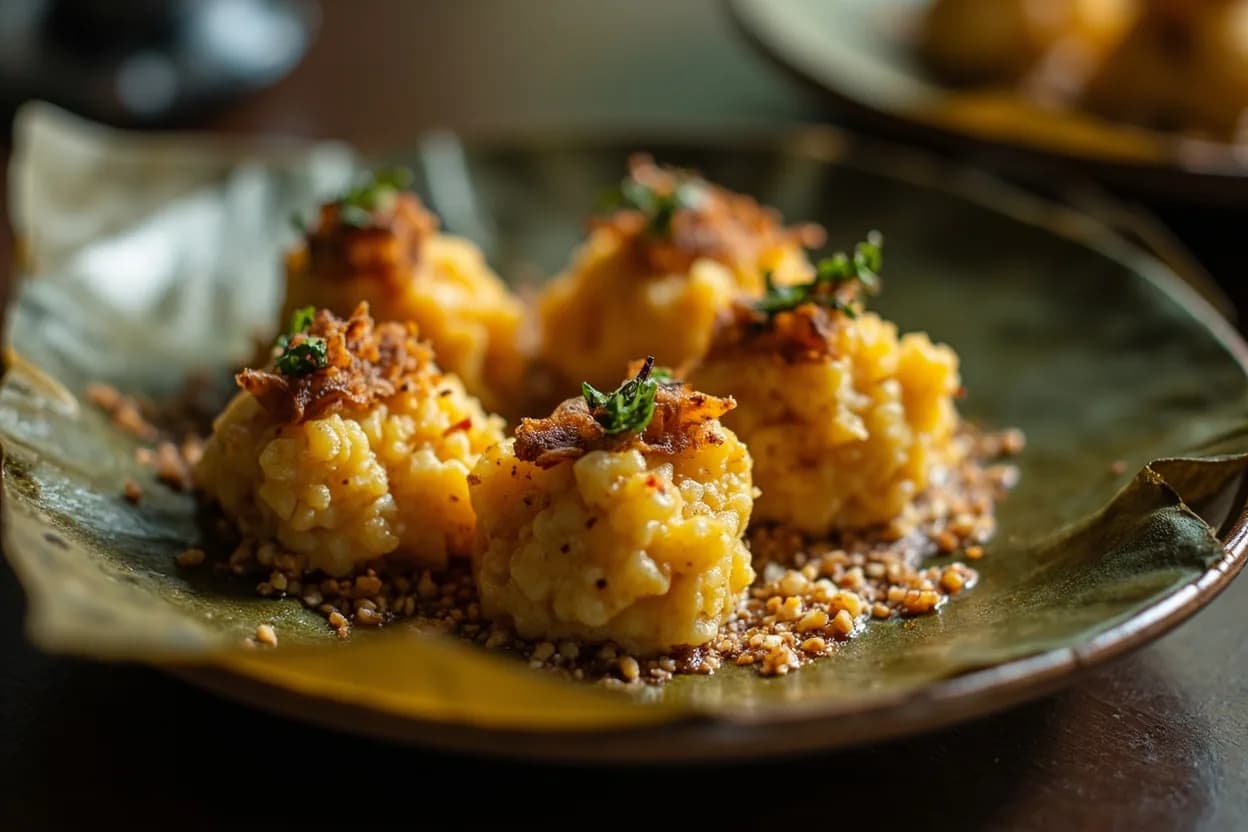
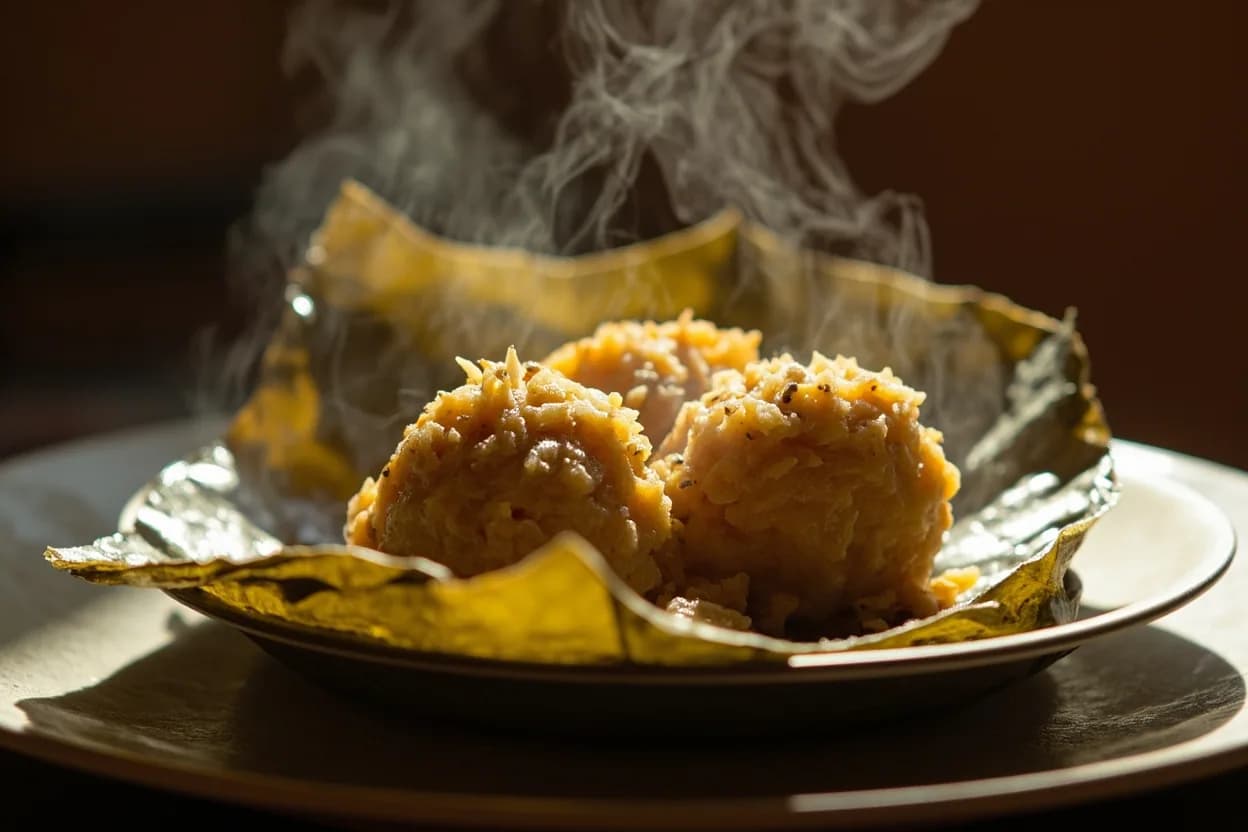
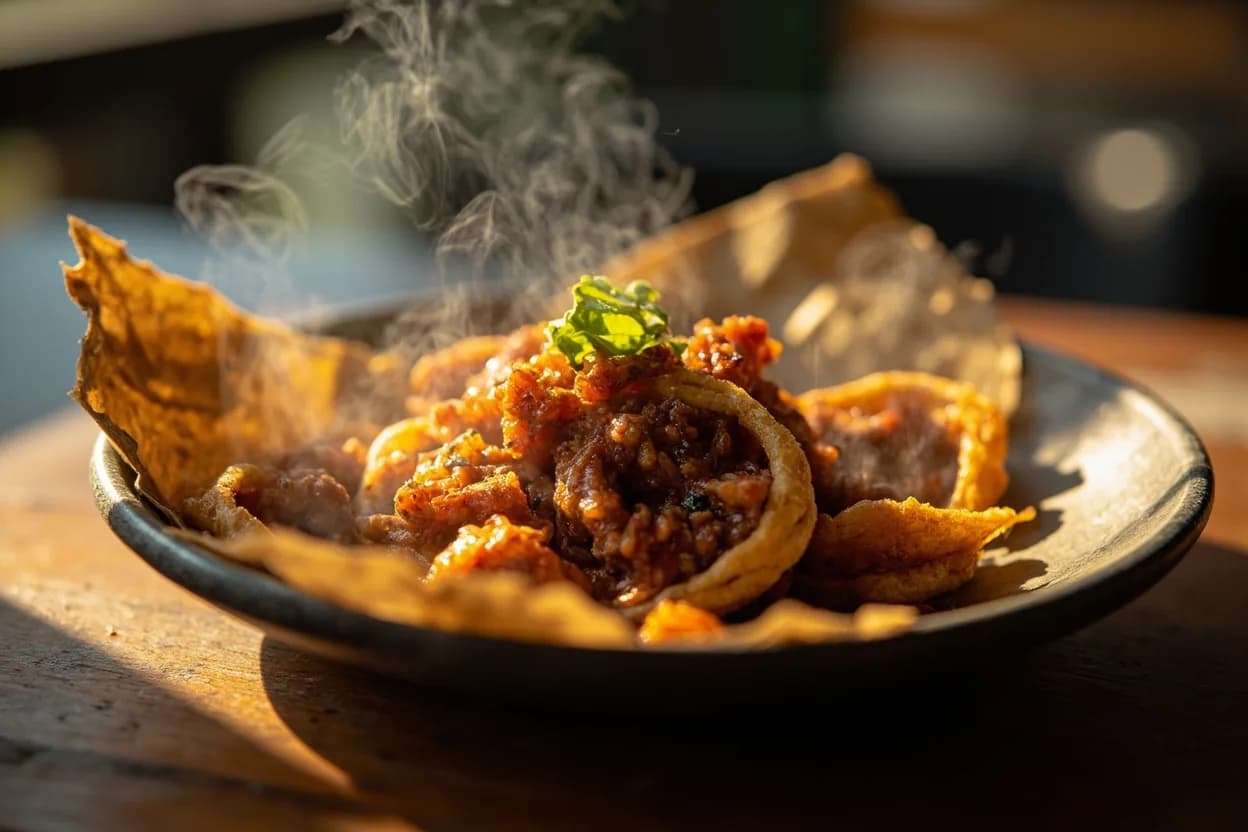
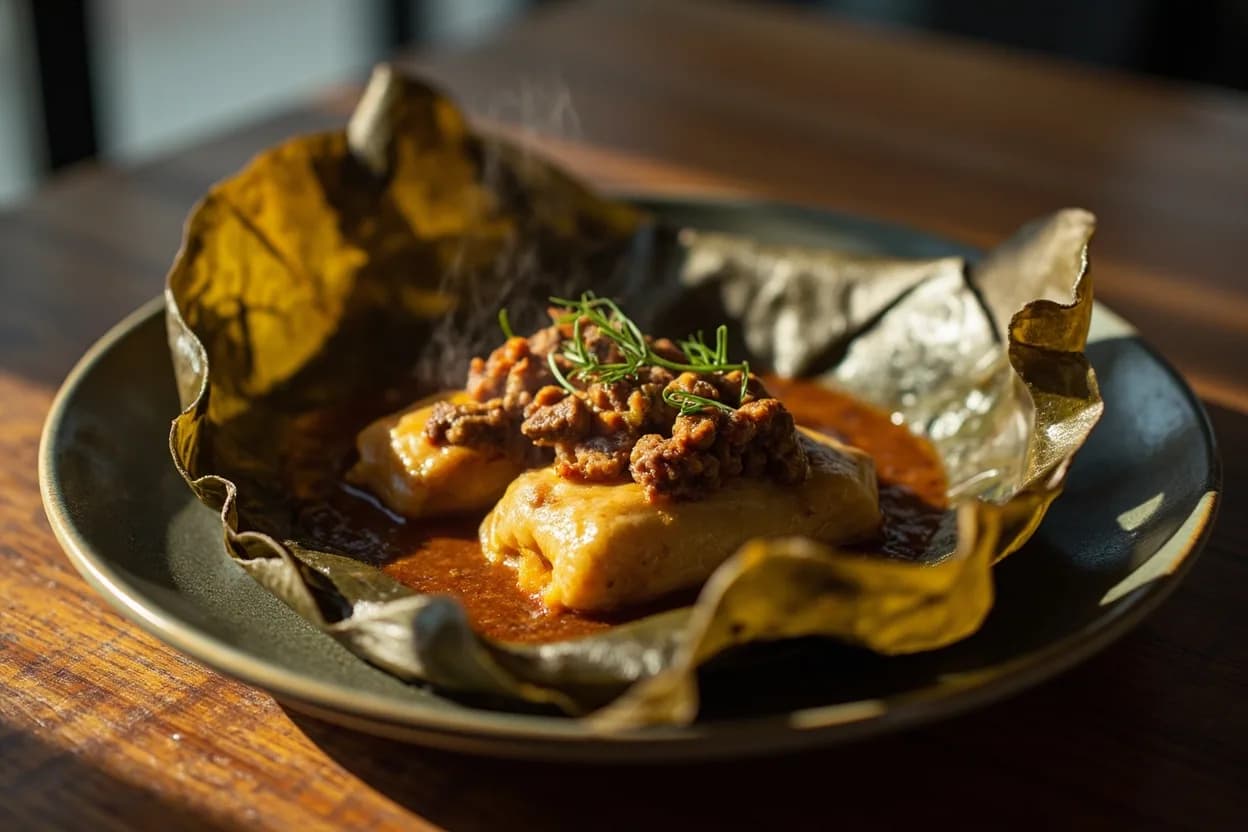
Dishes that rely on it
Related

Whisk
Beat ingredients smooth and aerated with a looping wire motion

Sift
Pass dry ingredients through mesh to aerate and remove lumps

Strain
Pour through mesh to separate solids from liquid for a smooth result

Filter
Pass liquid through fine material to clarify out the smallest particles

Rice
Press cooked potatoes through small holes for fluffy, lump-free texture

Mash
Crush soft cooked food into a rustic, creamy purée

Grind
Crush food into a coarse to fine texture, from spices to meat

Grate
Shred food into fine bits against a sharp-toothed surface