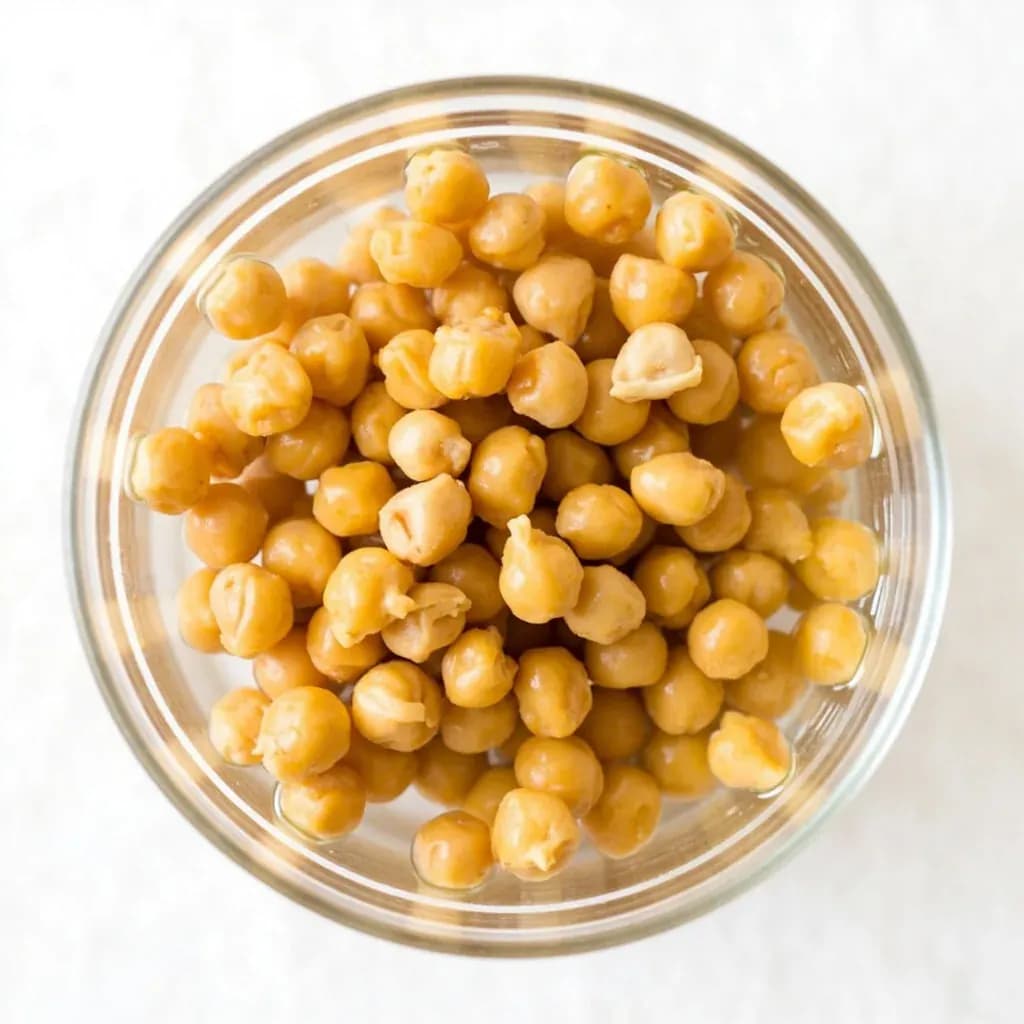
Prep & Assembly
Soaking Legumes
Hydrating dried beans, lentils, or pulses in water to soften them and cut cooking time.
Soaking legumes submerges dried beans, peas, or lentils in water for hours so they rehydrate, cook more evenly, and finish faster. An overnight cold soak or a quick hot soak also helps leach out some of the indigestible sugars that cause gas. Many cooks discard the soaking water and cook in fresh water for a cleaner result.
Dried legumes are seeds, and seeds are built to resist — wrapped in a tough coat, packed with starch, and laced with defensive compounds. Soaking simply gives them time to drink. Submerged in cool water, the seeds swell to roughly twice their volume, the seed coats soften, and the enzymes that would have kick-started germination begin to mobilize stored starches and proteins. It is the single most impactful prep step in bean cookery, transforming pebbles of dried seed into something that cooks to a creamy, even texture in a reasonable time.
Not every legume needs it. The rule is size and density: small, thin-skinned seeds like red lentils, yellow lentils, split peas, and most black-eyed peas cook through in 20–30 minutes and turn to mush if pre-soaked. Large, dense seeds — chickpeas, favas, limas, soybeans, kidney beans — genuinely need a long soak to soften the waxy coat and leach out the indigestible oligosaccharides (raffinose, stachyose, verbascose) associated with flatulence. The two main methods are a slow cold-soak of 8–12 hours, which produces the most even, creamy texture, and a quick-soak of a 1–2 minute boil followed by an hour of standing, which trades a little quality for speed.
There is one rule that should never be relaxed. Red kidney beans contain phytohemagglutinin, a lectin that is toxic at relatively low doses and is not destroyed by soaking — only by sustained, vigorous boiling. Soaked or unsoaked, kidney beans must be brought to a rolling boil and held there for at least ten minutes before the heat is reduced. Slow cookers are not safe for raw kidney beans.
- Difficulty
- Easy
Types & varieties
Benefit from a long 12-hour soak to soften the dense, waxy seed coat; essentially required for smooth hummus.
Cold-soak 8–10 hours plus the mandatory vigorous boil afterward; never slow-cook from raw.
Classic American choice for baked beans; an 8-hour soak produces a creamy interior without bursting.
8-hour soak; helps the seeds hold their shape in chili and refried beans.
8-hour soak; the classic for Tuscan minestrone and pasta e fagioli.
6–8 hours; common in Latin American cooking, especially Cuban and Brazilian dishes.
12-hour soak, often paired with a brief peel after cooking to remove the bitter outer skin.
8–10 hours; the large, flat seeds benefit significantly from pre-soaking.
8 hours; an Italian and Portuguese staple that holds its shape beautifully after soaking.
Optional 4–6 hour soak; quick-cooking enough that it is often skipped.
6–8 hours; unlike split peas, they keep their shape after soaking.
10–12 hours; the long soak is needed for tofu and soy milk production.
4–6 hours; used in East Asian desserts and sweetened bean pastes.
24–48 hours of soaking with multiple water changes to leach out bitter alkaloids.
How to do it
- 1
Sort and rinse
Spread the dried legumes on a rimmed sheet pan or pour them into a large bowl and pick out any shriveled beans, small stones, or bits of debris. Rinse under cool running water until the water runs clear.
- 2
Cover with cold water
Transfer the cleaned beans to a large non-reactive bowl (glass, stainless steel, or food-grade plastic). Add at least 3 parts cold water to 1 part beans, or enough to sit 2–3 inches above the surface. Beans swell significantly.
- 3
Cold-soak (preferred method)
Cover loosely with a lid or cloth and leave at cool room temperature for 8–12 hours, or in the refrigerator for up to 24 hours. Skip this step for red lentils, yellow lentils, split peas, and most black-eyed peas — they will turn to mush.
- 4
Quick-soak (when short on time)
Place beans in a pot, cover with water, and bring to a vigorous boil for 1–2 minutes. Remove from heat, cover tightly, and let stand 1 hour off the burner.
- 5
Drain, rinse, and cook
Pour off the soaking water (it will be cloudy and starchy). Rinse the beans thoroughly under cool running water, then transfer to a clean pot with fresh water for cooking. For red kidney beans, bring to a vigorous boil and keep it rolling for at least 10 minutes before reducing heat.
- 6
Store any leftovers
If not cooking immediately, keep soaked beans submerged in clean water in a sealed container in the refrigerator for up to 2–3 days, or freeze in measured portions for several months.
The small-seed exception
Not every legume benefits from soaking. The rule is simple: small, thin-skinned seeds cook quickly and turn to mush if pre-soaked. Red lentils, yellow lentils, split peas, and most black-eyed peas need only 20–30 minutes of simmering from dry, and pre-soaking them is actively counterproductive. Whole mung beans sit on the edge of this category — they cook in well under an hour unsoaked, but a short 4–6 hour soak is often recommended for East Asian bean-paste work where an even texture matters. The beans that genuinely need a long soak are the large, dense seeds with tough waxy coats: chickpeas, favas, limas, soybeans, kidney beans, and the heirloom cranberry/borlotti beans. For these, a soak is not optional — it is the difference between dinner and a pan of gravel.
Hard water and other troubleshooting
When beans refuse to soften no matter how long you simmer them, the culprit is almost always the water. Hard water — high in calcium and magnesium — reacts with the pectin in bean skins to form an insoluble layer that resists softening. If you live in a hard-water area and beans are consistently crunchy or chalky at the center, switch to filtered or distilled water and try again before blaming the bean or the soak. Salt and acid in the cooking water can have a similar toughening effect if added too early; salt only after the beans are tender. A small pinch of baking soda (¼ tsp per cup of dried beans) genuinely accelerates softening, but it also strips flavor and can break down the cell walls, so reserve it for hummus and other smooth purees where a paste-like texture is the goal.
Common uses
Tips & pitfalls
- Always sort and rinse dried legumes before soaking — a missed stone is unpleasant to bite into, and the rinse clears dust and chaff that would otherwise cloud the water.
- Always use cold or cool water; warm water (above roughly 70°F/21°C) encourages bacterial growth during a long soak. Refrigerate the bowl in a hot kitchen or for any soak longer than 8 hours.
- Do not add salt, vinegar, tomatoes, or other acids to the soaking water — they slow water absorption and toughen the skins. Salt the cooking water instead, and only after the beans are tender.
- Discard the soaking water and rinse the beans well before cooking. The cloudy liquid carries the leached oligosaccharides, loose starch, and any surface residue; cooking in it reintroduces some of what you just soaked out.
- Hard water is the most overlooked reason beans fail to soften. If beans stay crunchy no matter how long you cook them, switch to filtered or bottled water before giving up on the technique.
- Red kidney beans must reach a vigorous rolling boil for at least 10 minutes after soaking to destroy phytohemagglutinin; never put raw kidney beans in a slow cooker, soaked or not.
- A small pinch of baking soda (¼ tsp per cup of dried beans) speeds softening, but too much makes the skins mushy and the flavor soapy — reserve it for hummus, refried beans, and other purees.
- Skim the gray foam that rises during the first few minutes of simmering; it is harmless but can leave a vegetal taste if stirred back in.
Good to know
- Cold-soak time
- 8–12 hours at cool room temperature, or overnight in the refrigerator
- Quick-soak time
- Boil 1–2 minutes, then stand covered off heat for 1 hour
- Water ratio
- At least 3 parts cold water to 1 part dried legumes, with 2–3 inches of water above the surface
- Volume change
- Dried legumes roughly double in volume as they absorb water
- Cooking-time reduction
- Typically 25–50% shorter cooking time versus unsoaked beans
- Effect on oligosaccharides
- Soaking leaches out raffinose, stachyose, and verbascose — the indigestible sugars associated with flatulence
- Effect on phytates
- Partially reduces phytic acid, improving mineral absorption
- Safety
- Red kidney beans must be boiled vigorously for at least 10 minutes after soaking to destroy phytohemagglutinin
Also called
Soaking Beans · Soaking Pulses · Soaking Lentils · Soaking Dried Goods
Dishes that rely on it
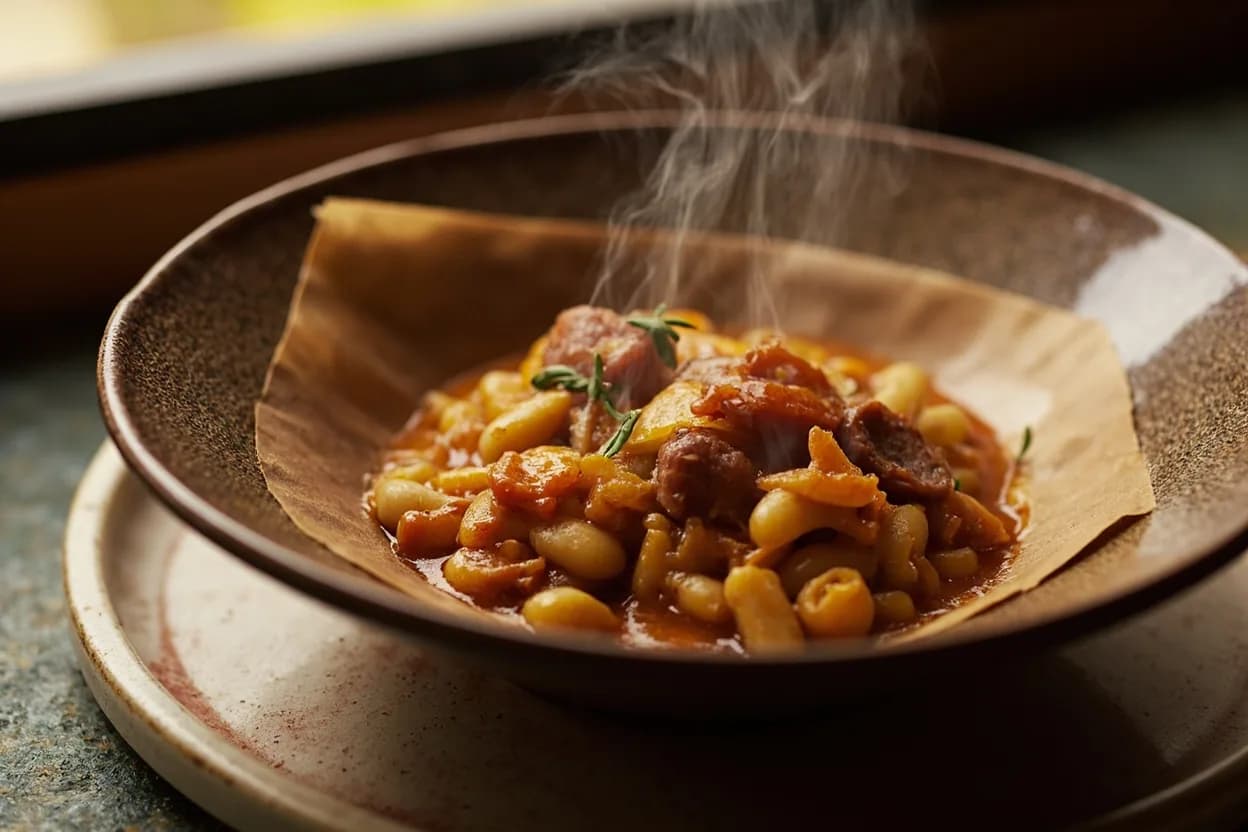
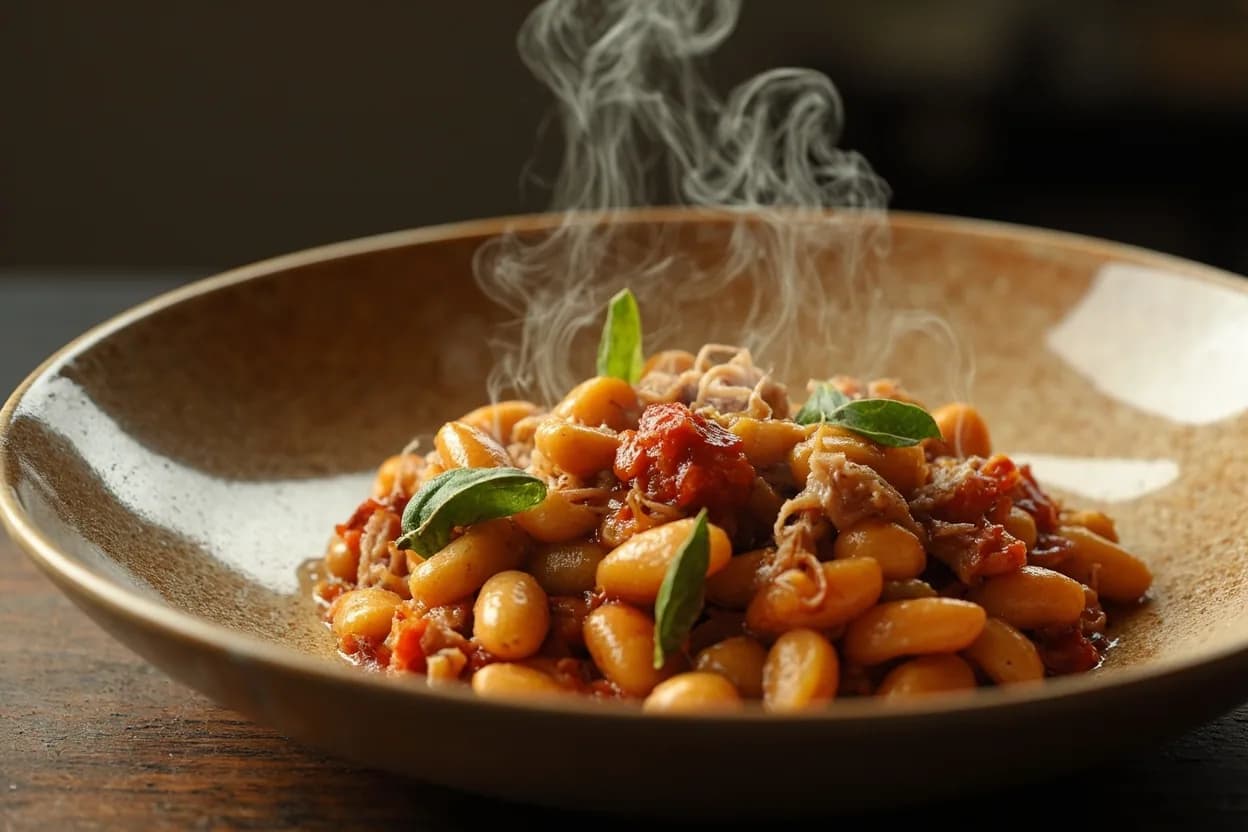
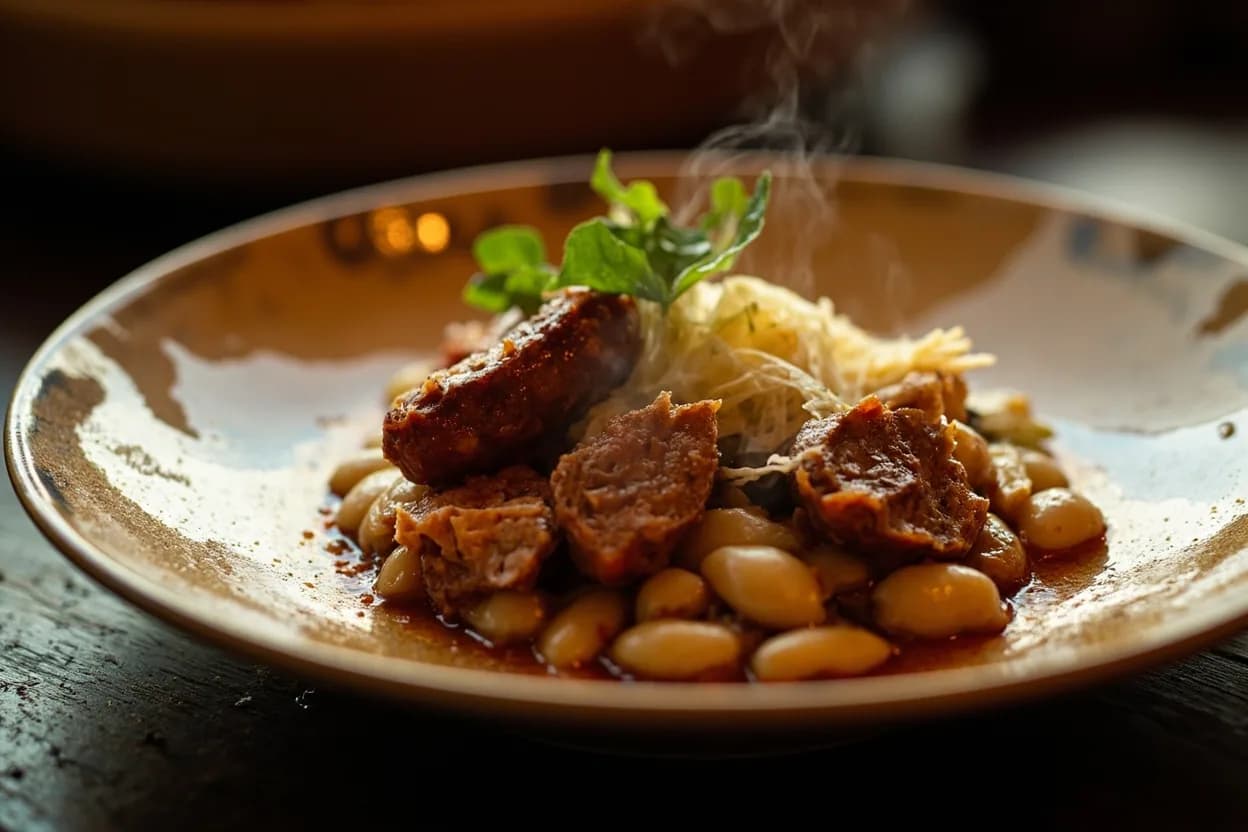
Related

Whisk
Beat ingredients smooth and aerated with a looping wire motion

Sift
Pass dry ingredients through mesh to aerate and remove lumps

Strain
Pour through mesh to separate solids from liquid for a smooth result

Filter
Pass liquid through fine material to clarify out the smallest particles

Rice
Press cooked potatoes through small holes for fluffy, lump-free texture

Mash
Crush soft cooked food into a rustic, creamy purée

Grind
Crush food into a coarse to fine texture, from spices to meat

Grate
Shred food into fine bits against a sharp-toothed surface