Transform & Preserve
Acorn Leaching
Rinsing or soaking acorns to wash out bitter tannins so they become edible.
Acorn leaching removes the bitter, astringent tannins from raw acorns by repeated soaking or running-water rinses until the water runs clear and the nut tastes mild. Cold leaching preserves the binding starch for breads while hot leaching is faster but cooks the flour. The technique is foundational in many Indigenous and traditional cuisines that rely on acorn as a staple.
Acorn leaching is the slow, patient work of drawing water-soluble tannins out of acorn kernels so the nuts become food instead of a mouthful of astringent bitterness. Raw acorns — particularly from red-oak species — contain enough gallotannin to make the meat intensely drying on the tongue and hard on the gut; in quantity, unprocessed acorns cause real digestive distress. The technique exploits the simple chemistry that tannins dissolve readily in water, so a long soak, repeated rinses, or a flowing stream can carry them away while leaving the starch, fat, and protein behind. The result is a sweet, faintly chestnut-like meal that has nourished humans for thousands of years.
The variable in leaching is the nut itself, not the recipe. White-oak-group acorns (white oak, Garry oak, valley oak, live oak) may need only a day or two of cold water to mellow; red-oak-group acorns (red oak, pin oak, scarlet oak, California black oak) can require a week or more, often with the help of gentle alkali. Temperature, grind size, and water-change frequency all change the speed but not the underlying principle: keep the meal wet, keep it moving, and keep rinsing until the puckering is gone. Treat it as a skill to tune to each harvest rather than a fixed recipe.
This is one of the oldest documented food preparations in North America, central to the diets of acorn-dependent peoples such as the Miwok, Pomo, Ohlone, Yokuts, and Cherokee, and paralleled in Korean dotorimuk and Japanese donguri traditions. Modern cooks who learn it gain not just a gluten-free, deeply flavored flour, but a direct line to a piece of culinary history.
- Difficulty
- Medium
Types & varieties
Slow soak in cool water with once- or twice-daily changes; preserves delicate flavor and nutrients over 3–14 days; the gentlest method and best choice for white-oak-group acorns.
Cracked meal is scalded, drained, and re-covered with fresh near-boiling water 6–10 times; done in 1–3 hours but can dull the buttery flavor and cook out some aroma.
A pinch of hardwood-ash water or baking soda is added to the soak to speed tannin extraction and soften texture; traditional in Korean dotorimuk work and some Native practices; trades flavor for efficiency.
Cracked acorns are placed in a sand- or fiber-lined basket set in a flowing stream; passive and continuous, the original California Indigenous method.
Meal is stirred and decanted repeatedly in a shallow stone or wooden basin, cloudy tannin water poured off and replaced; a non-bag version of cold leaching used by several Eastern Woodlands and California groups.
How to do it
- 1
Collect, sort, and shell the acorns
Gather ripe acorns with the caps removed and discard any with weevil pinholes. Soak in water and throw out anything that floats — those are usually rotten, moldy, or infested. Crack the shells with a nutcracker or a hammer on a hard surface and pick out the pale kernels.
- 2
Remove the inner skin
Drop the shelled kernels into boiling water for 1–2 minutes, drain, and slip off the thin brown papery skin between your fingers. This layer holds a disproportionate share of the tannins; peeling it noticeably shortens leaching time and improves flavor.
- 3
Crack or coarsely grind
Pulse the peeled nuts in a food processor or crush them with a rolling pin until the texture is roughly that of coarse cornmeal. A consistent crack — not a fine powder — lets water reach every surface without turning the leach into a paste.
- 4
Set up the leach
Place the cracked meal in a nut-milk bag, doubled cheesecloth, or a fine-mesh strainer lined with muslin. Suspend it in a glass, food-grade plastic, or stainless-steel vessel (never bare iron, copper, or aluminum — tannins react with these metals) and cover with 4–6 parts cool water.
- 5
Soak, agitate, and change the water
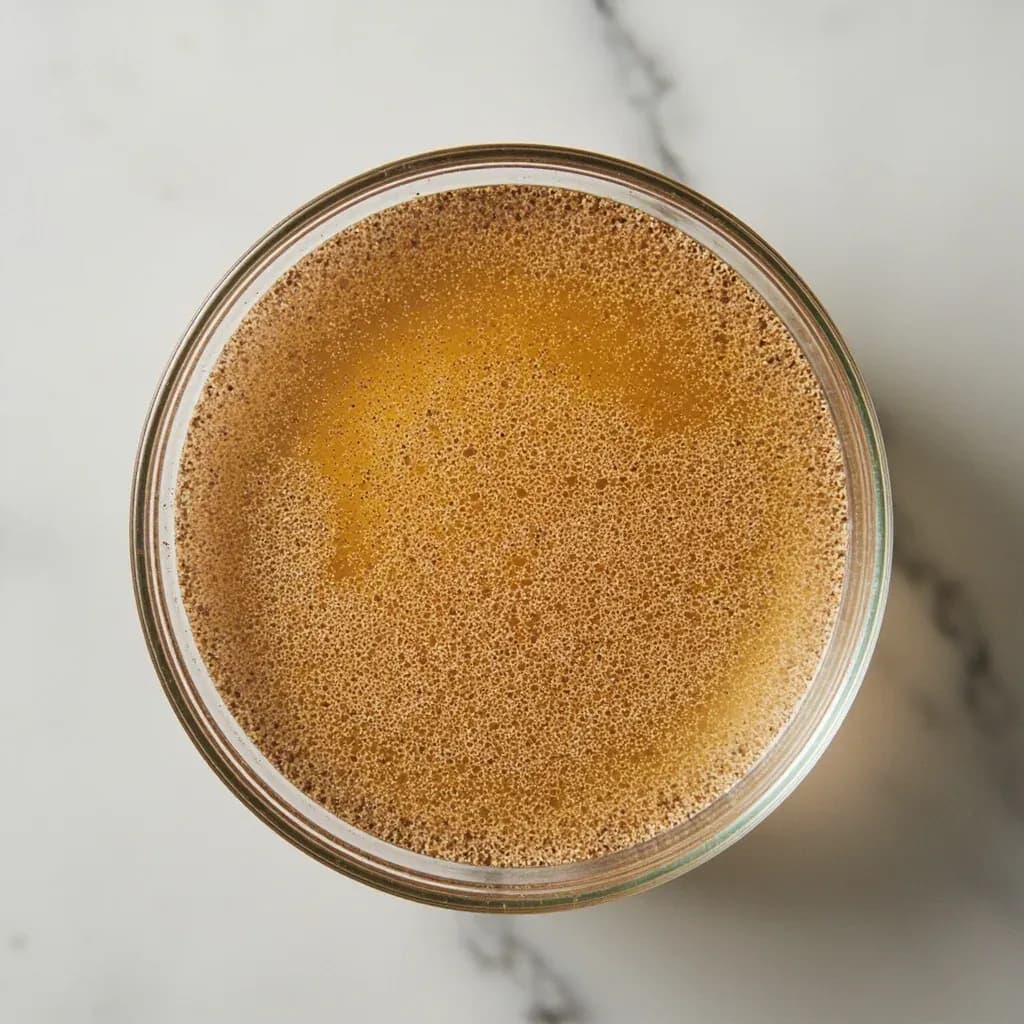
For the cold method, change the water once or twice a day, squeezing and massaging the bag each time. The water will run yellow, then amber, then deep brown as tannins dissolve out. Squeeze the bag firmly each change — mechanical agitation draws tannins out noticeably faster.
- 6
Test for completion
After several days, taste a few grains. They should be nutty and only faintly astringent, never puckering. As a backup, drop a sample into a weak iron-sulfate solution; any blue-black color means tannins remain. Continue cycles until both tests pass cleanly.
- 7
Rinse and press dry
Give the leached meal a final rinse in clean water, then squeeze out as much moisture as practical inside the bag. Spread the damp meal thinly on a tray lined with cheesecloth.
- 8
Dry and store, or use directly
Air-dry, dehydrate at 55–65 °C (130–150 °F), or finish in a low oven until the meal is brittle and crumbly. Store airtight once fully dry; any residual moisture will mold within weeks. Alternatively, use the wet meal straight away for mush, soup, or jelly.
White oak versus red oak: read your harvest
The single biggest predictor of how long leaching will take — and whether you need alkali at all — is which oak group your acorns came from. The two groups look similar from the outside but behave very differently in the kitchen.
- White-oak group (Quercus alba, Q. virginiana, Q. garryana, Q. lobata): kernels are naturally low in tannin, often sweet enough to eat raw; a brief cold leach of 1–3 days is usually enough to polish the flavor.
- Red-oak group (Q. rubra, Q. palustris, Q. coccinea, Q. kelloggii, Q. agrifolia): deeply bitter and high in tannin; expect a week or more of cold leaching or use hot/alkali methods from the start.
- The inner skin is the most tannin-rich layer in either group; blanching and peeling it before leaching cuts days off the process and noticeably improves flavor.
- If your first soak water turns dark brown within minutes, assume red-oak-group chemistry and plan for extra cycles — or switch to hot or ash leaching.
- Species identification matters less than taste: chew a raw kernel from each tree you harvest; mild and almond-like means an easy leach, puckering and bitter means a long one.
Troubleshooting the leach
Most leaching problems come from one of three causes: the grind is too coarse, the water isn't being changed often enough, or the acorns are a high-tannin red-oak batch masquerading as a mild one. Use this short checklist when progress stalls.
- Water clears in a single change and tastes fine, but the meal still puckers → grind was too coarse; re-pulse the meal and resume leaching.
- Water turns sour or foamy between changes → not changing often enough in warm weather; increase to three changes a day or refrigerate.
- Meal tastes 'flat' or 'cardboardy' → over-leached or leached too hot; pull a sample sooner next time, or switch to the cold method.
- Done test is borderline → run one more full cycle rather than half; residual tannin at the edge of perception still irritates the gut.
What to do with the tannin water
The brown leachate is not waste. Tannins are exactly the compounds used to tan hides and to make iron-gall ink, and Indigenous tanners across the Northern Hemisphere have used acorn soak water for both purposes for centuries. Strain it through cloth and bottle it cold if you want to keep it for leather work, wood staining, or a natural ink bath.
- Hide tanning: soak de-haired hides in tannin-rich acorn water for several days to soften and preserve them.
- Iron-gall ink: combine tannin leachate with a little iron sulfate and gum arabic for a dark, light-fast writing ink.
- Wood staining: the deep brown solution is a serviceable natural dye and stain for pale woods and paper.
- Do not pour large quantities down a drain — the brown pigment stains porcelain, and concentrated tannins can disrupt septic-system biology.
Common uses
Tips & pitfalls
- Crack or coarsely grind the acorns before leaching — whole nuts leach too slowly and can develop off-flavors while they wait.
- Don't stop at 'almost done' — even trace residual tannins cause a drying, puckering sensation and can upset digestion in sensitive eaters.
- Change cold-leach water at least once or twice a day; in warm weather, three changes or refrigeration prevents souring and fermentation.
- Add a small pinch of baking soda or a splash of hardwood-ash water only for clearly bitter red-oak-group acorns — it speeds the leach but also strips flavor, so don't use it on mild white-oak nuts.
- Save the tannin-rich leachate in a sealed jar in the fridge; it is a traditional hide-tanning bath and a useful iron-gall ink base.
- Taste-test across several kernels, not just one — tannin levels vary even between nuts on the same tree, and one bad sample can mislead you about the batch.
- Dry the leached meal thoroughly at under 65 °C / 150 °F before storing; rushing this step is the single most common reason acorn flour molds in the pantry.
- Never leach in bare iron, copper, or aluminum vessels — tannins react with these metals, darken the meal, and can leave an off taste.
Good to know
- Also called
- Acorn processing, tannin removal, acorn washing
- Tannins removed
- Water-soluble gallotannins concentrated in the kernel flesh and inner skin
- Cold method time
- 3–14 days, depending on species and grind size
- Hot method time
- 1–3 hours with 6–10 water changes
- Acorn-to-water ratio
- Roughly 1 part cracked meal to 4–6 parts water per change
- Yield
- About 60–70% of dry weight remains as usable meal after leaching and drying
- Shelf life of dried flour
- 6–12 months stored cool, dry, and airtight
- Done test
- Chew a kernel — should taste nutty, not puckering; or drop a sample in dilute iron sulfate — blue-black means tannins remain
Also called
Tannin Leaching · Acorn Processing
Related

Confit
Cook slowly submerged in fat for silky tenderness and keeping

Cure
Draw out moisture with salt and time to preserve and concentrate

Pickle
Steep in acidic brine for bright, tangy, crunchy preservation

Ferment
Let friendly microbes transform food into tangy, complex flavor

Marinate
Soak in a seasoned mix to flavor and tenderize before cooking

Brine
Soak in salt water so meat stays juicy and seasoned throughout

Dehydrate
Slowly dry out moisture to concentrate flavor and extend shelf life

Cold-Smoke
Perfume cured food with smoke without cooking it through